

Key takeaways for the 2023 Nissan Leaf
The 2023 Nissan Leaf is a five-seat battery-electric hatchback built mainly for commuting and local use, not for frequent long-distance road trips. In the U.S., Nissan sold it in two trims: the Leaf S with a 40 kWh battery and an EPA-estimated 149 miles of range, and the Leaf SV PLUS with a 60 kWh battery and an EPA-estimated 212 miles of range.
Its appeal is straightforward ownership. The Leaf offers predictable local driving, fewer routine powertrain service items than a gasoline car, useful hatchback cargo space and strong standard driver-assistance content. The main constraint is charging. The 2023 Leaf still uses CHAdeMO for DC quick charging, so buyers should confirm local charger availability before purchase. For more electrification coverage, see our EVs section.
What changed for the 2023 model year
Nissan presented the updated 2023 Leaf at the 2022 New York International Auto Show on April 12, 2022, before U.S. nationwide sales began on June 21, 2022. This was not a ground-up redesign. Nissan simplified the lineup, refreshed the exterior and adjusted equipment packaging.
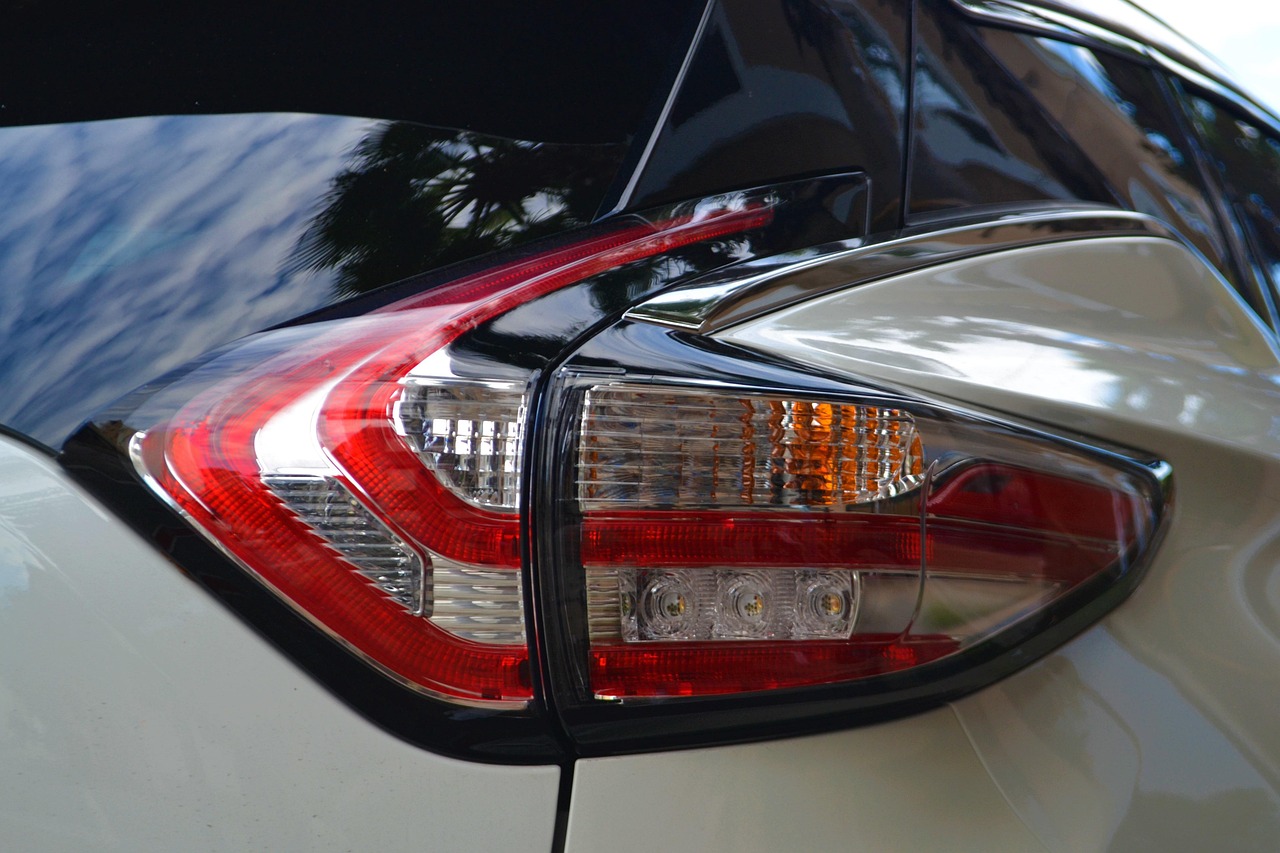
The 2023 model dropped the broader earlier trim spread and focused on two versions: S and SV PLUS. Exterior changes included a revised front grille, front fascia, headlight detailing, Nissan’s newer badge design and aerodynamic updates to items such as tire deflectors, the rear spoiler and underbody pieces. Inside, the model received black cloth upholstery, updated trim finishes and Nissan’s newer brand logo on the steering wheel.
At launch, Nissan listed the 2023 Leaf S at $27,800 and the SV PLUS at $35,800, excluding a $1,095 destination and handling charge. Those figures are useful as historical reference points, but they should not be treated as current transaction prices for used vehicles, dealer leftovers or regional inventory.
2023 Nissan Leaf S vs SV PLUS specs
The main purchase decision is battery size. The S is the lower-cost, shorter-range commuter version. The SV PLUS adds a larger battery, a more powerful motor and more convenience features.
| Specification | Leaf S | Leaf SV PLUS |
|---|---|---|
| Battery capacity | 40 kWh lithium-ion | 60 kWh lithium-ion |
| Motor output | 147 hp and 236 lb-ft | 214 hp and 250 lb-ft |
| EPA-estimated range | 149 miles | 212 miles |
| EPA city/highway/combined efficiency | 123/99/111 MPGe | 121/98/109 MPGe |
| Launch MSRP before destination | $27,800 | $35,800 |
| DC quick charge estimate to 80% | About 40 minutes at 50 kW | About 60 minutes at 50 kW or about 45 minutes at 100 kW |
| Key added equipment | Safety Shield 360, 8-inch display, Apple CarPlay and Android Auto | ProPILOT Assist, Around View Monitor, heated front seats, heated steering wheel, navigation and more power |
For most shoppers, the SV PLUS is the more flexible car because its extra range buffer helps in winter, on highways and between charging opportunities. The S can still make sense if the car will be charged at home and used for a known commute with sufficient reserve.
Range in real use
EPA range is a controlled estimate, not a guarantee for every route. Nissan also notes that range varies with weather, temperature, battery age, charging habits, road speed and driving conditions. That matters with the Leaf because a 149-mile rating can feel generous in slow city driving but tighter on cold, fast highway routes.
A practical way to evaluate the Leaf S is to work backward from your worst regular driving day. If daily use is typically 40 to 70 miles and the car can charge at home overnight, the S fits a clear use case. If the routine includes 90 to 120 highway miles, winter driving, steep terrain or limited charging access, the SV PLUS is the safer fit.
The SV PLUS does not turn the Leaf into a long-range touring EV, but its 212-mile EPA estimate gives buyers more margin for detours, battery aging and weather. It also feels quicker because of its 214 hp motor. That added performance is not only about acceleration; it can make merging and passing feel less strained.
Interior packaging is one of the Leaf’s practical strengths. Nissan lists seating for five, 92.4 cubic feet of passenger volume, 23.6 cubic feet of cargo space with the rear seats upright and 30.0 cubic feet with the second row folded. It remains a compact-to-midsize hatchback, but the cargo shape works well for groceries, work bags and small family errands.
Charging is the main ownership question
For a 2023 Nissan Leaf buyer, charging access matters as much as battery size. Nissan supplied a portable charging cable that can use a 120-volt outlet or a 240-volt outlet, but regular EV ownership is much easier with Level 2 charging at home or work. Nissan’s consumer specifications list a full 240-volt charge at about 7.5 hours for the S and about 11 hours for the SV PLUS.
DC quick charging requires closer attention. The Leaf’s quick-charge system uses CHAdeMO, a format that was important in earlier EV adoption but is less common on new U.S. fast-charging deployments than CCS or NACS. This does not make the 2023 Leaf unusable, but it does affect the buying decision. Anyone planning to rely on public fast charging should check nearby stations, confirm that they have working CHAdeMO plugs and review charger reliability before purchase.
The Leaf is best treated as a home-charged commuter EV with occasional public quick charging, rather than a frequent road-trip vehicle. Charging speed can also vary with battery temperature, charger output, state of charge and weather. A station labeled 50 kW or 100 kW does not mean the car will hold that rate for the full session.
Safety, driver assistance and recalls
Nissan equipped every 2023 Leaf with Safety Shield 360. That package includes Automatic Emergency Braking with Pedestrian Detection, Lane Departure Warning, Blind Spot Warning, Rear Cross Traffic Alert, High Beam Assist and Rear Automatic Braking. Other standard systems included Intelligent Forward Collision Warning, Intelligent Lane Intervention and Blind Spot Intervention.
The SV PLUS adds the most useful driver-assistance upgrade: ProPILOT Assist. It combines adaptive cruise control and steering assistance for certain highway situations, but it remains a driver-assistance feature, not an autonomous driving system. Nissan’s cautions make clear that drivers must stay attentive and keep control of the vehicle. See also: clean energy.
Independent safety information is mixed but useful. The Insurance Institute for Highway Safety listed the 2023 Leaf as Good in the original moderate overlap front test, Acceptable in the updated side test and Good for head restraints and seats. The LATCH ease-of-use rating was Marginal, and the standard front crash prevention system was listed as not tested in that IIHS entry.
Used buyers should also check recalls by VIN. NHTSA records for the 2023 Leaf include three important campaigns: a February 2023 recall involving defroster operating instructions and reduced defroster performance under certain cold conditions, a May 2023 recall for certain 2023 vehicles with possible right-hand brake tube damage, and a July 2023 campaign involving vehicle control module reprogramming for a potential unintended acceleration behavior after certain cruise-control and drive-mode changes. Recalls are VIN-specific, so completion status matters more than model-year generalities.
Used buying considerations
The 2023 Leaf can be a smart used-EV purchase when the price reflects its strengths and limits. Before buying, check the battery capacity gauge, service history, recall completion, tire condition, brake condition, 12-volt battery age and charging equipment. If possible, test both Level 2 charging and DC quick charging before finalizing the deal.
Battery warranty is another major consideration. Nissan’s 2023 materials describe an 8-year or 100,000-mile limited lithium-ion battery warranty covering defects in materials or workmanship, along with capacity-loss coverage if the battery falls below nine capacity bars during that period. Warranty details depend on the vehicle’s in-service date, mileage and exclusions, so buyers should confirm coverage with a Nissan dealer using the VIN.
Do not price a 2023 Leaf in 2026 assuming historical federal EV credits still apply. IRS clean vehicle credit guidance says the new and previously-owned clean vehicle credits applied only to qualifying vehicles acquired on or before September 30, 2025, with additional rules for seller reporting and eligibility. State, utility or local programs may differ, but buyers should verify incentives before relying on them.
Who should consider the 2023 Nissan Leaf
The 2023 Leaf is strongest for drivers who can charge at home, follow predictable daily routes and want a straightforward EV without paying for maximum range. The S trim is the budget-focused local commuter. The SV PLUS is the better all-around choice because it adds range, performance and comfort equipment that make the car easier to live with.
It is less compelling for drivers who regularly travel long distances, depend on public fast charging or want access to the newest charging standards. In those cases, a CCS- or NACS-compatible EV with more highway range may be a better match. The Leaf’s value is not that it beats every newer EV on technology; it is that it can still handle everyday electric driving well when matched to the right use case.
Frequently asked questions
Is the 2023 Nissan Leaf fully electric?
Yes. The 2023 Nissan Leaf is a battery-electric vehicle with no gasoline engine. It uses an electric motor, a lithium-ion battery pack and plug-in charging.
Which 2023 Nissan Leaf trim has the longest range?
The SV PLUS has the longer range. It uses a 60 kWh battery and has an EPA-estimated range of 212 miles, compared with 149 miles for the Leaf S with the 40 kWh battery.
Does the 2023 Nissan Leaf use Tesla Superchargers?
The 2023 Leaf does not have a factory NACS port. For DC quick charging, it uses CHAdeMO, so buyers should confirm compatible public charging options in the places they actually drive.
Is the 2023 Nissan Leaf good for road trips?
It can handle occasional longer drives with planning, especially in SV PLUS form, but it is not the easiest road-trip EV. Limited CHAdeMO availability, modest fast-charging speeds and range sensitivity at highway speeds make it better suited to commuting and regional use.
What should I check before buying a used 2023 Nissan Leaf?
Check VIN-specific recalls, battery capacity bars, remaining battery warranty, charging-port function, 12-volt battery condition, tires, brakes and service records. Also verify that your home or local charging setup fits the trim’s range and charging needs.