
What clean energy electricity means
Clean energy electricity is power generated with little or no direct greenhouse gas emissions during operation. It usually comes from renewable sources such as solar, wind, hydropower, geothermal and sustainable bioenergy, and in many policy and reporting frameworks it also includes nuclear power. The term is broader than renewable electricity because some low-carbon sources are not renewable. It is also broader than green power, which is often defined by voluntary market programs with narrower eligibility rules. For anyone tracking the energy transition, the practical question is not only whether electricity is clean on paper, but whether it reduces fossil generation, can be delivered when needed, and is supported by credible accounting.
Clean electricity is becoming central to energy planning because transport, heating, cooling, industry and digital infrastructure are all using more power. For broader context on energy transition topics, see our clean energy section.
Clean, renewable, green and low-emissions are related but not identical
The language around power generation can be confusing because agencies, markets and policy programs use different boundaries. Renewable electricity normally refers to energy from replenishing natural flows: sunlight, wind, moving water, geothermal heat and biomass. Green power is often used in voluntary purchasing programs and may refer only to qualifying renewable electricity that meets specific environmental or market criteria. Low-emissions electricity is a wider analytical category that usually includes renewables and nuclear power, and may include fossil generation only when carbon capture is applied.
These distinctions matter in policy, procurement and public claims. A company that buys renewable energy certificates is making a market-based claim about electricity attributes; it is not saying that a specific electron traveled from a wind farm to its building. A country reporting low-emissions power may include nuclear generation, while a renewable portfolio standard may not. A clean electricity target may include technologies such as hydropower, nuclear, geothermal, solar, wind, biomass and, in some frameworks, fossil power with carbon capture. Before comparing percentages across reports, readers should check the definition being used.
The power mix is changing, but fossil fuels remain large
Energy data published in 2026 show that clean electricity is expanding quickly, although the global grid remains mixed. The International Energy Agency reported in its Global Energy Review 2026 that low-emissions sources, defined as renewables plus nuclear, reached 43% of global electricity generation in 2025. In the same report, renewables reached 34%, wind and solar together reached 17%, coal remained the largest single source at 34%, and natural gas accounted for 21%.
Ember’s Global Electricity Review 2026, which also covers 2025 generation, estimated that renewables reached 33.8% of global electricity and overtook coal at 33.0% in its dataset. Ember also reported that low-carbon generation increased by 887 terawatt-hours in 2025, slightly above the 849 terawatt-hours increase in global electricity demand, while solar generation rose by 636 terawatt-hours to 2,778 terawatt-hours. The gap between the IEA and Ember figures is a useful reminder that methods and classifications vary. The direction is consistent: renewables are gaining share, solar is the fastest-moving contributor, and coal and gas still supply a large part of the system.
| Source or market | Recent finding for 2025 | Why it matters |
|---|---|---|
| International Energy Agency | Low-emissions generation reached 43% of global electricity; renewables reached 34%. | Clean power is no longer a niche category, but fossil generation remains deeply embedded. |
| Ember | Renewables reached 33.8% and slightly exceeded coal at 33.0% in its global dataset. | Different datasets can show slightly different milestones, so definitions should be checked. |
| U.S. Energy Information Administration | U.S. utility-scale generation was about 4.43 trillion kilowatt-hours, with natural gas at 41%, renewables at 24%, nuclear at 18% and coal at 17%. | The U.S. mix shows strong clean electricity contributions, but gas remains dominant. |
How clean energy electricity is generated
Solar and wind
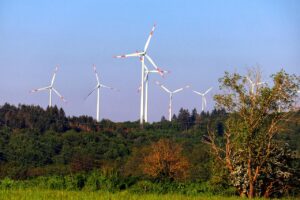
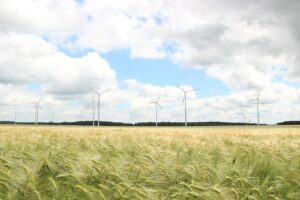
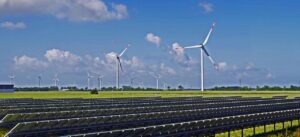
Solar photovoltaic and wind generation are the main growth engines of modern clean electricity. They have no fuel cost, low operating emissions and can be built as small distributed systems or large utility-scale projects. Their main limitation is variability: solar output follows sunlight, while wind output depends on weather patterns. That does not make them unreliable by default, but it does mean power systems need forecasting, transmission, storage, flexible demand and other dispatchable resources.
Hydropower, geothermal and bioenergy
Hydropower remains one of the largest sources of renewable electricity globally and can provide flexibility when reservoirs are available. Its output can be affected by drought, and projects may carry ecological and social impacts depending on design and location. Geothermal power can provide steady output in suitable regions, but development depends on geology and drilling cost. Bioenergy can be dispatchable, yet its climate value depends heavily on feedstock sourcing, land-use impacts and emissions accounting.
Nuclear power
Nuclear power is not renewable, but it is commonly grouped with low-emissions electricity because reactors produce power without combustion emissions during operation. It can provide firm generation that is not weather-dependent. Its challenges differ from those of wind and solar: high capital cost, long project timelines, waste management, safety governance and public acceptance. In grids seeking deep emissions reductions, nuclear is often discussed as a complement to renewables rather than a direct substitute for every renewable project.
Why the grid matters as much as the generator
The value of clean electricity depends on timing and location. A solar project that produces at midday in a region with frequent oversupply may have less emissions impact than a project that displaces fossil generation during high-demand hours. A wind project far from demand centers may need new transmission before it can deliver its full value. Batteries can shift electricity from high-generation hours to evening peaks, while long-duration storage, hydropower, geothermal, nuclear, demand response and interregional transmission can help cover longer gaps.
Electricity demand is also rising. The IEA reported that global electricity demand grew by around 3% in 2025, above the 2014-2024 average, with growth supported by appliances, air conditioning, heat pumps, electric vehicles and data centers. This changes the clean electricity challenge. It is not enough to add renewable capacity; clean generation must grow fast enough to meet new demand and reduce existing fossil output at the same time.
That is why many power-sector discussions now focus on clean electricity systems, not only individual technologies. A high-renewables grid needs interconnection queues that move projects forward, transmission planning that crosses local boundaries, market rules that reward flexibility, and permitting processes that protect communities while avoiding unnecessary delays. A cleaner grid is an engineering, regulatory and financial project as much as a generation project. See also: EVs.
How buyers should evaluate clean electricity claims
Households, companies and public institutions increasingly encounter clean electricity claims in utility tariffs, renewable energy certificates, power purchase agreements and on-site solar programs. These tools can all play a role, but they do not have the same impact or the same accounting basis.
- Check the definition. Does the claim mean renewable, low-carbon, carbon-free, green power, or matched renewable certificates?
- Look at geography. Electricity attributes purchased from far away may be valid under a market system, but local grid impact can differ.
- Consider timing. Annual matching is easier than hourly matching. A buyer may procure enough clean electricity over a year while still consuming fossil-heavy grid power during some hours.
- Ask about additionality. A stronger claim is usually tied to new or expanded clean generation rather than only existing resources.
- Account for demand reduction. Efficiency, load shifting and smart controls can reduce the amount of new generation needed.
For large electricity users, the most credible strategies often combine procurement with operational flexibility. Data centers, factories, cold storage, water pumping and electric vehicle charging can sometimes shift consumption to hours when clean electricity is abundant. In many cases, that can lower emissions more effectively than treating electricity as a flat annual total.
Limits, trade-offs and what should be watched next
Clean energy electricity has much lower operating emissions than fossil power, but no energy source is impact-free. Life-cycle assessments from organizations such as UNECE show that wind and solar have emissions associated with manufacturing, transport, installation and end-of-life handling, even though these are generally far below coal and gas. Hydropower can affect river systems. Solar and wind require land, interconnection equipment and mineral supply chains. Nuclear requires rigorous safety regulation and waste management. Biomass needs careful scrutiny because poor feedstock choices can weaken climate benefits.
The next phase of clean electricity growth will likely be judged by five practical measures. First, can grids connect new solar, wind, storage and transmission fast enough? Second, can clean generation meet demand growth from electrification and digital loads? Third, can markets reward resources that provide capacity, flexibility and reliability, not only megawatt-hours? Fourth, can communities share benefits and reduce local burdens from infrastructure build-out? Fifth, can accounting rules distinguish between clean electricity claims that are legally valid and those that materially reduce emissions?
The central trend is clear: clean electricity is becoming a larger share of the power system and a foundation for decarbonizing transport, heating, cooling and industry. The harder question is whether deployment, grids and demand management can move together. The answer will determine how much clean energy electricity reduces fossil generation rather than simply keeping pace with rising power use.
Frequently asked questions
Is clean energy electricity the same as renewable electricity?
No. Renewable electricity comes from replenishing sources such as solar, wind, hydro, geothermal and biomass. Clean energy electricity is often broader and may include nuclear power or other low-emissions technologies, depending on the policy or reporting framework.
Can electricity from the grid be physically clean?
Once electricity enters a shared grid, power from different generators mixes. Clean electricity claims are usually based on contracts, certificates, utility programs or ownership of generation. The physical grid mix still matters because it determines real-time emissions and reliability.
Why do some reports count nuclear as clean?
Nuclear plants do not burn fossil fuels during operation and therefore have low operational greenhouse gas emissions. They are usually classified as low-emissions electricity, though they are not renewable and carry separate cost, waste, safety and governance considerations.
What makes clean electricity more valuable for emissions reduction?
Clean electricity has greater emissions value when it displaces fossil generation, is delivered in the region and time period where demand occurs, and is supported by credible accounting. Storage, transmission and flexible demand can increase that value by matching clean supply with real system needs.