What portable solar generators actually do
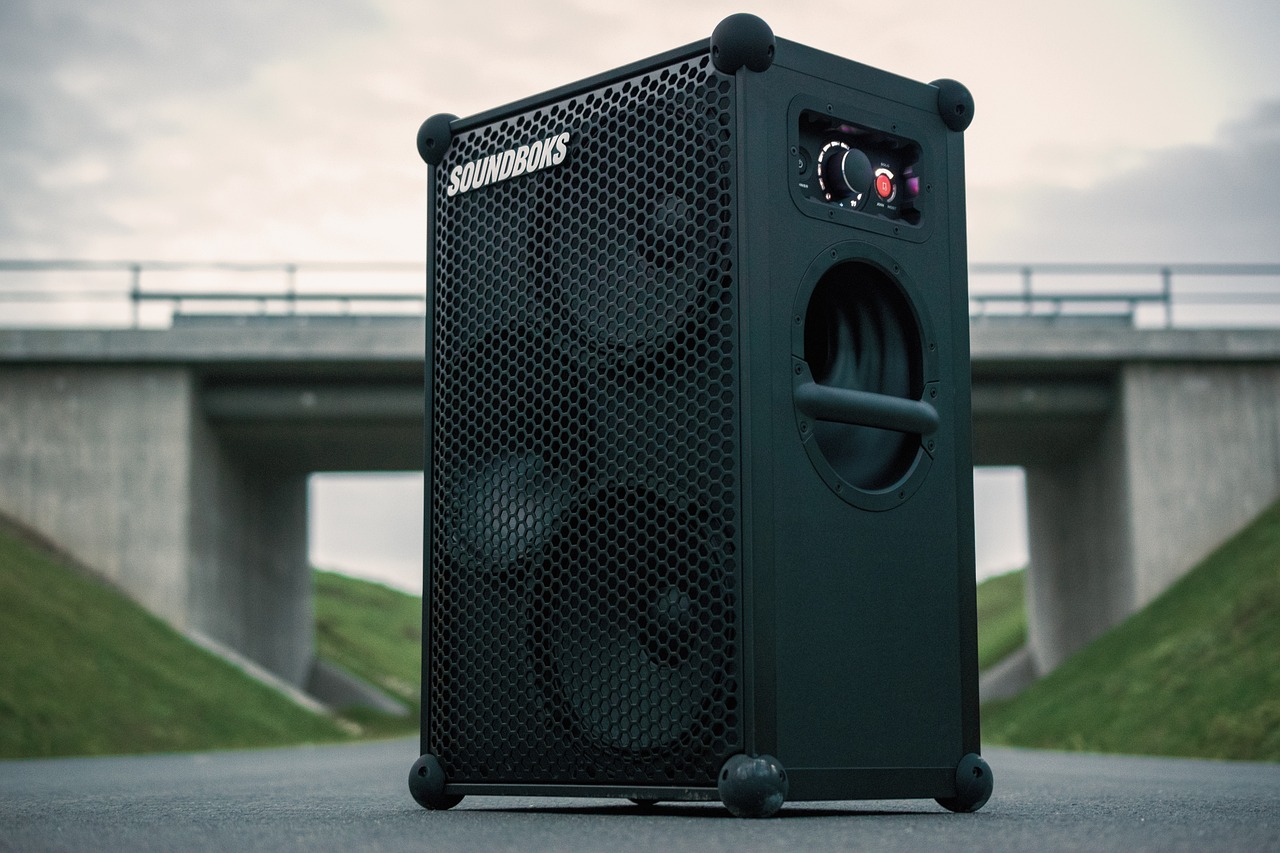
Portable solar generators are battery-based power stations that can be recharged from solar panels and used to run selected devices during outages, camping trips, field work, or off-grid projects. They are not generators in the traditional engine-driven sense because they do not produce electricity by burning fuel. Instead, they store electricity in a battery, convert it through an inverter, and deliver it through AC, DC, or USB outlets. That makes them quiet, movable, and suitable for indoor use when operated according to the manufacturer’s instructions. Their limits are just as important: runtime depends on battery capacity, recharge depends on available sunlight and panel input, and high-wattage appliances can exceed the inverter’s output rating.
Most buyers approach portable solar generators with practical questions. What size is needed? Can the unit keep essential loads running? How long will solar charging take? Which safety standards are relevant? A useful answer starts with the electrical basics, then moves to sizing, recharge time, and realistic use cases.
How a portable solar generator works
A typical unit has four core parts: a battery pack, an inverter, a charge controller, and output ports. Solar panels are usually separate or foldable accessories, although some kits bundle panels with the power station. The U.S. Department of Energy explains that photovoltaic materials convert sunlight into electrical energy, while solar systems need supporting components to convert and manage that electricity for real loads. In a portable system, the same principles are packaged into a movable device.
- Solar panels produce direct current electricity when exposed to sunlight.
- The charge controller regulates incoming power so the battery can charge safely.
- The battery stores energy, normally measured in watt-hours or kilowatt-hours.
- The inverter converts DC battery power into AC power for household-style outlets.
- Output ports deliver power to appliances, tools, communication equipment, lights, or mobile devices.
The word “generator” can therefore be misleading. The solar panel is the generating source; the battery station is the storage and delivery device. This distinction matters because a larger battery does not make more electricity by itself. If the solar input is too small, or the weather is poor, the battery may take a long time to refill.
The sizing method that avoids disappointment
The most important buying decision is not brand, app design, or display layout. It is the relationship between energy capacity, output power, and charging input. The Department of Energy commonly distinguishes energy capacity, the total amount that can be stored, from power capacity, the amount that can be delivered at a given moment. For portable solar generators, that difference explains why a unit may have enough stored energy for a laptop but not enough output power to start or sustain a heavy appliance.
| Specification | What it means | Why it matters |
|---|---|---|
| Battery capacity | Total stored energy, usually shown as Wh or kWh | Determines approximate runtime |
| Continuous AC output | Power the inverter can deliver steadily | Determines which appliances can run |
| Surge output | Short burst power for startup loads | Important for motors, compressors, and pumps |
| Solar input rating | Maximum panel power the unit can accept | Controls realistic solar recharge speed |
| Battery chemistry | Commonly lithium iron phosphate or other lithium-ion types | Affects weight, cycle life, and thermal behavior |
| Certification or standard reference | Testing framework such as UL 2743 for portable power packs | Helps assess electrical safety and product category |
A simple sizing formula is useful: device watts multiplied by hours of use equals watt-hours needed. If a device draws 60 watts and must run for 10 hours, the load requires about 600 Wh before losses and reserve margins. Because inverters and batteries are not 100% efficient, a practical plan should leave extra capacity rather than assume every nameplate watt-hour will be available at the outlet.
For outage planning, make a list of essential loads instead of trying to power the whole home. Include medical devices where applicable, communication equipment, LED lighting, refrigerator or freezer cycling loads, Wi-Fi equipment, phone charging, and a fan if heat is a concern. Then check each device’s label or measure the load with a plug-in power meter. Online appliance averages can help with rough planning, but equipment labels and measured consumption are more reliable for purchase decisions.
Solar recharge time is often the limiting factor
Portable solar generators are attractive because they can be refilled from sunlight, but solar charging is variable. Panel wattage is measured under standard test conditions, not on every patio, campsite, or storm recovery site. Cloud cover, low winter sun, panel angle, heat, shade, dust, cable losses, and charge-controller limits all reduce actual charging.
A practical estimate is: solar panel watts multiplied by usable sun hours, then reduced for system losses. For example, 400 watts of panels receiving about four strong sun hours might produce roughly 1.2 kWh after a conservative reduction for real-world conditions. That could refill a medium-size power station over a day, but it would not support unlimited loads while also fully recharging the battery. If the same system receives weak sun or partial shade, the result can be much lower.
This is why solar input rating deserves as much attention as battery size. A large battery with a small solar input may be useful when charged from the wall before an outage, but it may recover slowly from solar alone. By contrast, a unit that accepts more panel wattage can be more resilient for multi-day off-grid use, provided the user has enough panels and a clear placement area.
Where portable solar generators fit best
Portable units work best when the load is selective, the power need is temporary, and the user values quiet operation, indoor use according to the manual, and low routine maintenance. They are less suitable for central air conditioning, electric heating, large well pumps, whole-home circuits, or multiple high-wattage appliances running for days without careful load management.
| Use case | Good fit | Main limitation |
|---|---|---|
| Camping and RV support | Lights, phones, laptops, small cooking accessories, fans | Panel placement and daily energy use must be managed |
| Short power outages | Communication, lighting, refrigeration support, small medical or work devices | Runtime depends on battery size and outage duration |
| Remote field work | Cameras, drones, measuring tools, radios, laptops | Weather and charging logistics can affect availability |
| Apartment backup | Indoor battery backup for low-to-medium loads | Limited panel access may make solar recharge difficult |
| Whole-home backup | Usually only for selected circuits with suitable equipment | Requires larger storage, transfer equipment, and professional design |
For readers comparing broader solar options, the solar power guides section covers related topics such as PV systems, storage, and renewable energy trends. Portable systems are part of that wider solar-storage landscape, but they should not be confused with professionally installed rooftop solar plus home battery systems.
Safety and standards to check before buying
Battery-based portable solar generators avoid one major danger associated with fuel-powered portable generators: combustion exhaust. The U.S. Consumer Product Safety Commission has repeatedly warned that gasoline-powered generators can create deadly carbon monoxide hazards when used indoors, in garages, on porches, or near openings. A battery power station does not produce engine exhaust during discharge, which is a meaningful safety advantage for indoor emergency use. See also: clean energy.
That does not mean every battery unit is risk-free. Portable power packs still involve high-energy batteries, inverters, charging electronics, heat, cables, and connected loads. Users should follow the manual, keep ventilation openings clear, avoid water exposure unless the product is specifically rated for it, use correctly rated cords, and stop using equipment that shows swelling, overheating, unusual odor, or damaged connectors.
Standards also matter. ANSI/CAN/UL 2743:2025, published on September 24, 2025, addresses portable power packs as a product category. Public standards summaries note that this category is separate from permanently connected equipment or systems designed to supply premise wiring, which are treated under different energy storage standards. In plain language, a portable solar generator should not be casually backfed into a home panel. If backup power is intended for household wiring, transfer equipment and qualified electrical work are essential.
A practical buying checklist
Instead of starting with the largest number on the product page, start with the job the device must perform. The right portable solar generator for a weekend trip may be too small for outage resilience, while a high-capacity unit may be heavier and more expensive than needed for laptops and lights.
- List critical loads first. Decide what must run, what can wait, and what should never be powered from a small portable unit.
- Calculate watt-hours. Multiply each device’s power draw by expected hours of use, then add a reserve margin.
- Check continuous and surge output. A battery may have enough energy but still fail to start a compressor or motor load.
- Match panels to solar input. More battery capacity is less useful if the unit cannot accept enough charging power.
- Review battery chemistry and cycle rating. Lithium iron phosphate designs are often chosen where cycle life and thermal stability are priorities, while other lithium-ion formats may reduce weight.
- Look for relevant safety information. Product documentation should clearly state certifications, operating temperature range, charging limits, and safe storage guidance.
- Plan cables and placement. Solar panels need sun exposure; the battery station should stay protected, ventilated, and within safe cable length.
The better purchase is usually the system with specifications that match a measured load profile, not the one with the most dramatic marketing claims. Runtime claims are only meaningful when they state the load, battery capacity, and assumptions behind the estimate.
Frequently asked questions
Can a portable solar generator power a refrigerator?
Many can support some refrigerators for limited periods, but the answer depends on the refrigerator’s running watts, startup surge, duty cycle, ambient temperature, and the generator’s inverter rating. Check the appliance label and allow extra margin for compressor startup rather than relying on a generic runtime chart.
Can portable solar generators be used indoors?
Battery-based units can generally be used indoors according to their manuals because they do not burn fuel while discharging. Solar panels still need sunlight, so panels are usually placed outside while the power station remains protected. Fuel-powered portable generators should not be used indoors because of carbon monoxide risk.
How much solar panel capacity do I need?
Start with daily energy use. If your essential devices consume about 1 kWh per day, the solar array must produce more than that after weather and system losses to maintain the battery over time. In cloudy seasons or shaded sites, extra panel capacity and load reduction become more important.
Is a portable solar generator the same as a home battery?
No. A portable solar generator is a movable power pack intended for plug-in loads or manufacturer-approved accessories. A home battery is normally part of a fixed electrical system with dedicated inverters, wiring, permitting, and safety equipment. The two categories can overlap in purpose, but they are not interchangeable.
What is the main limitation of portable solar generators?
The main limitation is energy balance. A battery can only deliver the energy it stores, and solar panels can only refill it at the rate sunlight and hardware allow. For long outages or heavy loads, users must reduce demand, add solar input, increase storage, or use a different backup strategy.