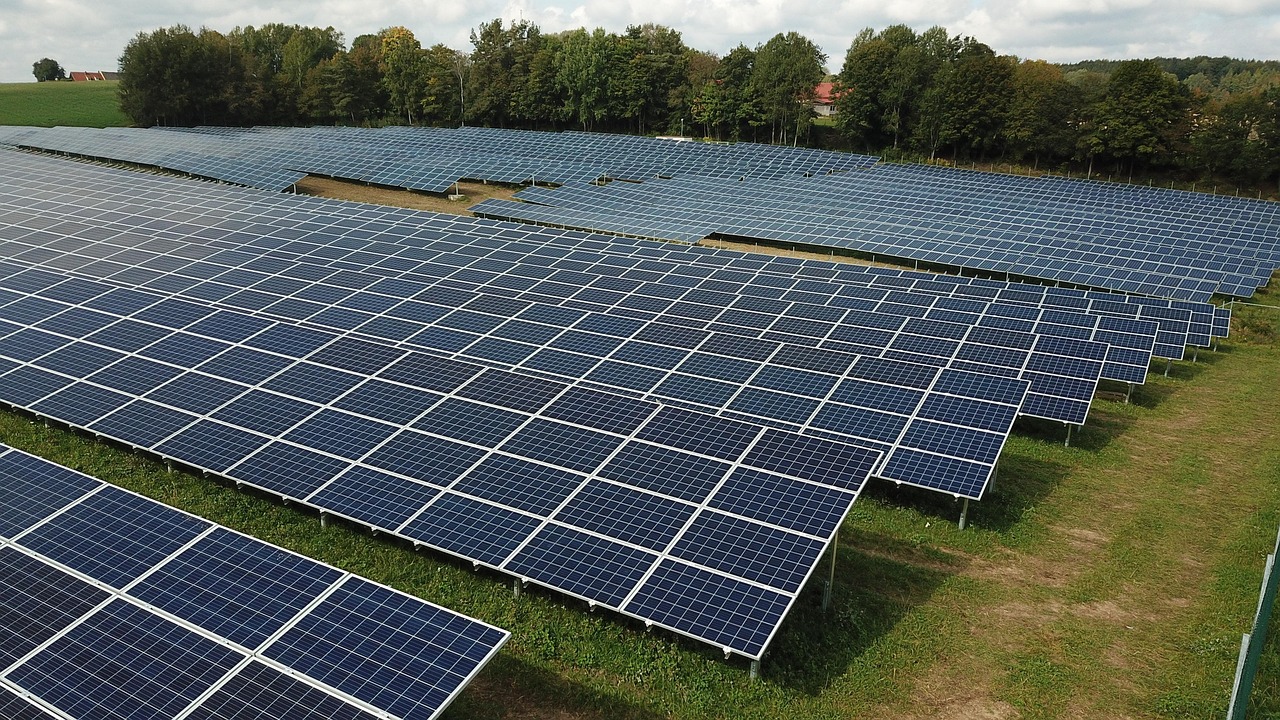

Why solar panels & battery storage now belong in the same decision
Solar panels & battery storage are increasingly planned as one system because the value of clean electricity now depends on both production and timing. Panels generate power when sunlight is available. Batteries make part of that output available later: during evening peaks, outage periods, demand-charge windows, or short periods when the grid needs fast flexibility. The result is not just more renewable capacity, but renewable capacity that can be controlled for specific operating needs.
For homeowners, that may mean keeping critical loads running during an outage or using more rooftop solar onsite. For businesses, it can mean reducing exposure to demand charges and volatile energy costs. For utilities and grid operators, storage can help move midday solar output into later hours. Batteries do not make every solar project automatically economical, but they do change the questions buyers, developers, and planners need to ask.
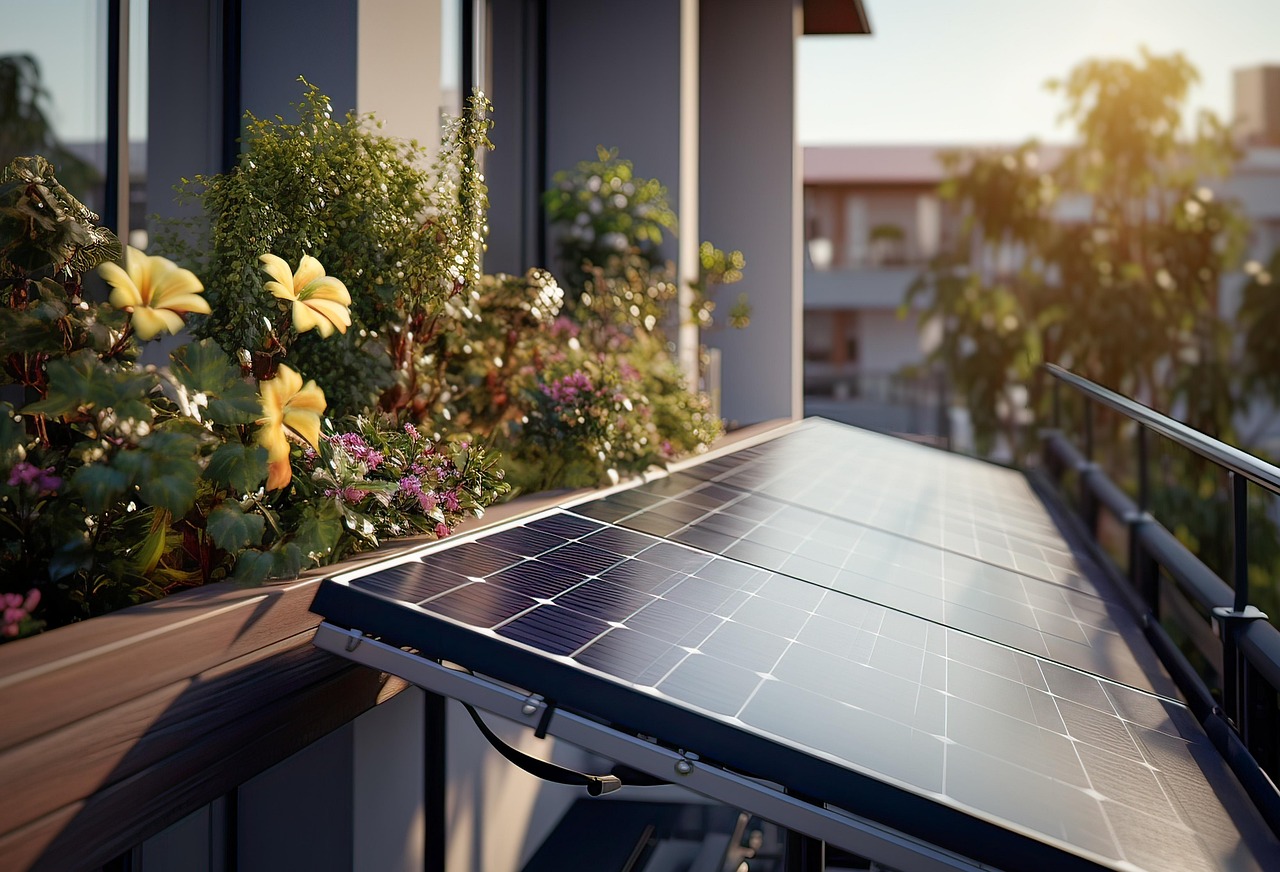
What has changed in the market
The pairing of solar and storage has moved from a specialist design choice into a mainstream planning topic. Public data from the U.S. Energy Information Administration shows the scale of the shift. In 2026, U.S. developers planned a record volume of utility-scale generating capacity additions, with solar representing the largest share and battery storage the second-largest share. EIA reported planned 2026 additions of 43.4 GW of utility-scale solar and a large battery storage buildout concentrated especially in Texas, California, and Arizona.
Another EIA update reported that U.S. utility-scale battery storage capacity grew rapidly in the three years ending in 2025, reaching 43.6 GW by the end of that year. Operators also reported plans for substantial additional battery capacity over the following two and a half years. These figures matter because batteries are no longer only a backup product for individual buildings. They are becoming a capacity, flexibility, and grid-integration tool.
The International Energy Agency has described battery storage as well suited to short-duration flexibility, typically in the range of one to eight hours. That matches a common operating problem created by high solar penetration: electricity can be plentiful around midday, while demand and market value often rise later in the day. The trend is also visible in project use cases. IEA analysis in 2026 noted that energy shifting has become the dominant application for new utility-scale battery projects, rather than only frequency response or other ancillary services.
How a solar-plus-battery system works
A solar-plus-battery system has four essential functions: generation, conversion, storage, and control. Solar modules produce direct-current electricity. An inverter converts electricity for building use or grid export. The battery stores energy, and software decides when to charge, discharge, hold reserve, or respond to price and grid signals.
AC-coupled and DC-coupled designs
In an AC-coupled system, the solar array and battery often have separate inverters. This can be useful when adding storage to an existing solar installation because it may avoid replacing major equipment. In a DC-coupled system, solar and storage share more of the power conversion path, which can reduce some conversion losses and simplify certain new-build designs. Neither approach is universally better. The right choice depends on existing equipment, backup requirements, interconnection rules, site layout, and budget.
Power rating and energy capacity
Two numbers are often confused. Kilowatts describe how much power the battery can deliver at one moment. Kilowatt-hours describe how long it can deliver energy. A 10 kWh battery with a 5 kW power rating can theoretically discharge at full output for about two hours before accounting for efficiency limits, reserve settings, and real-world operating constraints. For buyers, this distinction is critical. A battery sized for short peak shaving is not the same as a battery sized for long outage coverage.
Where the value comes from
The value of storage depends on the problem it solves. A battery attached to solar panels can support several value streams, but not all of them apply at every site.
| Use case | What storage adds | Main limitation to check |
|---|---|---|
| Home backup | Keeps selected circuits running when the grid is down | Battery size, outage duration, weather, and critical-load selection |
| Self-consumption | Stores daytime solar for evening use | Local export rules, retail rates, and battery cycling cost |
| Commercial peak control | Discharges during demand-charge intervals | Load profile accuracy and tariff design |
| Utility energy shifting | Moves solar output from midday to high-demand hours | Interconnection limits, market rules, and duration requirements |
| Grid services | Provides fast response for balancing and reliability | Market access, software control, and performance requirements |
National Renewable Energy Laboratory materials on solar-plus-storage have emphasized the same general point: storage can shift energy from times of peak production to times of peak consumption, support grid stability, and reduce peak demand. The important word is can. The design must match the tariff, load shape, weather pattern, and operating objective.
For more analysis of storage technologies and market applications, see the Storage section.
Residential systems are not just smaller utility projects
Residential solar-plus-storage decisions usually start with backup expectations. Many buyers want the battery to keep the whole home running, but that can be expensive and technically inefficient. A more practical design often separates critical loads from flexible loads. Refrigeration, communications, lighting, medical equipment, sump pumps, and selected outlets may be prioritized, while electric resistance heating, large air-conditioning loads, pool equipment, and EV fast charging may be limited during outages.
Research from Lawrence Berkeley National Laboratory on residential solar-plus-storage resilience has highlighted an important reality: backup performance depends heavily on system size, load behavior, outage timing, and solar conditions during the outage. A system that performs well during a sunny summer outage may not provide the same duration during a cloudy winter period. Responsible sizing should therefore start with load data, not a generic battery capacity rule.
Net metering and export compensation also affect the value case. Where exported solar is credited near the retail electricity rate, a battery may be less valuable for bill savings and more valuable for resilience. Where export credits are lower or time-varying rates reward evening discharge, storage can become more financially relevant. These rules change by state, utility, and program, so they should be verified before any investment decision.
Commercial and industrial sites have a different logic
Commercial buyers often evaluate solar panels and battery storage through demand charges, reliability, and operational continuity. A facility with brief but high power spikes may use storage to reduce monthly peak demand. A warehouse, cold-storage site, hospital support building, school, or manufacturing facility may also value ride-through capability for selected operations.
Commercial storage is more sensitive to control strategy than many buyers expect. A battery that discharges too early may miss the actual demand peak. A battery held too conservatively for backup may not reduce bills enough to justify its cost. The strongest projects usually begin with interval load data, tariff modeling, solar production estimates, and a clear priority order: bill reduction, backup, carbon reduction, or participation in grid programs. See also: clean energy.
Battery degradation also belongs in the financial model. Every battery has cycle limits, efficiency losses, thermal operating requirements, and warranty conditions. A project that assumes aggressive daily cycling for bill savings should account for usable capacity over time, not only first-year performance.
Utility-scale solar and batteries are reshaping planning
At utility scale, the value of co-located solar and batteries is often about system timing. Solar can reduce daytime fuel use and wholesale prices, but high solar penetration can also create curtailment when generation exceeds what the grid can absorb. Batteries help by charging during low-value or excess-generation periods and discharging when the system needs capacity.
IEA reporting has noted that some markets with high wind and solar shares have experienced curtailment in meaningful ranges, and that flexibility resources including storage, demand response, transmission, and long-duration solutions are needed as renewable shares rise. This does not mean batteries solve every integration challenge. Four-hour batteries are useful tools for daily shifting and peaks, but they are not a complete substitute for firm capacity, transmission expansion, seasonal balancing, or multi-day reliability planning.
That limitation is central to good analysis. Batteries make solar more dispatchable over short periods, but they do not turn solar into a round-the-clock generator under all weather conditions. Strong clean-power systems usually need a portfolio: solar, wind, storage of different durations, flexible demand, transmission, and dispatchable resources that meet reliability standards.
Safety, codes, and quality should be part of the purchase decision
Battery safety is a design and compliance issue, not an afterthought. Lithium-ion systems are widely deployed, but they require proper listing, installation, spacing, ventilation where applicable, fire detection, commissioning, and maintenance. In the United States and many international projects influenced by U.S. practice, UL 9540, UL 9540A, NFPA 855, the National Electrical Code, local fire codes, and manufacturer instructions can all be relevant.
UL 9540 addresses energy storage system safety certification, while UL 9540A is a test method used to evaluate thermal runaway fire propagation characteristics. NFPA 855 provides installation guidance for stationary energy storage systems, including fire protection and hazard mitigation considerations. Local authorities having jurisdiction decide which code editions and requirements apply, so buyers should not assume that a product listing alone is enough for approval.
Quality also includes software, monitoring, service access, and warranty clarity. A battery that cannot communicate properly with the inverter, utility program, or building energy management system may fail to deliver its expected value. Before procurement, project teams should confirm compatible equipment lists, operating modes, emergency shutdown procedures, monitoring data access, and service responsibilities.
A practical checklist before choosing a system
- Define the main goal. Backup, bill savings, demand-charge control, carbon reduction, and grid services lead to different designs.
- Use real load data. Hourly or interval data is far better than monthly bills for battery sizing.
- Model solar and storage together. Oversizing panels without understanding export rules can weaken the economics.
- Separate power from energy. Check both kW output and kWh capacity against the loads that matter.
- Confirm code compliance early. Permitting, fire safety, spacing, and installation location can affect cost and feasibility.
- Check tariff and incentive dates. Rate plans, interconnection rules, and tax or rebate programs can change quickly.
- Plan for degradation. Ask how usable capacity, cycle limits, and warranty terms are modeled over the project life.
- Clarify operating priority. A battery cannot maximize backup reserve and bill savings at the same time without trade-offs.
Frequently asked questions
Is battery storage necessary for solar panels?
No. Solar panels can operate without battery storage in many grid-connected systems. Storage becomes more relevant when the buyer wants backup power, higher onsite use of solar generation, peak-demand reduction, or the ability to shift energy into higher-value hours.
How long can a solar battery power a home?
It depends on battery capacity, power rating, selected loads, weather, and how much solar generation is available during the outage. A modest battery may support critical loads for hours, while a larger system with careful load management and daytime solar recharge can last longer. Whole-home backup usually requires more capacity and stricter load control.
Are solar-plus-storage systems always cheaper than grid electricity?
No. Economics vary by equipment cost, financing, electricity rates, demand charges, export compensation, incentives, and operating strategy. Storage can create strong value in some locations, but a project should be modeled against the actual tariff and load profile rather than judged by national averages.
What battery duration is most common for grid storage?
Many utility-scale lithium-ion projects are designed around short-duration operation, often about two to four hours, although longer systems are being developed. Short-duration batteries are useful for daily solar shifting and peak support, while longer-duration technologies may be needed for extended weather events or multi-day reliability needs.
What is the biggest mistake buyers make?
The biggest mistake is treating storage as a generic add-on instead of a purpose-built asset. The right battery size and control strategy depend on what the system must do: provide backup, reduce bills, manage peaks, support the grid, or combine several goals with clear trade-offs.