
Quick answer: when a kit makes sense
Wind turbine kits make sense when a site has a strong, clean wind resource, enough open space for a tower, a clear energy target, and a realistic plan for permitting, installation, maintenance, and electrical integration. A kit should not be treated as a plug-and-play substitute for a full small wind project. The turbine, controller, wiring, tower, foundation, inverter, batteries, dump load, disconnects, and protection equipment all need to work as one system.
U.S. Department of Energy guidance puts the basics first: sufficient wind, allowable tower height, adequate space, a workable interconnection or off-grid design, and economics that hold up over the project life. For broader context on wind power technologies, see our wind energy coverage.
What wind turbine kits usually include
The phrase “wind turbine kit” is used loosely in the small wind market. One kit may include only the rotor, generator, tail, controller, and fasteners. Another may add a tower section, rectifier, diversion load, brake switch, inverter, battery cables, or monitoring equipment. That difference matters because missing balance-of-system parts can add cost, complexity, and safety risk after purchase.
Before comparing prices, separate the equipment into four groups:
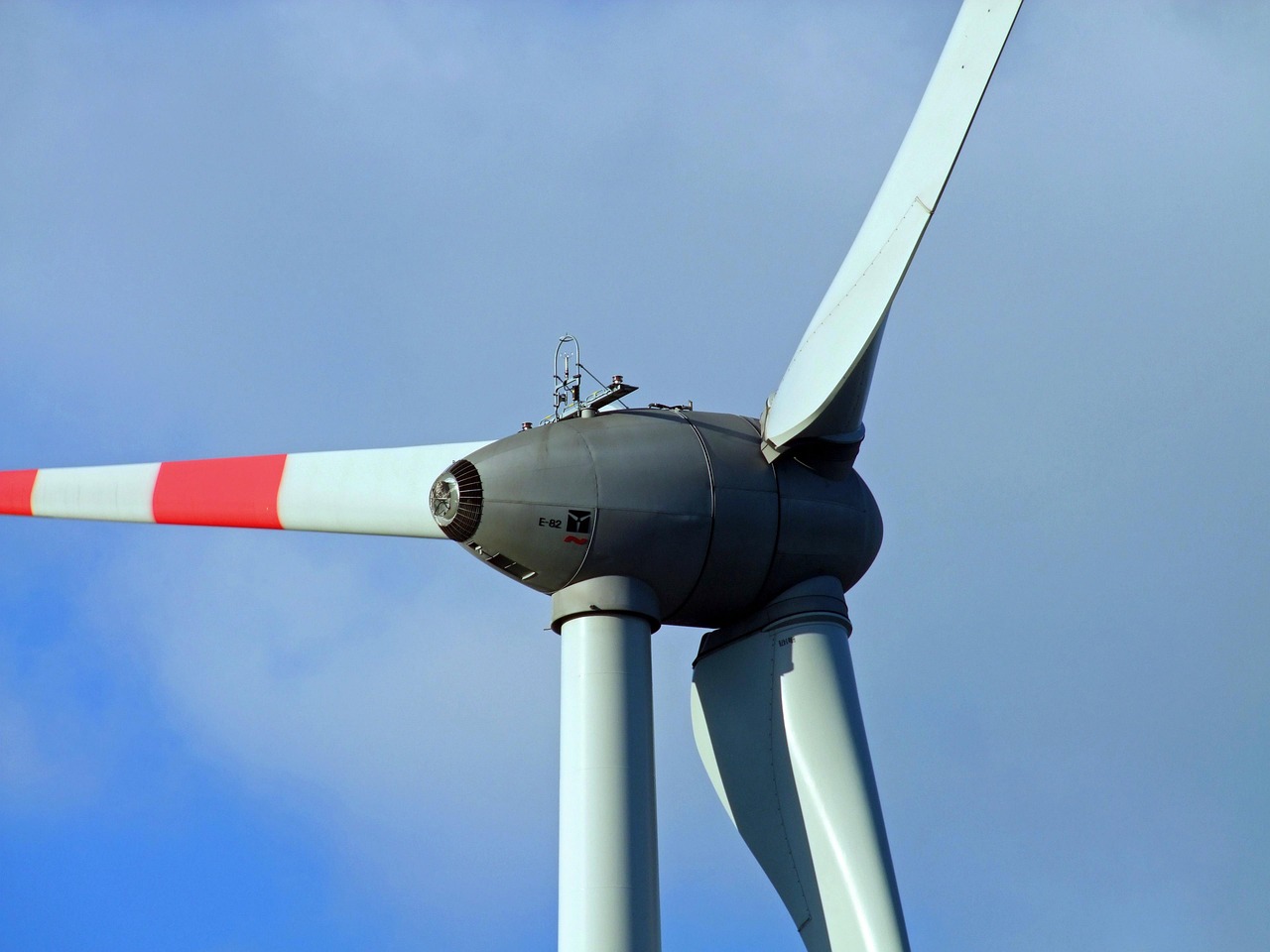
- Energy capture components: blades, hub, generator or alternator, nacelle, yaw mechanism, tail or active orientation system, and overspeed protection.
- Electrical conversion components: rectifier, charge controller, inverter, diversion controller, dump load, disconnects, surge protection, grounding, and overcurrent protection.
- Structural components: tower, guy wires, anchors, foundation, tower base, gin pole or lift plan, fasteners, and vibration-resistant hardware.
- Monitoring and documentation: manuals, power curve, annual energy estimate, wiring diagrams, maintenance schedule, warranty terms, and certification or test documentation.
A useful kit should state exactly what is included and what is excluded. If a seller lists only peak watts and shows a box photo, the buyer still has to confirm the tower rating, installation method, electrical safety requirements, battery compatibility, grid interconnection requirements, and replacement-part availability.
The site matters more than the box
The biggest mistake in small wind is treating a turbine rating like a solar panel rating. Solar output can be estimated from sunlight data with relatively predictable losses. Wind output is much more sensitive to local turbulence, tower height, terrain, obstacles, seasonal patterns, and the turbine’s actual power curve. A windy regional map does not prove that the air beside a house, barn, tree line, ridge, or rooftop is suitable.
DOE small wind guidance notes that wind resources can vary significantly over only a few miles because of terrain and local wind flow. It also says on-site measured wind data is typically preferred for judging a specific location. For a homeowner or farm operator, the most important pre-purchase step is not choosing a blade design; it is confirming whether the proposed tower location can reach smooth wind at a useful height.
As a practical screen, DOE guidance says small wind is more likely to be worth evaluating where average annual wind speed is at least about 10 mph for grid-connected systems and about 9 mph for off-grid systems. Those figures are not guarantees. They are a first filter. A project with better tower height, high electricity value, costly grid extension, or strong incentives may pencil out differently from a project with low utility rates, poor access, or high permitting cost.
Obstacle clearance is equally important. DOE site guidance uses a rule of thumb that the turbine should be well above nearby obstructions, including the common recommendation that the rotor be at least 30 feet above obstacles within the relevant horizontal radius. Buildings and trees do more than block wind; they create turbulence that reduces energy production and increases mechanical loading.
How to compare ratings without being misled
Wind turbine kits are often advertised by “rated power” or “maximum power,” but those numbers can be easy to misread. A 1 kW, 2 kW, or 5 kW label does not show how many kilowatt-hours the system will produce in a year. Annual energy output is the more useful metric because it accounts for how often the wind actually blows at each speed.
Wind power increases with the cube of wind speed. In practical terms, a modest increase in wind speed can create a much larger increase in available power. That is why a taller, properly sited tower can outperform a larger turbine installed in turbulent, low-speed air. It is also why rooftop microturbines often disappoint: the mounting location may be convenient, but the air can be disturbed by roof edges, nearby structures, and shifting wind directions.
| Comparison point | What to ask | Why it matters |
|---|---|---|
| Rated power | At what wind speed is the rating measured? | A high wattage number at very high wind speed may not reflect normal site output. |
| Annual energy output | Is there an energy estimate for your average wind speed and tower height? | Energy in kWh/year is more useful than peak kW for bill savings or battery charging. |
| Power curve | Is the power curve independently tested or only manufacturer-stated? | A power curve supports more realistic production estimates. |
| Survival wind speed | What wind speed can the turbine survive when properly installed? | Storm survival affects safety, insurance, and maintenance cost. |
| Noise and acoustics | Is there a documented sound rating? | Sound data can help with zoning, neighbor concerns, and site planning. |
| Parts support | Are blades, bearings, controllers, and brake parts available? | Small wind systems need maintenance over years, not just installation on day one. |
When comparing models, give less weight to broad claims such as “works in low wind” and more weight to documented annual energy estimates, independent testing, certification status, and installer feedback from similar sites. A smaller certified turbine on the right tower may be a better technical choice than a larger, cheaper unit without credible data.
Grid-tied, battery-based, and hybrid configurations
Wind turbine kits are commonly used in three configurations: grid-tied systems, off-grid battery systems, and hybrid wind-solar systems. The right configuration depends on what the project is expected to do.
Grid-tied systems
A grid-tied small wind system sends power to a building load and may export surplus energy under the local utility’s interconnection rules. This option can work for rural homes, farms, workshops, telecom sites, and small businesses where the tower can be placed in clean wind. The main checks are utility approval, code-compliant inverter equipment, disconnect requirements, insurance, and net metering or compensation rules. These rules vary by state, utility, and project size, so they should be verified before equipment is purchased.
Off-grid systems
Off-grid wind turbine kits need more than a turbine and a battery. They require a charge controller, proper battery chemistry compatibility, a diversion load or braking strategy, overcurrent protection, grounding, safe cable sizing, and a maintenance plan. Wind can be valuable off-grid because it may produce at night or in seasons when solar output is lower. However, off-grid wind systems leave little margin for a poorly matched controller, dump load, or braking system. A turbine in high wind must have a safe place for its energy to go.
Hybrid wind and solar systems
Hybrid systems can reduce seasonal gaps because solar and wind resources often peak at different times. A ranch, island site, cabin, weather station, or remote pump may use solar as the main daytime source and wind as a complementary resource. The design challenge is control coordination: the battery bank, inverter, charge controllers, dump loads, and monitoring should be planned as one system rather than assembled from unrelated parts. See also: clean energy.
Certification, standards, and safety checks
Certification is not just paperwork. It helps buyers compare turbine performance, durability, acoustics, and safety claims using consistent methods. The Small Wind Certification Council, now associated with ICC-SWCC programs, provides independent certification for small and medium wind turbines under relevant standards. Its consumer resources explain an important limitation: certification generally applies to the turbine itself and does not include the tower or foundation. Electrical safety is also addressed separately, including through standards such as UL 6142.
This distinction is important for buyers of wind turbine kits. A certified turbine can still be installed unsafely if the tower is undersized, the anchors are wrong for the soil, the wiring is inadequate, or the braking and diversion systems are mismatched. Conversely, a kit with a strong-looking tower still needs credible turbine data, maintenance documentation, and a realistic energy estimate.
Small wind standards continue to evolve. IEA Wind Task 41 has discussed how distributed wind standards affect innovation, testing, cost, and international alignment. For buyers, the practical takeaway is not to memorize every standard. It is to ask whether the model has current certification, whether the rating label is transparent, whether the manual names applicable standards, and whether the installer can document a code-compliant installation for the location.
Market context and cost expectations
Small wind is a real market, but it is not a mass-market appliance in the same way rooftop solar has become in many regions. DOE’s 2024 distributed wind market report analyzed U.S. projects through calendar year 2023 and reported cumulative distributed wind capacity of 1,110 MW from more than 92,000 turbines installed across U.S. states and territories. The same report said 1,994 small wind turbines were installed in the United States in 2023, representing $15.2 million of funding.
PNNL’s Distributed Wind Energy Technology Data Update: 2025 Edition, Version 2 was released on December 3, 2025, reflecting finalized data inputs for the 2025 update. That continuing data work is useful because distributed wind covers many project types, from small turbines serving local loads to larger turbines connected at distribution level. For a buyer considering a kit, the lesson is that project economics depend on site-specific factors rather than a single national price number.
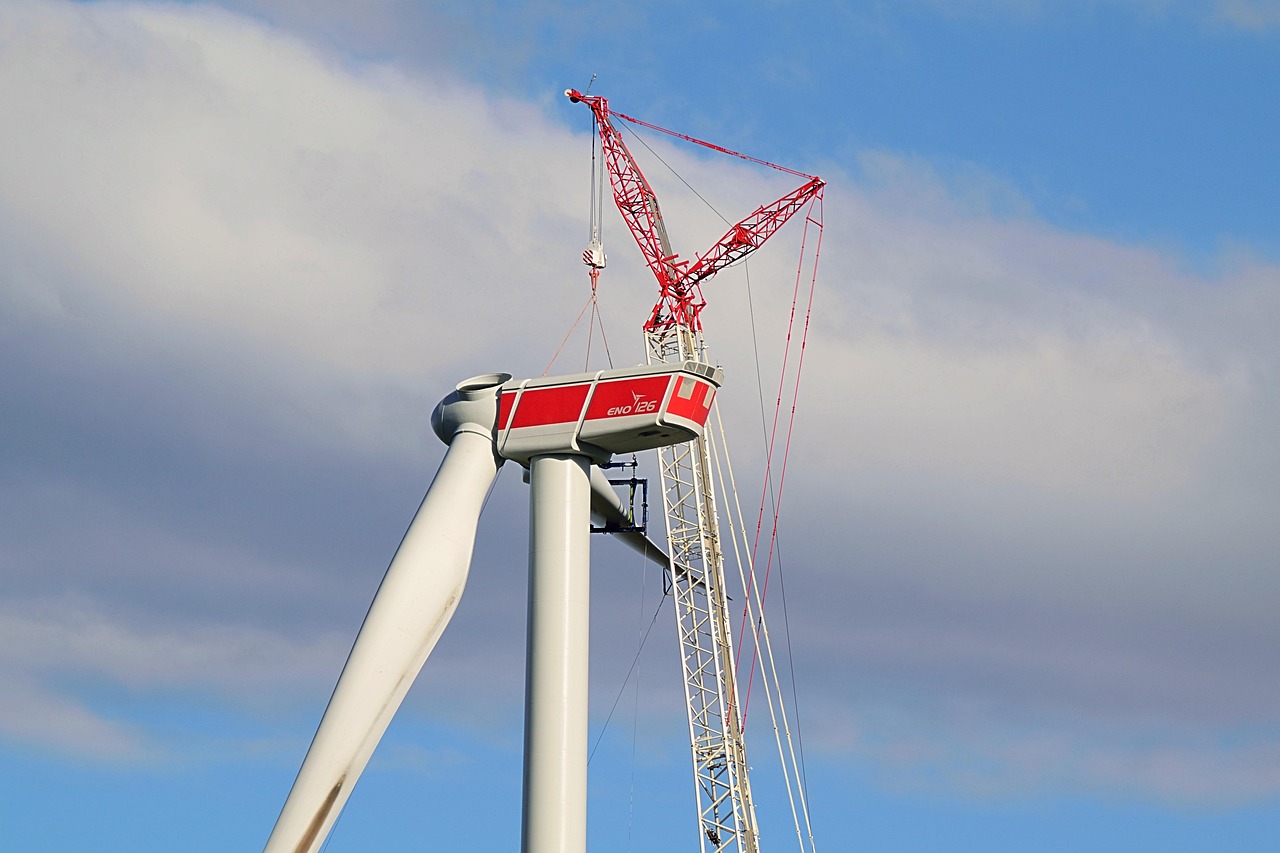
Cost planning should include the turbine kit, tower, foundation, shipping, crane or lift equipment, trenching, wire, batteries or inverter, permitting, utility studies, inspections, maintenance, insurance, and replacement parts. A low-cost kit can become expensive if it requires a custom tower, repeated repairs, or a redesign of the electrical system. A higher upfront cost can be easier to justify when it comes with tested performance, service support, and a tower solution suited to the site.
A practical checklist before choosing a kit
Use this checklist before comparing brands or clicking “buy.” It helps turn a product search into a project evaluation.
- Define the load: List the monthly and seasonal electricity need in kWh, not only peak watts.
- Screen the wind resource: Check regional maps, nearby operating turbines, terrain, and available local measurements.
- Confirm tower feasibility: Verify setbacks, zoning limits, aviation restrictions if relevant, guy-wire space, soil conditions, access, and maintenance clearance.
- Request annual energy estimates: Ask for expected kWh/year at your average wind speed and proposed hub height.
- Check certification: Look for current certification or credible independent test documentation, and understand what is excluded.
- Match the electrical system: Confirm voltage, controller type, battery chemistry, inverter compatibility, grounding, overcurrent protection, and dump-load requirements.
- Plan maintenance: Ask how often bolts, bearings, brakes, blades, guy wires, corrosion, and electrical connections must be inspected.
- Verify support: Confirm warranty terms, spare-part availability, installer experience, and whether the supplier has comparable installations.
- Check economics: Compare total installed cost with expected annual energy, utility rates, incentives, backup fuel savings, and system life.
If any of these items cannot be answered, the next step should be a site assessment or engineering review, not a larger turbine. Small wind rewards careful siting and system design; it punishes guesswork.
Frequently asked questions
Can a small wind turbine kit power a whole house?
It can in some rural or off-grid locations, but only when the wind resource, tower height, turbine size, electrical design, and household demand line up. DOE guidance gives an example of a 1.5 kW turbine meeting a 300 kWh-per-month home in a location with a 14 mph annual average wind speed. That example should not be treated as a universal promise because energy use and wind conditions vary widely.
Are vertical-axis wind turbine kits better for homes?
Not automatically. Vertical-axis designs can be attractive for certain niche applications, but horizontal-axis turbines remain the common small wind choice in much of the market. The better question is whether the specific model has credible energy data, durable construction, certification or testing, and a suitable mounting method for the site.
Can I mount a wind turbine kit on a roof?
Roof mounting is often problematic because buildings create turbulent airflow, vibration paths, noise concerns, and structural questions. A tower in clean wind is usually a more serious approach for meaningful energy production. Any roof-mounted system should be reviewed for structural loads, vibration, electrical safety, and local code requirements.
What is the most important number when comparing kits?
Annual energy output in kWh/year at your wind speed and tower height is more useful than peak wattage. Peak wattage tells you what the turbine may produce at a specific wind speed; annual energy output helps estimate whether the system can actually meet a load or reduce a bill.
Do certified turbines remove the need for permits or engineering?
No. Certification can support confidence in the turbine’s tested performance and safety characteristics, but it does not automatically certify the tower, foundation, full electrical system, zoning compliance, or utility interconnection. Local permitting and professional review may still be required.