

What safe storage of lithium batteries means
Safe storage of lithium batteries means controlling the conditions that can make a battery more likely to overheat, short-circuit, vent gas, ignite or spread fire to nearby materials. For homes, workshops, repair rooms and small facilities, the safest approach is to keep batteries cool and dry, protect terminals from contact, avoid physical damage, separate batteries from combustibles, inspect them regularly and remove damaged or recalled packs from normal storage.
The aim is not to treat every battery as an emergency. It is to recognize that lithium-ion and lithium metal batteries contain high energy in a compact package. U.S. Fire Administration guidance reviewed in 2026, OSHA workplace guidance, PHMSA transport guidance and the 2024 International Fire Code all point to the same basic principle: storage should reduce heat, impact, short-circuit and fire-spread pathways.
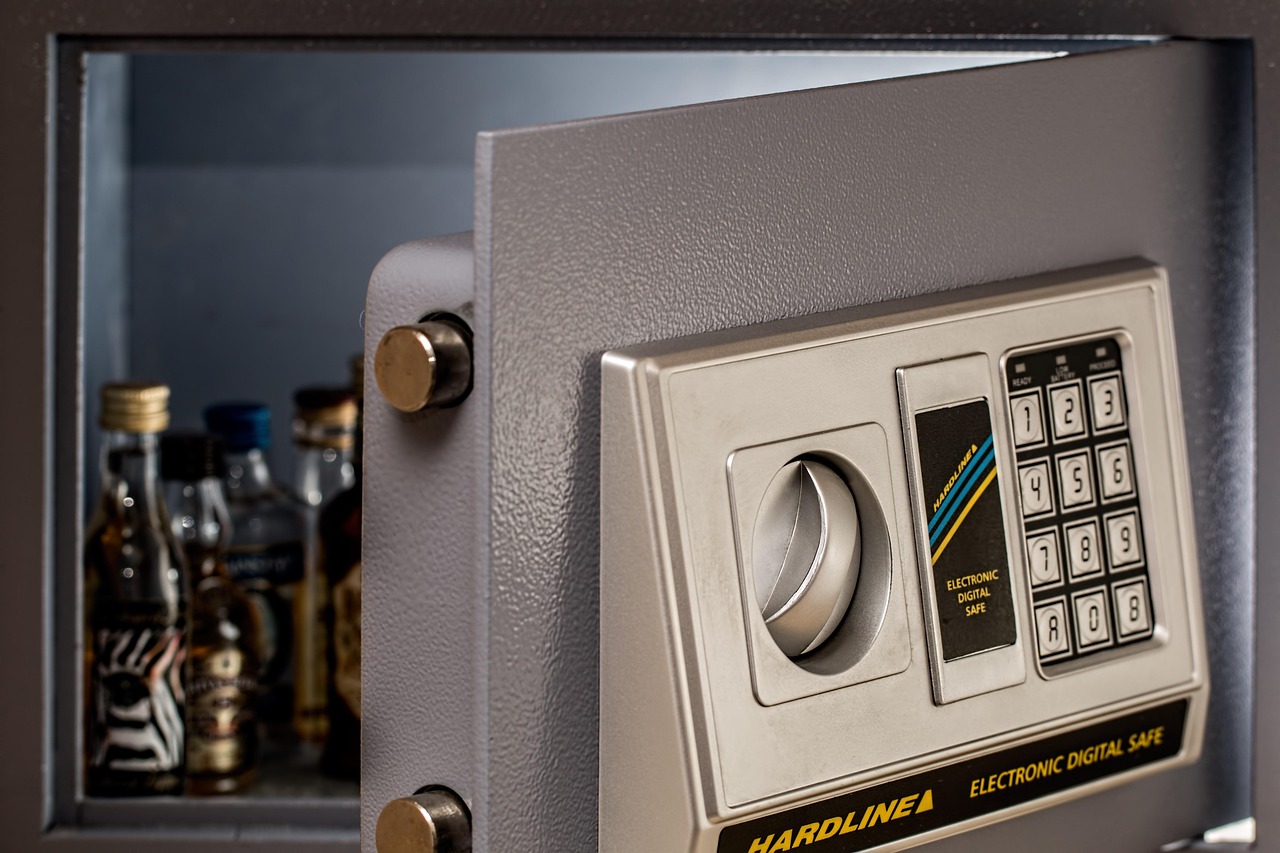
This article focuses on practical storage decisions for loose cells, spare tool batteries, e-bike and scooter packs, consumer electronics, returned batteries and small business inventories. For broader context on battery and energy storage topics, see our Storage section.
Why lithium batteries need a specific storage plan
Lithium batteries are widely used because they provide high energy density with relatively low weight. That same advantage is why they should not be managed like ordinary office supplies. A single defective or abused cell can enter thermal runaway, a failure process in which internal heat generation accelerates and may spread to adjacent cells. Triggers can include external heating, overcharging, crushing, puncture, an internal defect, water damage, poor-quality charging equipment or a short circuit between exposed terminals.
Most lithium-ion batteries operate safely when they are manufactured, certified, charged and stored as intended. Risk rises when batteries are mixed loose in bins, left in hot vehicles, charged near exits, stored at full charge for long periods, stacked under weight, exposed to moisture or kept in service after swelling, leakage, odor, color change or unusual heat appears. Lithium metal batteries, common in some primary non-rechargeable formats, also need separate consideration because they are not the same as rechargeable lithium-ion batteries and can behave differently in a fire.
A storage plan should answer five basic questions: what type of battery is present, how much energy is stored, whether the battery is new, used or damaged, what could ignite nearby, and how quickly people can detect and respond to a problem. A small drawer of certified camera batteries does not need the same engineering controls as a pallet of returned e-bike packs, but both benefit from the same risk-based logic.
A practical storage checklist
The safe storage of lithium batteries starts with basic controls that can be applied before specialized cabinets, alarms or suppression systems are considered.
- Identify the battery type. Separate lithium-ion, lithium metal, lead-acid, nickel-based and alkaline batteries where possible. Do not assume that all rechargeable packs have the same hazards or disposal route.
- Keep batteries cool and dry. Store at room temperature when possible. Avoid direct sunlight, heaters, furnaces, vehicles in summer, damp floors and outdoor areas without weather protection.
- Protect terminals. Keep batteries in original packaging, individual sleeves, fitted cases or separated compartments. Tape exposed terminals on loose cells when appropriate, especially for storage before recycling.
- Avoid physical damage. Do not crush, drop, puncture, stack heavy objects on or loosely toss cells and packs into containers.
- Separate from combustibles. Keep batteries away from cardboard, paper, flammable liquids, cloth, wood dust and packaging waste. USFA safety messaging specifically warns that spare lithium-ion batteries should be stored away from anything that can burn.
- Inspect regularly. Remove batteries showing swelling, cracking, leakage, odor, unusual heat, color change or abnormal noise. Do not return them to the general storage area.
- Use compatible chargers only. Charging is not the same as passive storage. Use chargers supplied by the manufacturer or reputable replacements designed for the battery system.
- Keep exits clear. Do not store or charge e-bikes, scooters, power stations or tool batteries where they block doors, corridors, stairs or fire escapes.
- Label storage areas. In workplaces, label containers and train staff so damaged batteries, returns and end-of-life batteries are not mixed with new inventory.
- Plan disposal and recycling. Do not put lithium-ion batteries in general trash or ordinary recycling bins. Use appropriate battery recycling or hazardous waste channels.
These measures are low-cost, but they address common initiating events: heat, short circuits, impact, incompatible storage and delayed recognition of warning signs.
Storage conditions by setting
The right storage method depends on quantity, energy content, battery condition and occupancy. Many battery safety discussions blur the line between household precautions and warehouse code requirements. The table below separates common situations so the controls match the scale of the risk.
| Setting | Typical batteries | Key storage controls | When to escalate |
|---|---|---|---|
| Home drawer or cabinet | Phone power banks, camera batteries, laptop packs, small tool batteries | Use original cases where possible, avoid heat and moisture, keep terminals separated, inspect before use | If any battery is swollen, hot, leaking or recalled |
| Garage or workshop | Cordless tool packs, yard equipment batteries, portable power stations | Store off the floor, away from fuels and sawdust, avoid temperature extremes, do not charge near exits | If multiple large packs are charged daily or stored near flammable liquids |
| Retail or repair counter | Replacement packs, returns, used electronics, e-bike batteries | Separate new, used and damaged batteries, use noncombustible containers for suspect items, document inspections | If returns include unknown, counterfeit, modified or damaged packs |
| Small warehouse | Cartons of cells, battery-powered equipment, returned inventory | Use defined storage areas, spacing, fire detection, employee training and local fire code review | If stored volume or energy approaches permit, sprinkler or fire safety plan thresholds |
| Stationary energy storage system | Home or commercial ESS cabinets and battery racks | Follow manufacturer instructions, listed equipment requirements and applicable ESS codes such as NFPA 855, UL 9540 and local fire code | Always involve qualified installers, electricians and the local authority having jurisdiction |
This comparison shows why one-size-fits-all instructions are not enough. As more batteries are grouped together, separation, detection, ventilation, fire-rated construction, approved packaging and emergency planning become more important.
Temperature and state of charge matter
Temperature control is one of the most consistent recommendations across public safety and battery research sources. USFA guidance says lithium-ion batteries should be stored at room temperature when possible and should not be placed in direct sunlight or hot cars. It also states that charging should not occur below 32°F or above 105°F. OSHA workplace materials similarly list cool, dry storage and ventilation among practical safety steps.
State of charge is also important, although the right number depends on battery chemistry, product design and manufacturer instructions. For many rechargeable lithium-ion packs, long-term storage at partial charge is generally preferred over storage at 100 percent. Research from national laboratory and academic sources has shown that higher temperature and higher state of charge can accelerate calendar aging. Fire code provisions for larger indoor storage may also treat low state of charge differently. The 2024 International Fire Code includes reduced requirements for certain indoor lithium battery storage areas where state of charge is demonstrated not to exceed 30 percent, subject to approved procedures.
For users, the practical takeaway is straightforward: if a manufacturer specifies a storage charge level, follow it. If the manual is unavailable, avoid deliberately storing rechargeable lithium-ion packs fully charged for months in hot locations. Many tool, mobility and electronics manufacturers recommend a partial charge for long-term storage, but the exact percentage should come from the product documentation when possible.
Charging is a storage risk multiplier
Many fire incidents occur while a device or battery is charging, so any storage plan should treat charging as an active operation. Charging adds electrical energy, creates heat and depends on the charger, battery management system and cell condition working correctly. A battery sitting quietly in a cabinet is not in the same risk condition as a large pack charging overnight on a crowded workbench.
Good charging practice includes using the correct charger, keeping the charger and battery on a stable surface, avoiding soft furnishings or combustible clutter, unplugging batteries that become unusually hot and allowing space around larger packs. E-bikes, scooters and other mobility devices should not be charged where they block exits. In a workplace, charging locations should be reviewed for ventilation, detection, emergency access and electrical load.
For small businesses, a useful rule is to separate storage, charging and damaged-battery quarantine. New batteries can be stored in one area, routine charging can take place in a supervised charging area, and suspect batteries should be isolated in a designated noncombustible location until they can be evaluated or removed through an appropriate disposal route. This separation helps prevent one weak point from compromising the entire inventory. See also: clean energy.
How to handle damaged, defective, recalled or end-of-life batteries
Damaged, defective and recalled batteries deserve special treatment because they have a higher likelihood of short-circuiting, releasing heat or causing a fire. PHMSA guidance for transport emphasizes that these batteries are different from ordinary undamaged batteries. Even when the immediate concern is storage rather than shipping, the same hazard logic applies.
Stop using and isolate a battery if it is swollen, cracked, leaking, corroded, smoking, making unusual sounds, producing odor, discolored or hotter than expected. If it is safe to do so, disconnect it from the device and move it away from people, exits and combustibles. Do not place suspect batteries in a desk drawer, cardboard box, trash can or ordinary recycling bin. Use a noncombustible container or an approved battery collection container, follow the manufacturer or recycler instructions and contact local authorities or waste handlers for high-energy packs.
Flood-exposed batteries also require caution. Water intrusion can damage protective electronics, create corrosion and lead to delayed failure. If a battery-powered device has been submerged or heavily wetted, do not assume it is safe after the exterior dries. Store it away from combustibles and seek manufacturer, fire department or qualified disposal guidance.
Codes and standards to know
Battery storage rules are developing quickly because lithium batteries now appear in homes, warehouses, delivery fleets, repair shops and grid-scale storage projects. The applicable requirements depend on jurisdiction, occupancy, battery quantity and use. In the United States, OSHA notes that there is no single OSHA standard dedicated only to lithium-ion batteries, but general workplace safety, hazard communication and emergency response obligations may still apply.
The 2024 International Fire Code added a dedicated framework for lithium-ion and lithium metal battery storage. It addresses fire safety plans, limited indoor container storage, larger indoor storage areas, outdoor separation and protection features such as sprinklers, detection and explosion control where required. Local adoption varies, so a facility should not assume the latest model code is automatically enforceable in its city or state. The local authority having jurisdiction remains the practical decision-maker.
For stationary energy storage systems, the code conversation changes. A battery energy storage system is not just loose battery storage. It may involve power conversion equipment, controls, enclosures, battery management systems, fire detection and installation rules. UL 9540 covers energy storage systems and equipment, while UL 9540A is a test method used to evaluate thermal runaway fire propagation characteristics. NFPA 855 addresses installation of stationary energy storage systems and is often referenced in fire code discussions. These standards should be handled by qualified designers, installers and code professionals, not treated as a checklist for casual battery storage.
Frequently asked questions
What is the safest place to store lithium batteries at home?
A cool, dry indoor location away from direct sunlight, heaters and combustible clutter is usually appropriate for ordinary consumer batteries. Use original packaging or individual cases when available, keep terminals from touching metal objects and avoid storing batteries in hot cars or damp garages.
Should lithium batteries be stored fully charged?
For long-term storage, many rechargeable lithium-ion products are better kept at partial charge, but the correct level depends on the manufacturer and battery type. Follow the product manual first. If no guidance is available, avoid leaving rechargeable packs fully charged for months in high temperatures.
Can lithium batteries be stored together in one box?
Small, undamaged batteries may be stored together only if terminals are protected and the batteries cannot move, crush one another or short-circuit. Loose cells thrown into a metal or cluttered container are poor practice. Separate damaged, recalled or unknown batteries from normal storage.
Do lithium battery fires need a special extinguisher?
It depends on the battery type and incident size. Lithium-ion battery fires can involve burning plastics, electrolyte and energized cells, while lithium metal batteries behave differently. For small workplaces, extinguisher selection and emergency procedures should be reviewed with fire protection professionals and local responders. For large packs or rapidly growing fires, evacuation and emergency response are more important than attempting unsafe suppression.
When does small storage become a code issue?
It becomes a code issue when the quantity, battery condition, occupancy or storage arrangement creates a regulated hazard. Model fire codes include thresholds and exceptions, but local adoption varies. Businesses storing significant quantities of lithium-ion or lithium metal batteries should consult the local fire code official before expanding storage.
The bottom line
The safe storage of lithium batteries is built on risk reduction, not fear. Keep batteries cool and dry, prevent short circuits, avoid impact, separate them from combustibles, follow charging instructions, inspect for warning signs and isolate damaged or recalled batteries. As quantities grow, move from household precautions to workplace controls, fire code review and qualified fire protection input. That progression is the most reliable way to match storage practice to the real hazard.