
Why Are Clean Energy Technologies Moving from Niche to Mainstream?
Clean energy technologies are not sitting on the side of energy planning anymore. If you follow clean energy markets, you can see the change in power plants, factories, vehicle fleets, and warehouse roofs. The reason is not hard to understand: buyers want lower power costs, less fuel price risk, cleaner supply chains, and equipment that can be built in repeatable blocks. Some projects still take time because grid work and permits are not simple, but the market direction is already clear.
Record Renewable Capacity Growth
The International Renewable Energy Agency reported in Renewable Capacity Statistics 2026 that renewable power added 692 GW in 2025, the largest annual increase on record. Renewables also made up 85.6% of annual global power capacity additions and reached 49% of installed global power capacity by the end of 2025. For buyers and suppliers, this is no longer a small trial market. It is now a large part of new power investment.
Investment Is Following Real Demand
The International Energy Agency’s World Energy Investment 2025 report said global energy investment was set to reach USD 3.3 trillion in 2025. Clean technologies, including renewables, nuclear, grids, storage, efficiency, and electrification, were on course for USD 2.2 trillion. Fossil fuel investment was estimated at USD 1.1 trillion. Capital is going to the areas where buyers see longer service life and more stable value.
Electricity Is Becoming the Main Energy Carrier
More equipment now runs on electricity, including cars, heat pumps, forklifts, cooling systems, and data equipment. Ember’s Global Electricity Review 2025 found that low-carbon power, including renewables and nuclear, supplied 40.9% of global electricity in 2024. This number gives the market background. Clean power is not only about building more power plants; it is changing how factories, buildings, and transport use energy.
Which Clean Energy Technologies Are Leading the Market?
The main clean energy technologies are not all at the same stage. Solar PV and batteries are moving quickly because they are modular and easier to scale. Wind power is still important for large power supply. Electric vehicles, heat pumps, hydrogen, and smart grids each solve different problems. The right choice depends on roof or land space, load profile, local rules, and the level of price risk you can accept.
Solar PV Is the Clear Front Runner
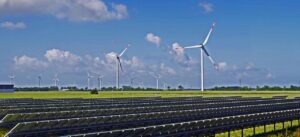
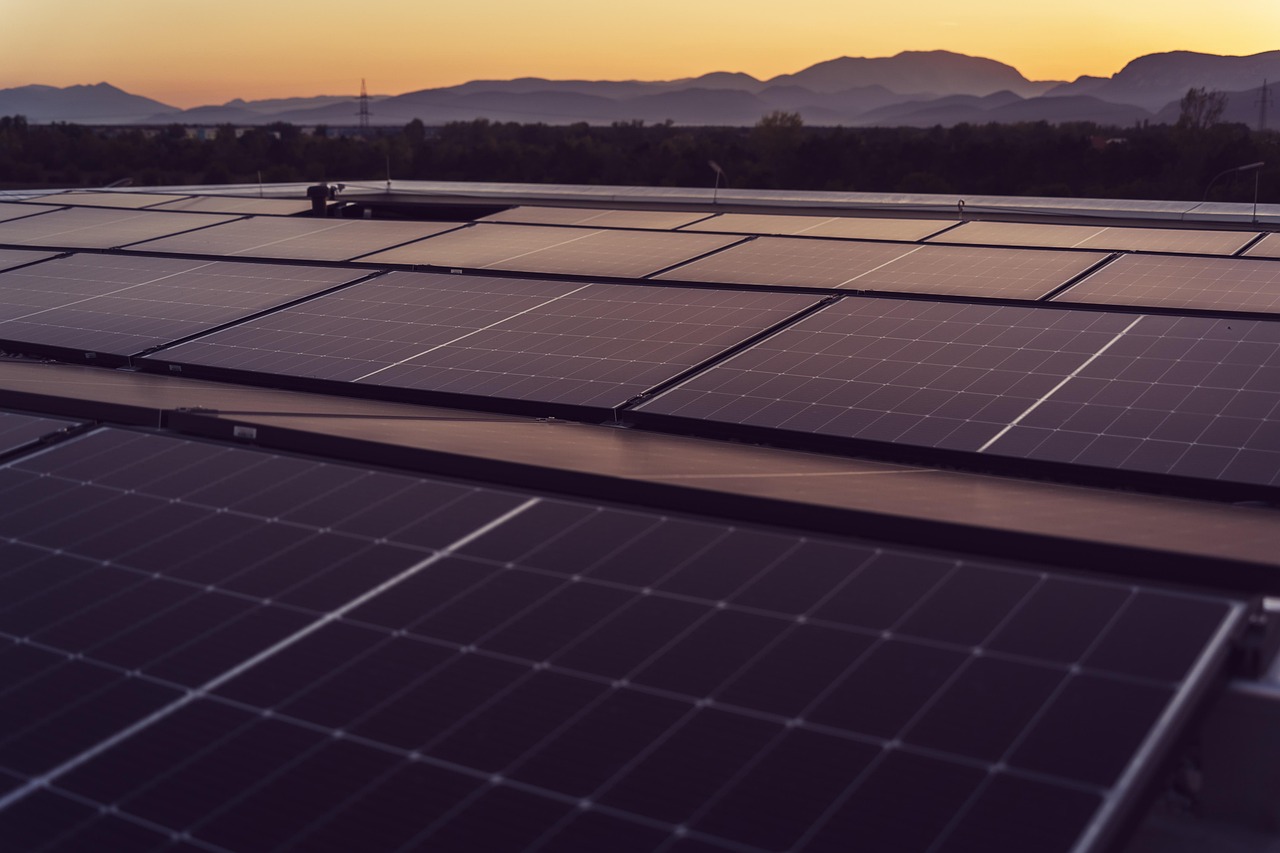
Solar PV is leading new capacity growth. IRENA’s 2026 statistics show that solar power added a record 510 GW in 2025, nearly three-quarters of all renewable additions that year. The IEA’s Renewables 2025 report also expects solar PV to account for almost 80% of global renewable capacity growth from 2025 to 2030. For many factories and commercial sites, solar is usually the first clean energy technology to quote and compare.
Wind Power Is the Heavy Lifter
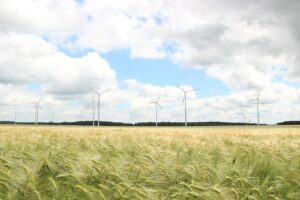
Wind power fits projects that need large output and good night-time or seasonal generation. IRENA reported 159 GW of wind additions in 2025. The IEA expects global wind capacity to nearly double to over 2,000 GW by 2030, although permitting delays, supply chain pressure, and higher offshore costs are still real issues. Wind can produce a lot of power, but project planning normally needs more time and patience.
Batteries Add the Flexibility Layer
Batteries make variable power easier to use. They can move solar output from noon to evening, smooth short grid events, and reduce demand charges in some markets. The IEA’s Global Critical Minerals Outlook 2026 said global battery demand grew by more than 35% in 2025 and passed 1.5 TWh. That growth comes from both electric vehicles and stationary storage, so buyers need to watch supply, pricing, and warranty terms closely.
How Do These Technologies Change Project Economics?
Clean energy economics are different from fuel-based systems. In many cases, you spend more at the start and then reduce fuel or power costs over time. That makes project quality, financing, warranties, and site modeling very important. A low-price offer can turn expensive if the roof is weak, the grid connection is late, or the battery size does not match the real load. Small engineering details matter, even ordinary items like cable routes and meter locations.
Lower Fuel Price Exposure
Solar, wind, and batteries do not remove every cost, but they lower exposure to fuel price swings. Once a solar plant is installed, sunlight does not send a monthly invoice. For factories quoting goods months ahead, this matters in daily business. More stable power costs can make export pricing easier to manage, especially when local electricity prices change fast.
Faster Modular Deployment
Many clean energy systems are built in blocks. A rooftop solar array can start at 300 kW and later grow to 1 MW if the roof and transformer allow it. Battery cabinets can also be added in stages. This kind of setup helps a company match capital spending with business growth instead of using the full budget on day one.
Stronger Buyer and Brand Confidence
Large customers are asking more suppliers about electricity sources, carbon reporting, and factory efficiency. Clean energy technologies can help answer those questions, but the data must be measured in the right way. A solar system without a proper meter is only hardware. A system with production records, invoices, and maintenance logs gives buyers something they can check during audits.
Which Applications Matter Most for Industrial Buyers?
Industrial buyers usually care more about uptime, payback, and service than broad energy slogans. The best applications fix a clear operating problem, such as high daytime power bills, backup needs, diesel use, fleet charging, or heat demand. Start with the pain point, then choose the technology. It sounds simple, but many weak projects start with equipment first and real load data second.
Factory Rooftop Solar and Storage
Factory rooftop solar is often the easiest starting point. A warehouse, food plant, or assembly workshop may have steady daytime demand that matches solar output. A battery makes more sense when evening peaks, power quality issues, or backup needs support the extra cost. For example, a plant running two daytime shifts may use most of its solar power directly with little export.
Clean Heat and Process Efficiency
Heat is harder to handle than electricity, but it is too large to ignore. Heat pumps can serve low and medium temperature needs such as hot water, drying, and space heating. The IEA’s Renewables 2025 analysis noted that global heat pump sales declined slightly in 2024, so the market is not moving in a straight line. Even so, the technology still fits many buildings and light industrial sites where temperature needs are suitable.
Electric Mobility and Charging Infrastructure
Electric vehicles are now a major clean energy technology, not just a consumer topic. The IEA’s Global EV Outlook 2026 said electric car sales passed 20 million in 2025, growing about 20% from 2024. For industrial sites, charging is the practical issue. Forklifts, delivery vans, and staff cars can push up peak demand if charging is not scheduled and managed properly. See also: EVs.
What Risks Should You Check Before Choosing a System?
No clean energy project is free of risk. The better point is that many risks can be checked before signing. Ask for site data, grid rules, equipment certificates, warranty terms, and a realistic generation model. Be careful with any proposal that promises perfect payback but does not show the assumptions. Real projects deal with dust, shade, rain, tariffs, shutdowns, and maintenance days.
Grid Connection and Permitting Delays
Grid access can decide whether a project starts this quarter or slips into next year. The IEA’s Renewables 2025 report warns that grid integration, permitting, and financing challenges are rising as renewable deployment grows. Before placing an order, ask who handles the interconnection application and what export limits apply. Also check whether the existing transformer has enough spare capacity for the planned system.
Supply Chain Concentration
Supply chains are still concentrated for several technologies. The IEA’s Energy Technology Perspectives 2026 report lists solar PV modules, wind turbines, batteries, heat pumps, electrolysers, and electric vehicles as key clean energy technologies, while also warning that supply chain diversity may not change much before 2030. For buyers, supplier checks are not just paperwork. They are part of risk control, especially when spare parts, delivery time, and warranty support affect production.
Performance Data and Site Conditions
A solar panel tested in a lab is not the same as a panel installed on a dusty roof near a busy road. A battery rating on a datasheet may also look different under heavy cycling in hot weather. Ask for local yield estimates, temperature assumptions, degradation rates, and maintenance plans. In actual projects, practical engineering is more useful than a polished brochure.
How Should You Compare Clean Energy Technologies for Your Project?
A fair comparison needs the same baseline. Compare technologies using the same tariff, operating hours, financing cost, and service life. If one proposal assumes high electricity inflation and another does not, the payback result will not be reliable. Keep the model simple enough for the plant manager, finance team, and equipment supplier to review together.
Start With the Load Profile
Your load profile is the starting point. A site with daytime loads may suit solar first. A site with sharp evening peaks may need batteries, while a fleet yard may need managed charging. If you do not have 15-minute interval data, collect it before buying. One month is useful, but a full year is better because seasons can change the answer.
Match Technology to Local Rules
Local rules can change project value quickly. Net metering, export limits, demand charges, tax credits, and safety codes all affect the final choice. In some markets, exported solar power is paid at a low rate, so self-consumption matters most. In other markets, grid services can help batteries earn extra revenue, so the rulebook matters as much as the equipment.
Use a Clear Procurement Checklist
A useful checklist should include equipment certifications, warranty length, inverter and battery compatibility, monitoring access, spare parts, installer experience, insurance terms, and after-sales response time. If the supplier cannot explain maintenance in plain language, slow down and ask again. Good technology should come with clear service terms. A nice product photo is not enough for an industrial project.
FAQ
Q1: What Are Clean Energy Technologies? A: Clean energy technologies are systems that produce, store, move, or use energy with lower emissions than conventional fossil fuel options. Common examples include solar PV, wind turbines, batteries, EV charging, heat pumps, smart grids, green hydrogen equipment, and efficiency systems.
Q2: Which Clean Energy Technology Has the Fastest Growth? A: Solar PV is the fastest-growing major power technology by new capacity. IRENA reported 510 GW of solar additions in 2025, and the IEA expects solar PV to supply almost 80% of renewable capacity growth from 2025 to 2030.
Q3: Are Batteries Necessary for Every Solar Project? A: No. If your daytime load is high and the grid is stable, solar alone may work well. Batteries become more useful when you have evening peaks, backup needs, weak grid conditions, or tariff rules that reward shifting electricity use.
Q4: How Can You Avoid a Poor Clean Energy Purchase? A: Start with real site data, not guesses. Check load profiles, roof strength, grid limits, equipment certificates, warranty terms, and installer references. Ask suppliers to show the assumptions behind savings, payback, and annual output.
Q5: Will Clean Energy Technologies Replace Fossil Fuels Soon? A: They are growing quickly, but replacement is uneven by region and sector. Power generation is moving fastest, while heavy industry, shipping, aviation, and high-temperature heat still need more time, better infrastructure, and stronger commercial cases.