
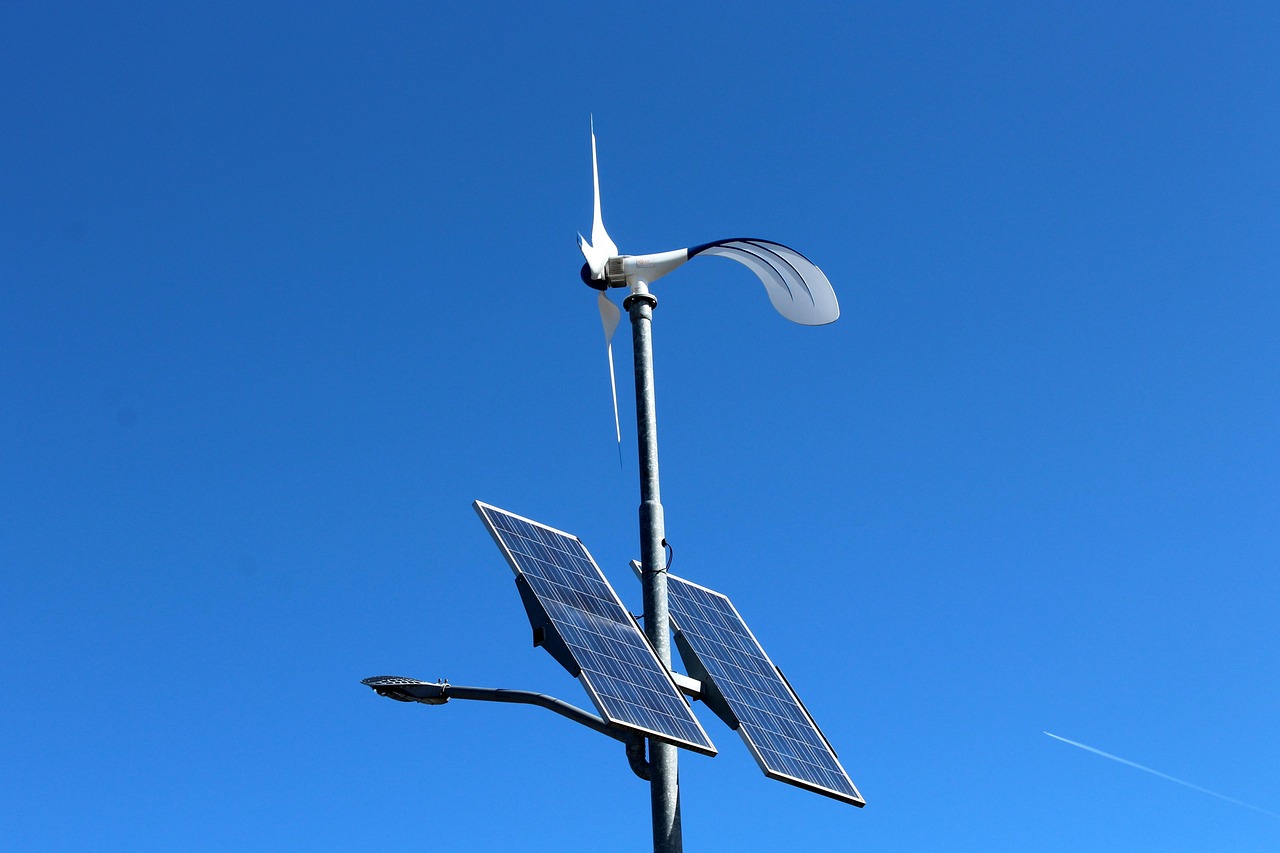

Why Does Solar Array Battery Storage Matter in 2026?
If you are checking products in the Storage category, solar array battery storage is no longer something only a few special projects use. It is now a normal part of solar design for homes, factories, farms, offices, and remote sites that want cleaner power and fewer problems from the grid.
The market numbers point in the same direction. The U.S. Energy Information Administration reported on February 20, 2026, that U.S. developers planned to add 86 GW of utility-scale generating capacity in 2026, with solar at 51% of planned additions and battery storage at 28%. This does not mean every project must buy a battery right away, but it does show where energy investment is going.
Solar Growth Is Changing Daily Power Flows
Solar panels make the most power when sunlight is strong, usually around midday. Many buildings, however, use more electricity in the late afternoon, in the evening, or during production peaks. This time gap can reduce the value of the solar power you produce. Without storage, extra solar power may be exported at a low rate, curtailed, or used at the wrong time for your load.
Batteries Turn Midday Output into Evening Value
A battery stores extra solar energy and sends it out later. In a warehouse, this may mean charging forklifts after sunset with solar energy collected at noon. In a villa, it may mean running lights, air conditioning, Wi-Fi, and refrigeration through the evening. It is not a trick or a new idea. It is time shifting, and for many sites it is very useful.
Storage Adds Resilience When the Grid Gets Messy
Grid outages, voltage dips, and peak price periods are easier to handle when a battery is included in the system. The International Energy Agency, in its Electricity 2026 analysis, stated that global utility-scale battery additions reached about 63 GW in 2024 and that project costs fell by around 40% in 2024 to roughly USD 150 per kWh. Lower cost is one reason buyers now ask about storage at the design stage, not only after the solar array is already installed.
How Does a Solar Array Battery Storage System Work?
A good solar storage system has one clear job: move clean energy to the time when you need it. The equipment behind that job still has to be matched correctly. Panels, inverters, batteries, protection devices, software, cables, and meters all affect the result. One poor part can make the whole system hard to use, especially during cloudy weeks or heavy-load days.
PV Modules Create Direct Current
Solar modules create direct current electricity. The output changes with sun angle, shade, temperature, dust, and module quality. For example, a rooftop array may perform well at 10 a.m., then lose power at 3 p.m. because a nearby wall casts a small shadow. Battery sizing should include these site conditions, not only the nameplate wattage printed on a datasheet.
Inverters Manage Power Conversion
The inverter changes DC power into AC power for building loads or grid export. In a hybrid system, the inverter also manages battery charge and discharge. For larger commercial projects, designers may use AC-coupled or DC-coupled layouts. DC coupling is common in new solar-plus-storage projects because it can cut some conversion losses and share part of the electrical equipment.
Battery Management Systems Protect the Cells
The battery management system checks voltage, current, temperature, and state of charge. This control layer is not very visible, but it is important. It helps prevent overcharge, deep discharge, overheating, and cell imbalance. When you compare products, the battery cell brand will get attention, but the control system, enclosure design, and protection logic need the same level of checking.
What Size Battery Should You Pair with a Solar Array?
Battery sizing should start with the load, not with a random kWh figure. A small home, a telecom base station, and a food processing plant all need different storage behavior. If a supplier offers the same standard package for every project, take a step back. A useful proposal should include daily consumption, peak load, solar generation, backup hours, and tariff rules.
Load Profile before Battery Capacity
Your load profile shows when electricity is used. A building that runs machines from 8 a.m. to 5 p.m. may need less storage than a site with evening cooling loads. For a home, check essential loads first: refrigerator, lights, router, water pump, medical device, and a few outlets. For a factory, check motors, compressors, welders, and start-up current. These details decide whether the system runs smoothly or feels underpowered.
Four Hour Storage for Many Commercial Sites
Four-hour storage is a common reference point in utility and commercial planning. The National Renewable Energy Laboratory’s 2025 utility-scale battery cost projection work focuses on 4-hour lithium-ion systems, which shows how often this duration appears in grid planning. Still, four hours is not a fixed rule. Some sites need only two hours for peak shaving, while others need six, eight, or more for backup.
Expandable Design for Future Loads
Think about future loads before the first cabinet is delivered. EV chargers, heat pumps, new production lines, and extra air conditioning can change the required battery size quite quickly. A modular battery cabinet lets you add capacity later if the inverter, switchgear, floor space, and ventilation were planned from the start. A cheap fixed system may cost more in the end when expansion becomes necessary.
Is Solar Array Battery Storage Worth the Cost?
The direct answer is that it depends on the tariff, site load, backup need, and system cost. Storage can pay back faster in places with high demand charges or time-of-use rates. It may pay back more slowly where grid power is cheap and stable. That is not a problem by itself, but the financial case should be calculated, not guessed.
Peak Demand Reduction
Commercial power bills often include demand charges based on the highest short period of use during the billing cycle. A battery can discharge during those peaks and lower the billed maximum demand. This is simple bill math, but it can save real money. A supermarket with refrigeration and HVAC peaks, for example, may gain more than a small office with a flat load.
Time of Use Savings
When electricity costs more in the evening, a battery can charge from solar during the day and discharge later. SEIA and Wood Mackenzie’s Solar Market Insight, published June 10, 2026, reported that solar and battery storage together accounted for 91% of new U.S. electricity-generating capacity added in Q1 2026. The market is moving this way because flexible energy is worth more than simple daytime production. For buyers, the key point is whether the local tariff gives enough value for that shift.
Incentives and Long Service Life
Financial incentives can shorten payback, but they change by country, state, utility, and project type. Do not build the whole case on one policy line unless it is confirmed in writing. Also check cycle life, usable capacity, degradation, and warranty terms. NREL’s 2025 cost projection report gives 2035 utility-scale storage cost projections of USD 152, 247, and 349 per kWh for low, mid, and high cases, showing that cost outlooks still vary a lot. A careful buyer treats payback as a range, not as one perfect number. See also: clean energy.
Which Battery Chemistry Fits Solar Storage Best?
Most modern solar storage systems use lithium-ion batteries, but not all lithium batteries are built the same way. Chemistry affects cost, safety behavior, energy density, cycle life, and temperature tolerance. For stationary storage, the better choice is usually the one that gives stable performance, clear safety design, and available service support. A good datasheet matters more than a fancy brochure.
Lithium Iron Phosphate for Stationary Projects
Lithium iron phosphate, often called LFP, is widely used in stationary battery systems because it offers good cycle life and a more stable thermal profile than many high-energy chemistries. NREL’s 2024 residential battery storage documentation notes that LFP has become the primary stationary storage chemistry since 2021. For homes and commercial cabinets, this trend is easy to understand. The system does not need to be the smallest one on the market if it is safer and lasts longer.
Nickel Manganese Cobalt in Space Limited Uses
Nickel manganese cobalt, or NMC, has higher energy density, so it may fit projects where space or weight is tight. Even so, many stationary buyers now accept larger cabinets in exchange for LFP’s comfort factor and long cycling behavior. If the system sits beside a school, shop, or apartment block, safety paperwork and installation distance matter as much as compact size. This is where local code and site layout should guide the decision.
Safety Ratings and Thermal Controls
Ask for test reports, battery enclosure ratings, fire protection design, and compliance with local electrical code. Useful standards may include UL 9540, UL 9540A test data, IEC standards, and local fire code requirements, depending on the market. Also ask one simple question: what happens if one module gets too hot? The answer should be clear and technical, not just a sales reply.
What Should Buyers Check before Ordering a System?
A solar storage system is a long-term electrical asset. You are not only buying cells inside a metal box. You are buying design, controls, after-sales service, spare parts, and documentation. A reliable supplier will ask many questions before quoting. If nobody asks about your load curve, backup priority, or installation environment, the quote is probably too thin.
Site Survey and Electrical Room Conditions
Check available floor area, wall strength, cable distance, ambient temperature, humidity, dust, ventilation, and maintenance access. Outdoor cabinets need weather protection and anti-corrosion design. Indoor systems need clearances and safe service space. A battery that looks neat in a catalog may still be difficult to install in a narrow utility room.
Warranty Terms and Real Cycle Life
Read the warranty slowly. Look for usable capacity, years, cycle count, depth of discharge, allowed temperature range, and throughput limits. Some warranties sound long but cover less energy than expected. A practical checklist should include:
- Rated capacity and usable capacity in kWh
- Continuous and peak power output in kW
- Round-trip efficiency and standby consumption
- Battery chemistry, cell grade, and safety test records
- Monitoring access, alarm records, and remote service options
Supplier Support after Commissioning
Commissioning is not the end of the job. Firmware updates, alarm handling, spare modules, inverter settings, and user training all affect daily operation. For export buyers, check language support, documentation quality, packaging, and shipping protection. A small issue like unclear labeling can hold back a site crew for hours, and nobody wants to pay electricians to guess.
FAQ
Q1: Is solar array battery storage only for off-grid sites? A: No. It is used for grid-tied homes, commercial buildings, factories, farms, telecom sites, and microgrids. Off-grid projects need storage, but grid-connected sites also use batteries for backup, peak shaving, and time-of-use savings.
Q2: How many kWh of battery storage do you need? A: Start with your essential loads and backup hours. For example, a 2 kW critical load that must run for 5 hours needs at least 10 kWh of usable energy, plus extra margin for battery limits and losses.
Q3: Can you add a battery to an existing solar array? A: Often yes, but the design depends on the existing inverter, wiring, permits, space, and grid rules. Some sites use an AC-coupled battery because it can be added with fewer changes to the solar side.
Q4: Is LFP better than NMC for solar storage? A: For many stationary systems, LFP is preferred because of its cycle life and safety profile. NMC can still fit space-limited projects. The better choice depends on application, code rules, supplier design, and service support.
Q5: What is the biggest mistake when buying solar battery storage? A: The biggest mistake is choosing capacity by price alone. A low-cost battery that cannot meet peak power, handle the local temperature, or get service quickly may cost more over its working life.