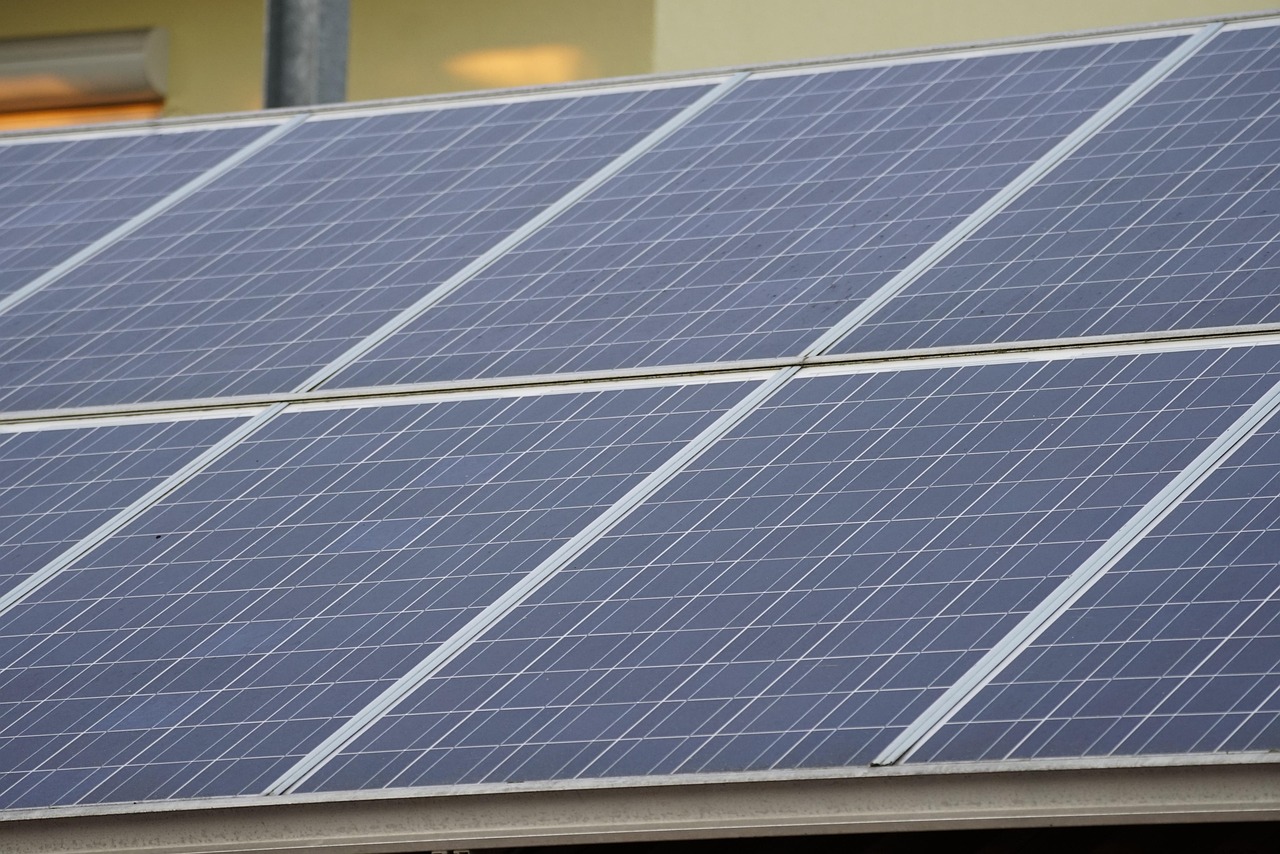

Why Does the Right Solar Module Matter for Your Project?
A solar module is more than a panel fixed on a roof or mounted on a rack. It is the part of the PV system that makes power, so its quality affects output, payback time, service work, and safety for many years. In export orders, the choice also changes shipping cost, customs documents, product certification, and after-sales risk. A low-price module may look fine on a quote, but it can lose value quickly if power tolerance is weak, packaging is poor, or the warranty is hard to use.
Market data also explains why buyers now check modules more carefully. IEA PVPS reported in its 2026 Snapshot of Global PV Markets that at least 608 GW of new PV capacity was installed in 2025, and global cumulative PV capacity passed 2.8 TW by the end of 2025. With this scale, there are more suppliers, more product types, and more difference in quality. For buyers, the main point is clear: compare modules with the same set of checks, not only with the lowest unit price.
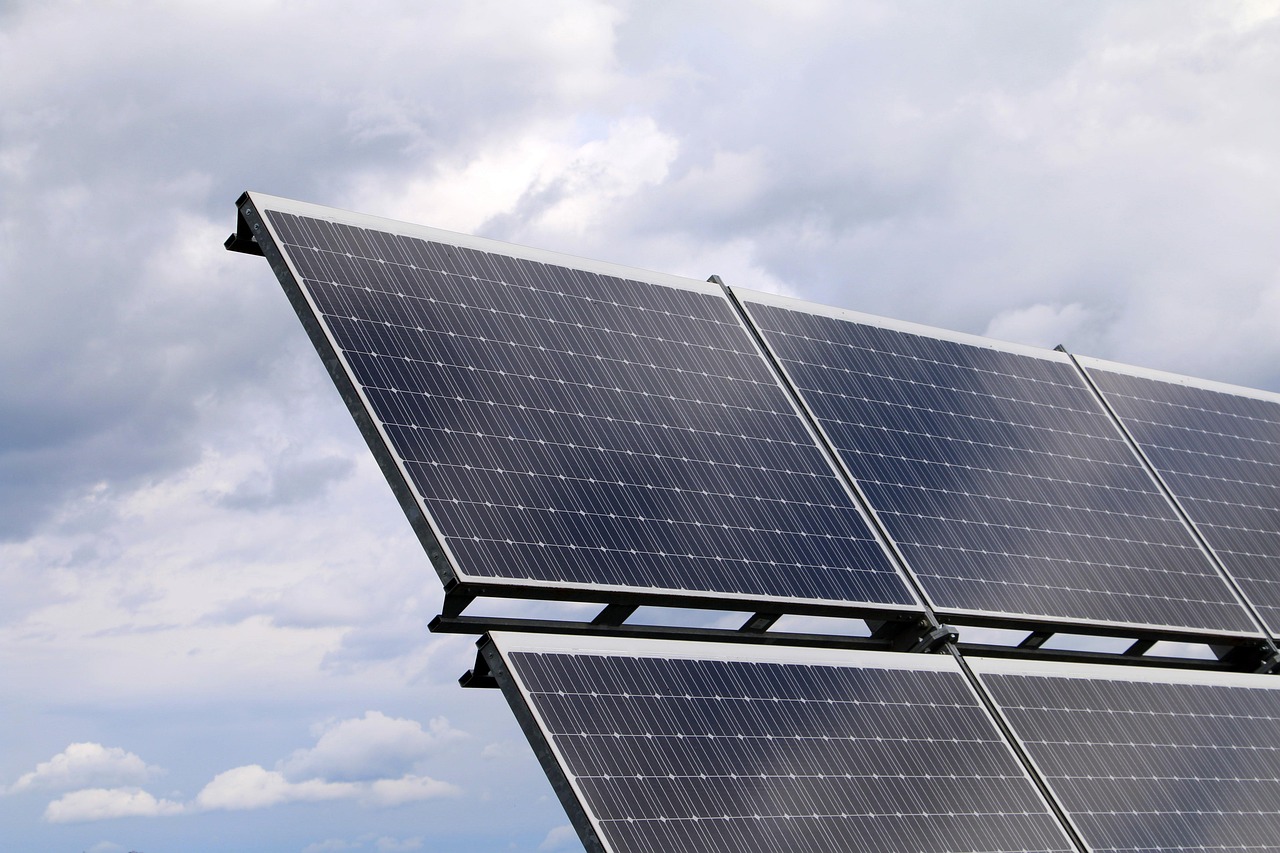
Power Output Sets the Financial Baseline
Module wattage gives the first picture of system size. A 585 W module and a 450 W module can both be suitable products, but they change the number of pieces, mounting clamps, cables, cartons, and labor hours. For a 100 kW rooftop system, higher-wattage modules may reduce module count and make installation easier when roof space is limited. Even so, wattage is only one part of the review. You still need to check module size, current, voltage, and inverter matching before confirming the model.
Durability Shapes the Real Lifetime Value
Most PV projects are planned for 25 to 30 years, which is a long working life for glass, frames, cells, backsheets, junction boxes, and connectors. During that time, the module has to deal with heat, UV, humidity, wind, salt mist, and dust. NREL’s widely cited review of photovoltaic degradation rates, published in 2012, found a median degradation value of about 0.5% per year across nearly 2,000 reported rates. More recent NREL PV fleet work has reported a U.S. fleet median performance loss around 0.75% per year. These figures do not mean every module performs the same, but they show why a small yearly loss becomes important over the full service life.
Bankability Reduces Procurement Risk
For trade buyers, bankability is not just a sales word. It means the supplier can keep production stable, use steady materials, provide certificates, issue warranty documents, and meet delivery dates. If you buy modules for a distributor network, EPC project, or government tender, missing certificates can hold up the full order. Before signing, ask for the datasheet, IEC certificates, warranty files, EL test rules, packaging method, and recent production photos. This is normal buying work, not an unusual request.
Which Solar Module Specifications Should You Read First?
A module datasheet can look crowded, especially when each model name carries numbers, letters, and cell format codes. Start with the items that affect system design and power yield. If these values are wrong, the project may run into inverter mismatch, poor string design, or extra mounting cost. Once you know where to look, a basic spec review only takes a few minutes.
Rated Power and Power Tolerance
Rated power is tested under Standard Test Conditions, normally 1,000 W/m² irradiance, AM 1.5 spectrum, and 25°C cell temperature. On site, modules usually run hotter, and sunlight changes during the day. A positive power tolerance, such as 0 to +5 W, means the delivered module should not be below the nameplate rating under test conditions. This looks like a small line on the datasheet, but buyers handling container orders care about it because small gaps add up over thousands of pieces.
Module Efficiency and Area Use
Efficiency shows how much sunlight the module can turn into electricity in a fixed area. Higher efficiency is useful on commercial roofs, carports, telecom sites, and residential roofs with vents, pipes, or shade zones. For ground-mounted projects with low land cost, module price and logistics may matter more than top efficiency. Do not judge efficiency as a stand-alone number. Match it with the real limit on the site.
Temperature Coefficient and Hot Climate Output
PV modules lose some output when cell temperature rises. The temperature coefficient of Pmax shows how much power drops for each degree above the test point. In hot markets such as the Middle East, Southeast Asia, parts of Africa, and the southern United States, this value should be checked carefully. A slightly better temperature coefficient can help protect summer output, and summer is often the time when power demand is high.
How Do Different Solar Module Technologies Compare?
The market has moved from older full-cell designs to half-cut cells, multi-busbar layouts, TOPCon, HJT, and bifacial modules. The right choice depends on site design, target budget, and how much product risk the buyer can accept. Newer technology may bring higher output, but the module still needs good factory control. A new cell name does not replace proper lamination, stable soldering, and full testing.
Monocrystalline PERC as a Mature Choice
Monocrystalline PERC modules became popular because they offered workable efficiency, steady supply, and wide project acceptance. They are still used in many price-sensitive markets. If you need a familiar product for small commercial systems or distribution sales, PERC can still be a practical choice. The point is to compare current price and supply, because many factories have moved more capacity to n-type technology.
TOPCon for Higher Mainstream Efficiency
TOPCon modules are now common in large export orders because they usually offer higher efficiency and better bifacial potential than many older p-type products. For projects with limited roof area or high labor cost, using fewer modules for the same system capacity can be useful. Even then, you need to check the electrical parameters, especially current. Some high-power modules need more careful inverter selection, so do not confirm the order only by wattage.
Bifacial Modules for Reflective Sites
Bifacial modules can collect light from both the front side and the rear side. They often work well on white roofs, light-colored ground, elevated mounting structures, snow areas, and utility projects with enough row spacing. The extra gain depends on the site. A dark roof with little rear light may not give much extra energy. For that reason, judge bifacial value with layout, ground reflectance, and mounting height, not only with brochure numbers.
What Quality Tests Help You Avoid Hidden Problems?
Many module defects are hard to see by eye. The frame may look clean, the glass may look smooth, and the label may look correct, but internal cracks or weak soldering can still reduce output. Factory testing and shipment checks are worth confirming before payment. This is more important when modules move by sea, sit in warehouses, and then move again by truck.
EL Testing Before and After Production
Electroluminescence testing helps show microcracks, inactive cell areas, and soldering defects. For serious procurement, ask for EL images or a clear inspection plan during production. Some buyers also arrange pre-shipment third-party inspection and random carton checks. It adds some cost, but it is usually cheaper than arguing about cracked cells after the container reaches the jobsite.
Mechanical Load and Hail Resistance Checks
Modules must handle wind, snow, and stress during installation. Datasheets usually list front and rear mechanical load ratings, and these numbers matter in snowy regions, coastal wind areas, and high-rise rooftop projects. Hail resistance is another item worth checking. If the project is in a storm-prone region, ask for the test standard and hail size used in certification. Insurance teams may ask for the same information later.
Packaging Strength for Long-Distance Shipping
Export buyers sometimes spend all their time on module wattage and forget the carton. That can cause trouble. Packaging affects breakage, corner damage, frame scratches, wet cartons, and unloading safety. Strong pallets, proper container loading, clear marks, and humidity control help reduce loss during sea freight. For a container order, ask how many modules fit per pallet and per 40-foot high-cube container. A small packaging difference can change the landed cost.
How Should You Compare Solar Module Warranties?
A warranty only helps when the terms are clear and the supplier can support them. Read both the product warranty and the performance warranty. The product warranty covers material and workmanship defects. The performance warranty covers the expected power level over time. These two files are linked, but they are not the same document.
Product Warranty Covers Physical Defects
Product warranties often cover issues such as glass defects, frame problems, junction box faults, and manufacturing-related failure. Many current modules offer long product warranty periods, but the claim process matters as much as the number of years. You should know what photos, serial numbers, test reports, and installation records are needed. Keep those records from the first day. Paperwork is not pleasant, but missing files can stop a claim. See also: clean energy.
Performance Warranty Covers Output Loss
Performance warranties usually state a first-year degradation limit and an annual degradation rate after that. For example, a warranty may promise at least a set percentage of nameplate power after 25 or 30 years. Compare this with public degradation data from NREL and with the supplier’s actual warranty curve. If the curve looks very strong but the manufacturer has little track record, review it with care.
Claim Terms Decide Real Protection
Check who pays for testing, transport, labor, replacement shipping, and customs cost if a claim is approved. In cross-border trade, these items can matter more than the warranty headline. A buyer in South America, Africa, or Europe may face different import duties and local handling costs. The contract should state the warranty route before the goods leave the factory.
What Site Conditions Change Solar Module Performance?
Even a good solar module needs the right site setup. Heat, shade, dust, salt, ammonia, snow, and mounting angle all affect energy yield. The same module may perform differently on a clean commercial roof in Germany, a dusty warehouse in the UAE, or a coastal farm building in Vietnam. Good design starts with the actual place where the module will work.
Shade Can Damage String Output
Shade from trees, vents, chimneys, nearby buildings, or even a small antenna can reduce output. Bypass diodes help, and module-level electronics may help on complex roofs, but shade should still be reduced during design. A site visit or drone scan can prevent problems later. Morning and afternoon shade is often missed because many people inspect sites around noon.
Soiling Needs Local Cleaning Plans
Dust, pollen, bird droppings, leaves, and industrial particles block light from reaching the cells. NREL’s PV soiling research has shown that soiling losses vary a lot by location and climate, with some monitored sites showing low loss while dry, dusty areas face much higher loss. This does not mean every site needs cleaning every week. It is better to set a cleaning plan based on rainfall, dust level, water access, labor cost, and measured output loss.
Corrosion Risk Requires Proper Materials
Coastal sites and farms need closer checks on materials. Salt mist can damage metal parts, while ammonia can create problems in some agricultural environments. If the project is near the sea or livestock buildings, ask for salt mist and ammonia resistance information. Also check connectors, mounting rails, grounding parts, and cable clips. A strong module with weak accessories can still fail earlier than expected.
How Can Buyers Make a Better Final Decision?
The best module choice is not always the cheapest line on the price list. It is the product that fits the project size, climate, grid design, installation method, cash flow, and service needs. A clear buying process helps avoid rushed decisions and last-minute model changes. It also makes supplier comparison easier when several offers look almost the same.
Total Cost Beats Unit Price
Compare landed cost per watt, not only factory price. Add freight, insurance, customs, port charges, inland transport, mounting changes, inverter compatibility, labor, and expected energy yield. A module with a slightly higher price may still save money if it reduces installation time or produces more electricity in the same space. The cheapest module can also be a good buy, but only after the full cost is clear.
Supplier Documents Should Match the Project
Before placing an order, collect the datasheet, IEC certificates, warranty documents, packing list sample, flash test format, serial number rules, and installation manual. For tender projects, check whether the certificate model name exactly matches the offered model. One missing letter can create delays that are hard to explain to the end customer. It may sound like boring office work, but many trade problems start from this point.
Sample Orders Reduce Large-Order Risk
If the schedule allows, test a small batch before a large purchase. Check frame finish, label accuracy, connector type, cable length, carton strength, and flash test data. For repeat buyers, keep a record of each supplier’s delivery time, breakage rate, document accuracy, and response speed. After two or three orders, the pattern is usually clear. In buying work, records are more useful than a nice sales message.
FAQ
Q1: What Is the Most Important Factor When Choosing a Solar Module? A: Start with project fit. Rated power, efficiency, temperature coefficient, warranty terms, certificates, and supplier reliability all matter. For a small roof, efficiency may be the main point. For a large ground project, landed cost and long-term energy yield may matter more.
Q2: Are Higher-Wattage Solar Modules Always Better? A: No. Higher wattage can reduce module count and labor, but it must match your inverter, mounting system, roof size, and handling method. Very large modules may be harder to move on small rooftops.
Q3: How Long Can a Quality Solar Module Last? A: Many PV modules are designed for 25 to 30 years of service. Public NREL research has reported median degradation values around 0.5% per year in literature reviews and around 0.75% per year in U.S. fleet performance work, but real results depend on product quality, climate, and maintenance.
Q4: Should You Choose Monofacial or Bifacial Modules? A: Choose bifacial modules when the rear side can receive useful reflected light, such as on white roofs, light ground, snow areas, or elevated ground mounts. For dark roofs or tight layouts, monofacial modules may offer better value.
Q5: What Documents Should You Ask For Before Buying Solar Modules? A: Ask for the datasheet, IEC certificates, warranty documents, installation manual, packing details, flash test rules, EL testing policy, and serial number records. These documents help protect you during design, customs clearance, installation, and warranty claims.