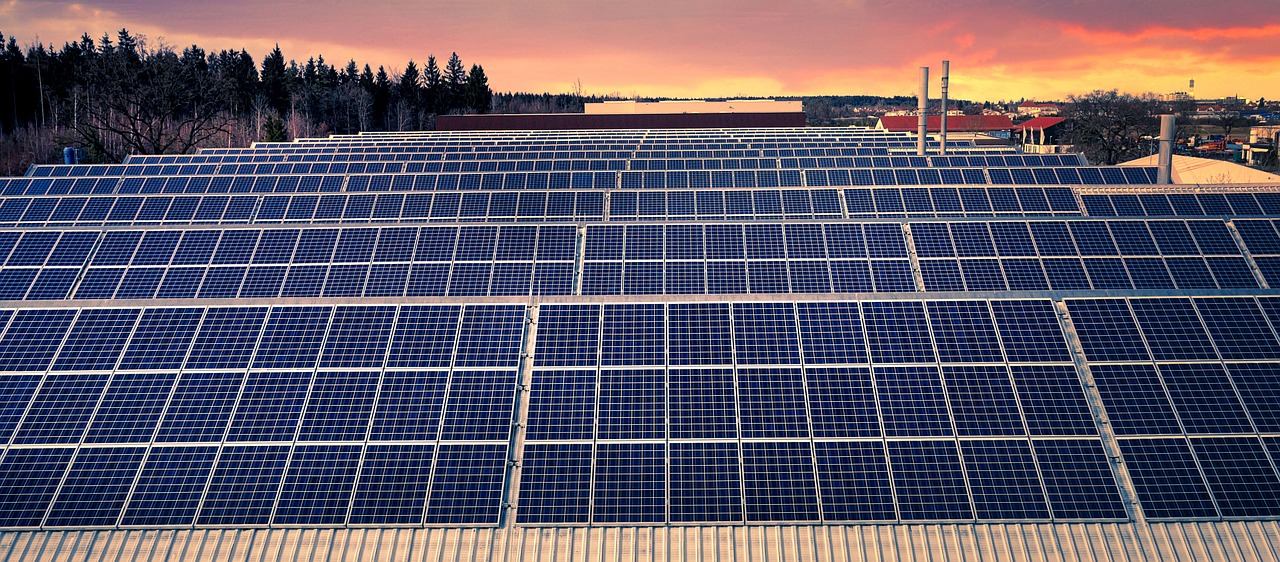

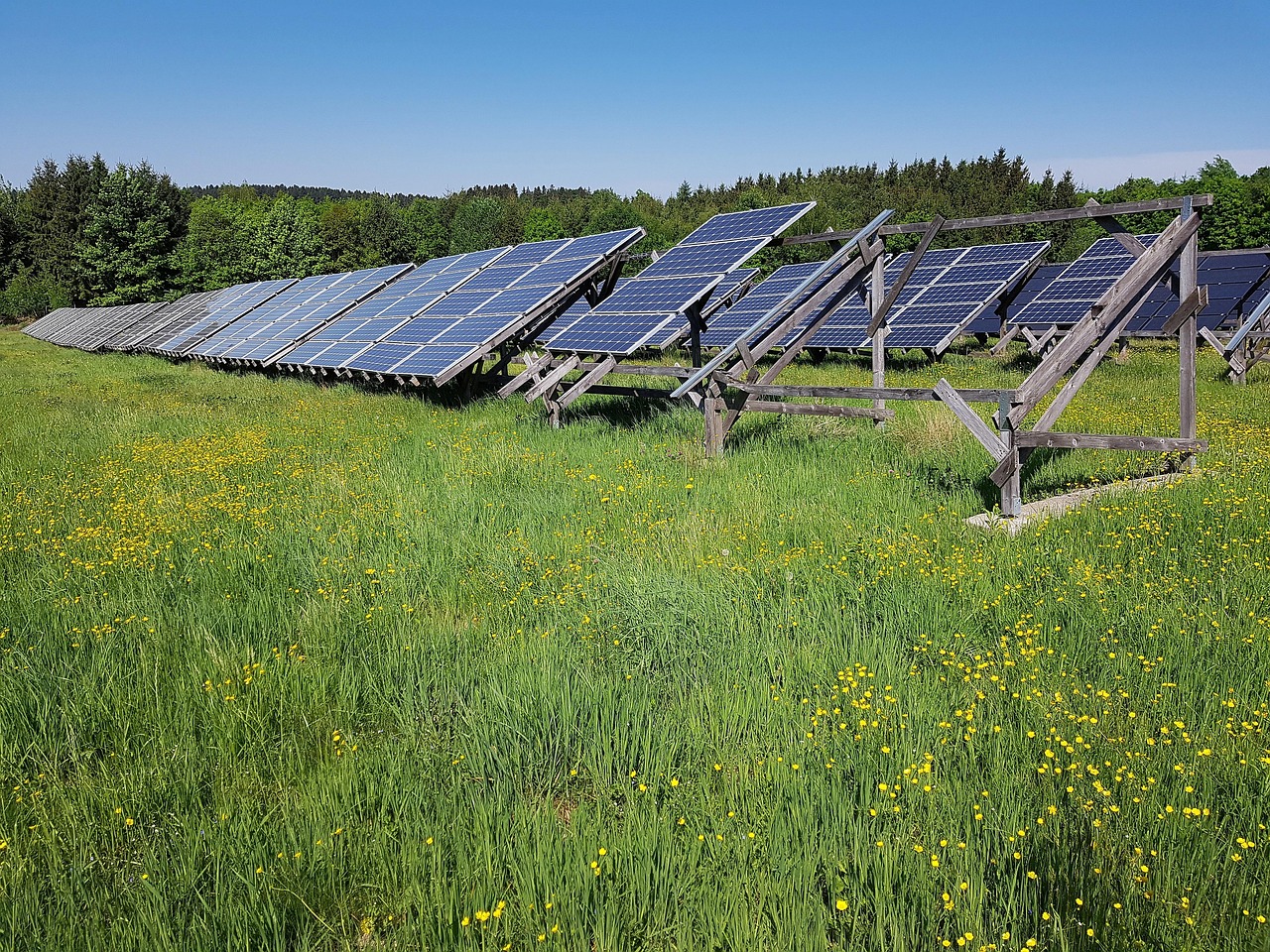
If you manage a factory, warehouse, farm, telecom site, or commercial building, a solar energy storage system is no longer just an add-on. In many projects, it is the part that makes solar power useful after sunset, during peak demand, and when the grid is not steady. Panels produce power when sunlight is available. Storage gives you more control over when that power is used.
The payback is different from site to site. A cold storage warehouse does not use power in the same way as a school, a packing house, or a metal workshop. Even so, the market direction is easy to see. The International Energy Agency reported in its 2024 Batteries and Secure Energy Transitions report that global power-sector battery storage additions more than doubled in 2023, reaching 42 GW. That growth shows that storage is becoming part of normal energy planning, not only a trial project. (iea.org)
Daytime Solar Becomes Evening Power
Without a battery, extra solar energy may be exported at a low rate, limited by the grid, or worth less than expected. With storage, midday solar can be used later for afternoon production, evening lighting, refrigeration, security loads, or other site needs.
This is a simple idea, but it changes how the energy bill looks. A battery can make a sunny roof work more like a site asset that the business can schedule.
Peak Demand Falls When Tariffs Are Harsh
Many commercial bills include demand charges based on the highest 15-minute or 30-minute power draw in the billing period. One short spike from chillers, welders, air compressors, or EV chargers can raise the charge for the whole month.
Storage can discharge during those peaks and reduce grid draw at the right time. The coffee machine is usually not the problem; the problem is often a compressor starting when the HVAC system is already pulling hard.
Backup Power Becomes Cleaner and Quieter
A battery is not always a full replacement for a diesel generator, especially when outages last several days. It can still carry critical loads such as controls, routers, lighting, gates, medical refrigerators, and production data systems.
It also starts at once, makes little noise, and does not wait for fuel delivery. For many sites, the better plan is not battery versus generator, but battery first and generator only when it is needed.
How Does a Solar Energy Storage System Work?
A good storage setup is not only a cabinet full of battery cells. It is a controlled energy system with solar panels, battery modules, inverters, protection devices, sensors, software, and sometimes a microgrid switch. The layout may be DC-coupled or AC-coupled. Both can work well when the design matches the load profile and grid rules.
Solar PV Covers Live Loads First
During sunny hours, the solar array usually supplies the building load first. If production is lower than demand, the grid or another source covers the shortage.
If production is higher than demand, the extra power can charge the battery. This order matters because self-consumed solar power often gives better value than exported power.
Batteries Store Extra Energy for Later
Lithium iron phosphate batteries are common in commercial solar storage because they offer good cycle life and better thermal stability than some other lithium chemistries. Other technologies, such as flow batteries or sodium-based batteries, may suit certain projects.
For most business buyers, the main numbers are usable capacity in kWh, power output in kW, round-trip efficiency, depth of discharge, and cycle warranty. These figures say more than a simple cabinet size or battery nameplate.
Inverters and Controls Decide the Flow
The inverter changes DC battery power into AC building power. The energy management system decides when the battery should charge and discharge.
A basic system may follow time-of-use prices. A better system reads load, solar output, battery state of charge, and tariff limits, which can be the difference between a useful battery and a battery that sits idle when the bill is at its worst.
Which Sites Gain the Most from Solar Plus Storage?
Storage works best when there is a real site problem to solve. Before asking for a product quote, name the job first. Is the battery for peak shaving, backup, self-consumption, diesel reduction, grid export control, or EV charging support? One battery can do more than one task, but the design has to allow for it.
Warehouses with Big Roofs and Modest Day Loads
Warehouses often have large roofs and open space for solar panels, but their daytime load may be lower than what the solar array can produce. Storage can take in that surplus and use it later for evening lighting, loading docks, conveyors, or office areas.
If the warehouse plans to add EV forklifts or delivery vans, the battery can also reduce charging peaks. That can help avoid a larger grid upgrade or a higher demand charge.
Factories with Demand Charges and Shift Loads
Factories usually have sharper load changes than offices or schools. Motors, heaters, presses, pumps, and air compressors can create fast peaks during normal work.
A solar energy storage system can reduce grid draw during costly periods and keep sensitive controls powered during short outages. If the factory runs a second shift, stored solar power can follow the production schedule instead of only following the sun.
Farms and Remote Sites with Weak Grids
Farms, irrigation stations, mining support sites, islands, and rural telecom towers often deal with weak lines or diesel use. Solar plus storage can cut generator run hours and reduce the risk that comes with fuel delivery.
The design still needs real load data. Water pumping, grain drying, and cold rooms can have seasonal peaks, so a full year of load data is much more useful than one summer bill.
How Should You Size a Solar Energy Storage System?
Bad sizing costs money in both directions. If the battery is too small, it cannot do the job. If it is too large, capital sits unused. The right size starts with bills, interval meter data, site drawings, planned load changes, and local grid rules. Guessing should not drive the project.
Load Curves Come Before Product Size
Ask for at least 12 months of energy use if possible, along with 15-minute interval data. This shows when peaks happen, how long they last, and how solar production lines up with demand.
A restaurant, a plastics plant, and a logistics center may all use the same battery brand. They should not use the same control strategy, because their loads do not behave the same way.
Battery Duration Matches the Job
Battery duration means how long the system can discharge at rated power. A 500 kW and 1,000 kWh battery is roughly a two-hour system, while a 500 kW and 2,000 kWh battery is roughly a four-hour system.
Shorter duration can handle fast peaks. Longer duration is better for solar shifting, backup, and evening loads, although real projects must also include efficiency losses and reserve settings.
Degradation and Growth Need Space
Batteries lose some usable capacity as they age. Your site may also add EV chargers, new machines, cold rooms, or a larger solar array later.
A practical design leaves room in the electrical room, container pad, combiner boxes, and controls for later expansion. Oversizing everything on day one is not always a good use of money, but leaving no room for growth can become a bigger problem. See also: clean energy.
What Do Public Data Say About Cost and Growth?
Public data helps set a rough market view, but it cannot give one payback number for every project. Local tariffs, interconnection rules, tax treatment, export prices, installation labor, fire requirements, and battery duty cycle all affect the result. Use global data as a reference point, not as a project quote.
Battery Deployment Is Moving Fast
The U.S. Energy Information Administration reported that U.S. utility-scale battery storage capacity increased 66% in 2024, with 10.4 GW added. It also noted that operators planned 19.6 GW of utility-scale battery additions for 2025, based on its preliminary generator inventory at that time.
This does not mean every commercial project is simple. It does show that storage is now a serious grid and business technology, not a small side market. (eia.gov)
Storage Costs Are Falling, but Local Prices Rule
IRENA reported in Renewable Power Generation Costs in 2024 that battery storage costs decreased 38% for a two-hour system and 32% for a four-hour system compared with 2023. That is a clear cost signal for the market.
Your installed price can still move a lot because of enclosure type, fire suppression, transformer work, permitting, shipping, and after-sales coverage. Low cell pricing does not automatically mean a low finished system price. (irena.org)
Four-Hour Batteries Fit Many Peak Problems
NREL research found that added solar PV can increase the ability of four-hour storage to provide peak capacity. In one study, beyond about 10% solar PV penetration, the national practical potential for four-hour storage to provide peak capacity doubled.
For a business buyer, the point is practical. Where solar pushes net demand into evening peaks, four-hour batteries should be checked carefully in the sizing work. (research-hub.nrel.gov)
What Safety and Procurement Details Should You Check?
Energy storage is electrical equipment, chemical storage, software, and fire planning in one package. A clean datasheet is not enough. You need documents that your engineer, insurer, local authority, and maintenance team can read without chasing missing files.
Certified Equipment Comes First
Ask for battery, inverter, and system certifications that match your market. For many stationary energy storage projects, standards and code references such as UL 9540, UL 9540A test data, and NFPA 855 are part of the safety review.
NFPA 855 is the Standard for the Installation of Stationary Energy Storage Systems, and the 2023 edition includes guidance related to lithium-ion ESS fire safety. These items should be checked before the purchase order, not after the equipment arrives. (link.nfpa.org)
Thermal Management and Fire Planning Matter
A commercial battery should have temperature monitoring, battery management controls, fault alarms, ventilation or cooling as required, clear access space, and an emergency response plan. Outdoor cabinets and containers also need weather protection and proper spacing.
Indoor systems may face stricter rules for rooms, walls, sprinklers, or detectors. The local authority has the final say, so it is better to involve them early instead of redesigning late in the project.
Warranty Terms Need Plain Language
Battery warranties often include years, cycle count, energy throughput, remaining capacity, operating temperature, and allowed use cases. Read those limits before signing, because the fine print can change the real value of the warranty.
A battery used every day for peak shaving and backup may age differently from one used only during outages. Also check who handles remote monitoring, spare parts, firmware updates, and on-site service if something fails.
How Can You Plan a Smarter Purchase?
A smart purchase starts with the site problem, not the catalog. If you already have solar, storage may raise self-consumption and add backup value. If you are building a new solar project, an integrated design can save space and avoid duplicate equipment. In both cases, ask for a model that shows how the system works on normal days and on bad days.
Ask for a Site-Based Energy Model
The proposal should show solar production, load data, battery dispatch, demand reduction, backup loads, expected cycling, and export limits. A single payback number without assumptions is not enough for a business decision.
Ask what happens during cloudy weeks, holiday shutdowns, summer peaks, and grid outages. These plain cases usually show whether the design matches the real site.
Compare Total Value, Not Just Battery Price
The lowest battery price can still lose if it needs costly electrical changes, lacks local support, or cannot meet the control target. Compare delivered equipment, installation scope, commissioning, monitoring, warranty, safety documents, and service response.
A slightly higher upfront price may be the better buy if it reduces project risk and keeps downtime low. For a working business, downtime can cost more than the battery discount.
Choose a Supplier Who Speaks Both Solar and Storage
Solar and storage are related, but they are not exactly the same trade. You need a team that can size PV, batteries, inverters, switchgear, metering, and software as one working system.
For commercial buyers, a good result is simple to measure. Peaks are lower, surprises are fewer, data is clear, and power is available when the site needs it.
FAQ
Q1: What Is a Solar Energy Storage System? A: It is a system that pairs solar panels with batteries, inverters, controls, and protection devices so solar power can be stored and used later.
Q2: How Long Can a Commercial Battery Run My Business? A: It depends on battery size and protected loads. A battery that runs office lights for hours may run heavy machinery for a much shorter time.
Q3: Is Solar Plus Storage Better than a Generator? A: For instant short-term backup, lower noise, and daily bill savings, it can be better. For multi-day outages, many sites still keep a generator as a secondary source.
Q4: What Battery Duration Should You Choose? A: Two-hour systems often fit short demand peaks, while four-hour systems often fit evening solar shifting and broader peak support.
Q5: What Should You Prepare Before Asking for a Quote? A: Prepare 12 months of bills, interval load data, roof or land drawings, backup load lists, tariff details, and any future load plans such as EV chargers or new equipment.