
Electric cars are no longer a test product only for early buyers. If you are checking models for commuting, a family car, a company fleet, or export market research, it is better to start with sales data, battery cost, charging conditions, and emissions. You can also browse more EV market topics in the electric cars section.
The short answer is simple: electric cars can work better than gas cars for many drivers, but not for every driver in every market. Home charging, local electricity price, daily distance, weather, and vehicle size all change the result. A small EV used in city traffic is not the same purchase as a large electric SUV used for towing in winter. This sounds basic, but many weak comparisons start by ignoring it.
Why Are Electric Cars Becoming a Mainstream Choice?
The global market has already passed the stage of asking whether EVs can sell. The more useful questions are where they sell faster, why prices are different, and which buyers still face real limits. Public data from the International Energy Agency Global EV Outlook 2026 gives a useful base for this discussion.
Global Sales Have Moved Past Early Adoption
According to the IEA Global EV Outlook 2026, electric car sales exceeded 20 million units in 2025, up about 20% from 2024. That was around 25% of total global car sales. For a market once seen as a small niche, one in four new cars worldwide is already a clear change. The same report expects global electric car sales to reach about 23 million in 2026, or roughly 28% of total car sales.
China Sets the Scale
China remains the center of the EV market. IEA data shows more than 13 million electric cars were sold in China in 2025, with EVs reaching almost 55% of new car sales. Scale changes the cost structure in a practical way. It spreads battery cost across more vehicles, builds supplier know-how, and gives buyers more choices, from small city cars to large SUVs.
Europe and Emerging Markets Add Momentum
Europe also picked up again in 2025. IEA reported about 4.2 million electric car sales across Europe, equal to 28% of new car sales. Outside China, Europe, and the United States, sales reached about 2 million, helped by growth in Southeast Asia, Latin America, and the Middle East. The U.S. share stayed just below 10%, so adoption is clearly not moving at the same pace in every region.
Do Electric Cars Really Cost Less to Own?
Purchase price gets most of the attention, but ownership cost is not only the sticker price. Buyers also need to check the battery, local electricity rates, public charging habits, maintenance, insurance, tires, and resale value. A low-priced EV can still disappoint if the driver depends on costly public charging. A slightly higher-priced EV charged at home can be cheap to run month after month.
Battery Prices Are Falling
Battery cost is still one of the main factors behind EV pricing. IEA reported that average battery prices declined by 8% in 2025. BloombergNEF’s 2025 Lithium-Ion Battery Price Survey put the average lithium-ion battery pack price at $108 per kWh, while battery electric vehicle packs averaged $99 per kWh. These figures do not make every model cheap overnight, but they help explain why more lower-priced models are entering the market.
Home Charging Changes the Math
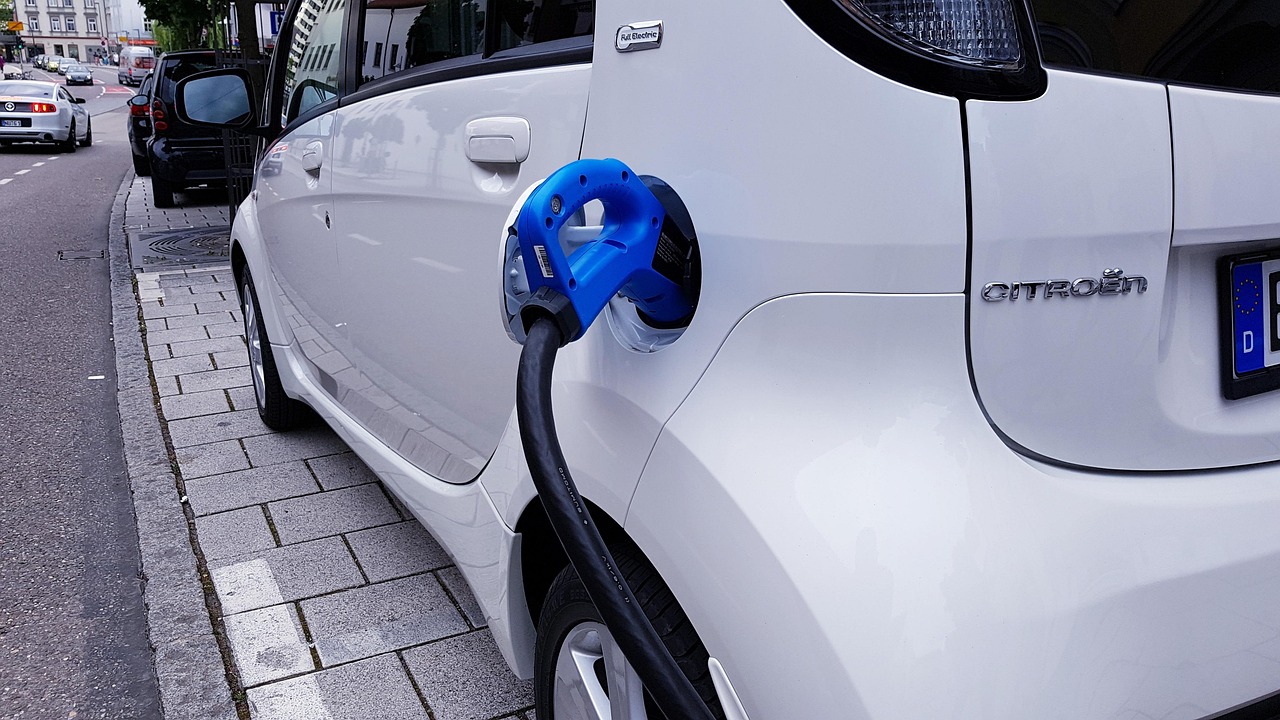
If you can charge at home, the running cost often looks much better. The U.S. Department of Energy Alternative Fuels Data Center has long shown that EV fuel costs tend to be lower than gasoline costs, although the saving depends on local rates. In everyday terms, charging overnight in a garage is usually cheaper and less stressful than using expensive fast chargers after work. Apartment drivers can still own EVs, but they should confirm a charging plan before buying.
Incentives Are No Longer the Only Story
Incentives still influence demand, but EV adoption is no longer only about subsidies. IEA notes that in China, 70% of battery electric cars sold in 2025 were already cheaper than the average conventional car. This is not true in every market. In the United States and parts of Europe, some EVs still cost more up front than similar gas models. Even so, lower battery costs and larger production volume are putting real pressure on prices.
Are Electric Cars Cleaner Than Gas Cars?
For emissions, the fair comparison includes manufacturing, driving, fuel production, and electricity generation. A tailpipe-only view leaves out the battery. A battery-only criticism leaves out many years of driving. The full picture is more useful, and public agencies have studied it in detail.
No Tailpipe Exhaust in Daily Driving
Battery electric cars have no tailpipe exhaust while driving. This matters most in cities, near schools, and in slow traffic where people breathe the local air. The U.S. EPA Green Vehicle Guide states that total greenhouse gas emissions include tailpipe and upstream emissions. For gasoline, EPA lists tailpipe carbon dioxide at 8,887 grams per gallon, before adding upstream emissions from production and distribution.
Battery Manufacturing Has a Carbon Payback
Battery manufacturing creates emissions before the car is used on the road. This point is real and should not be ignored. However, the U.S. EPA says lifetime greenhouse gas emissions from an EV are typically lower than those from an average gasoline vehicle, even after battery manufacturing is counted. Argonne National Laboratory’s GREET work, cited by EPA and the U.S. DOE, supports the same general finding for typical U.S. cases.
Cleaner Grids Improve the Case
The cleaner the electricity supply is, the cleaner the EV becomes in use. EPA’s comparison tool uses the national average electricity emissions factor from eGRID 2023 and a Model Year 2025 median EV energy use of 39 kWh per 100 miles. That is a useful baseline, but your region may be better or worse. If your utility uses more wind, solar, hydro, or nuclear power, operating emissions go down. If the grid depends heavily on coal, the benefit becomes smaller, though it often stays positive over the vehicle life.
Can Electric Cars Handle Your Daily Driving and Road Trips?
Range anxiety is common, and it is not a foolish concern. Nobody wants to sit in a cold parking lot watching the battery percentage fall. Still, daily driving data shows that most drivers use much less range than modern EVs offer. The point is to match the car with your real driving pattern, not with a rare once-a-year trip. See also: clean energy.
Typical Range Covers Normal Days
IEA reports that the average battery electric car range is close to 380 km, or about 236 miles. It also notes that average daily driving is around 40 km in many markets and around 65 km in the United States. In practice, a typical modern EV can cover normal daily use several times over. The bigger concern is usually not a Tuesday commute. It is weekend travel, cold weather, and charging access at the destination.
Fast Charging Matters More Than Oversized Batteries
A larger battery is not always the better choice. It adds weight, cost, and mineral demand. IEA data shows average battery sizes in 2025 near 70 kWh in the European Union, below 60 kWh in China, and around 90 kWh in the United States. The U.S. figure reflects a market with many larger cars and SUVs. For many buyers, a mid-size battery with reliable fast charging is more useful than paying for range they rarely use.
Cold Weather and Towing Need Planning
Cold weather can reduce range because the battery works harder and cabin heating uses energy. Towing also cuts range, sometimes by a large amount. If you tow a boat, drive mountain roads, or use the car in freezing weather, check real owner data and independent road tests for the exact model. A school-run hatchback and a loaded pickup do not live the same life. Small detail, big difference.
What Should You Compare Before Buying Electric Cars?
Buying an EV should be a practical decision, not a lifestyle badge. Start with your route, parking, charging access, and budget. Then compare vehicles. It is easy to shop only by maximum range or the biggest screen, but those are not always the parts you deal with every day.
Battery Type and Warranty Terms
Battery chemistry affects cost, life, weight, and charging behavior. IEA notes that lithium iron phosphate batteries, often called LFP, were more than 40% cheaper on average than NMC alternatives per kWh in 2025. Many lower-cost EVs now use LFP because it avoids nickel and cobalt. Before buying, read the battery warranty, capacity retention terms, and fast-charging guidance. It is boring paperwork, but it can matter a lot after several years.
Charging Access at Home and Work
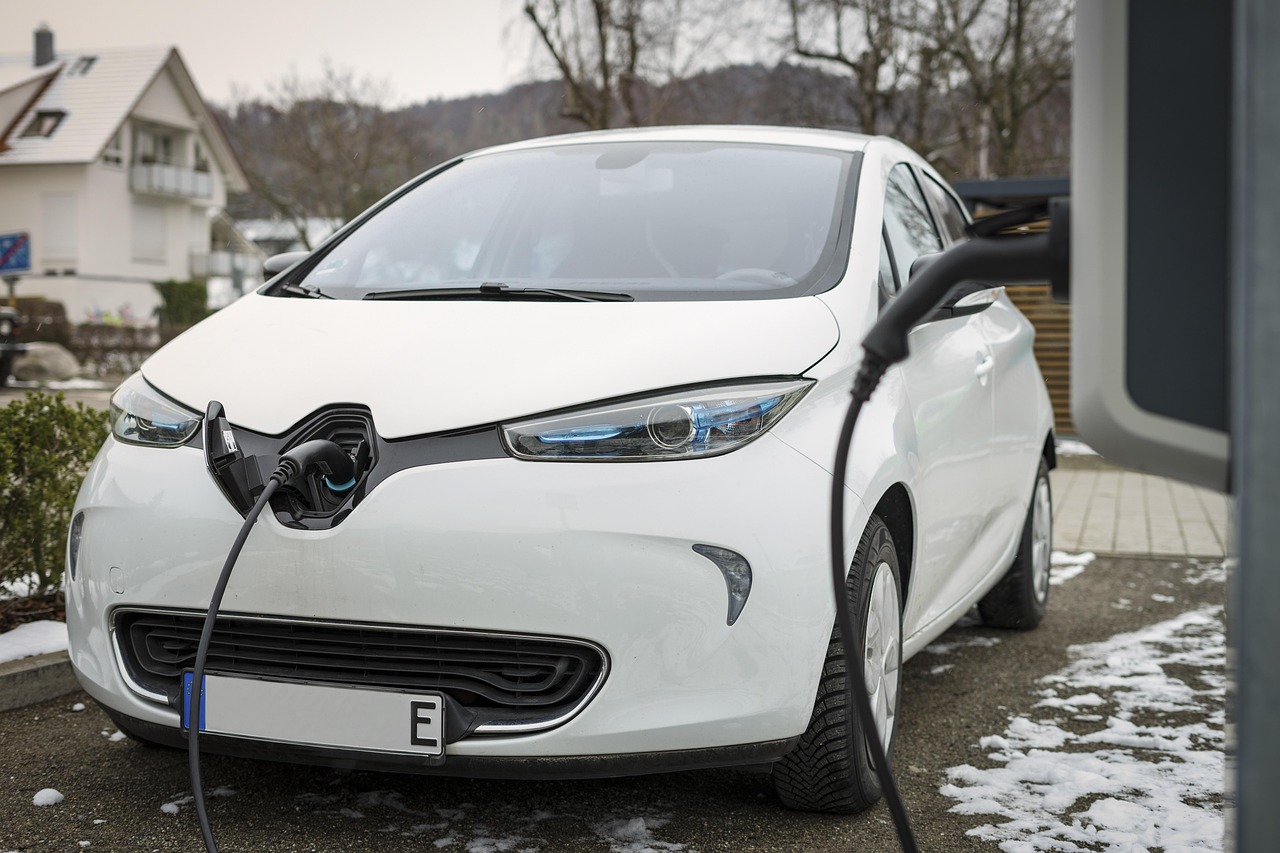
Ask three simple questions: Can you charge where you park overnight? Can you charge at work or near regular stops? Is there a reliable fast charger on your road-trip route? The Joint Office of Energy and Transportation points users to the Department of Energy Alternative Fueling Station Locator for charging level, access type, station status, and connector data. Since station counts change often, a fixed number can become outdated quickly. Current route checks are safer.
Software, Service, and Resale Value
Modern EVs depend a lot on software for charging, route planning, battery preconditioning, and driver assistance. Good software makes road trips easier. Poor software can turn a simple charging stop into a headache. Also check local service coverage. A good EV with no nearby service center can become frustrating after a minor fault. Resale value is still changing as battery prices fall and new models arrive, so compare recent used prices in your own market.
- Choose an EV if you have reliable charging and drive predictable daily routes.
- Compare total cost, not only purchase price.
- Check real-world winter range if you live in a cold region.
- Look at battery warranty terms before you sign.
- Use current charging maps before planning long trips.
FAQ
Q1: Are Electric Cars Cheaper Than Gas Cars? A: They can be cheaper over time, especially when you charge at home and keep the car for several years. Upfront price, insurance, tires, and local electricity rates still matter.
Q2: How Long Do Electric Car Batteries Last? A: Many EV batteries are designed for long vehicle life and usually carry multi-year warranties. Check the exact warranty for capacity loss, mileage limits, and transfer rules.
Q3: Are Electric Cars Good for Long Road Trips? A: Yes, if the route has reliable fast chargers and the car has good route planning. For remote trips, towing, or winter travel, plan stops before leaving.
Q4: Do Electric Cars Really Reduce Emissions? A: In typical cases, yes. The U.S. EPA says lifetime greenhouse gas emissions are usually lower than those of average gasoline vehicles, even after battery manufacturing is counted.
Q5: What Is the Most Important Buying Factor? A: Charging access is often the deciding factor. If you can charge at home or at work, an EV becomes much easier to own and usually cheaper to run.