
Why Do Green Energy Sources Matter Now?
Green energy sources are now part of normal power planning, not a side topic. If you compare projects, equipment, or long-term supply options, the choice is not only about being green. It is also about power cost, grid access, carbon targets, and whether your site can keep running when energy markets move around. For more background on broader clean energy topics, this guide fits into the same buying and planning process.
Lower Carbon Power with Real Market Momentum
The change in the market is easy to see in public data. The International Energy Agency reported in its Global Energy Review 2025 that renewables supplied about one-third of global electricity in 2024. Hydropower provided around 14%, wind 8%, solar PV 7%, and bioenergy and waste about 3%. This mix gives a plain message: green power is not one single technology. It is a group of sources, and each one does a different job.
Energy Security for Buyers and Communities
Energy security used to mean access to coal, gas, or oil. Now it also means local power from sun, wind, water, heat, and organic waste. For a factory, farm, warehouse, or public building, local generation can reduce exposure to fuel price swings. It will not fix every grid problem, but it gives the site owner more control. In simple terms, the power bill becomes less like bad news that arrives without warning.
Cleaner Growth Without One Perfect Fuel
No green source works perfectly in every place. Solar needs light, and wind needs a steady resource and enough space. Hydropower needs water and proper ecology management. Geothermal needs the right geology. Bioenergy needs clean feedstock control. The practical target is not to name one winner. It is to build a cleaner mix that fits real demand, local rules, and the way your site uses electricity.
Which Green Energy Sources Are Used Most Today?
The main green energy sources used in today’s power systems are solar, wind, hydropower, geothermal, bioenergy, and, in smaller markets, ocean energy. The IPCC AR6 Working Group III lists these as renewable energy options that can support low-carbon energy systems. For business use, the most common routes are usually solar PV, wind power, and purchased renewable electricity backed by certificates or power contracts.
Solar Power for Daytime Demand
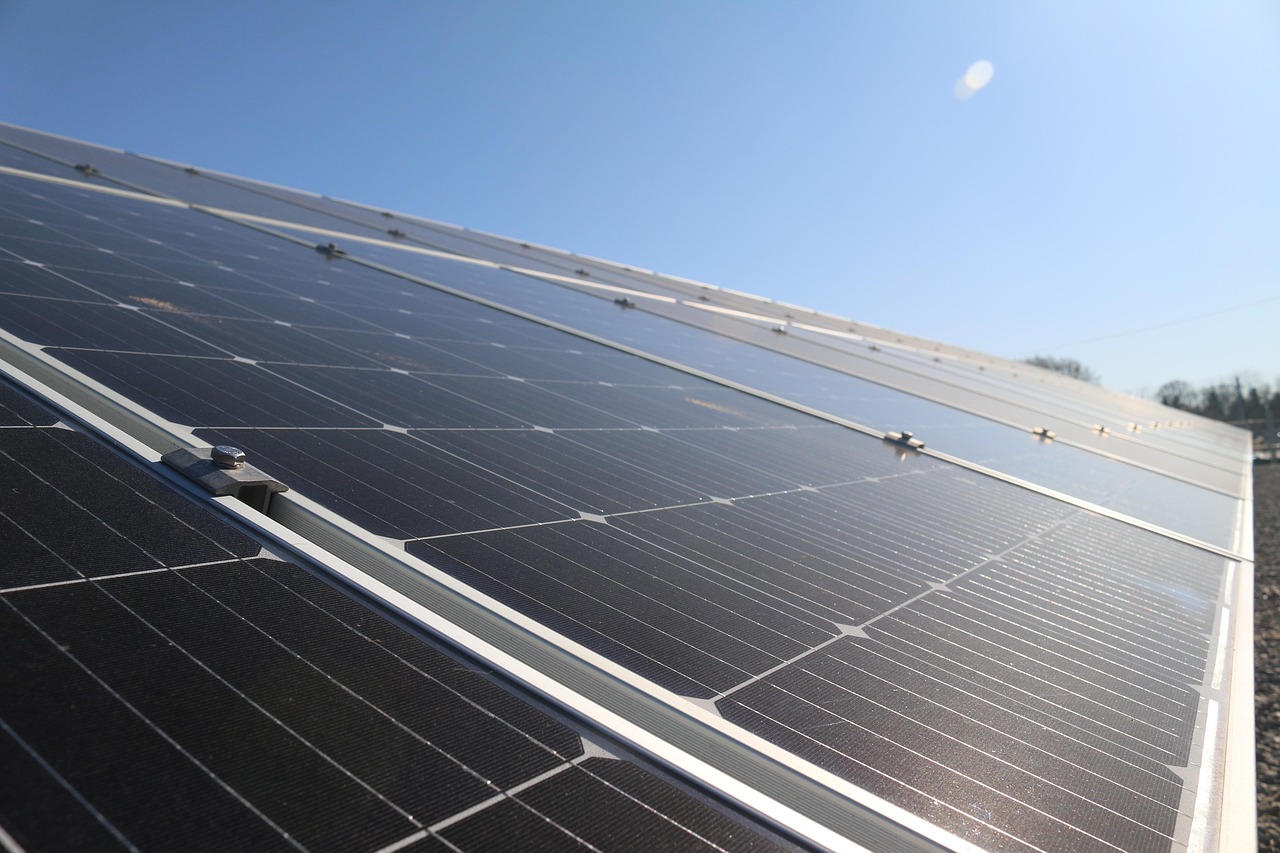
Solar PV is easy for many buyers to understand because panels can go on roofs, carports, or open land. It suits sites with daytime loads, such as offices, schools, cold storage, and many factories. The International Energy Agency noted in Electricity 2025 that global solar PV generation reached about 2,000 TWh in 2024, equal to roughly 7% of global electricity. That is no longer a small market number.
Wind Power for Strong Resource Areas
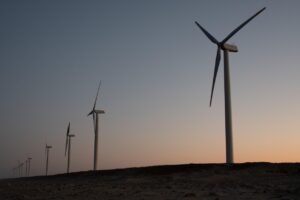
Wind power works best where wind speeds are stable and local planning rules allow turbines. Utility-scale wind can produce large power volumes at low cost, but it is not just a matter of buying a turbine and placing it behind a workshop. Turbine height, grid capacity, setbacks, noise rules, and maintenance access all affect the result. For many buyers, wind joins the power mix through power purchase agreements instead of on-site turbines.
Hydropower, Bioenergy, and Geothermal as Steady Partners
Hydropower has been used for a long time and can help balance grids, especially where reservoirs or pumped storage are available. Bioenergy can turn agricultural residues, wood waste, landfill gas, or biogas into useful heat and power. Geothermal can provide steady output in regions with the right underground heat. These sources may look less eye-catching than a solar array in a drone photo, but steady power has clear business value.
How Do Solar and Wind Compare for Business Use?
Solar and wind get plenty of attention because they are growing fast and their costs have dropped over time. The International Energy Agency said in Renewables 2024 that solar PV and wind were expected to account for 95% of renewable capacity additions through 2030. For a buyer, the real question is not which source is more popular. The question is which source fits your load, site, budget, and local grid.
Solar Fits Roofs, Land, and Fast Rollout
Solar is modular. You can start with a small roof system, expand later, or pair it with batteries. This is why it works for commercial buildings, farms, resorts, telecom sites, and distribution centers. It is also easy to see, which can help the company’s public image. Still, not every roof is ready for solar. Old metal sheets, shading from vents, weak structures, and fire access lanes can reduce usable area quickly.
Wind Needs Better Siting and Scale
Wind can produce more than solar in the evening, winter, or stormy seasons in some regions. That makes it a useful partner for solar. But wind normally needs more scale before the numbers make sense. Small wind turbines often let buyers down when local turbulence, short towers, or weak maintenance support are ignored. If the site does not have clean wind flow, the brochure output will not appear on the meter.
Storage and Grid Rules Shape the Result
Solar and wind are variable sources, so batteries, demand control, grid exports, or backup systems need to be checked early. IRENA reported in its 2025 cost study for 2024 that utility-scale battery storage costs fell to about USD 192 per kWh, a 93% drop since 2010. This does not mean batteries are low-cost for every project. It does help explain why hybrid solar-storage projects now appear often in tenders and commercial plans.
Which Sources Give the Most Reliable Clean Power?
Reliability comes from matching generation with demand. A system with only low-cost midday solar may still have trouble at 7 p.m. A system with firm renewable supply, storage, and smart controls can work much better. When buyers ask which green energy sources give the most reliable power, the answer usually points to hydropower, geothermal, bioenergy, and well-planned hybrid systems.
Hydropower Adds Flexibility Where Water Allows
Hydropower can ramp up or down faster than many thermal plants, depending on plant design and water rules. Pumped storage hydropower is especially useful for storing power at grid scale. The U.S. Department of Energy describes hydropower as one of the oldest and largest renewable sources, and pumped storage as the largest contributor to U.S. utility-scale energy storage. The limit is clear: water availability and ecosystem impact cannot be pushed aside.
Geothermal Can Run Day and Night
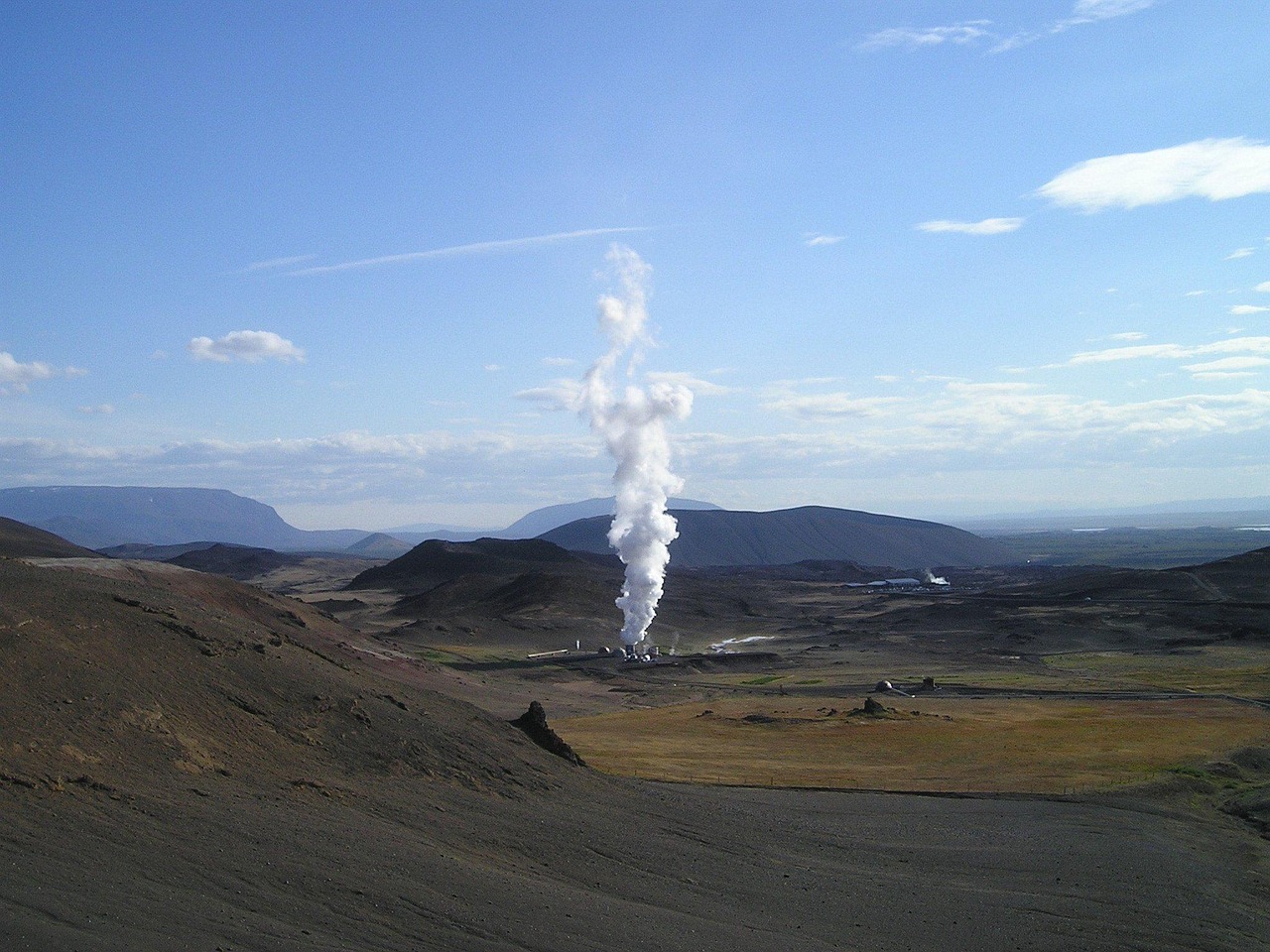
Geothermal energy uses heat from inside the earth. In suitable areas, it can run with high availability and a small surface footprint. This makes it useful for power, district heating, greenhouses, food processing, and industrial heat. The limit is location. Exploration, drilling risk, and upfront cost can be high, so strong site surveys are not just paperwork. They are a major part of the project.
Bioenergy Works Best with Local Waste Streams
Bioenergy is most convincing when it uses real waste, such as manure, crop residues, forestry byproducts, or landfill gas. A dairy farm with biogas has a different business case from a plant that must truck feedstock from far away. Sustainability depends on feedstock source, transport, air controls, and land-use impact. If these details are weak, the green label becomes hard to defend.
What Do Costs and Emissions Data Say?
Cost and emissions data help buyers get past simple claims. A source may be renewable but still costly at a poor site. Another source may look expensive at the start but save money over 20 years. Public datasets cannot replace a site design, but they give a useful baseline before you compare suppliers, bids, and financing terms. See also: EVs.
Onshore Wind and Solar Lead New Project Costs
IRENA reported in Renewable Power Generation Costs in 2024 that the global weighted average cost of new onshore wind was about USD 0.034 per kWh, solar PV about USD 0.043 per kWh, and hydropower about USD 0.057 per kWh. These are global averages, not a price offer for your roof or land. Even so, they show why wind and solar take a large share of new renewable additions in many markets. Local quotations still need proper checking.
Lifecycle Emissions Stay Far Below Fossil Power
Lifecycle data also supports green energy sources. The UNECE 2022 life-cycle assessment reported onshore wind at about 7.8 to 16 g CO2 equivalent per kWh and solar PV at about 8 to 83 g CO2 equivalent per kWh. By comparison, natural gas combined-cycle plants were listed at about 403 to 513 g CO2 equivalent per kWh. Materials and construction are included in those figures, but the difference is still large.
Project Economics Still Depend on Local Conditions
A public cost average is only a starting point. Your final price depends on sunlight, wind speed, land cost, labor, import duties, permits, financing, grid fees, curtailment risk, and maintenance. There is no reliable public number for universal payback because tariffs and incentives change by country, city, and even utility zone. If a supplier promises one fixed payback for every site, they are skipping the hard part.
How Should You Choose the Right Green Energy Mix?
A sound choice starts with your load curve, not with a favorite technology. Pull 12 months of electricity bills if you can. Add interval data if the utility provides it. Check peak demand, weekend demand, seasonal swings, and power quality problems. A basic meter reading matters here because it can keep you from buying the wrong system.
Match the Source to the Load Profile
If your site uses most power during the day, solar can cover a useful share. If demand rises at night, wind contracts, storage, geothermal, hydropower, or grid-supplied renewables may matter more. If you need heat, not just electricity, geothermal heat pumps, biomass boilers, solar thermal, or biogas combined heat and power may deserve a closer look.
Check Land, Permits, Grid Access, and Maintenance
Before choosing equipment, review the site limits in detail. These checks are basic, but they often decide whether the project can be built without delays.
- Available roof area, roof age, and structural strength
- Land ownership, drainage, shading, and access roads
- Interconnection capacity and export limits
- Local fire, noise, height, and environmental rules
- Spare parts, technician access, and warranty terms
These items may look small during early sales talks, but they often decide whether a project finishes on time. They also help you compare suppliers on real project ability, not only on equipment price.
Plan for Storage, Backup, and Future Growth
Think beyond the first installation. Electric forklifts, heat pumps, EV charging, and new production lines can change your load. A solar system that feels large today may look average in five years. Leave room in the electrical design for batteries, extra inverters, monitoring, and safety upgrades. Cleaner power works better when the system can grow without being rebuilt from scratch.
FAQ
Q1: Which Green Energy Sources Are Best for a Business Site? A: Solar PV is often the easiest starting point, while wind, hydropower, geothermal, and bioenergy can work better where local resources support them. The best choice depends on your load, site, grid rules, and budget.
Q2: Is Solar Greener Than Wind? A: Both have low lifecycle emissions compared with fossil power. UNECE 2022 data places onshore wind and solar PV far below natural gas on a lifecycle basis. The greener option for your site is the one that produces useful power with less waste and fewer local impacts.
Q3: Can Green Energy Sources Run a Factory at Night? A: Yes, but usually not with solar alone. Night operation may need wind supply, hydropower, geothermal, bioenergy, batteries, grid renewable contracts, or backup generation, depending on the factory load.
Q4: What Data Should You Check Before Buying a System? A: Check monthly bills, interval load data, roof or land conditions, local resource data, tariffs, interconnection rules, permits, and maintenance support. A site survey is not optional if the project is serious.
Q5: Do Green Energy Sources Mean Zero Emissions? A: Not exactly. Solar and wind have no fuel combustion during operation, but panels, turbines, foundations, transport, and recycling create lifecycle emissions. Even so, public studies show they are much lower than coal and gas power.