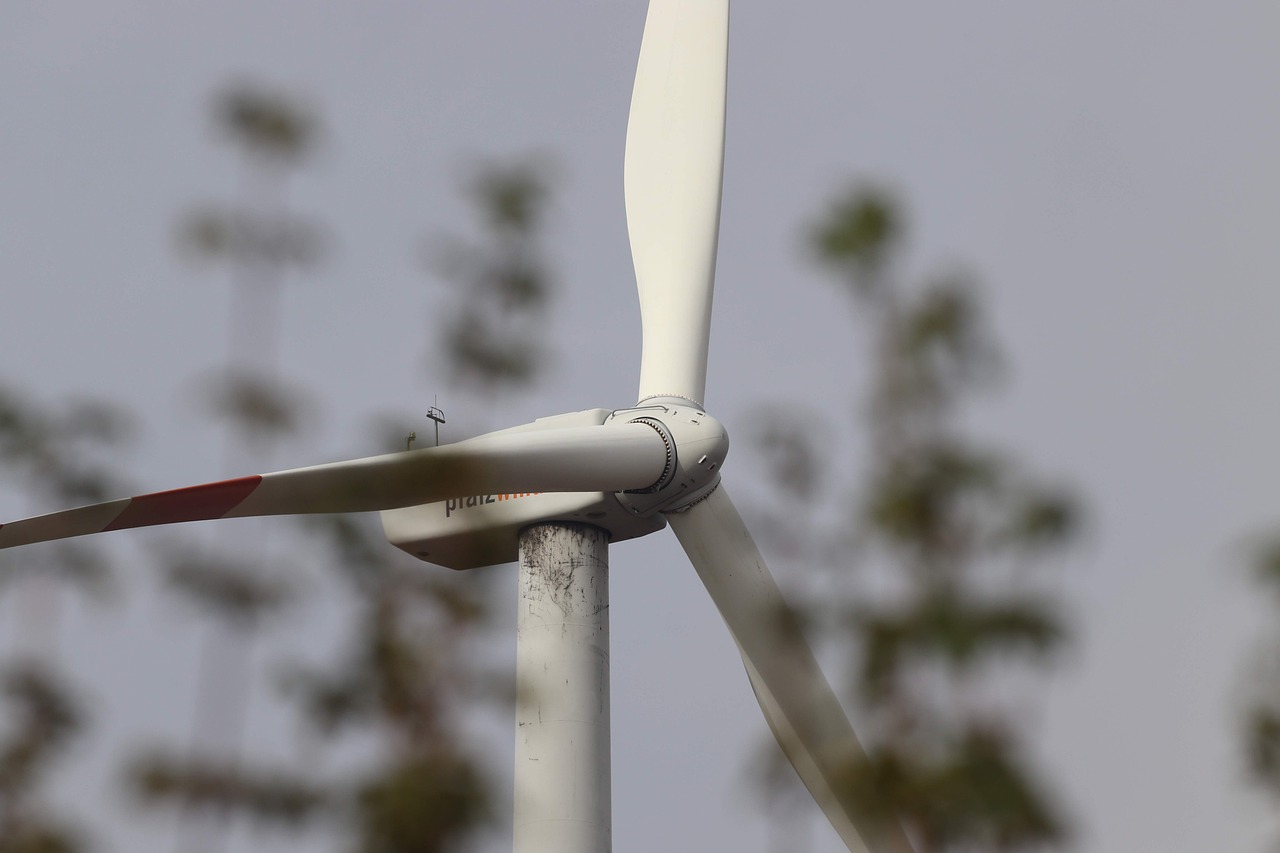

Wind blades are not only large fiberglass parts fixed to a hub. They are the working side of a turbine, and they turn moving air into torque, power output, and project income. If you are buying parts for a wind project, blade selection should be checked early. It should not be left as a quick item at the end of procurement.
From the ground, good blades can look simple. In the factory and on site, they are shaped composite parts that carry bending loads, rain, salt spray, lightning, heat, cold, and long fatigue cycles. A small surface flaw can spread if it is missed. A weak delivery plan can cost weeks, and a loose warranty can become a problem after the first storm season. For that reason, wind blades are worth a slow and careful review.
Why Do Wind Blades Matter More Than Most Buyers Think?
A wind turbine may be sold by rated power, tower height, or brand name, but the rotor does the first job. The blades decide how much air the machine can sweep, how quietly it can run, and how loads pass through the nacelle and tower. For a buyer, blade quality is tied to energy yield, maintenance cost, and bankability.
Energy Capture Starts at the Rotor
The basic rule is easy to follow: longer blades sweep a larger circle, and a larger swept area can take more energy from the same wind flow. In a real project, the result also depends on air density, wind class, control software, wake losses, and grid limits. Even with those points, the blade is still the first part that meets the wind resource. A well matched blade can help a medium-wind site make financial sense, while a poor match can leave generation behind every day.
Blade Quality Shapes Project Availability
Availability is not only about the gearbox or converter. Blade leading edge erosion, bond-line defects, root damage, and lightning strikes can stop a turbine or cut output. Offshore repair work is costly because crew transfer, weather windows, and vessel time can turn a small defect into a large bill. Onshore sites are usually easier to reach, but a crane visit for blade replacement is still a cost most owners want to avoid.
Bigger Markets Raise Buyer Expectations
Wind is no longer a small market. According to IRENA Renewable Capacity Statistics 2026, renewable power capacity reached 5,149 GW in 2025, with wind adding 158.7 GW that year. GWEC Global Wind Report 2026 counted 165 GW of new wind capacity in 2025 and global installed wind power of 1,299 GW. The two numbers are not the same because agencies and industry groups count in different ways, but the message is clear enough: the market is large, and buyers now ask for better documents, tighter quality control, and clearer end-of-life plans.
What Are Wind Blades Made of?
Most modern wind blades are composite structures. On paper that sounds neat, but in production it means many layers, many process steps, and little room for careless work. The target is a blade that is light enough to rotate well and strong enough to handle changing loads for years.
Fiberglass and Carbon Fiber Composites
The U.S. Department of Energy describes blade composites as fiberglass or carbon fiber mixed with epoxy resin, made to be light and durable. Fiberglass is common because it gives a workable balance of cost, strength, and factory experience. Carbon fiber is used where stiffness and weight matter more, often in spar caps or other high-load areas. DOE-supported analysis has reported that carbon fiber spar caps can reduce blade mass by about 25% compared with fiberglass spar caps. That does not mean every project needs carbon fiber. It means buyers should ask where it is used, why it is used, and how that choice affects price and repair work.
Resin Systems and Core Materials
A blade is not only fiber. NREL materials work divides blade materials into reinforcement fibers, resin systems, core materials, and assembly materials. Resin holds the fibers together and transfers loads through the structure. Core materials such as foam or balsa add stiffness without adding too much weight. Adhesives join blade shells and internal shear webs. These less visible materials matter because poor resin infusion, curing, or bonding may stay hidden until fatigue makes the problem visible.
Root Inserts and Lightning Paths
The blade root sends heavy loads into the hub, so root inserts, bolts, and laminate quality need close checking. Lightning protection is also a key point because a turbine blade is tall, rotating, and often the highest object near the site. Conductors and receptors need to give lightning current a safer path. This is not a small accessory. If protection is weak, a strike can split laminate, burn inner material, or damage sensors. Ask for lightning test evidence, not only one sentence in a datasheet.
Are Longer Wind Blades Always Better?
Longer blades can look like the easy answer. More length gives more swept area, and more swept area often gives more energy. That is true in many cases, but blade length also affects transport, tower loading, pitch system demand, installation tools, and service planning. The right blade is the one that fits the wind resource and site conditions, not just the longest blade in the catalog.
More Swept Area, More Energy
Swept area grows with the square of rotor radius. A small increase in blade length can therefore add useful energy capture. For low and medium wind sites, this is why newer turbines often use larger rotors with taller towers. The owner can get more hours near useful output, not only a higher peak figure. That can help project economics, especially when land is available and grid connection has already been planned.
Transport Limits and Site Access
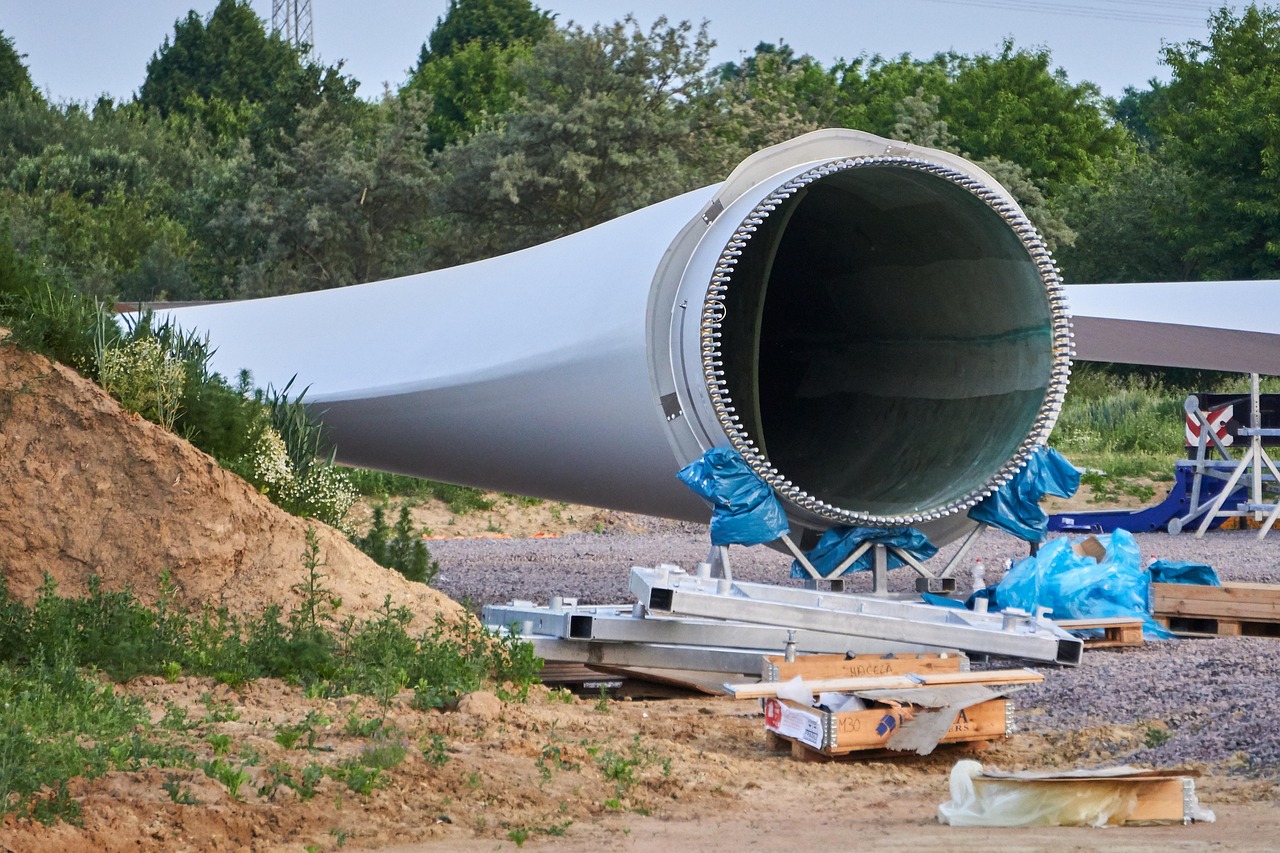
A blade over 70 meters can become a transport problem very quickly. Narrow roads, bridges, village turns, mountain passes, and port cranes all need to be checked. NREL’s 2024 land-based wind technology material notes discuss modular blade concepts and bolted joints as ways to deal with transport barriers for very long blades. For buyers, the practical lesson is simple: check the route before signing the contract. A lower blade price can become expensive if the job needs special trailers, road work, police escorts, or a late change to the delivery plan.
Offshore Designs Need Different Choices
Offshore blades can be longer because sea transport removes many road limits. At the same time, they face salt, humidity, limited access, and higher repair costs. Surface protection, lightning systems, and inspection plans need more attention. A small chip near the leading edge may not look serious in a photo, but in offshore service it can grow fast under rain impact and high tip speed. In many cases, coating quality is the detail that prevents a much larger repair bill.
How Should You Compare Blade Quality Before Buying?
Blade purchasing should not be only a comparison of length, weight, and price. A useful review should cover documents, factory checks, test evidence, and service support. Buyers do not need to become blade engineers, but they do need enough detail to see risk before the blades leave the factory.
Manufacturing Records and Traceability
Ask for records covering material batches, resin mixing, cure cycles, infusion data, non-destructive inspection results, and final acceptance checks. Traceability helps when a defect shows up later. If several blades share the same material batch or mold period, records can help find the affected group. Without records, the owner may inspect too many blades, replace parts too late, or spend months arguing over responsibility.
Surface Finish and Leading Edge Protection
The aerodynamic surface is not a cosmetic item. Roughness, waviness, pinholes, and coating defects can reduce performance and make erosion start earlier. Leading edge protection is most important in rainy, dusty, sandy, or offshore areas. Ask for coating specifications, repair procedures, and field history from similar climates. A desert project and a North Sea project do not wear down a blade in the same way. Procurement tables can hide that difference if the buyer only compares price and length. See also: clean energy.
Load Testing and Certification Evidence
Reliable blade suppliers should provide certification documents and test evidence for static loads, fatigue loads, lightning protection, and quality systems. Standards and certification bodies cannot remove every risk, but they give the project a working baseline. For large orders, factory audits and third-party inspections are also worth doing. If a supplier gives unclear answers about testing, treat it as a warning sign. Good manufacturers usually know their data and can explain it without delay.
What Happens to Wind Blades at End of Life?
End-of-life planning is now part of normal wind procurement. Older projects are reaching repowering age, and local communities often ask where blades will go after service. The answer is getting better, but blade recycling is still not as straightforward as recycling steel.
Repowering Before Full Decommissioning
The U.S. DOE Wind Energy End-of-Service Guide explains that repowering can replace older turbine components with newer technology, sometimes before full decommissioning. For owners, this can extend project life on land that already has roads, permits, and grid access. Blades may be replaced because newer rotors can deliver better output or because the original parts have reached fatigue limits. The final decision is both technical and financial.
Mechanical Recycling and Cement Use
DOE notes that mechanical recycling can grind or shred blade material for use in other products or cement processes. It also states that blades and other composite parts make up about 6% to 14% of turbine mass, while most of the turbine is easier to recycle. That context is important. Blade waste is real, but it is not the whole turbine. Even so, landfill space, local rules, and community opinion can make blade disposal a sensitive issue.
Thermal Recycling and Reuse Markets
Thermal processes can recover glass fibers from composites, and repurposing can turn old blades into bridges, benches, bike shelters, or noise barriers. DOE’s guide projects U.S. blade waste could reach about 200,000 to 370,000 tons per year by 2050, depending on blade operating life. It also estimates 3,000 to 9,000 U.S. blades per year would retire during 2021 to 2026, rising to 10,000 to 20,000 per year by 2040. There is no single public global database that proves exactly how many blades are recycled each year by every recycler. Because of that, recycling claims should be checked case by case.
How Can You Pick Wind Blades for a Real Project?
A practical blade choice starts with the site, not the sales sheet. Wind class, turbulence, temperature, terrain, grid rules, installation route, and service access all shape the right answer. A good blade on the wrong site is still the wrong blade.
Match the Blade to Wind Class
Check whether the blade and turbine platform match the site’s wind class and turbulence intensity. Low-wind rotors may use longer blades to catch more energy, while high-wind sites need blades that can handle heavier loads. Cold climate, typhoon regions, sand, and salt mist need extra review. Do not accept a generic answer if the project has a tough local condition. Local weather will usually expose weak assumptions.
Check Logistics Before the Contract
Map the route from factory to port, port to site, and site entrance to each turbine pad. Check turning radius, bridge limits, road slope, temporary storage, lifting plan, and blade handling tools. For offshore projects, check port laydown space, vessel compatibility, and weather windows. Logistics is not just paperwork. It is the stage where a blade becomes a real load that must move through roads, ports, storage yards, and weather limits.
Balance Price, Warranty, and Service
The lowest blade price may not give the lowest project cost. Compare warranty scope, defect response time, spare blade availability, repair training, coating service, and inspection support. Ask who pays for cranes, vessels, labor, and lost generation in different failure cases. Clear terms help both sides because nobody wants to discuss a blade crack during high-wind season with a contract that leaves key costs unclear.
FAQ
Q1: What Are Wind Blades Usually Made of? A: Most utility-scale wind blades use fiberglass composites, carbon fiber in selected high-load areas, resin systems, core materials such as foam or balsa, adhesives, root hardware, and lightning protection parts.
Q2: How Long Do Wind Blades Last? A: Many blades are designed for about 20 to 25 years of service, but actual life depends on wind conditions, lightning, erosion, maintenance, operating strategy, and whether the project is repowered early.
Q3: Are Longer Wind Blades Always More Efficient? A: Longer blades can capture more energy because they sweep a larger area, but they also add transport, loading, and service challenges. The right length depends on the wind site and project limits.
Q4: Can Wind Blades Be Recycled? A: Yes, but recycling is harder than recycling steel or copper. Current options include mechanical grinding, thermal recovery of glass fibers, cement co-processing, and direct repurposing into useful structures.
Q5: What Should You Check Before Buying Wind Blades? A: Check blade certification, material traceability, factory quality records, leading edge protection, lightning test evidence, logistics route, warranty terms, and service support in the target market.