
Why Is Li Ion Battery Storage Becoming a Default Choice?
Li ion battery storage has moved past the stage of being a small extra item for solar projects. For buyers comparing energy storage solutions for a home, commercial site, telecom base station, or utility project, the reason is clear enough: quick response, smaller space needs, lower battery prices, and a supply chain that is easier to source from. Still, it is not a fit-and-forget product. A battery is a working asset, so it needs proper sizing, good controls, careful installation, and service after commissioning.
Fast Response for Short Power Gaps
A li ion system can respond in milliseconds, so it suits solar smoothing, peak shaving, frequency support, and short backup events. The International Energy Agency noted in its 2024 Batteries and Secure Energy Transitions report that battery storage can provide short-term energy shifting, ancillary services, congestion relief, and access to electricity. That point matters in real projects because storage is no longer only a box waiting for the grid to fail.
High Energy Density in Limited Space
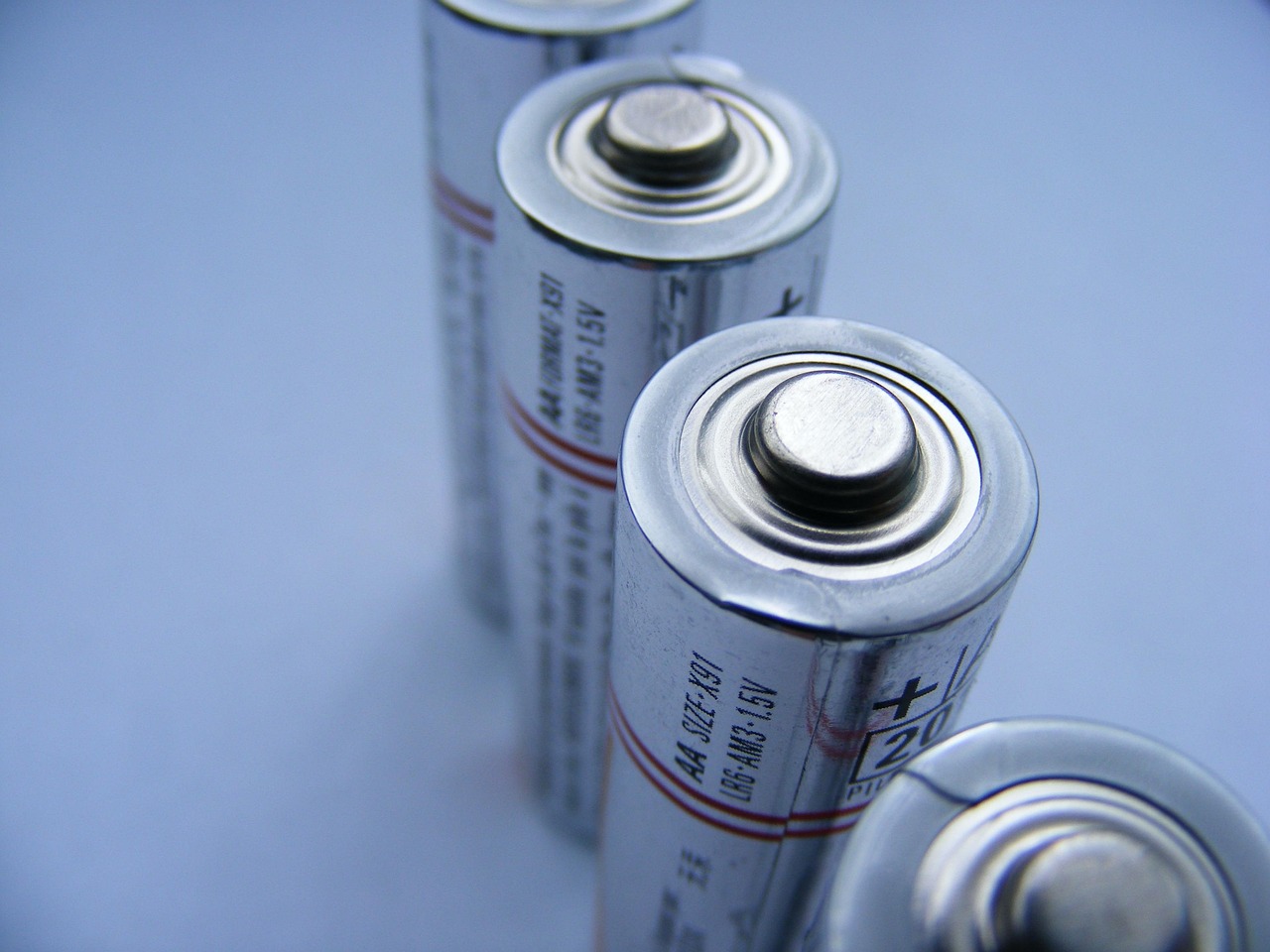
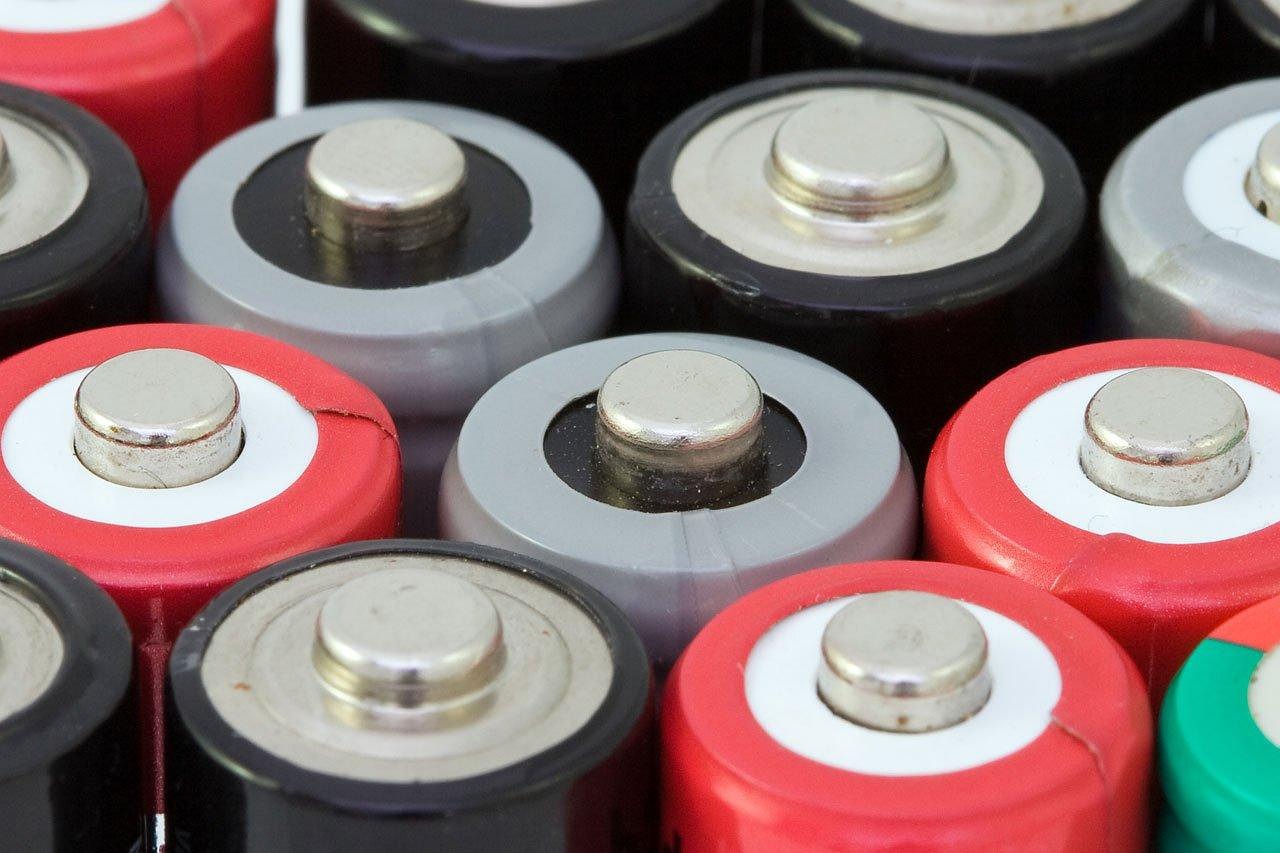
Lithium-ion chemistry can hold a useful amount of energy in a smaller footprint than many older battery types. For a factory with a tight electrical room, or a solar farm where land cost is high, cabinet size and container layout can affect the whole design. LFP, short for lithium iron phosphate, is now common in stationary systems. It gives a practical balance of cycle life, cost, and safety behavior for fixed installations.
Market Growth Backed by Public Data
The U.S. Energy Information Administration reported in February 2026 that developers planned to add 24 GW of utility-scale battery storage in the United States during 2026. That compares with a record 15 GW added in 2025. Earlier EIA data also showed that U.S. utility-scale battery capacity exceeded 26 GW in 2024. In plain terms, many buyers are no longer just testing batteries; they are building projects around them.
How Does a Li Ion Battery Storage System Work in Real Projects?
A storage system is not just battery cells inside a metal cabinet. A full system includes cells, modules, racks, thermal control, fire protection, power conversion, a battery management system, and site-level software. If one part is weak, the project can look fine in a quotation but cause problems in daily operation. It is a bit like buying a truck after checking only the engine.
Cells, Modules, Racks, and Containers
The cell is the smallest electrochemical unit in the system. Cells are built into modules, modules are installed into racks, and racks go into cabinets or containers. In commercial and utility projects, the container often carries HVAC, sensors, wiring, protection devices, and communication equipment. Good mechanical design helps reduce hot spots and makes service work safer. It also keeps cable routing cleaner, which matters more than many buyers expect.
Battery Management and Power Conversion
The battery management system checks voltage, current, temperature, state of charge, and fault signals. The power conversion system changes DC battery power into AC power for loads or the grid. These two parts have to work together without delay or confusion. If the controls are slow or poorly matched, the system may reduce output or trip during load changes. It can also age faster than planned.
Solar, Grid, and Backup Modes
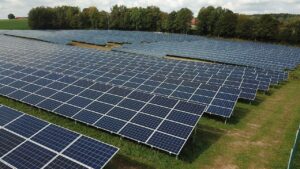
In a solar-plus-storage project, the battery can store midday solar power and discharge it in the evening. In a commercial site, it can help cut demand peaks. In backup use, it can keep key circuits running when the grid goes down. The right mode depends on tariffs, outage records, local interconnection rules, and the cost of lost power. A freezer warehouse and an office building do not need the same battery behavior.
What Should You Check Before Choosing System Size?
Many buyers start with a simple number, such as 10 kWh for a home or 1 MWh for a commercial site. That is fine for an early discussion, but final sizing should come from the load profile. A battery with high energy but low power may run longer, but it may not start a large motor. A battery with high power but short duration may handle peaks, but it may not cover a long outage.
Power Rating and Energy Capacity
Power, measured in kW or MW, shows how much electricity the system can deliver at one time. Energy, measured in kWh or MWh, shows how long it can run. A 1 MW, 4 MWh battery can discharge at full power for about four hours before losses and reserve settings are counted. NREL’s 2024 Annual Technology Baseline treats utility-scale battery storage mainly as lithium-ion and often models 4-hour systems. That shows how common this duration has become in grid planning.
Load Profile and Peak Demand
For commercial users, the monthly demand charge can matter more than the energy charge. A battery that discharges during a 15-minute peak can save money, but only when the control system predicts peaks well. For backup use, list the critical loads first. These may include pumps, lights, servers, medical equipment, security systems, or refrigeration. After that, check starting current, not only steady running power.
Usable Energy and Aging Margin
Nameplate capacity is not the same as usable capacity. The system may keep part of the battery in reserve to protect battery life, meet backup rules, or support emergency shutdown. Capacity also drops over time. There is no single public cycle-life number that fits every product, chemistry, temperature, and duty cycle. Buyers should compare vendor warranties, test reports, and actual operating limits. A neat headline number is not enough for a purchase decision.
Is Li Ion Battery Storage Safe Enough for Homes and Businesses?
Safety is built from details, not from a sales claim. Chemistry choice, certified components, enclosure design, temperature control, spacing, ventilation, monitoring, and trained service all matter. Lithium-ion batteries can enter thermal runaway if they are abused or badly managed, but current systems are designed around prevention and containment. The basic checks may look boring, but they are the parts that protect the site.
LFP Chemistry and Thermal Behavior
LFP chemistry is widely used in stationary storage. NREL’s 2024 technology data states that LFP became the primary chemistry for stationary storage starting in 2022. This does not mean every LFP system is safe by default. It means the market has moved toward a chemistry that fits fixed installations well. In these projects, space and weight are often less critical than in passenger cars.
Standards, Testing, and Installation Rules
UL 9540A evaluates thermal runaway fire propagation in battery energy storage systems. NFPA 855 covers the installation of stationary energy storage systems. UL Solutions and NFPA both describe these as key references for code officials, installers, and system owners. For buyers, the message is simple: ask for test documents, not broad safety statements. If a seller avoids that request, slow down the process.
Monitoring, Ventilation, and Maintenance
A good system tracks abnormal temperature, voltage spread, insulation faults, smoke signals, and communication loss. Ventilation and clear service space help technicians work without guesswork. Maintenance should include firmware checks, alarm review, thermal inspection, cleaning, and emergency procedure drills. A logbook may not look important on day one. After several years of operation, it can save a project from bigger trouble. See also: clean energy.
How Do Costs and Payback Really Look in 2026?
Battery costs have dropped, but the installed price is still more than the battery pack. Civil work, containers, inverters, transformers, switchgear, fire systems, permits, shipping, controls, and commissioning all add cost. Payback depends on how the battery saves money or earns revenue on that site. A low-priced system with poor software can underperform, while a higher-priced system matched to the right use case can pay back sooner.
Battery Pack Prices Keep Falling
BloombergNEF reported in December 2024 that average lithium-ion battery pack prices fell 20% from 2023 to a record low of USD 115 per kWh. This was a global average across battery uses. It was not the installed price of a finished storage project. Even so, it explains why more buyers are asking for battery proposals now. Lower cell and pack costs make the full project easier to justify.
Installed Cost Includes More Than Cells
The battery pack is only one part of the bill. A grid-tied commercial project may need a transformer, protection relays, utility review, metering, EMS software, and construction work. A home backup system may need a critical load panel and inspection. If two quotes show a large price gap, compare the scope before comparing the unit price. One supplier may include site work and controls, while another may leave those items outside the offer. That difference can change the real cost after installation starts.
Value Comes from Stacked Use Cases
The stronger projects often use the battery in more than one way. Common uses include solar self-consumption, demand control, backup, time-of-use shifting, and grid services. IRENA reported in its 2024 renewable power cost analysis that falling storage costs are creating more economic opportunities for time shifting, especially where solar PV penetration is high. That fits what many project teams see in practice. Batteries work best when they solve a clear local problem, not when they are bought only because the price looks low.
Which Buyer Questions Separate a Good System from a Risky One?
Buying storage is not the same as buying a normal appliance. You are choosing an energy asset that may stay on site for ten years or longer. A capable supplier should be able to explain chemistry, design, warranty, service response, monitoring, and code documents in direct terms. A short checklist helps keep the discussion practical.
Warranty, Degradation, and Service Terms
Ask how the warranty defines end-of-life capacity, cycle limits, operating temperature, depth of discharge, and allowed applications. A warranty may look long but still exclude daily cycling, high C-rate discharge, or outdoor heat. Service response is also part of the real value. If the system protects a production line, slow spare parts can be very expensive. In some cases, downtime can cost more than the battery itself.
Certifications and Local Code Approval
Request UL 9540 listing where relevant, UL 9540A test data, inverter certifications, fire documents, and installation manuals. Local rules are not the same in every market. The authority having jurisdiction may ask for spacing, signage, shutoff access, and emergency plans. These items should be checked before shipment. It is much easier to solve code issues before containers arrive at the gate.
Supplier Experience and Project Fit
Look for project experience close to your own use case. A supplier strong in telecom backup may not be the best fit for a grid-scale solar plant, and the reverse is also true. Ask for similar project references, commissioning steps, monitoring screenshots, and after-sales workflow. A good storage supplier should sound technical, but not unclear. If every answer becomes a buzzword, keep asking for project details.
- Match kW, kWh, and discharge duration to your load profile.
- Check chemistry, enclosure design, and thermal control.
- Ask for standards documentation and test reports.
- Compare full installed scope, not only battery pack price.
- Plan for maintenance, software support, and future capacity fade.
FAQ
Q1: Is Li Ion Battery Storage Better Than Lead-Acid Storage? A: In most new solar and backup projects, yes. Lithium-ion systems usually provide higher usable energy, faster charging, less maintenance, and longer service life. Lead-acid can still work for simple low-budget backup, but it is less common in modern commercial storage.
Q2: How Long Can a Li Ion Battery Storage System Run My Loads? A: It depends on usable kWh and load size. A 20 kWh usable battery can run a 2 kW critical load for about 10 hours before losses and reserve settings. It is better to size from measured loads instead of rough guesses.
Q3: Is LFP the Same as Li Ion? A: LFP is one type of lithium-ion battery chemistry. It uses lithium iron phosphate as the cathode material. It is widely used in stationary energy storage because it gives a workable balance of safety, life, and cost.
Q4: Can Battery Storage Work Without Solar Panels? A: Yes. A battery can charge from the grid and discharge during peak-price hours or outages. Solar can improve the value in many projects, but it is not required for every storage use case.
Q5: What Is the Biggest Mistake When Buying Battery Storage? A: The biggest mistake is buying by price per kWh alone. Buyers should compare usable capacity, power rating, controls, warranty terms, safety documents, installation scope, and service support before making a decision.