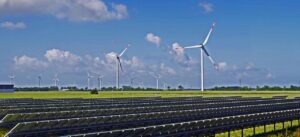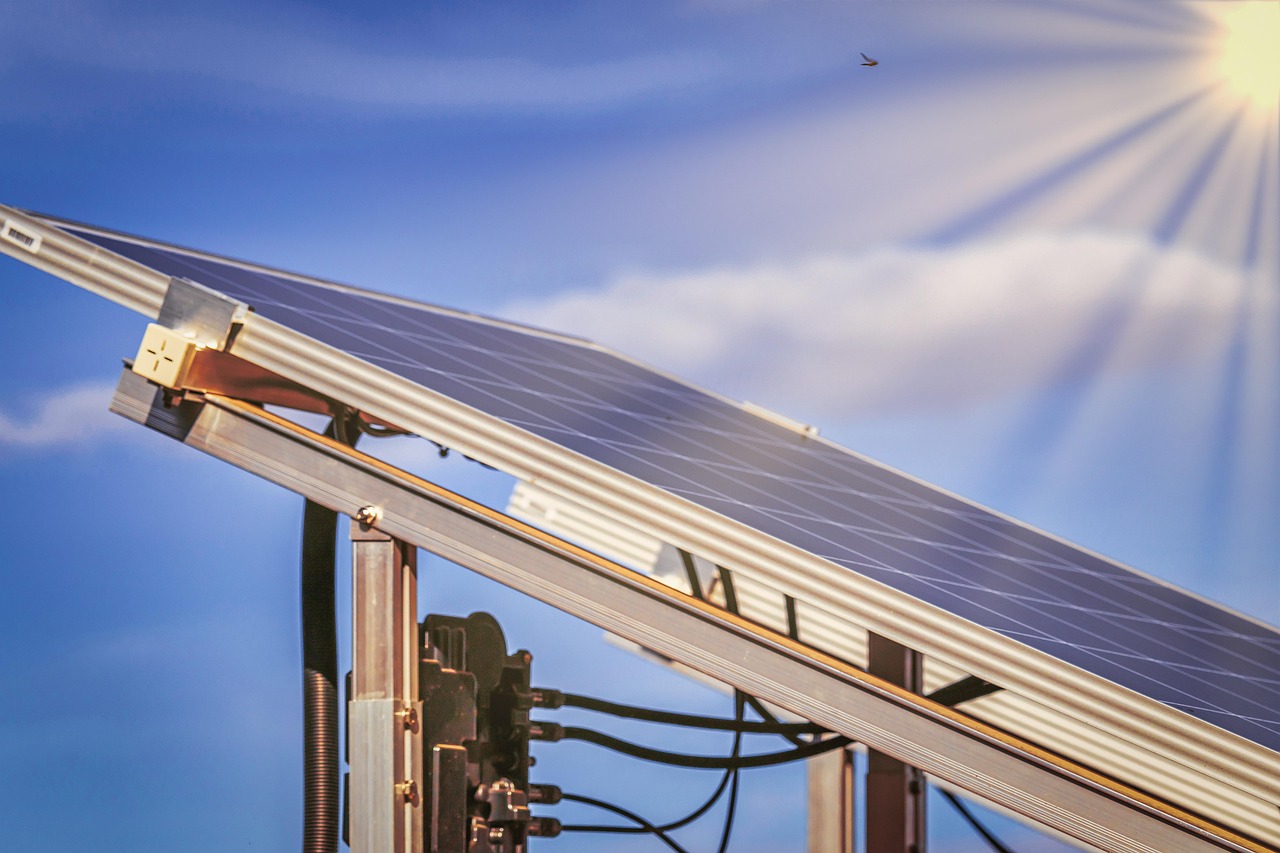

A solar cell is the part inside a photovoltaic product that does the power work. It changes sunlight into direct current electricity, and then modules, inverters, and cables move that power to the load or to the grid. If you are comparing panels, components, or full clean-energy systems, the solar category is a useful place to check related options.
This guide uses public industry data from IEA PVPS, IRENA, NREL, and Fraunhofer ISE. Source names and report dates are kept in the text, so buyers can read the figures with some context and avoid relying only on datasheets, lab records, or neat-looking price quotes.
What Is a Solar Cell and How Does It Work?
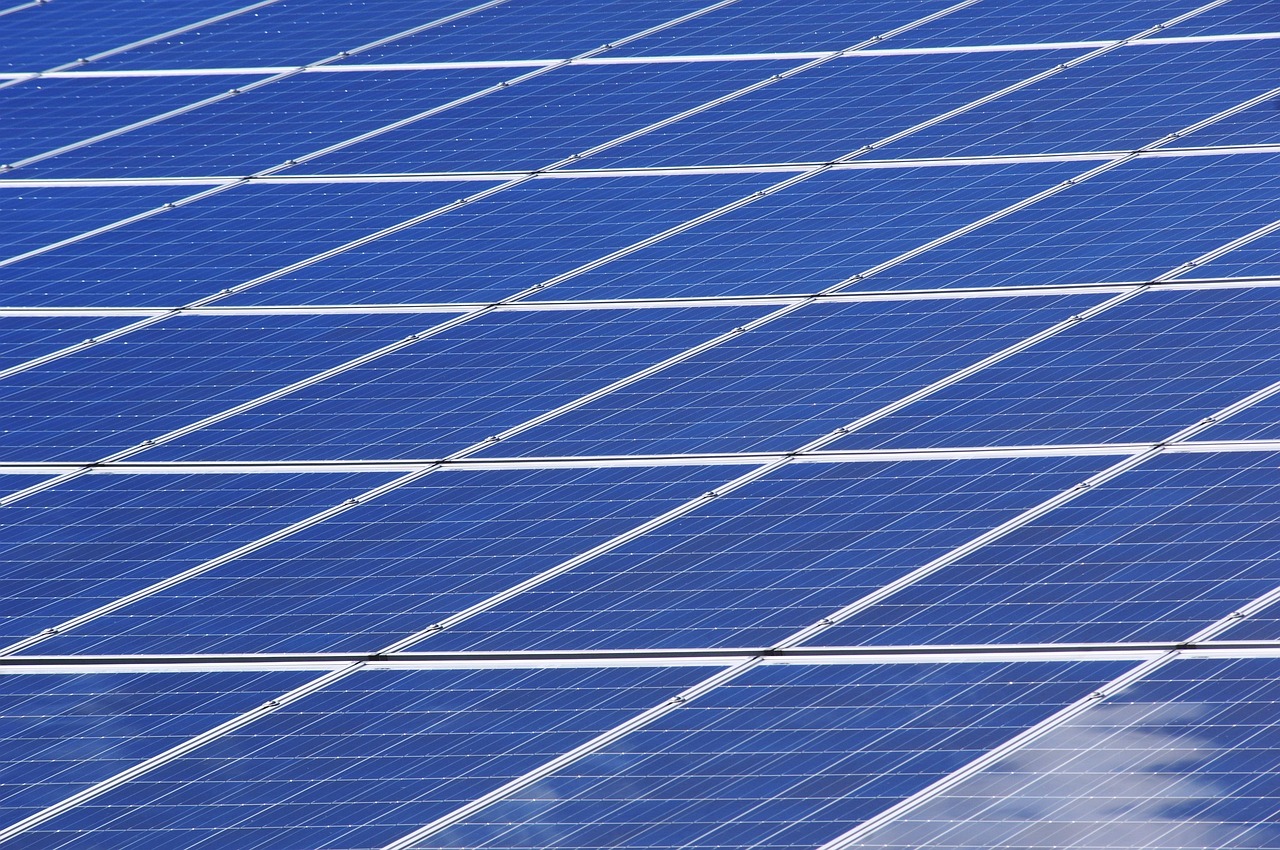
A solar cell is not the same thing as a solar panel, although people often mix the two terms in daily work. The cell is the power-making unit, while a module, often called a panel, puts many cells together behind glass and protection layers. Once this difference is clear, many technical points become easier to read.
The Active Layer That Creates Current
Most commercial solar cells today use crystalline silicon. Silicon is processed so it can take in light and move electrical charges. When sunlight reaches the cell, photons pass energy to electrons, and those electrons move through a circuit to create direct current. One cell only makes a small amount of power, but hundreds of cells wired together can support homes, farms, telecom sites, factories, and large ground-mount plants.
The Built-In Field That Guides Electrons
A cell needs light, but light alone is not enough. It also needs an internal electric field, usually made by joining semiconductor layers that have been treated in different ways. This field sends electrons one way and holes the other way. Without that movement, sunlight would create excited charges, but the cell would not deliver much useful power. That is why cell architecture matters. PERC, TOPCon, HJT, and other designs are different methods for collecting more usable energy.
The Module That Protects the Cells
Cells are thin, and they can crack if they are not protected well. A module protects them with glass, encapsulant, a backsheet or rear glass, a frame, and junction boxes. It also connects cells in series and parallel so voltage and current reach working levels. In real projects, the module package can affect long-term value as much as the cell itself, especially on hot, wet, windy, or dusty sites.
Which Solar Cell Types Matter Most Today?
If you are buying for a project, you do not need to follow every lab concept. You need to know which technologies are common, bankable, and suitable for the site. The market has moved quickly in the last few years, and older labels still show up in quotes even when newer cell types are already common in supply.
Monocrystalline Silicon Dominates Production
Fraunhofer ISE reported in its Photovoltaics Report 2026 that silicon wafer-based technology accounted for about 98% of total PV production in 2025. For most buyers, that gives a clear answer: monocrystalline silicon is the main choice. It has wide supplier support, mature production, known field behavior, and a testing system that the industry already understands. This also makes supplier comparison easier than with less common technologies.
TOPCon and HJT Replace Older PERC Designs
PERC helped the industry raise efficiency for many years, but n-type cell designs are now used in many higher-performance product lines. Fraunhofer ISE noted that n-type wafers held an 86% share in 2025 according to ITRPV, and monocrystalline n-type TOPCon had become dominant. HJT is also used when buyers want high efficiency and better temperature behavior. For a purchase order, the name alone is not enough. Ask for the exact cell type, module power bin, temperature coefficient, warranty terms, and production batch traceability.
Thin Film and Tandem Cells Fit Special Use Cases
Thin film has not gone away, but it only takes a small part of today’s market. Fraunhofer ISE placed thin film technology at about 2% to 3% market share in recent production data. Tandem cells, such as perovskite-silicon, get attention because they stack materials to use more of the solar spectrum. Even so, many commercial buyers should treat tandem technology as something to watch unless the supplier can show bankable warranties, volume production, and field results.
How Efficient Can a Solar Cell Be in Real Projects?
Efficiency is useful, but it can lead buyers in the wrong direction if the numbers are not compared on the same basis. Lab cell efficiency, commercial module efficiency, and real annual energy yield are not the same thing. A record cell in a lab does not mean a shipment of modules will perform the same way on a hot roof in July.
Lab Records Set the Ceiling
NREL’s Best Research-Cell Efficiency chart, revised in May 2026, tracks confirmed record efficiencies across many PV technologies. Fraunhofer ISE’s 2026 report lists a 28.1% record lab efficiency for monocrystalline wafer-based technology, 35.2% for perovskite-silicon tandem cells, and up to 47.6% for high-concentration multi-junction cells. These records show the technical ceiling, not the result every commercial shipment can deliver. Buyers should read them as direction, not as a delivery promise.
Commercial Modules Show Real-World Ranges
Commercial module figures are lower because cells are packaged, interconnected, and exposed to normal losses. Fraunhofer ISE reported that the shipment-weighted average efficiency of crystalline silicon wafer-based modules was 22.7% in Q4 2024, up from 21.6% in Q4 2023. The same dataset placed the highest value in that group at 24.8%. On a rooftop with little space, a few percentage points can make a difference. On a large ground site, energy yield, price, land use, and operating risk may carry more weight.
Small Layout Choices Change Annual Yield
A high-efficiency module can still perform badly if the layout is poor. Shade from a vent pipe, wrong tilt, dirty glass near a dusty road, and weak cable design all reduce production. NREL’s PVWatts tool uses system losses to estimate real output, and its documentation reminds users that performance predictions depend on assumptions and have uncertainty. In simple terms, do not buy only a cell efficiency number. Buy a design that matches the site.
What Should You Check Before Buying Solar Cells or Modules?
A good purchase check may look plain on paper, but it can save a lot of trouble later. Careful buyers review power rating, tolerance, test conditions, degradation, packaging, and supplier control. The cheapest watt is not always the lowest-cost watt after five summers, two hailstorms, and one rough shipment.
Power Tolerance and Measurement Discipline
Read the power tolerance before anything else. A module labeled 580 W with positive tolerance only is not the same as one that may ship below nameplate. Fraunhofer ISE announced in 2025 that its CalLab PV Modules team had evaluated more than 70,000 module power measurements since 2012 and analyzed 1,034 monocrystalline silicon module measurements under standardized conditions. The finding was not comfortable, but it was useful: since around 2017, negative differences between manufacturer power data and lab measurements had been increasing. This does not mean every supplier overstates output. It means buyers should ask for flash-test data, calibration details, and independent inspection when the project size justifies the cost.
Degradation Warranty and Field Risk
Solar cells lose output over time. Heat, moisture, UV exposure, mechanical stress, poor encapsulation, and electrical mismatch can all reduce production. NREL’s 2024 PV Fleet research used data from 25,000 inverters across almost 2,500 U.S. commercial and utility-scale sites. It found a median performance loss rate of 0.75% per year, while 90% of studied systems had losses below 2% per year. That field data matters because warranty sheets often look cleaner than real outdoor life. Check first-year degradation, annual degradation, and the guaranteed output after 25 or 30 years. See also: clean energy.
Certifications Packaging and Batch Consistency
Certifications such as IEC 61215 and IEC 61730 are basic entry requirements, not nice add-ons. Buyers should also check bill of materials control, cell sourcing, lamination quality, connector type, frame strength, and pallet packing. For overseas shipments, packaging is not a small detail. A container may pass through heat, humidity, vibration, and rough handling before it reaches the site. A good cell can become part of a weak module if microcracks start before installation.
How Do Costs and Market Growth Shape Your Decision?
Solar cell pricing is linked to technology, factory scale, polysilicon supply, wafer size, trade rules, inventory pressure, and local project costs. A buyer in the United States, Europe, the Middle East, or Southeast Asia may receive different landed prices even when the cell technology looks similar.
Global Demand Supports Supply Chains
IEA PVPS reported in Trends in Photovoltaic Applications 2025 that global cumulative installed PV capacity surpassed 2,260 GW by the end of 2024, with 553 GW to 601 GW newly installed worldwide during 2024. China accounted for nearly 60% of new installations, the European Union added 66 GW, and the United States installed 47 GW. This scale supports lower manufacturing cost and wider product choice. It also means technology changes quickly, so a quote from six months ago may already feel outdated.
LCOE Shows More Than Cell Price
IRENA’s Renewable Power Generation Costs in 2024 placed the global weighted-average levelized cost of electricity for newly commissioned utility-scale solar PV at USD 0.043 per kWh. It also reported that utility-scale solar PV LCOE fell 90% from 2010 to 2024, while global crystalline silicon module costs dropped 97% between January 2010 and December 2024. The point for buyers is simple: cell price matters, but it is only one part of the result. Total system cost, financing, installation quality, capacity factor, and operating life decide the final cost of electricity.
Bankable Quality Beats the Cheapest Watt
Very low prices can be real, especially when supply is heavy. They can also hide weaker quality control, older inventory, mixed cell batches, or poor after-sales support. When two offers look close, compare warranty insurer, factory audit history, linear power warranty, temperature coefficient, module efficiency, packaging, delivery schedule, and documents. A few cents saved at purchase can disappear fast if the project loses energy year after year.
How Can You Choose the Right Solar Cell for Your Application?
The right solar cell choice depends on the job. A rooftop with limited space does not have the same priorities as a desert utility plant. A boat, vehicle, or portable power unit adds weight, vibration, and shape limits. There is no single winner for every use, and that is just how this market works.
Rooftop and Space-Limited Projects
For rooftops, higher-efficiency monocrystalline modules often make sense because area is limited. TOPCon or HJT products can help fit more power on the same roof. Check fire classification, wind and snow load, black-frame appearance if it matters, and shade behavior. If the roof has many small obstructions, module-level electronics may be worth discussing with the system designer.
Utility and Ground-Mount Projects
For ground-mount plants, the better choice is often the lowest reliable energy cost, not the highest cell efficiency. Bifacial n-type modules can work well with trackers and reflective ground surfaces. The gain still depends on albedo, row spacing, tracker design, and cleaning practice. Ask for yield simulations instead of relying only on module brochures. Also check whether local grid rules, interconnection delays, or land constraints will affect the final project return.
Harsh Climate or Mobile Uses
Hot, humid, coastal, agricultural, and mobile settings need more careful selection. Salt mist resistance, ammonia resistance, anti-PID behavior, stronger glass, flexible formats, or lighter modules may matter more than headline efficiency. In a desert site, soiling and cleaning water can become a real operating cost. In a coastal site, connectors and frames need extra attention. A good solar cell choice starts with sunlight, but the final decision depends on climate, mounting, maintenance, and the people who will operate the system.
FAQ
Q1: What Is the Difference Between a Solar Cell and a Solar Panel? A: A solar cell is the semiconductor device that makes electricity from sunlight. A solar panel, or module, contains many cells plus glass, encapsulant, wiring, frame, and protection parts.
Q2: Which Solar Cell Type Is Best for Most Projects? A: Monocrystalline silicon is the main choice for most projects today. For higher-performance products, n-type TOPCon and HJT are common options, depending on budget, space, and supplier quality.
Q3: Does Higher Solar Cell Efficiency Always Mean Better Value? A: Not always. Higher efficiency helps when space is limited, but real value also depends on price, degradation, temperature behavior, warranty strength, installation design, and annual energy yield.
Q4: How Long Can Solar Cells Keep Producing Power? A: Many quality modules are sold with 25-year or 30-year power warranties. Actual field performance varies by climate, materials, installation quality, and maintenance, so degradation terms should be checked carefully.
Q5: What Data Should You Request Before Buying Solar Modules? A: Ask for datasheets, flash-test reports, IEC certificates, warranty documents, bill of materials control, packaging details, factory audit information, and references from similar projects when available.