
Why Is Solar Still a Strong Business Case in 2026?
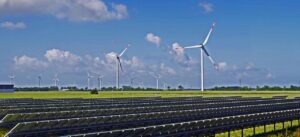
Solar is not just an add-on for green branding anymore. For many factories, warehouses, farms, hotels, and office parks, it is a normal way to reduce grid power use and get better control over energy costs. If you are checking system sizes, components, and project models, the solar category is a practical place to start.
Global Demand Is Still Expanding
The business case starts with market size. The International Energy Agency reported in its Global Energy Review 2026 that global renewable capacity additions reached about 800 GW in 2025, with solar PV making up more than three quarters of new renewable capacity. The same report said annual solar PV additions passed 600 GW for the first time, bringing cumulative solar PV capacity to around 2,800 GW. This volume matters because large demand often means steadier supply chains, more trained installers, and more product choices for buyers. (iea.org)
Lower Energy Risk Matters More Than Ever
Solar will not remove every power bill. It can still cut the amount of electricity your site buys from the grid during sunny hours. For a cold storage warehouse, plastic molding line, water pump, or daytime office load, that can be useful. The value is not only the lower cost per kilowatt-hour; it also means less exposure to fuel price changes, higher demand, and future grid limits. Even a modest rooftop system can work like a simple hedge above the loading dock.
Solar Fits Both Large Sites and Smaller Loads
Some buyers still think solar only suits large utility projects. In daily project work, it can fit many site sizes. A 50 kW rooftop array may support a small workshop, while a 500 kW system may fit a factory with stable daytime demand. A multi-megawatt ground system can serve a campus or industrial park. The point is not to choose the biggest system; the point is to match output with the way the site uses power.
What Should You Check Before Buying a Solar System?
A good solar project starts before any panel reaches the site. Drawings, load data, roof checks, and utility rules all affect the final return. This part is not exciting, but it is where many costly mistakes are found early.
Your Daytime Load Profile
Ask for at least 12 months of electricity bills and, if possible, interval data from the meter. Solar produces most of its power during the day, so a site that runs machines, pumps, chillers, or air conditioning in daylight often gets better value. A school, warehouse, or supermarket may use much of the power on-site. A facility that works mainly at night may still benefit, but storage or export rules become more important.
Roof, Land, and Grid Conditions
For rooftop solar, check roof age, waterproofing, structure, shade, fire access, and space around HVAC units. For ground-mounted solar, check soil, fencing, drainage, and cable routes. Grid connection is just as important because a weak local transformer or limited export approval can slow down a good technical design. Nobody wants a clean-looking project sitting idle for months because the interconnection form was handled too late.
Local Policy and Utility Rules
Incentives, net billing, demand charges, and time-of-use tariffs can change the project economics by a lot. In the United States, the Solar Energy Industries Association and Wood Mackenzie reported that the U.S. solar industry installed 43.1 GWdc in 2025, even with policy and trade uncertainty, and PV solar made up 54% of all new electricity-generating capacity additions that year. This shows demand is still strong, but it also shows that rules and market conditions can affect the project schedule. Buyers should check local policy before treating any payback number as fixed. (seia.org)
How Do Solar Costs Compare with Traditional Power?
Solar cost is not one fixed number. A utility-scale project, a commercial rooftop, and an off-grid farm system all have different cost structures. Even so, public data gives a useful reference when you need to judge whether an offer is reasonable.
Utility-Scale Solar Has Matured
The International Renewable Energy Agency reported that the global weighted average cost of electricity from new utility-scale solar PV was USD 0.043 per kWh in 2024. It also reported that the total installed cost of utility-scale solar PV projects commissioned in 2024 averaged USD 691 per kW, down 87% from 2010. The message is direct: solar has moved from a costly alternative to regular power equipment in many markets. For buyers, this makes price checking easier, but it does not remove the need to review design and components. (irena.org)
Storage Changes the Real Cost Picture
Solar makes electricity when sunlight is available, not always when your meter needs it most. That is why battery storage is now part of many business discussions. IRENA reported that utility-scale battery storage costs fell 93% from 2010 to 2024, reaching USD 192 per kWh in 2024. With the right design, a battery can move part of daytime solar output into evening use, reduce short peaks, and keep key loads running during brief outages. (irena.org)
Payback Depends on Your Tariff
A cheap system is not always a good system, and a higher priced system is not always a poor choice. Payback depends on your local electricity price, demand charges, export payment, financing cost, roof work, tax treatment, and maintenance plan. In a region with high daytime tariffs, solar may pay back faster. In a low-tariff region with weak export value, you may need a smaller system, higher self-use, or storage. Compare lifetime energy value, not only the invoice total.
Which Solar System Type Is Right for Your Site?
The right system type depends on space, load, budget, and how much control you need. Most business buyers compare rooftop, ground-mounted, and solar-plus-storage designs. Hybrid designs are also common because real sites rarely look simple once bills, roofs, land, and grid rules are checked together.
Rooftop Solar for Existing Buildings
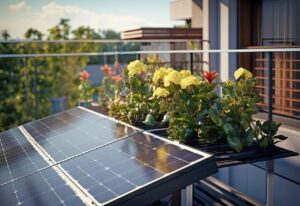
Rooftop solar uses space that is already available, so it is often the first choice for commercial buildings. It can shade the roof, lower daytime grid use, and avoid land purchase. The limits are roof strength, orientation, usable area, and roof life. If the roof may need replacement in five years, it is better to handle that before installing panels. Removing panels later is possible, but it adds cost and causes avoidable work.
Ground-Mounted Solar for Bigger Loads
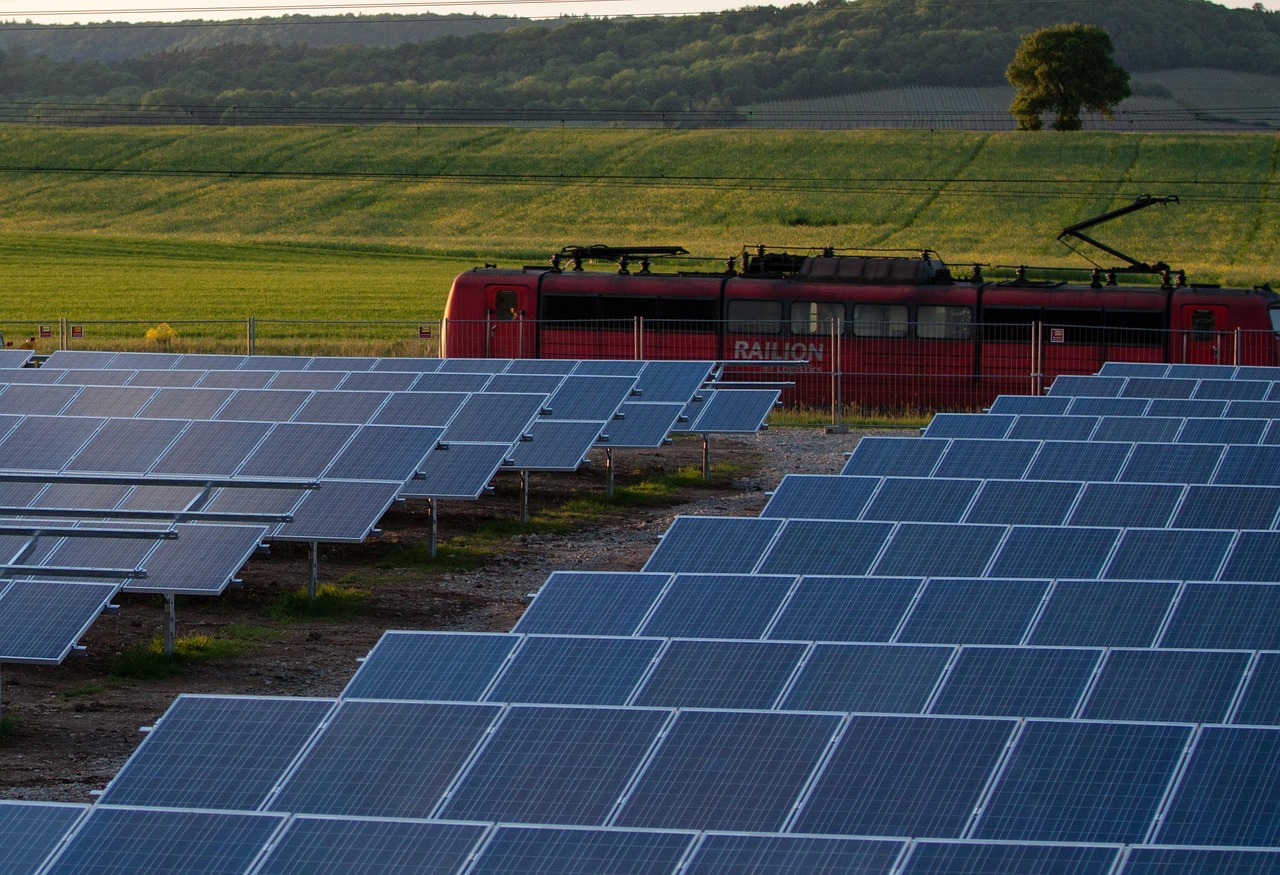
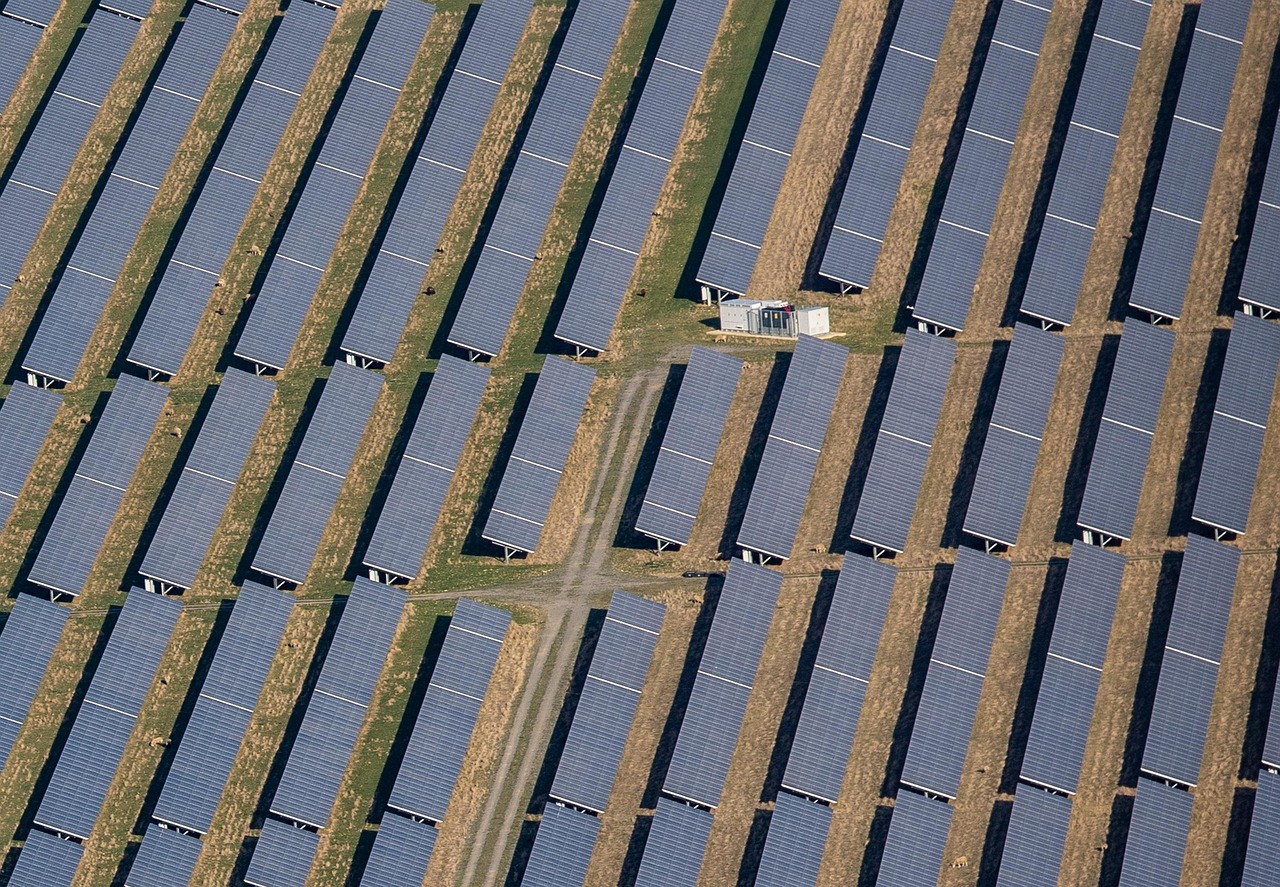
Ground-mounted systems are easier to service and can be set at a good angle for production. They suit factories, agricultural sites, logistics parks, mining camps, and water treatment plants with spare land. They also allow larger arrays than most roofs. The tradeoff is land use, civil work, fencing, and sometimes longer cable runs. A practical layout should leave room for vehicles, maintenance, and future expansion.
Solar Plus Storage for Peak Control
Solar plus storage can make sense when your tariff penalizes short peaks or when your operation needs backup for selected loads. The U.S. Energy Information Administration reported in February 2026 that U.S. developers planned 86 GW of new utility-scale generating capacity for 2026, with solar making up 51% and battery storage 28% of planned additions. This mix shows that the two technologies are now often planned together. For business users, the decision still needs to match the load curve and tariff, not just follow the market trend. (eia.gov)
How Can You Choose Reliable Solar Products?
Product quality decides whether the project keeps working after the sales team leaves. A solar plant stays outdoors for decades and faces heat, rain, wind, dust, and electrical stress. The lowest quote can look fine on a spreadsheet, then become a problem in year four. See also: clean energy.
Module Quality and Degradation
Panels slowly lose output over time. NREL has stated that solar modules generally degrade by about 0.5% to 1% per year, and many projects consider around 20% output loss from original power as a key lifetime marker. That is why buyers should read the linear power warranty, product warranty, test certificates, and bill of materials. A small degradation gap may look minor in year one, but over 25 years it can mean a large amount of lost energy. (nrel.gov)
Inverters, Mounting, and Safety Parts
Panels get most of the attention, but inverters, mounting, DC cables, connectors, combiner boxes, breakers, and surge protection make the system safe and useful. Ask whether the inverter fits your grid voltage and whether replacement parts will be available later. For coastal, desert, or high-snow sites, mounting material and corrosion resistance matter. A project is only as strong as the ordinary parts that keep it running every day.
Supplier Documentation and After-Sales Support
Ask for datasheets, warranty terms, serial number tracking, packing lists, installation manuals, and test reports before shipment. For trade buyers, documentation is not just paperwork for a file. It helps with customs clearance, installer training, warranty claims, and future resale value. A supplier that answers technical questions clearly before purchase is usually easier to work with when a field issue appears.
What Mistakes Should You Avoid Before Signing?
Buying solar is not like buying a small appliance. The project includes engineering, finance, logistics, permits, and long-term service. Before signing, slow down and check a few practical points.
Comparing Only the Panel Price
Module price matters, but it is only one part of the full system cost. When I compare offers, I first check whether both suppliers are quoting the same scope and the same service level.
- Modules, inverters, mounting, cables, and protection devices
- Design, installation, testing, permits, and grid connection
- Freight, insurance, duties, spares, monitoring, and maintenance
- Warranty process, response time, and replacement terms
If two quotes are far apart, check what is missing before choosing the lower one. The lowest panel price can still lead to a higher project cost if key items are excluded.
Ignoring Maintenance Access
Panels need cleaning in dusty areas, vegetation control on ground sites, electrical inspections, and sometimes inverter replacement. Leave walkways, safe roof access, and enough room around equipment. Maintenance is easier when it is included in the design from the start. If technicians need risky work to reach an inverter, service will cost more and take longer.
Skipping Data Monitoring
Monitoring shows whether the system is producing as expected. Without it, small faults can stay hidden for months. At minimum, track daily generation, inverter status, alarms, and site consumption. For larger projects, compare actual output with expected output using weather data. Clear data makes warranty claims easier and gives the finance team numbers they can use.
FAQ
Q1: Is Solar Worth It for a Small Business? A: Yes, it can be worth it if your business uses enough daytime electricity and your local tariff gives fair value for self-consumption or export. A site survey and bill review should come first.
Q2: How Long Do Solar Panels Usually Last? A: Many commercial panels are designed for 25 years or more, but output slowly falls over time. Degradation rate, installation quality, weather, and maintenance all affect real performance.
Q3: Do You Need a Battery with Solar? A: Not always. A battery helps when you have evening loads, demand charges, weak grid reliability, or low export payments. If most of your load is during sunny hours, a battery may be optional.
Q4: What Is the Biggest Risk in a Solar Project? A: The biggest risk is poor project design. A system that ignores roof limits, grid rules, load patterns, or product quality may deliver weak returns even if the panel price looks low.
Q5: How Should You Compare Solar Suppliers? A: Compare technical documents, warranty terms, project references, component brands, delivery ability, and after-sales response. Price matters, but long-term energy output matters more.