
Are Electric Vehicles Still Growing in 2026?
If you are comparing electric vehicles with gasoline or diesel models, start with the market picture. Demand is still growing, but it does not look the same in every country. Some mature markets have moved past the easy first wave of buyers. In other places, electric cars, vans, buses, and two-wheelers are only now moving from early users to normal household and fleet buyers.
Global Sales Are Now Mainstream
The International Energy Agency reported in its Global EV Outlook 2026 that global electric car sales grew by 20% in 2025 and exceeded 20 million units. In plain terms, one in four new cars sold worldwide was electric. This is no longer a small market sitting in a few wealthy cities. Vehicle makers, charging operators, fleets, and energy companies now have to include it in regular planning.
China Leads the Volume Race
China remains the largest electric vehicle market by a wide margin. The IEA stated that more than 13 million electric cars were sold in China in 2025, equal to nearly 55% of all new car sales there. Chinese automakers also supplied about 60% of global electric car sales in 2025. For buyers, this matters because China’s scale has helped bring down battery, motor, power electronics, and vehicle production costs. More model choice also gives buyers more room to compare price and specification.
Emerging Markets Are Catching Up
Growth is not only happening in China, Europe, or the United States. The same IEA report said Southeast Asian electric car sales more than doubled in 2025 and reached nearly 20% sales share, led by Viet Nam, Indonesia, and Thailand. Latin America grew by 75%, led by Brazil and Mexico. If you sell energy systems, fleet services, charging hardware, or vehicle components across borders, electric vehicles should not be treated as a future topic only. In many markets, customers are already asking for them.
How Do Electric Vehicles Change Your Real Ownership Cost?
The sticker price gets attention first, but it is only one part of the cost. Fuel, maintenance, charging access, resale value, incentives, and downtime all affect the final number. A cheap vehicle is not cheap if it waits for parts. A higher-priced EV can still make sense if it charges at low-rate hours and stays on the road.
Battery Prices Keep Moving Down
Battery cost is one of the main reasons electric vehicles have become easier to justify. BloombergNEF’s 2025 Lithium-Ion Battery Price Survey reported that average lithium-ion battery pack prices fell 8% from 2024 to a record low of $108 per kilowatt-hour in 2025. The IEA also noted that average battery prices declined by 8% in 2025. Manufacturing improvements, technology changes, strong competition, and lower prices for some critical minerals all played a part.
Home Charging Changes the Math
For many drivers, the best savings come from charging at home or at a depot. The U.S. Energy Information Administration listed the 2025 average residential electricity price at 17.30 cents per kilowatt-hour. If an EV uses about 30 kWh per 100 miles, the rough energy cost is about $5.19 per 100 miles before local fees, charging losses, or time-of-use rates. Gasoline prices move by region and season, but this comparison shows why charging habits can be just as important as the vehicle you buy.
Fewer Service Items Lower Downtime
Battery electric vehicles do not need oil changes, spark plugs, exhaust systems, or many engine-related service parts. They still need tires, brakes, cabin filters, coolant checks, software updates, and suspension work. Heavy EVs can wear tires faster if torque and weight are not managed well. Even so, for city delivery, shuttle service, and fixed routes, fewer moving parts often mean fewer workshop visits. For a fleet manager, that is not exciting, but it is useful.
Are Electric Vehicles Really Cleaner Than Gas Cars?
The honest answer is not a slogan. Electric vehicles have no tailpipe emissions, but electricity generation, battery production, materials, logistics, and end-of-life handling all count. A serious buyer should look at the full life cycle. The charging cable alone does not tell the whole story.
Zero Tailpipe Emissions Matter in Cities
The U.S. Environmental Protection Agency states that battery electric vehicles produce no tailpipe emissions. This matters most in places where people live, work, wait for buses, walk to school, or unload goods on narrow streets. Local air quality is a real issue when vans idle near warehouse doors or buses stop every few blocks. EVs do not remove every pollution source, but they remove exhaust at the point of use.
Life Cycle Data Favors EVs
The U.S. Department of Energy’s R&D GREET life cycle model gives a useful benchmark. Based on R&D GREET 2024 with simulation year 2025, the DOE says a representative 2025 electric SUV produces 46% less greenhouse gas emissions than a comparable gasoline vehicle over its life cycle. This includes vehicle and battery production, fuel production and use, end-of-life factors, and related infrastructure emissions. It is not a perfect answer for every grid or every model, but it is a solid data point from a public research framework.
Clean Grids Strengthen the Benefit
As electricity gets cleaner, electric vehicles usually get cleaner in operation. Solar, wind, hydro, nuclear, and storage can lower the carbon intensity of charging. The IEA also reported that the global EV fleet avoided about 1.7 million barrels of oil demand per day in 2025. That is large enough to matter in energy planning, fuel demand forecasts, and policy discussions.
What Should You Check Before Buying Electric Vehicles?
Good EV buying starts with your route, not the brochure. A range figure may look fine on paper, but your real route has traffic, hills, payload, heating or air conditioning, charging gaps, and driver habits. Start with the daily job. Then choose the vehicle around that job.
Daily Mileage Comes First
List the normal daily miles, the longest weekly route, and the rare emergency trip. If a delivery van travels 70 miles most days and 130 miles on peak days, a 250-mile rated EV may be enough with overnight charging. If the same van tows, climbs hills, or runs heat in winter, you need more buffer. A practical rule is simple: do not plan around 100% of rated range. Real work is not a lab test.
Charging Access Decides Convenience
The U.S. Department of Energy’s Alternative Fuels Data Center explains that Level 1 charging can take 20 hours or more, while Level 2 can charge many EVs overnight, and DC fast charging can add energy much faster depending on the vehicle and charger. If you can install Level 2 at home, at work, or at a depot, EV use becomes much easier. If you depend only on public charging, check station uptime, connector type, price, parking rules, and queue times before you buy. Those details affect daily operation more than many buyers expect.
Payload and Weather Affect Range
Range drops when you carry heavy loads, drive fast, use cabin heat, or run refrigeration equipment. Cold weather can also slow charging and reduce available energy. For passenger cars, this may be only a small inconvenience. For a contractor van, school shuttle, or refrigerated delivery unit, it can change the whole business case. If possible, test the vehicle with the actual load, not an empty demo run near the dealer.
Which Electric Vehicle Type Fits Your Use Case?
Not every electric vehicle solves the same problem. Battery electric vehicles, plug-in hybrids, electric vans, electric buses, and electric trucks fit different work patterns. The right choice depends on route length, charging time, cargo needs, regulations, and customer expectations.
BEVs Fit Predictable Routes
Battery electric vehicles work best when routes are known and charging is easy. City delivery, commuting, hotel shuttles, campus transport, municipal service, and last-mile logistics are common use cases. If the vehicle parks for eight hours each night, Level 2 charging may cover most daily needs. For business fleets, the quiet ride can also help drivers who spend long hours in stop-and-go traffic. See also: clean energy.
PHEVs Help Mixed Driving
Plug-in hybrid electric vehicles can be useful when you need electric driving for short trips but still want liquid fuel for longer or uncertain routes. They are not a free solution, though. If they are never plugged in, they work more like heavier hybrids. For buyers who can charge daily and drive short city trips, PHEVs can cut fuel use. For buyers who do not want to plug in, the savings may fall short.
Electric Vans and Trucks Need Route Planning
Electric commercial vehicles can cut fuel and service costs, but they need careful route planning. Payload, charging windows, depot power capacity, driver shifts, and emergency backup routes all matter. The IEA noted that electric truck battery demand more than doubled in 2025, largely due to rapid sales growth in China. That shows heavy-duty electrification is moving, but for most buyers, route design still decides whether the numbers work.
How Should You Plan Charging for a Fleet or Home?
Charging is where many EV projects either work well or become messy. The vehicle is only half the purchase. The other half is power supply, charger location, installation cost, software, payment, maintenance, and one basic habit: plugging in at the right time.
Level 2 Handles Daily Use
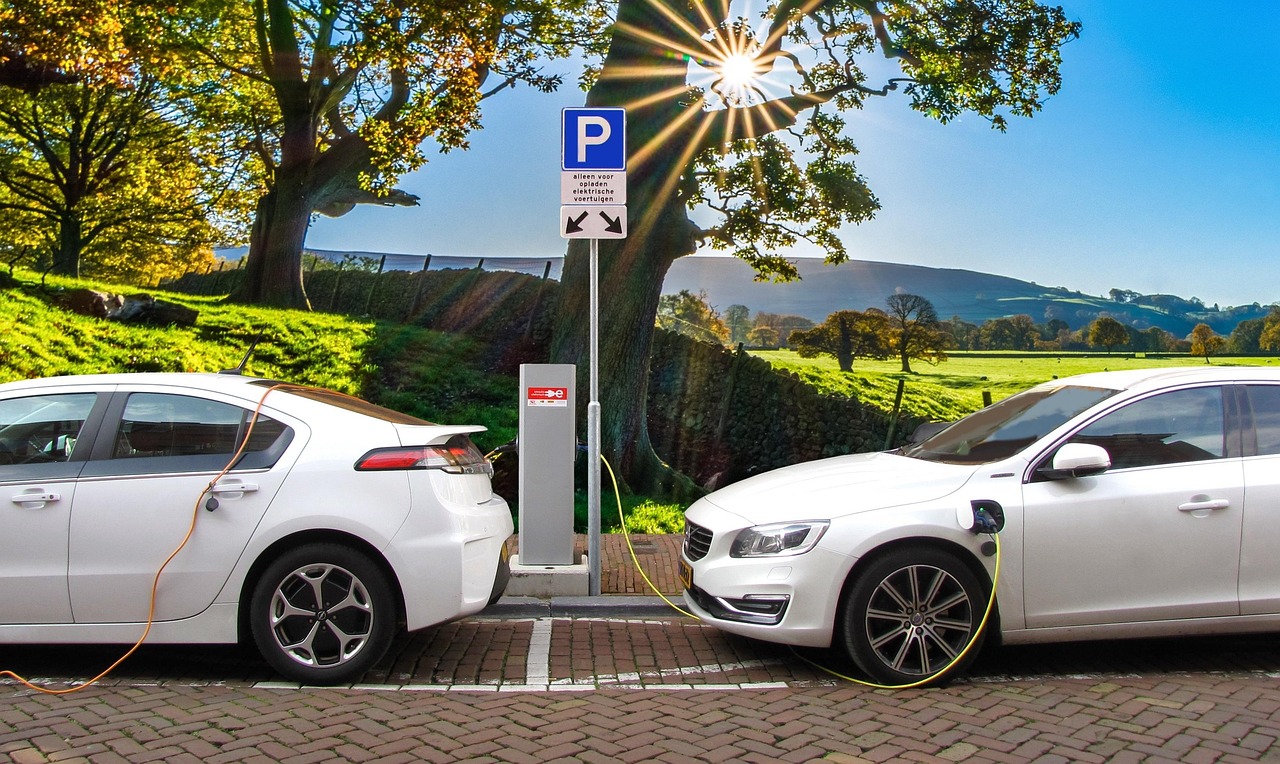
Level 2 charging is often the main charging choice for homes, offices, apartments, and depots. It is fast enough for overnight charging and usually easier to install than high-power DC equipment. For a fleet, map parking spaces first. Then decide how many vehicles need a full charge every night, how many can share ports, and which vehicles leave first in the morning.
Fast Charging Solves Longer Trips
DC fast charging is useful for highway travel, taxis, ride-hailing, emergency top-ups, and high-mileage commercial use. The IEA reported that the United States had nearly 70,000 fast and ultra-fast public charging points in 2025, while slow public charging points exceeded 160,000. The network is growing, but station spacing and reliability can still vary a lot. Before you rely on fast charging, check the route like a driver would, not like someone looking at a clean map screenshot.
Smart Timing Controls Power Costs
Charging during lower-price periods can make a clear difference, especially for fleets with several vehicles. Timers, managed charging software, and simple driver rules can help avoid peak demand spikes. In some buildings, the best charger plan is not the one with the most power. It is the one that fills the battery before departure without overloading the electrical panel.
What Is the Smart Buyer’s Checklist for Electric Vehicles?
Electric vehicles can be a good choice, but the purchase needs a checklist. Do not buy only because the market is moving. Buy because the vehicle, charging plan, cost model, and service support match your real use.
Total Cost Beats Sticker Price
Compare purchase price, incentives, financing, electricity cost, public charging fees, maintenance, tires, insurance, downtime, and resale value. A lower sticker price can lose if charging is expensive or service is far away. A pricier EV can win if it runs daily routes with cheap depot charging and little maintenance trouble. This is where the total cost calculation matters more than the showroom price.
Warranty and Battery Chemistry Matter
Check battery warranty length, capacity retention terms, charger compatibility, and battery chemistry. The IEA reported that lithium iron phosphate batteries accounted for over 55% of EV batteries deployed globally in 2025, helped by lower cost and strong use in China and emerging markets. LFP packs often trade some energy density for cost and durability benefits. Nickel-rich packs may support longer range in some designs.
Supplier Support Reduces Risk
Ask about spare parts, diagnostic tools, technician training, software support, charger partners, and response time. For business buyers, these details can matter more than a 0 to 60 mph number. A good EV supplier should help you size charging, read route data, train drivers, and plan battery care. The best electric vehicle is the one that keeps doing its job on Tuesday morning when nobody has time for breakdowns.
FAQ
Q1: Are Electric Vehicles Cheaper to Run Than Gas Cars? A: Often, yes, especially when you can charge at home or at a depot with fair electricity rates. The final answer depends on local power prices, public charging fees, mileage, maintenance, and vehicle price.
Q2: How Long Do EV Batteries Usually Last? A: Many EV batteries are built for long service lives and are covered by multi-year warranties. Battery life depends on chemistry, heat, charging habits, mileage, and software management.
Q3: Do Electric Vehicles Work for Business Fleets? A: Yes, when routes are predictable and charging is planned well. Delivery vans, shuttles, service cars, and depot-based vehicles are often good candidates.
Q4: Are EVs Really Better for Emissions? A: Most credible life cycle studies show battery electric vehicles produce lower greenhouse gas emissions than comparable gasoline vehicles, even after battery production and electricity generation are counted.
Q5: What Is the First Step Before Buying an EV? A: Start with your daily route and charging access. Once you know mileage, parking time, power supply, and load needs, it becomes much easier to pick the right model.