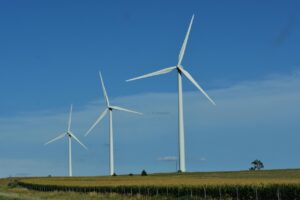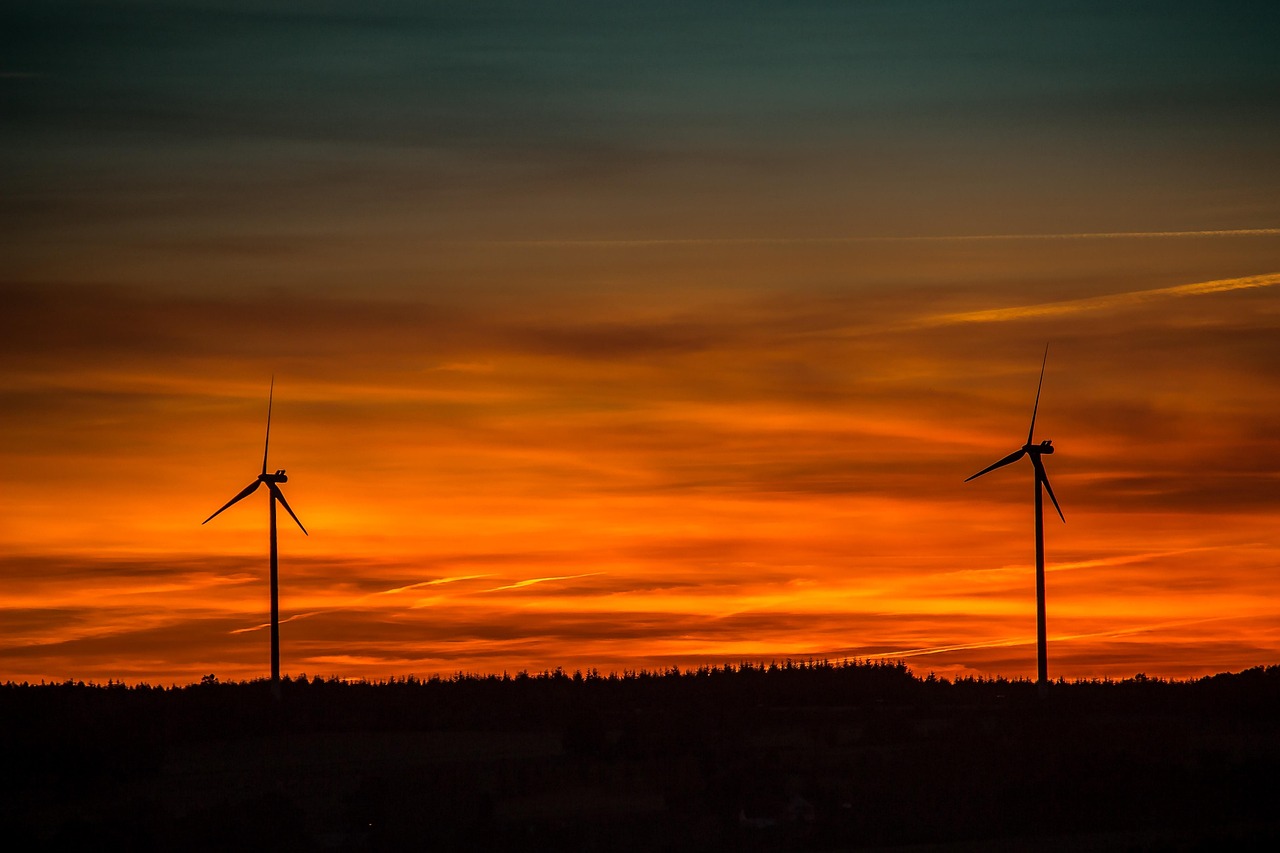

Wind energy is now part of daily power planning for grids, farms, factories, ports, and utility projects. In 2026, most buyers are not asking if wind can work. They are asking where it fits, what the real cost looks like, and what needs to be checked before a contract is signed. Public data from the International Renewable Energy Agency, the International Energy Agency, the U.S. Energy Information Administration, Berkeley Lab, and Lazard gives a similar picture: wind power is still expanding, but the project details decide whether the numbers hold up.
Why Does Wind Energy Matter More in 2026?
Wind is tied to three issues buyers deal with every year: higher electricity demand, fuel price changes, and pressure to clean up power supply. It is not the answer for every site, and it should not be sold that way. Even so, market data explains why more companies are putting it into their power plans.
Global Capacity Is Still Climbing
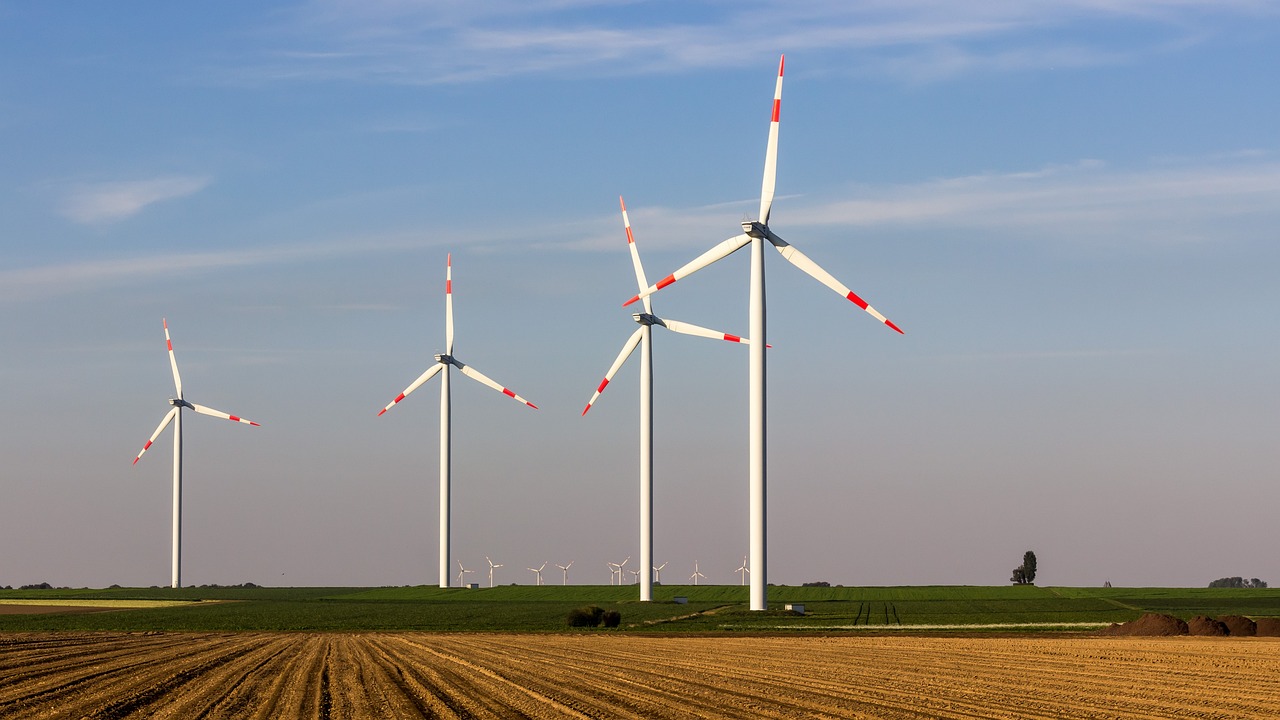
According to the International Renewable Energy Agency Renewable Capacity Statistics 2026, published in April 2026, total global renewable power capacity reached 5,149 GW in 2025 after 692 GW of additions. Wind capacity grew by 14% from 2024, with record additions of 158.7 GW in 2025. This is no longer a small side business in the power market. It means wind equipment, engineering teams, and grid operators are working at a large scale, although local delivery still decides the final result.
Electricity Demand Needs More Clean Supply
The International Energy Agency Global Energy Review 2025 reported that global electricity demand rose 4.3% in 2024, faster than the average pace from 2010 to 2023. In the same report, wind supplied about 8% of global electricity generation in 2024, while total renewables supplied roughly one third. The point is simple: demand is rising, and wind is already big enough to change the real power mix, not only the wording in sustainability reports.
Growth Is Not Equal Everywhere
IRENA’s 2026 release noted that China added 119.4 GW of wind capacity in 2025, while India added 6.3 GW. The IEA Global Energy Review 2026 also said annual wind capacity additions rose by nearly 40% globally in 2025, reaching around 160 GW. These numbers show strong demand across the market, but they also show why one country’s model cannot be copied without checking the local situation. Land rules, grid queues, transport routes, financing costs, and port access can change the business case quickly.
How Does Wind Energy Create Value for Your Power Project?
A good wind project creates value in more than one way. The turbine turns moving air into electricity, but the return also depends on fuel savings, power prices, capacity factors, and service quality over the project life.
Fuel-Free Generation Reduces Exposure
Once a turbine is installed, it does not need coal, gas, or diesel to produce electricity. That matters when fuel prices move without much warning. IRENA’s April 2026 release described renewables as homegrown resources that can reduce exposure to international fuel markets. For an industrial park, mine, port, or remote facility, this is not only an environmental point. It can make budgeting easier, especially where delivered fuel costs are high or power prices follow gas costs.
Larger Turbines Capture More Energy
The U.S. Department of Energy article based on the 2024 Land-Based Wind Market Report said the average hub height for U.S. utility-scale land-based turbines reached about 103.4 meters in 2023. It also noted that 98% of newly installed U.S. turbines in 2023 used rotors of 115 meters or larger. Larger rotors sweep more air, so turbines can produce more electricity at lower wind speeds. On an actual site, this can make some locations possible even when older turbine models would have been a poor fit.
Grid and Health Benefits Add Hidden Value
Berkeley Lab’s Land-Based Wind Market Report 2024 said U.S. wind reduced power-sector carbon dioxide, nitrogen oxides, and sulfur dioxide emissions, creating public health and climate benefits. The report also stated that the combined grid, health, and climate value reached $183 per MWh in 2023, above the levelized cost of wind that year. A commercial buyer should not assume every project earns that same value. Still, it explains why policy makers and utilities often judge wind by more than simple electricity output.
Is Onshore Wind or Offshore Wind Better for Your Site?
The right choice depends on the site. Onshore wind, offshore wind, and distributed wind use the same basic physics, but the project schedule, cost structure, and risk profile can be very different.
Onshore Wind Fits Faster Development
Onshore wind is usually the first option when land access, wind speed, transport roads, and grid connection are practical. The installation chain is normally easier than offshore wind. Berkeley Lab reported that recent U.S. wind power purchase agreement prices ranged from below $20 per MWh to more than $40 per MWh, depending on region and project details, with federal tax support playing a role. That range is useful for buyers because it shows how much site quality and contract terms can move the economics.
Offshore Wind Fits Strong Coastal Resources
Offshore projects can reach stronger and more stable wind, but the engineering is harder. Foundations, subsea cables, vessels, ports, corrosion control, and weather windows all need close control. For coastal markets with heavy demand and limited land, offshore wind may make sense. For smaller buyers, it is usually not a simple equipment purchase. It should be treated as an infrastructure project, not just a turbine order. A short delay at sea can turn into real cost, and suppliers know this well.
Distributed Wind Fits Local Loads
Distributed wind serves power demand close to where electricity is used, such as farms, campuses, water treatment plants, islands, or telecom sites. It can connect at distribution level or work in off-grid settings. The U.S. Department of Energy Wind Market Reports 2024 stated that 1,110 MW of distributed wind capacity had been installed in the United States from 2003 to 2023. This is much smaller than utility-scale wind, but it can still work where local wind is good and diesel replacement saves money.
What Costs and Risks Should You Check Before You Buy?
Wind equipment is only one part of the job. A low-priced turbine can become expensive if the wind data is weak, transport is difficult, or the grid connection is delayed. Buyers should take time on this stage, even when the sales presentation looks clean.
Wind Resource Quality Comes First
You need measured or bankable wind data, not only a colored wind map. A one-meter-per-second change in average wind speed can change annual output by a lot because wind power rises with the cube of wind speed. In simple words, a bit more wind can mean much more energy. Check hub-height data, turbulence, seasonal patterns, extreme gusts, icing risk, and nearby obstacles. The met mast or LiDAR campaign may look routine, but it is still more useful than a polished brochure. See also: clean energy.
Grid Connection Can Decide the Schedule
A strong wind site can still run into trouble if the grid cannot accept the power. Berkeley Lab’s 2024 report said a record-high 366 GW of wind was seeking transmission interconnection in the United States at the end of 2023. That figure is a warning for many markets. Project queues can be long, and the queue can decide the real start date. Before signing supply contracts, check substation distance, export limits, curtailment rules, grid code requirements, and who pays for upgrades.
Maintenance Shapes Lifetime Output
Wind turbines work in rough places: open plains, ridges, deserts, cold zones, and salty coastlines. Gearboxes, blades, pitch systems, converters, yaw drives, and sensors all need planned service. Ask suppliers for service response times, spare parts availability, remote monitoring, blade inspection plans, and warranty exclusions. A turbine sitting idle during a windy month hurts project revenue. It is worse when the needed part is in another country and the customs paperwork is not clear.
- Check at least 12 months of site wind data when possible.
- Review grid studies before final equipment selection.
- Confirm transport routes for blades, towers, and cranes.
- Compare warranty terms, not only turbine nameplate capacity.
How Can You Make a Wind Energy Project More Bankable?
Bankability comes from proof. Lenders, utilities, and serious buyers want clear data, proven equipment, workable schedules, and contracts that say what happens when something goes wrong.
Source Data Should Match the Finance Case
If a project depends on a 30% to 40% capacity factor, the wind study has to support that number. Use long-term correction, nearby weather records, wake loss modeling, and conservative output estimates. The IEA and IRENA market data show wind is growing fast, but global growth does not pay your debt service. In a financing room, your site’s P50 and P90 energy cases matter more. Curtailment assumptions and availability guarantees also need to be written clearly.
Equipment Selection Should Fit the Site
A low-wind inland site may need a large rotor and tall tower. A typhoon-prone coastal site needs another design class. Cold regions may need anti-icing features. Grid conditions may require advanced reactive power control. Lazard’s 2025 Levelized Cost of Energy+ report stated that utility-scale solar and onshore wind remained among the lowest-cost new-build generation sources on an unsubsidized basis. That low-cost result only works when equipment fits the site and the installation is done properly.
Hybrid Design Can Improve Usability
Wind often works well with solar and storage because their output can differ by hour and season. Solar may peak at midday, while wind can be stronger at night or during certain seasons, depending on the region. A factory with steady evening load may value wind more than a buyer that only needs daytime power. For remote sites, a wind-solar-battery-diesel hybrid can cut fuel use without asking wind to cover every hour by itself. A simple layout is easier to sell, but a balanced design often works better in operation.
FAQ
Q1: Is Wind Energy Reliable for Industrial Power? A: Yes, if the site has good wind data and the project includes grid or storage planning. Wind output changes, so most industrial users pair it with grid supply, solar, batteries, or backup generation.
Q2: How Long Does a Wind Turbine Usually Last? A: Many modern turbines are designed for about 20 to 25 years of service. Actual life depends on wind conditions, maintenance quality, component fatigue, and whether major parts are replaced during operation.
Q3: Is Onshore Wind Cheaper Than Offshore Wind? A: In most cases, yes. Onshore wind usually has simpler foundations, easier access, and lower installation risk. Offshore wind can work well where coastal wind is strong and land is limited, but it needs more complex infrastructure.
Q4: What Is the Biggest Mistake in a Wind Project? A: The biggest mistake is treating turbine price as the whole project cost. Wind resource data, grid connection, transport, foundations, permits, service terms, and curtailment risk can matter just as much.
Q5: Should You Choose Wind Energy or Solar Energy? A: You should compare both with your site and load profile. Solar is often easier to install, while wind may produce more power at night or in windy seasons. Many strong projects use both.