
Renewable Energy Transition Powers Ahead in Australia
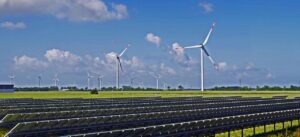
Australia’s shift toward renewable energy is no longer a distant vision but an accelerating reality. The nation’s commitment to decarbonization, combined with rapid advances in technology, has positioned it as one of the global leaders in clean energy transformation. Solar, wind, and hydro — the 3 renewable energy sources driving this change — are reshaping the country’s generation mix and redefining its economic landscape. Policy reforms, corporate investment, and digital grid modernization have turned momentum into measurable progress. Australia is not just diversifying its power supply; it is building the foundation for a fully renewable electricity system that supports long-term energy security and industrial competitiveness.
The Acceleration of Australia’s Energy Transition
Australia’s transition toward renewables reflects both necessity and opportunity. As coal-fired plants retire earlier than expected, new capacity from solar and wind continues to surge. The National Electricity Market (NEM) now accommodates record levels of variable generation, supported by advanced forecasting tools and flexible market design.
Overview of the National Shift Toward Renewable Energy
The national energy landscape is undergoing structural change driven by innovation and policy alignment. Federal targets for net-zero emissions by mid-century have accelerated investment across all renewable sectors. Grid modernization programs aim to integrate distributed resources such as rooftop solar and battery systems into centralized operations. This shift is not only technical but systemic — transforming how electricity is produced, traded, and consumed.
The Strategic Importance of Diversifying Renewable Sources
Diversification across multiple renewable technologies enhances resilience against intermittency. Solar production peaks during daylight hours, while wind often complements it during evening or seasonal shifts. Hydropower provides balancing capacity when both fluctuate. This multi-source approach stabilizes grid frequency and supports demand response mechanisms crucial for reliability under high renewable penetration scenarios.
Solar Energy: A Catalyst for Distributed Generation
Solar energy stands at the forefront of Australia’s clean power expansion. With some of the highest solar irradiance levels globally, both utility-scale farms and rooftop systems contribute substantially to national capacity.
Expansion of Utility-Scale Solar Projects
Large-scale solar farms have proliferated across Queensland, New South Wales, and Victoria. Falling photovoltaic module prices have reduced levelized costs below those of fossil fuels in several regions. Investors are increasingly attracted to regional solar hubs where land availability and transmission access align. Yet grid connection delays remain a challenge; improved planning coordination between network operators and developers is essential to prevent curtailment risks.
The Role of Rooftop Solar in Decentralizing Power Supply
Australia leads the world in rooftop solar adoption per capita, with over three million households equipped with panels. These installations reduce dependence on centralized generation while empowering consumers to manage their own energy use. Smart inverters now enable two-way communication with distribution networks, enhancing local voltage control and grid stability when paired with home storage systems.
Wind Power: Strengthening the Backbone of Renewable Supply
Wind power has become a cornerstone of Australia’s renewable portfolio, particularly in southern states where consistent wind resources prevail.
Growth Trends in Onshore Wind Development
Onshore wind projects dominate new capacity additions across South Australia and Victoria. Turbine technology improvements — taller towers, longer blades — have raised capacity factors above 40% in some areas. Developers increasingly prioritize community engagement through benefit-sharing schemes that foster local support while optimizing land use through agricultural co-location.
Emerging Opportunities for Offshore Wind Deployment
Offshore wind represents a new frontier for Australian renewables. Coastal regions near major demand centers like Gippsland offer strong wind profiles suitable for large-scale deployment. Offshore projects also create synergies with industrial decarbonization efforts by supplying clean power directly to heavy manufacturing zones or hydrogen production hubs. Ongoing regulatory frameworks under development will be key to unlocking private investment in this emerging sector.
Hydropower: Balancing Intermittency Through Storage Integration
Hydropower remains vital for maintaining system stability as variable renewables expand their share of generation.
The Role of Pumped Hydro in Energy System Stability
Pumped hydro provides long-duration storage capable of shifting surplus daytime solar output into evening demand peaks. Projects such as Snowy 2.0 exemplify large-scale integration that supports grid flexibility over multi-hour or even multi-day cycles. Economic feasibility depends on market structures that reward these flexibility services rather than solely energy output.
Modernizing Existing Hydropower Assets for Future Needs
Many existing hydropower facilities are being upgraded with digital control systems to enhance responsiveness and efficiency. Hybridization with nearby solar or wind assets allows operators to maximize asset utilization throughout the year while maintaining environmental safeguards on water flows amid changing climate conditions.
Synergies Among the Three Renewable Sources Driving Transition Speed
The interplay between solar, wind, and hydro defines Australia’s pathway toward a stable renewable grid.
Complementarity Between Solar, Wind, and Hydro Generation Profiles
Temporal diversity among these sources smooths aggregate generation across seasons — sunny summers boost solar output while windy winters sustain supply continuity. Geographic dispersion further reduces localized weather impacts, allowing coordinated dispatch strategies that minimize reserve requirements without compromising reliability.
Integrating Renewables Through Advanced Energy Systems Technologies
Battery storage complements short-term variability more effectively than hydro alone can manage. Artificial intelligence tools now support predictive maintenance scheduling across distributed assets while improving accuracy in weather-based forecasting models. Transmission interconnectors linking states enable efficient sharing of renewable surpluses during periods of regional imbalance.
Economic and Policy Dimensions Accelerating the Transition Pace
Economic instruments and regulatory reforms play decisive roles in sustaining momentum toward a low-carbon electricity system.
Market Incentives Supporting Renewable Investment Growth
Renewable Energy Targets (RETs) continue to stimulate capacity expansion by providing tradable certificates that monetize green generation attributes. Corporate Power Purchase Agreements (PPAs) signed by major industries lock in long-term price stability while signaling private-sector confidence in clean energy markets. Carbon pricing mechanisms further tilt competitiveness toward low-emission options by internalizing environmental costs previously externalized by fossil fuels.
Regulatory Frameworks Enhancing Integration Efficiency
Reforms within the National Electricity Market focus on enabling flexible operation under high-renewable scenarios through dynamic scheduling tools and real-time data transparency initiatives. Streamlined permitting processes reduce project lead times without weakening environmental oversight standards. Coordination between federal agencies and state governments aligns infrastructure development priorities with national decarbonization objectives.
Outlook: Pathways Toward a Fully Renewable Australian Power System
The coming decade will test Australia’s ability to translate technological promise into sustained performance at scale.
Technological Innovations Shaping Future Momentum
Hydrogen derived from excess renewable generation could serve as both storage medium and export commodity linking electricity with transport fuels or industrial feedstocks. Grid-forming inverter technology allows stable operation even as synchronous generation declines, maintaining voltage reference across low-inertia networks. Digital twins provide real-time simulation environments that enhance predictive maintenance efficiency across complex portfolios of distributed assets.
Strategic Priorities for Sustaining the Transition Trajectory
Investment focus must remain on expanding transmission corridors connecting resource-rich zones like Northern Queensland or Western Victoria to urban load centers along the coastlines. Workforce training initiatives need scaling up to meet growing demand for technicians skilled in advanced electrical systems integration. Above all, policy certainty over decades rather than years will determine whether capital continues flowing steadily into clean infrastructure pipelines critical for achieving a fully renewable Australian power system.
FAQ
Q1: What are the main 3 renewable energy sources driving Australia’s transition?
A: Solar, wind, and hydropower form the backbone of Australia’s renewable strategy due to their complementary generation profiles and scalability potential across diverse regions.
Q2: Why is diversification important for grid reliability?
A: Combining multiple sources reduces intermittency risk since each responds differently to weather patterns; this balance strengthens overall supply stability throughout seasonal variations.
Q3: How does pumped hydro support renewable integration?
A: Pumped hydro stores surplus electricity generated during low-demand periods by pumping water uphill; it then releases it through turbines when demand rises, providing essential balancing capacity.
Q4: What role do corporate PPAs play in accelerating investment?
A: Corporate PPAs give developers revenue certainty over long durations while helping companies meet sustainability goals through direct procurement of clean electricity at predictable prices.
Q5: How might hydrogen production influence future decarbonization pathways?
A: Hydrogen enables deeper sector coupling between electricity generation, heavy industry, and transport by converting intermittent renewables into storable fuel suitable for export or domestic use under net-zero frameworks.