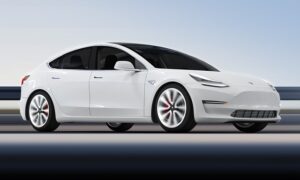

BMW, Kia, XUV Owners Are Fighting for EV Chargers. Green Goals vs RWA & Red Tape
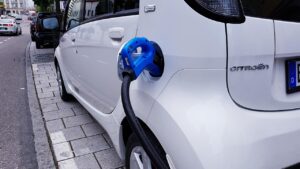
Electric vehicle adoption is rising faster than public charging infrastructure can keep up. Brands such as BMW, Kia, and Mahindra XUV are expanding their EV portfolios, but the scarcity of chargers has turned urban charging into a daily competition. Regulatory delays and local administrative hurdles further slow deployment. The result: while governments push for greener mobility, real-world access to chargers remains fragmented and brand-driven.
The Growing Competition for Public EV Charging Infrastructure
The global shift toward electric mobility is accelerating, but infrastructure development lags behind consumer enthusiasm. Urban centers face mounting pressure to accommodate diverse EV brands competing for limited charging spots.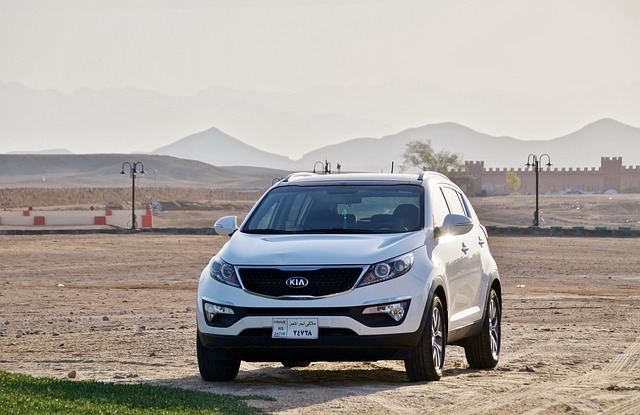
The Surge in Electric Vehicle Adoption
EV sales have surged across multiple automakers. Models from Kia’s EV6 to BMW’s i4 and Mahindra’s XUV400 are reshaping the market landscape. In cities like Mumbai and Delhi, clusters of new EVs now crowd limited public charging bays during peak hours. Governments’ emission reduction targets and incentives—such as tax rebates and registration fee exemptions—have further boosted adoption rates. Yet, infrastructure growth trails demand, creating visible bottlenecks.
Limited Infrastructure and Uneven Distribution
Public charging networks remain insufficient to serve the growing fleet of electric vehicles. Most high-speed chargers are concentrated in metropolitan areas, leaving suburban or rural regions underserved. Developers face practical constraints like limited grid capacity and land-use restrictions that slow rollout. Even when funding exists, local utility coordination often takes months, delaying project execution.
Kia’s Position in the EV Ecosystem
Kia’s strategy highlights how mid-segment brands navigate an evolving EV market dominated by premium players with exclusive network access. Its balance between affordability and performance defines user expectations for accessible fast-charging solutions.
Kia’s EV Lineup and Market Strategy
Kia’s electric lineup—including the acclaimed EV6—demonstrates its strong commitment to electrification. Positioned between luxury marques like BMW and mass-market rivals such as Mahindra, Kia aims to deliver both design sophistication and value. This positioning demands reliable access to high-speed public chargers since performance models rely on fast turnaround times during long-distance travel.
Challenges Faced by Kia Owners at Public Chargers
Kia owners often encounter interoperability issues when using third-party networks that prioritize early partner OEMs or luxury brands. Some fast-charging stations allocate priority slots for premium users through subscription programs, leaving others waiting longer. Software mismatches between vehicle systems and charger firmware can also cause failed sessions or reduced charge rates—a frustration common among mid-tier brand owners.
Regulatory and Administrative Barriers Affecting Charger Access
Beyond technical limitations, policy-level friction contributes significantly to uneven charger availability across cities. Local governance structures often lack unified standards or clear approval pathways.
The Role of RWAs (Resident Welfare Associations) in Charging Deployment
Resident Welfare Associations frequently resist installation of shared chargers due to safety concerns or disputes over parking allocation. In apartment complexes where space is scarce, even a single shared charger can trigger prolonged negotiations among residents. Moreover, bureaucratic approval processes require multiple no-objection certificates from fire departments or electricity boards, delaying implementation by months.
Red Tape in Public Infrastructure Expansion
Developers must navigate complex licensing requirements involving municipal authorities and state utilities before installing public chargers. Grid upgrades needed for fast-charging units often stall because power distribution companies operate under outdated load projections. Fragmented oversight among transport departments further slows progress—each agency enforcing its own compliance checklist without coordination.
Interbrand Dynamics: BMW, Kia, and XUV Owners Competing for Chargers
Competition among different brand ecosystems adds another layer of complexity to public charging behavior in dense urban environments.
How Brand Ecosystems Influence Charger Access
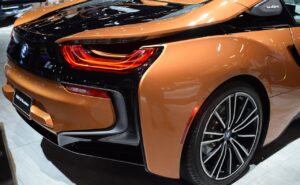
BMW collaborates with private networks offering exclusive access points at select dealerships or premium malls. In contrast, Kia relies heavily on open-access public infrastructure shared with other manufacturers. Mahindra XUV owners typically depend on government-backed networks that offer slower but more affordable options. These divergent strategies create disparities in user experience—luxury drivers enjoy convenience while mid-segment users face queueing delays.
Behavioral Patterns Among Different EV Owner Groups
Early adopters tend to tolerate inconvenience but expect technology reliability from every session. Brand loyalty shapes perceptions of fairness at shared stations; a BMW driver occupying a charger longer than necessary may frustrate nearby Kia owners waiting their turn. Informal reservation practices have emerged within communities—some groups coordinate usage through messaging apps while others rely on first-come-first-serve norms.
Balancing Green Goals with Practical Realities of Urban Charging Networks
As nations pursue ambitious carbon neutrality goals, policymakers must reconcile idealistic sustainability targets with ground-level realities of charger deployment.
Aligning Sustainability Objectives with Infrastructure Readiness
Achieving national green mobility targets requires synchronized investment across both vehicles and supporting infrastructure. Public-private partnerships can accelerate rollout while maintaining equitable access across brands like Kia EV cars and BMW models alike. Data analytics help identify high-demand zones where additional chargers would yield maximum impact per investment dollar.
Emerging Solutions to Reduce Brand-Based Charging Conflicts
Standardization Initiatives Across Charger Networks
Standardizing connector types and payment systems across networks improves accessibility for all users regardless of brand affiliation. Interoperable systems reduce confusion at multi-brand charging sites.
Smart Charging Management Systems
Smart grid integration enables dynamic load balancing that distributes available power fairly among connected vehicles during peak periods—a crucial step toward efficient utilization without expanding physical capacity immediately.
Policy-Level Interventions for Fair Usage Practices
Time-based pricing models discourage prolonged occupancy after full charge completion, while reservation platforms allow equitable scheduling across diverse owner groups without favoritism toward specific OEMs.
FAQ
Q1: Why are BMW, Kia, and XUV owners competing for chargers?
A: Rapid EV adoption outpaces the expansion of public charging stations, creating congestion where multiple brands share limited resources.
Q2: How does RWA regulation affect home charging?
A: RWAs often delay or restrict charger installations due to safety concerns or unclear policy frameworks within residential complexes.
Q3: What role do governments play in resolving charger shortages?
A: Governments provide subsidies and policy support but slow interdepartmental coordination often hinders timely execution of projects.
Q4: Are premium brands favored in current charging setups?
A: Yes, some private networks grant priority access or faster service to premium OEMs through partnership agreements or membership tiers.
Q5: How can conflicts over charger use be minimized?
A: Broader standardization efforts combined with smart load management systems and transparent booking policies can reduce disputes among different EV owner groups.