

Rooftop Solar Adoption Surges in Delhi as Subsidies, Awareness Drives Boost Installations: Tata Power-DDL
Delhi’s rooftop solar market has entered a decisive growth phase. With falling technology costs, government-backed incentives, and active participation from distribution companies like Tata Power-DDL, the city is witnessing a steady shift toward decentralized energy generation. Residential and institutional consumers are increasingly viewing solar power not only as a cost-saving measure but also as a long-term investment in sustainability. The momentum is expected to intensify as policy continuity and smart grid integration shape Delhi’s clean energy future.
The Growth of Rooftop Solar in Delhi
The expansion of rooftop solar in Delhi reflects a broader national trend where distributed renewable generation is becoming mainstream. Yet, the capital’s unique mix of urban density, policy support, and proactive utility involvement makes its progress particularly noteworthy.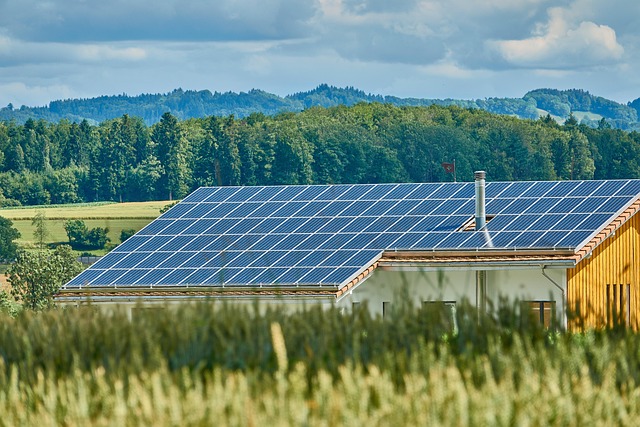
The Current Landscape of Solar Adoption in the Capital
Delhi has seen a sharp rise in rooftop solar installations over recent years. Both residential societies and commercial buildings have embraced solar systems to cut electricity bills and reduce carbon footprints. Policy measures such as net metering and simplified approval processes have accelerated adoption. Tata Power-DDL has been instrumental in enabling this transformation by deploying distributed generation projects across its licensed area, ensuring grid stability while integrating rooftop capacity efficiently.
Key Drivers Behind the Rooftop Solar Surge
Several factors drive this surge. Government subsidies under national schemes like the PM-Surya Ghar program significantly lower upfront costs for homeowners. State-level policies complement these efforts by offering additional rebates and easier financing options. Growing environmental awareness among consumers—particularly regarding energy independence—has also fueled demand. Technological improvements in photovoltaic efficiency and reliability mean that today’s tata solar panel systems deliver higher output even under Delhi’s challenging climatic conditions.
Tata Solar Panel’s Role in Delhi’s Rooftop Revolution
Tata Power-DDL has positioned itself at the center of Delhi’s rooftop revolution through strategic initiatives that align technology with policy frameworks.
Strategic Initiatives by Tata Power-DDL
The company has implemented distributed solar generation across residential clusters, schools, and public institutions. Collaborations with government agencies have simplified subsidy disbursement, reducing procedural delays that once discouraged consumers. Its focus on smart grid integration allows real-time monitoring of rooftop output, improving load management across local networks—a crucial step for balancing intermittent renewable sources within dense urban grids.
Product Innovation and Technical Advancements
Tata solar panel technology emphasizes durability and performance under high temperatures and dust exposure typical of North India. Panels use advanced materials that enhance conversion efficiency while extending operational life beyond standard warranties. Integration with battery storage solutions ensures consistent supply during cloudy days or peak evening hours, making rooftop systems more dependable for both households and small enterprises.
Financial Incentives and Subsidy Mechanisms Fueling Adoption
Financial accessibility remains central to accelerating rooftop deployment in cities like Delhi where initial investment can be a barrier for many households.
Government Subsidies Supporting Rooftop Solar Deployment
Central Financial Assistance (CFA) programs offer direct subsidies covering up to 40% of system costs for residential users under specific capacity thresholds. State-level incentives further reduce payback periods by offering property tax rebates or interest-free loans. Simplified online application portals have replaced earlier bureaucratic hurdles, encouraging wider participation from individual homeowners and housing societies alike.
The Role of Tata Power-DDL in Facilitating Subsidy Access
Tata Power-DDL acts as an intermediary between customers, installers, and regulatory authorities to streamline subsidy processing. Its consumer outreach teams conduct awareness drives explaining eligibility criteria and required documentation. Transparent pricing models help customers evaluate true lifecycle savings without hidden costs—a factor that strengthens confidence among first-time adopters considering tata solar panel installations.
Creating Awareness and Building Consumer Confidence
Beyond financial incentives, sustained education plays a vital role in shaping long-term adoption behavior among urban consumers who may still harbor doubts about technology performance or maintenance demands.
Educational Campaigns Promoting Rooftop Solar Benefits
Tata Power-DDL organizes workshops across residential colonies demonstrating how rooftop systems can halve electricity bills while contributing to cleaner air quality. Digital campaigns share case studies showing real-world performance data from existing installations using tata solar panel modules. Collaborative programs with resident welfare associations encourage group installations that lower per-unit costs through shared infrastructure.
Overcoming Misconceptions About Solar Technology
Common misconceptions—such as high maintenance needs or poor efficiency during monsoon months—are addressed through transparent communication backed by performance analytics from operational sites. Post-installation service contracts provide regular cleaning and monitoring support to maintain optimal output levels over time. Sharing verified results from early adopters helps dispel skepticism surrounding return on investment timelines.
The Broader Impact on Delhi’s Energy Ecosystem
Rooftop solar now contributes meaningfully to Delhi’s sustainability targets while reshaping how energy is produced, distributed, and consumed within the cityscape.
Contribution to Urban Sustainability Goals
By generating power close to consumption points, rooftop systems reduce transmission losses inherent in centralized grids. This localized production lowers carbon emissions substantially compared with coal-based generation prevalent elsewhere in India’s power mix. Distributed generation aligns directly with national commitments under the Paris Agreement by expanding renewable capacity within urban centers.
Future Outlook for Rooftop Solar Expansion in Delhi
Looking ahead, policy consistency will be key to maintaining investor confidence as installation rates climb further. Integration with smart city infrastructure—such as IoT-based energy management platforms—will enable dynamic load balancing between households and the main grid. With continued leadership from Tata Power-DDL combining technical innovation with customer-centric service models, Delhi appears well-positioned to become a benchmark for urban renewable transformation across South Asia.
FAQ
Q1: What makes Tata solar panel systems suitable for Delhi’s environment?
A: They are engineered for high heat tolerance and dust resistance while maintaining strong conversion efficiency across varying light conditions typical of northern India.
Q2: How does net metering benefit residential users?
A: It allows consumers to export surplus electricity back into the grid, offsetting their monthly bills through credits applied by distribution companies like Tata Power-DDL.
Q3: Are there financing options available apart from subsidies?
A: Yes, several banks offer low-interest green loans specifically designed for rooftop solar projects which complement government grants to reduce upfront expenditure.
Q4: What maintenance do rooftop panels require?
A: Regular cleaning every few weeks is generally sufficient; annual professional inspections ensure wiring integrity and inverter performance remain optimal.
Q5: How much carbon emission reduction can an average household achieve?
A: A typical 5 kW system can offset roughly six tons of CO₂ annually depending on usage patterns—a significant contribution toward Delhi’s clean air objectives.