
BMW iX1 With Small Wheels Hit By Production Bottleneck: Report
BMW’s electric expansion has met a temporary snag. The compact iX1, one of its most popular battery-powered crossovers, is facing production delays tied to specific wheel configurations. While the issue appears localized, it underscores how even minor component shortages can ripple through a global manufacturing network. This report examines BMW’s electrification strategy, the nature of the bottleneck, and how supply chain dependencies shape its long-term EV ambitions.
Current Landscape of BMW’s Electric Vehicle Production
BMW’s electric roadmap is advancing rapidly, yet flexibility remains its core strength. The company is balancing aggressive electrification targets with the realities of global supply chain volatility.
Overview of BMW’s Electrification Strategy
BMW aims for full electrification across all major segments by 2030 and carbon-neutral manufacturing by 2050. Its Neue Klasse platform represents this transformation, integrating modular battery systems and digital-first architectures. Key models such as the iX1, i4, and i7 are central to this shift, combining traditional BMW dynamics with advanced electric drivetrains. Flexible production lines at plants like Leipzig and Dingolfing allow simultaneous assembly of internal combustion, hybrid, and fully electric models—an approach that provides agility when demand fluctuates between powertrains.
The Growing Demand for BMW Electric Vehicles
Demand for BMW electric vehicles continues to climb in Europe and China, where incentives and infrastructure are strongest. In North America, luxury EV buyers increasingly favor established brands offering both performance and refinement. Consumer interest in compact SUVs has made the iX1 particularly successful in Europe. This enthusiasm forces BMW to adjust production priorities toward high-demand trims while maintaining balance across global markets. Against rivals such as Mercedes-Benz EQ models and Audi’s e-tron range, BMW positions its EVs as driver-focused alternatives emphasizing engineering precision over software gimmicks.
The Reported Production Bottleneck Affecting the BMW iX1
The recent bottleneck surrounding the iX1 illustrates how localized issues can disrupt a global rollout. Despite strong demand, certain trim combinations have been constrained by supplier limitations.
Details Surrounding the iX1 Small Wheel Supply Issue
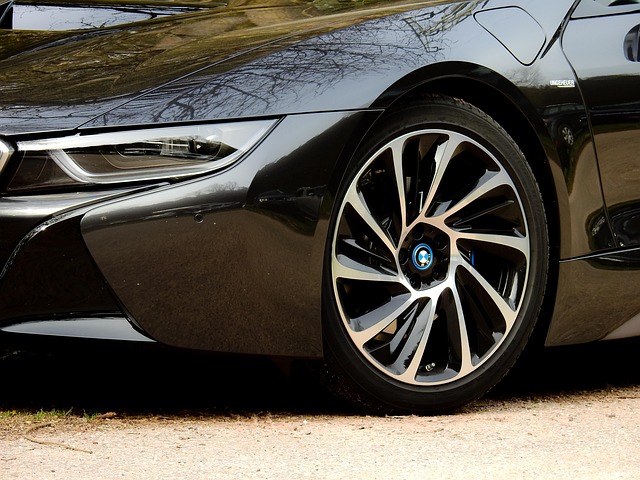
Reports indicate that the shortage involves specific small wheel configurations used on entry-level variants of the iX1. These wheels come from specialized suppliers whose production capacity was disrupted by logistics delays within Europe. As a result, some customers face extended delivery times beyond initial estimates. While higher-trim versions equipped with larger wheels remain unaffected, assembly scheduling must be recalibrated to accommodate missing components—a process that slows overall throughput.
Implications for Manufacturing Efficiency and Output
Component shortages complicate assembly line optimization because each missing part halts sequence continuity. Even when substitution parts exist, certification requirements often prevent quick swaps in premium vehicles like the iX1. The ripple effect extends to other models sharing similar chassis or wheel hubs within BMW’s modular architecture. To mitigate disruptions, BMW may temporarily prioritize builds with available configurations while negotiating expedited shipments from suppliers or alternate sourcing options.
Supply Chain Dependencies in BMW’s Electric Vehicle Ecosystem
BMW’s EV ecosystem depends on a complex web of tier-one and tier-two suppliers delivering everything from battery cells to microchips. Supply stability now defines competitiveness as much as product design.
The Role of Tier-One and Tier-Two Suppliers in EV Component Flow
Tier-one suppliers provide high-value systems such as battery modules from CATL or Samsung SDI and semiconductors from European electronics firms. Tier-two vendors handle specialized alloys and lightweight materials critical for efficiency gains. Regional concentration remains a vulnerability; disruptions in one geography can cascade through multiple assembly plants worldwide. To reduce exposure, BMW diversifies sourcing across continents while investing in regional partnerships for battery cell production within Europe.
Logistics and Raw Material Constraints in EV Manufacturing
Transportation bottlenecks—especially port congestion and rail capacity limits—have delayed component arrivals during peak seasons. Meanwhile, raw material constraints persist for lithium, nickel, and cobalt due to limited mining output relative to surging EV demand. Regulatory frameworks such as the EU Battery Regulation now require traceability across these materials’ supply chains, compelling automakers like BMW to audit sustainability compliance down to mine level.
Strategic Responses to Emerging Supply Chain Challenges
To sustain production momentum amid uncertainty, BMW integrates advanced digital tools with collaborative supplier strategies designed for resilience rather than just cost efficiency.
Technological Solutions for Production Optimization
Digital twins simulate factory operations under different disruption scenarios to anticipate potential slowdowns before they occur. Predictive analytics powered by AI enable real-time visibility into parts flow across continents. These systems allow managers at plants like Spartanburg or Shenyang to reallocate resources instantly when shipment delays appear imminent.
Partnerships and Supplier Collaboration Initiatives
BMW strengthens long-term contracts with critical component providers through multi-year agreements ensuring stable pricing and volume guarantees. Joint ventures focused on European battery cell manufacturing aim to localize supply chains closer to final assembly sites. Cooperative programs also promote sustainable material sourcing—for instance, recycling initiatives that recover nickel from end-of-life batteries reduce dependency on volatile commodity markets.
Broader Industry Context: Lessons from Global EV Supply Chains
BMW’s challenges mirror those faced by other premium automakers navigating similar transitions toward electrification under volatile conditions.
Comparative Analysis with Other Automakers’ Supply Chain Approaches
Tesla mitigates risk through vertical integration—producing batteries internally—while Mercedes-Benz pursues regionalization strategies aligning suppliers near major plants. Volkswagen invests heavily in unified cell technology to standardize components across brands like Audi and Skoda. Each approach reflects differing philosophies about control versus flexibility within an evolving global supply landscape.
The Future Outlook for Premium EV Manufacturing Stability
Industry analysts expect future EV supply networks to emphasize local content rules aligned with regional trade policies such as Europe’s Critical Raw Materials Act. Automation advances will further synchronize logistics between suppliers and assembly plants via shared data platforms enabling near-zero inventory operations without compromising reliability.
Implications for BMW’s Long-Term Electrification Goals
For BMW, achieving full electrification depends not only on technology but also on operational adaptability across its entire manufacturing footprint.
Balancing Production Flexibility with Market Responsiveness
Modular design principles allow factories to shift between drivetrain types quickly without costly retooling—a vital advantage when consumer preferences evolve faster than product cycles. Data-driven forecasting integrates sales analytics with supplier capacity metrics so that procurement aligns precisely with expected demand curves rather than historical averages.
Sustainability Considerations Within Supply Chain Strategy
Circular economy practices gain traction inside BMW’s procurement policy: recycled aluminum usage rises annually while closed-loop battery recycling reduces waste streams significantly. Logistics partners adopt low-emission transport fleets powered by renewable energy sources supporting corporate goals of net-zero operations throughout the value chain by mid-century.
FAQ
Q1: What caused the production bottleneck for the BMW iX1?
A: A shortage of specific small wheel configurations supplied by European vendors disrupted normal output schedules for entry-level trims.
Q2: Are all versions of the iX1 affected?
A: No, higher-spec variants using different wheel sizes remain unaffected; only certain base models face delays.
Q3: How is BMW addressing these supply issues?
A: The company is adjusting build sequences while working closely with suppliers to accelerate deliveries or secure alternative sourcing options.
Q4: Does this impact other BMW electric vehicles?
A: Some shared components may experience minor scheduling shifts, but major models like the i4 or i7 continue regular production volumes.
Q5: What does this mean for future EV manufacturing stability?
A: It highlights how even small component shortages can expose broader vulnerabilities in global supply chains—prompting automakers to pursue more localized and digitally connected production systems moving forward.