
Greenpeace Warns AI Data Centre Rollout Threatens to Derail Australia’s Clean Energy Transition
Australia’s rapid expansion of AI data centres is colliding with its clean renewable energy ambitions. While these facilities power the digital economy, their soaring electricity demand risks overwhelming renewable supply growth. Without coordinated planning, the surge in AI-driven workloads could delay coal retirements and undermine national decarbonisation goals. The country faces a pivotal moment: whether to align digital infrastructure with sustainable energy systems or risk locking in new emissions-intensive dependencies.
The Growing Energy Demands of AI Data Centres in Australia
AI data centres have become the backbone of modern computation, yet their energy requirements are escalating faster than grid capacity can adapt. This dynamic raises pressing questions about efficiency, location strategy, and integration with renewable sources.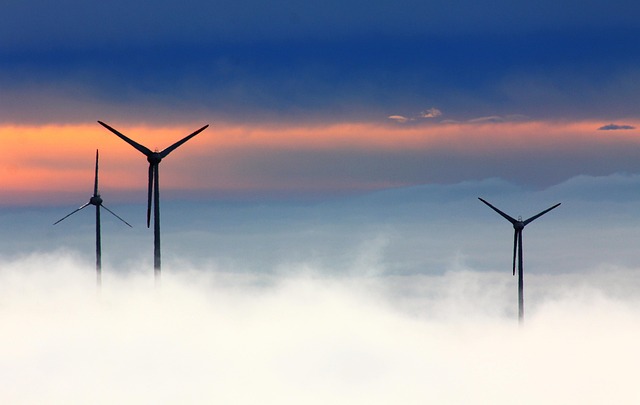
The Energy Profile of AI Infrastructure
AI workloads differ from traditional IT operations due to their constant computational intensity. Training large-scale models demands high-density GPUs that consume vast amounts of power and generate substantial heat. Cooling systems, often accounting for nearly half of total facility consumption, add another layer of complexity. Operators track efficiency through Power Usage Effectiveness (PUE), where a score near 1.0 indicates optimal performance. However, achieving low PUE values remains challenging as hardware density increases and cooling loads rise in warmer climates.
Geographic Distribution and Grid Dependency
Most hyperscale data centres cluster around Sydney, Melbourne, and Perth because these cities offer robust connectivity and proximity to corporate clients. Yet this concentration places heavy pressure on local grids already constrained by peak urban demand. Expansion decisions increasingly hinge on access to reliable transmission infrastructure and proximity to renewable generation zones. Developers are now considering regional hubs near solar or wind farms to mitigate grid dependency while improving sustainability credentials.
Integration with Renewable Energy Zones
Australia’s designated Renewable Energy Zones (REZs) create opportunities for co-locating data centres with clean generation assets. By situating facilities within or adjacent to REZs, operators can secure direct access to low-carbon electricity while reducing transmission losses. Long-term viability depends on how effectively these zones integrate variable renewables with firming capacity such as batteries or pumped hydro storage.
The State of Clean Renewable Energy in Australia
As AI infrastructure scales up, the maturity and resilience of Australia’s clean renewable energy sector become decisive factors in balancing growth with sustainability targets.
Current Renewable Energy Capacity and Growth Trends
Solar photovoltaic (PV) and wind power dominate Australia’s renewable portfolio, contributing more than 35% of total generation in some states. Large-scale battery projects like those in South Australia enhance grid stability by absorbing surplus daytime solar output and discharging during evening peaks. Nevertheless, regional variations persist: Queensland’s solar abundance contrasts with Tasmania’s reliance on hydroelectricity, complicating uniform supply for industrial consumers such as data centres.
Policy Frameworks Driving Renewable Adoption
Federal initiatives such as the Renewable Energy Target (RET) have catalysed private investment across multiple states. Complementary state-level schemes further incentivise clean power procurement through grants and feed-in tariffs. Corporate Power Purchase Agreements (PPAs) have emerged as a key mechanism enabling large technology firms to lock in long-term renewable supply at predictable prices while financing new generation assets.
Regulatory Mechanisms Influencing Grid Access
Regulatory frameworks administered by the Australian Energy Market Operator (AEMO) dictate how new renewable projects connect to the National Electricity Market (NEM). Lengthy approval timelines and limited transmission capacity remain bottlenecks for developers aiming to serve high-demand customers like AI campuses.
The Intersection of AI Expansion and Clean Energy Goals
The intersection between digital growth and decarbonisation policy has become a defining challenge for Australia’s energy transition strategy.
Balancing AI Growth with National Decarbonisation Objectives
AI-driven electricity demand could outpace current renewable build rates within a decade if unchecked. This imbalance risks prolonging fossil fuel use during peak hours when renewables fall short. Analysts warn that without coordinated planning between technology companies and energy regulators, net-zero pathways could stall despite strong policy ambition.
Evaluating the Carbon Footprint of AI Operations
Assessing emissions from AI operations requires a full lifecycle perspective—from construction materials used in data halls to embedded carbon in GPU manufacturing. Scope 2 emissions dominate operational footprints due to electricity consumption; thus, sourcing certified clean renewable energy becomes critical for genuine decarbonisation claims. Transparent reporting aligned with international standards like ISO 14064 enhances credibility across the sector.
Renewable Integration Strategies for Sustainable AI Operations
Transitioning toward sustainable digital infrastructure involves both technological innovation and strategic procurement choices that align energy sourcing with environmental goals.
On-site Renewable Generation and Microgrids
Some operators are investing directly in on-site solar arrays or wind turbines paired with battery systems to reduce reliance on external grids. Microgrids equipped with smart control systems can balance fluctuating loads by switching between self-generated power and grid imports based on real-time conditions. These configurations not only cut emissions but also improve resilience against outages—a growing concern amid climate-related disruptions.
Corporate Renewable Procurement Models
Power Purchase Agreements (PPAs)
Long-term PPAs remain the cornerstone of corporate clean energy strategies. They provide price certainty while underwriting new renewable projects that might otherwise struggle to secure financing. Virtual PPAs extend flexibility by allowing companies to offset consumption across different grid regions without physical delivery constraints.
Green Tariffs and Renewable Certificates
Utilities now offer green tariff programs enabling direct purchase of renewable electricity through standard billing channels. Complementary instruments like Renewable Energy Certificates (RECs) verify that each megawatt-hour consumed corresponds to certified clean generation—an essential component for compliance reporting under sustainability frameworks such as RE100.
Technological Innovations Reducing Data Centre Energy Intensity
Innovation continues to reshape how data centres manage thermal loads and optimise operational efficiency under rising computational pressure.
Advances in Cooling Systems and Thermal Management
Liquid immersion cooling—where servers are submerged in non-conductive fluids—has gained traction for high-performance computing clusters due to its superior heat transfer efficiency compared with air-based methods. Some facilities experiment with waste heat recovery systems that channel excess thermal output into nearby district heating networks or industrial processes, turning a liability into an asset.
AI-Driven Optimisation of Energy Consumption
Ironically, artificial intelligence itself plays a role in curbing its own footprint. Predictive models analyse workload patterns to shift processing tasks away from peak demand periods or cooler times of day, trimming both cost and carbon intensity. Machine learning algorithms also fine-tune cooling parameters dynamically based on temperature forecasts, humidity levels, and server utilisation metrics—small adjustments that aggregate into substantial savings over time.
Collaborative Pathways Toward a Sustainable Digital Future in Australia
Achieving harmony between technological progress and environmental stewardship will depend on collaboration across sectors rather than isolated corporate action.
Industry-Government Partnerships for Clean Infrastructure Development
Joint ventures between government agencies, utilities, and cloud providers can synchronise infrastructure expansion with national clean energy roadmaps outlined by AEMO’s Integrated System Plan (ISP). Public-private partnerships accelerate investment in transmission upgrades connecting remote renewables with industrial consumers—a prerequisite for scaling both sectors sustainably.
Encouraging Transparency and Accountability Across the Sector
Standardised sustainability benchmarks encourage competition toward lower-carbon operations by making performance visible across peers. Open data sharing among utilities, regulators, and technology firms supports evidence-based policymaking while fostering trust among stakeholders navigating this complex transition landscape.
FAQ
Q1: Why are AI data centres consuming so much power?
A: High-density GPUs used for machine learning require continuous operation at full load, generating significant heat that demands intensive cooling systems—both major contributors to overall power draw.
Q2: How does this growth threaten Australia’s clean energy transition?
A: Rapidly increasing demand could exceed renewable supply growth rates, forcing reliance on fossil backup plants during peak periods and slowing coal phase-out efforts.
Q3: Can renewable integration fully offset data centre emissions?
A: Only if operators procure verifiable clean renewable energy through PPAs or RECs while addressing embodied carbon from construction materials and hardware manufacturing.
Q4: What technologies most effectively cut data centre energy use?
A: Liquid immersion cooling, advanced airflow management, predictive analytics for workload scheduling, and microgrid integration all contribute measurable efficiency gains.
Q5: What role should policymakers play?
A: Governments must coordinate grid planning with digital infrastructure development through transparent regulation that aligns new capacity additions with national decarbonisation objectives rather than reacting after bottlenecks emerge.