
Rural areas around the globe are slowly changing their energy paths. Small towns that once needed far-off power lines now make their own power with solar panels. Experts name these setups “energy islands.” They cut down on harmful gases, steady local money matters, and change how land gets used. This change goes beyond machines. It touches people and nature too. Yes, adding solar power turns rural views into lasting, self-run systems.
The Transformation of Rural Landscapes Through Solar Panel Integration
The move to solar-powered towns shows a bigger shift in how country places handle supplies and their sense of self. Energy freedom is not just an idea anymore. People build it one panel at a time on farm lands. This reshapes both money flows and the look of the open country.
Understanding the Concept of Energy Islands in Rural Contexts
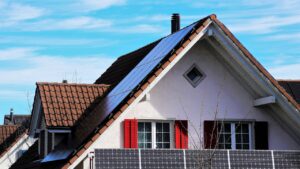
Energy islands mean local setups that make, hold, and use their own clean power. They do not lean much on big central grids. In country spots, these often come from spread-out solar setups on house tops or fields owned by the group. Such setups boost self-rule. They let people set their own making times and price ways in small grids.
These networks make real borders like nature islands. They have few links to outside grids. But inside, energy moves freely. On the people side, they build teamwork. This happens through shared owning ways. Families handle making tools together. This mix of real apartness and people unity makes a fresh type of “island” setup. It grows on working together, not fighting each other.
Land Use Reconfiguration and Visual Landscape Changes
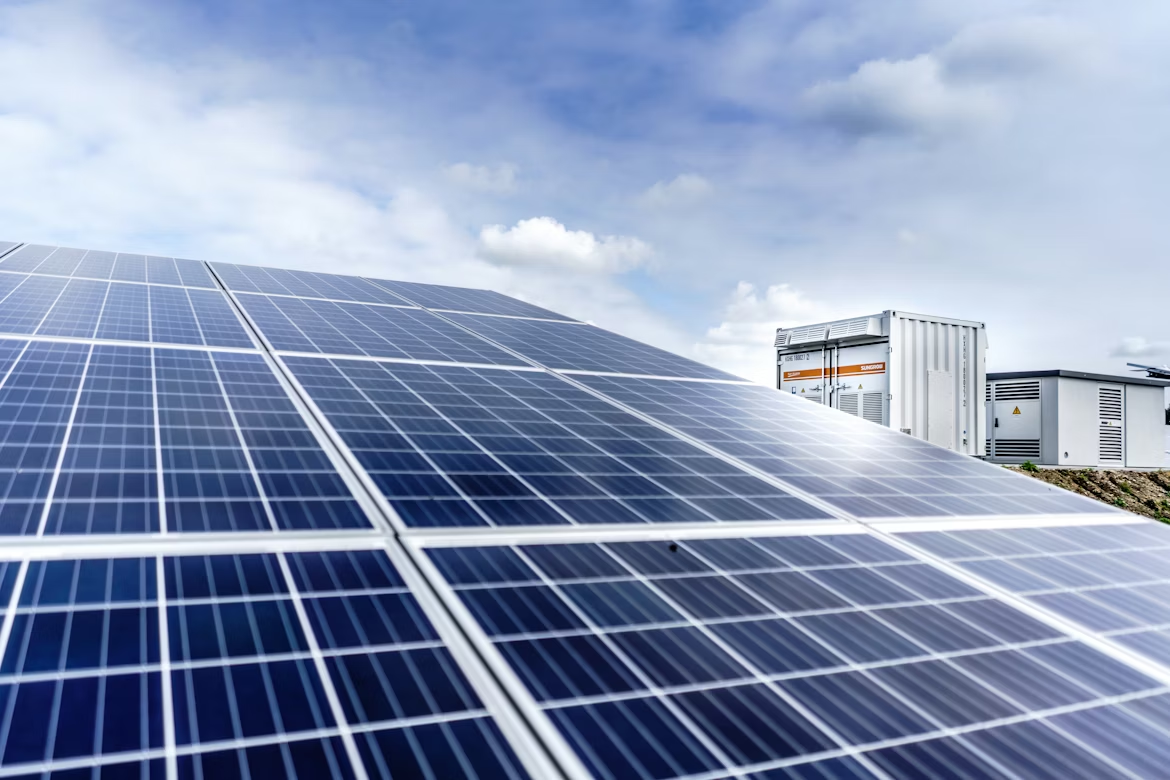
The growth of big solar fields has changed how country land gets used. Farm or empty lands turn more and more into light-to-power (PV) areas. These bring steady cash for growers. They also help country clean power goals. But this switch brings up worries about nature variety loss and ground health. Research shows that badly run setups can break local homes for plants and animals. They can cut numbers of bees that help flowers.
Many projects now fix these issues. They add nature paths between solar rows. Or they use two-way farm plans. In these, plants or animal grazing sit with panels. The look changes a lot. Shiny parts take the place of wide fields. This shifts old views of country beauty linked to town life. Still, some groups see it as a step forward. They view it as a clear mark of moving to lasting ways.
Technological Foundations Enabling Rural Energy Independence
Real energy self-rule in far-off spots needs ongoing new ideas in solar machines and smart power line plans. Today’s PV setups mix better output with flexible control tools. These make spread-out power making steady even when weather changes a lot.
Advances in Photovoltaic Efficiency and Durability
New steps forward in thin-layer and two-sided PV parts have boosted power made per flat space. Thin-layer panels work well in soft light, which is common in mild areas. Two-sided ones catch sun from both ways. This raises full output by up to 15%. These fit bumpy country lands where shade or dirt can lower work.
How long they last counts too. Coatings that stop light bounce and surfaces that clean themselves cut down on fix-up work. This helps setups far from city help centers. For tiny groups running their own setups, this strong build means less cost to run over years.
Energy Storage and Grid Integration Mechanisms
Power holding is the main support for any standalone solar island. Lithium-ion batteries lead because they pack a lot of energy and costs drop. But flow batteries grow in use for bigger group setups. They last longer with little wear. Small grid plans link these parts with smart guides. These balance what comes in and what goes out right there.
Smart power line tools add more layers. They guess use patterns with up-to-date number checks. This lets quick adjust of loads. It is key when weather shifts hit making levels. And it keeps steady power flow across country lines without always needing people to watch.
Economic Structures Supporting Solar-Based Rural Systems
The money side of solar towns rests on fresh money plans. These share gains fairly among those involved. They also draw outside funds for building setups.
Financing Models for Community-Level Solar Projects
Group owning stays one of the best ways for country solar work. People join funds to pay for setups. They split gains based on how much they use or give. Team-ups between public and private sides speed up building. They mix government help with private know-how in running projects.
Rule tools like set-pay rates or clean power points give sure cash flows. These make it easier for small money putters. Such ways not only push local joining. They also match big climate aims with small-scale steps.
Socioeconomic Ripple Effects on Local Economies
Solar use makes jobs in many steps. These go from setup teams to watch techs who keep things going. It builds skilled work where little was before. In farm areas, two-way solar farming lets land holders keep plant outputs. At the same time, they add cash from power sales.
Over time, steady power costs build strong money health. This guards groups from up-and-down old fuel prices. Such steadiness pushes putting money back into other areas. Think food work or visitor spots. It sets up a loop of lasting growth based on clean power making.
Environmental Implications of Solar Island Development
Solar power has a solid case for the earth. But doing it big brings choices that need careful handling. This comes through fact-based plans and rules.
Carbon Reduction and Resource Optimization Benefits
Switching from old fuel power to solar cuts bad air gases a lot per power unit made. Full-life checks show that even with making panel gases, total output stays way under old ways over 25 years.
Saving water is another plus. Heat plants need water for cooling loops. But PV setups use very little during work. This matters a lot in dry country places with low water.
Ecological Trade-offs and Mitigation Strategies
Big setups can fight with farm or animal homes if placed wrong. New fix plans include planting local plants under panels. Or making paths with bee-friendly greens that bring back nature mix inside project lines.
Rule setups now stress joined land care ways. These mix earth impact checks with flexible watch plans. They keep nature balance through all project times.
Governance, Policy, and Community Engagement Dimensions
Keeping push for country solar growth needs clear rule builds. These back open rule steps and strong people joining at each growth stage.
Regulatory Frameworks Guiding Rural Solar Expansion
Country clean power goals often set sizes for area building. They set needs for spread-out making power. Local leaders have a key job. They use land rules to pick good spots for setups. They also make sure earth rules get followed during okay steps.
Good ruling needs working together among power companies, town groups, farm teams, and private builders. It is a tricky web. Clear talk stops fights over supply shares or looks on old land views.
Social Acceptance and Participatory Planning Approaches
How much people join decides if projects work with folks as well as with tools. Early talk meetings help match design picks with local hopes on looks or land worth keeping. Views on culture differ. Some see panels as signs of moving ahead. Others worry about losing the open country feel tied to town days.
Learning plans on clean power know-how give power to people. They help them handle tools well after setup. This turns quiet receivers into active keepers of their group energy path.
Future Prospects for Solar-Powered Rural Islands
As machines get better and rules change, the next step is linking alone small grids into wider clean power setups. These can hold whole areas in lasting ways.
Integration with Broader Renewable Energy Networks
Linking many town small grids boosts trust. It lets extra power trade during high making times. Mixed plans with wind machines or waste-to-power digesters steady outputs against time changes.
Smart machine tools help runners now. They guess tool breaks before they happen. This cuts stop times with guess fixes. These use number plans taught on past work data from feelers in panels and holders.
Vision for Sustainable Rural Autonomy in the Coming Decades
In years ahead, full no-gas country money setups could rise. Farm work would run on clean power. This includes water pumps from house-top setups to cool hold units tied right to local small grids. Idea centers for farm-with-solar will push steady changes. Growers will try new plant-panel mixes fit to area weather.
Rule changes will aim more at fair shares. They make sure tiny towns get money chances like richer spots. No group stays out of this green shift that shapes the country look of tomorrow.
FAQ
Q1: What defines an “energy island” in a rural setting?
A: It refers to a self-sufficient system where local generation from solar panels meets most power needs without heavy reliance on external grids.
Q2: How do solar farms affect traditional agriculture?
A: They can coexist through dual-use designs allowing crops or livestock beneath elevated panels while generating additional income from electricity sales.
Q3: Are there risks to biodiversity from large-scale installations?
A: Yes, but integrating native vegetation corridors within sites helps preserve pollinator habitats and maintain ecological continuity.
Q4: What financial models work best for small communities?
A: Cooperative ownership combined with government incentives like feed-in tariffs ensures fair benefit distribution among participants.
Q5: Will future villages operate entirely off-grid?
A: Many will remain partially connected for resilience but rely primarily on localized microgrids powered by renewables for daily operations.