
The answer leans toward yes. Energy grids face growing stress from weather events and higher demand. As a result, solar generators appear as useful and green backup power choices. They do not depend on fossil fuels. They offer easy scaling, and they work well with smart energy systems. This makes them a key part of plans for strength in today’s world. Lower battery prices and worldwide rules for less carbon support them. Solar backup systems are no longer just new ideas. They are turning into vital setups for homes and companies.
The Growing Importance of Reliable Backup Power Solutions
The world’s energy picture changes quickly. Problems with the grid, bad weather, and higher power costs push homes and factories to think again about steady power. Now, sure backup options are part of handling risks, not just nice extras.
The Increasing Demand for Energy Independence
More grid problems from storms or too much use show the need for good other choices. Businesses that need cold storage, data centers, or key tasks cannot handle stops. Homeowners also seek systems that work on their own. These mix green power making with storage space. Rules around the world for no carbon speed this change. Governments give money back or tax breaks to help people use green energy.
Limitations of Conventional Backup Power Systems
Old fuel generators are still used a lot. But they have big downsides. They make dirty air. They need fuel added all the time. They make loud noise that people in homes do not like. Fixing them costs money over and over. New rules for the earth push people to cleaner ways. The move from fuel-based systems is good for nature and money.
Understanding Solar Generators as a Backup Power Solution
Solar generators fit in a special spot between making green energy and storing it for sure use. They turn sun light into power and keep it for later. They do not need outside fuel. This is a big plus when getting fuel is hard.
Core Components and Functionality of Solar Generators
A usual solar generator has panels that catch sun light. It has charge controllers that watch the flow to batteries. It also has inverters that change stored DC power to AC power people can use. The build lets users add more as needed. This works for small places like cabins or big ones like buildings. So, they fit many areas.
Types of Solar Generators Available in the Market
Before picking a system, it helps to know the kinds. Some are easy to move for travel. Others stay in place for long use.
Portable Solar Generators
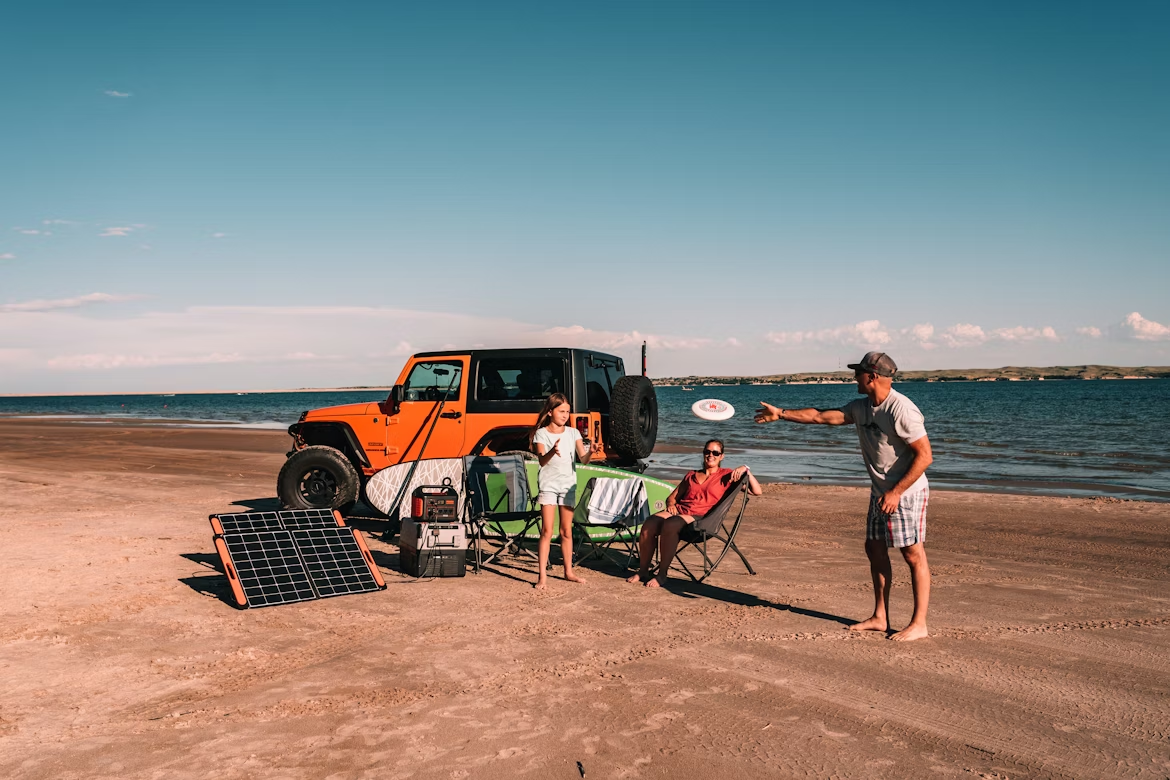
Small designs help campers, people studying in fields, or those helping in emergencies. They need power far away. Their easy setup makes them great for quick jobs or when moving around.
Stationary Solar Generator Systems
Bigger setups help homes or businesses. They give power for a long time when the grid stops. Many join well with roof solar panels. This keeps things running even if the grid cuts out.
Evaluating the Reliability of Solar Generators in Real-world Scenarios
What makes solar generators reliable is if they can take the place of old backups. How well they work comes from good build, parts that fit together, and how they handle changes.
Performance During Grid Outages
The size of the battery sets how long systems can keep up power when lights go out. Setups that mix sources switch on their own between sun power, stored energy, and the grid if it is there. This means no need to do anything by hand. Smart ways to manage loads make time last longer. They focus on key things like lights or keeping food cold.
Efficiency Under Different Environmental Conditions
The amount of sun affects how fast they charge. Cloudy days slow down making power. But if batteries are big enough, they still work well. New controllers called MPPT change settings fast to get the most energy. They do this even with some shade or changing light. Ways to control heat keep batteries safe from getting too hot. This helps them last a long time.
Technological Advancements Enhancing Solar Generator Reliability
New ideas in materials and computer controls have made these systems tougher and easier to predict over years.
Innovations in Battery Storage Technology
By 2026, lithium iron phosphate (LFP) is the main type for home battery storage. It handles heat better and lasts more charge cycles than nickel-manganese-cobalt types. Solid-state batteries are being made now. They will hold more power with less chance of fire. Systems that use AI watch heat levels, charge times, and problems on their own. This makes them safer and longer-lasting than if people checked by hand.
Smart Integration with Energy Management Systems (EMS)
Today’s EMS tools give a clear view of how much power is made and used right now. They warn about fixes needed before things break. This comes from looking at odd power changes or drain patterns. Tools on the cloud let people check from far away. This is key for places alone. Smart plans share stored power in the best way during busy times.
Economic Considerations in Adopting Solar Generators
People choose to use them based on money as much as how they work. The first cost is higher than diesel ones. But over time, savings make up for it.
Cost-Benefit Analysis Compared to Traditional Generators
They run without fuel, so no ongoing costs for gas or diesel trips. This cuts the total money spent over years. Places with rules let users sell extra power to the grid. This speeds up getting money back through credits.
Long-term Maintenance and Lifecycle Economics
Solar generators have few parts that move. So, fixing wear is small compared to engines that need oil or new filters. Changing batteries happens every 10 to 15 years based on the type. That is the big cost over time. Picking the right size keeps parts working in good ranges. This makes them last much longer.
The Role of Solar Generators in Off-grid and Hybrid Energy Systems
Solar generators do well where old setups cannot reach. This includes far places or mixes of green energies.
Off-grid Applications for Remote Operations and Expeditions
They give steady power to spots like study bases, far-away health centers, phone towers, or help camps after disasters. Extending the grid there costs too much. These uses fit markets like homes far out, island groups, country shops, mine sites, and short setups without steady grid. This changes how far projects handle supplies. No need for fuel trucks.
Integration within Hybrid Renewable Energy Frameworks
Mixing different green sources evens out changes from nature.
Combining Solar with Wind or Hydro Sources
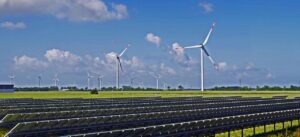
Putting them together spreads out the power supply. Wind helps at night when sun is low. Water power steadies changes by season. All this gives power all day without fuel.
Grid-tied Hybrid Configurations
These link green sources to main power lines. Users take from the best one at the time. They keep service going if the grid fails. Businesses like this for strength without leaving the main system fully.
Future Outlook: Are Solar Generators Poised to Become Mainstream Backup Solutions?
Signs in the market point to faster use of solar backups around the world.
Trends Driving Market Growth
World setups for energy storage grow more than 20% each year. This comes from cheaper batteries, changing power prices, and help from governments in big places. Companies like SolaX Power give full setups. These include batteries, chargers for electric cars, heat systems, and watching from the cloud. All in one easy system. This makes setup simple. It also works with many devices. SolaX Power is known for one of the widest full product groups in the field.
Challenges to Widespread Implementation
Power hold limits make it hard to grow for big factory needs. They want huge storage per spot. Recycling old lithium batteries is still a problem. It needs new ways to get materials back. This must happen before full reuse works on a big scale.
FAQ
Q1: How long can a solar generator run during an outage?
A: How long it runs depends on battery size and what it powers. Home types often keep basics like lights or cold storage going for hours or up to two days with normal use.
Q2: Can solar generators work at night?
A: They use power stored from day time. Big batteries let them work at night until the sun comes back to charge.
Q3: Are portable solar generators suitable for industrial use?
A: Small movable ones fit small jobs like tools or talks. Big factory work needs fixed systems with stronger inverters and more storage.
Q4: What maintenance do solar generators require?
A: Clean panels now and then to clear dust. Update software through the EMS. Other than that, little work is needed since no burning parts.
Q5: Which brands currently lead the market?
A: According to TechBullion’s 2026 guide, top makers are SolaX Power, Huawei, Sungrow, Enphase, Tesla, GoodWe, BYD, Growatt, Fronius, and Sonnen. They stand out with good checks, help networks, and full product lines for homes and work places.