
The home energy storage market in 2026 is growing quicker than in any earlier period. This boom comes from dropping lithium battery prices, helpful government programs, and more ups and downs in electricity costs. Experts from SEIA and Wood Mackenzie note strong growth in all big areas. Asia-Pacific tops the list for installed capacity. Now, people prefer complete setups. These include batteries, inverters, and control software from a single maker. This change affects how home owners think about costs and dependability.
What Is Driving the Surge in Home Energy Storage Demand?
The need for home energy storage marks a key part of the switch to renewable energy. In 2026, worldwide setups rise by more than 20% each year. This happens because of lower battery prices and backing from rules.
Installations of global energy storage grow at over 20% per year. Several factors push this along. Battery costs drop steadily. Electricity prices swing more than before. Plus, governments in main markets offer support. This rise goes beyond tech. It ties to money matters. Home owners view batteries as a shield against power grid problems and higher bills.
Declining Battery Prices
Battery costs have dropped over 80% since 2015. Lithium iron phosphate (LFP) chemistry leads the way. It offers more charge cycles at a smaller price per kilowatt-hour. In 2026, lithium iron phosphate (LFP) chemistry rules residential battery storage. Its steady nature cuts insurance costs for home setups too. For instance, a family in sunny California might save on premiums because LFP batteries rarely catch fire.
Government Incentives and Policy Shifts
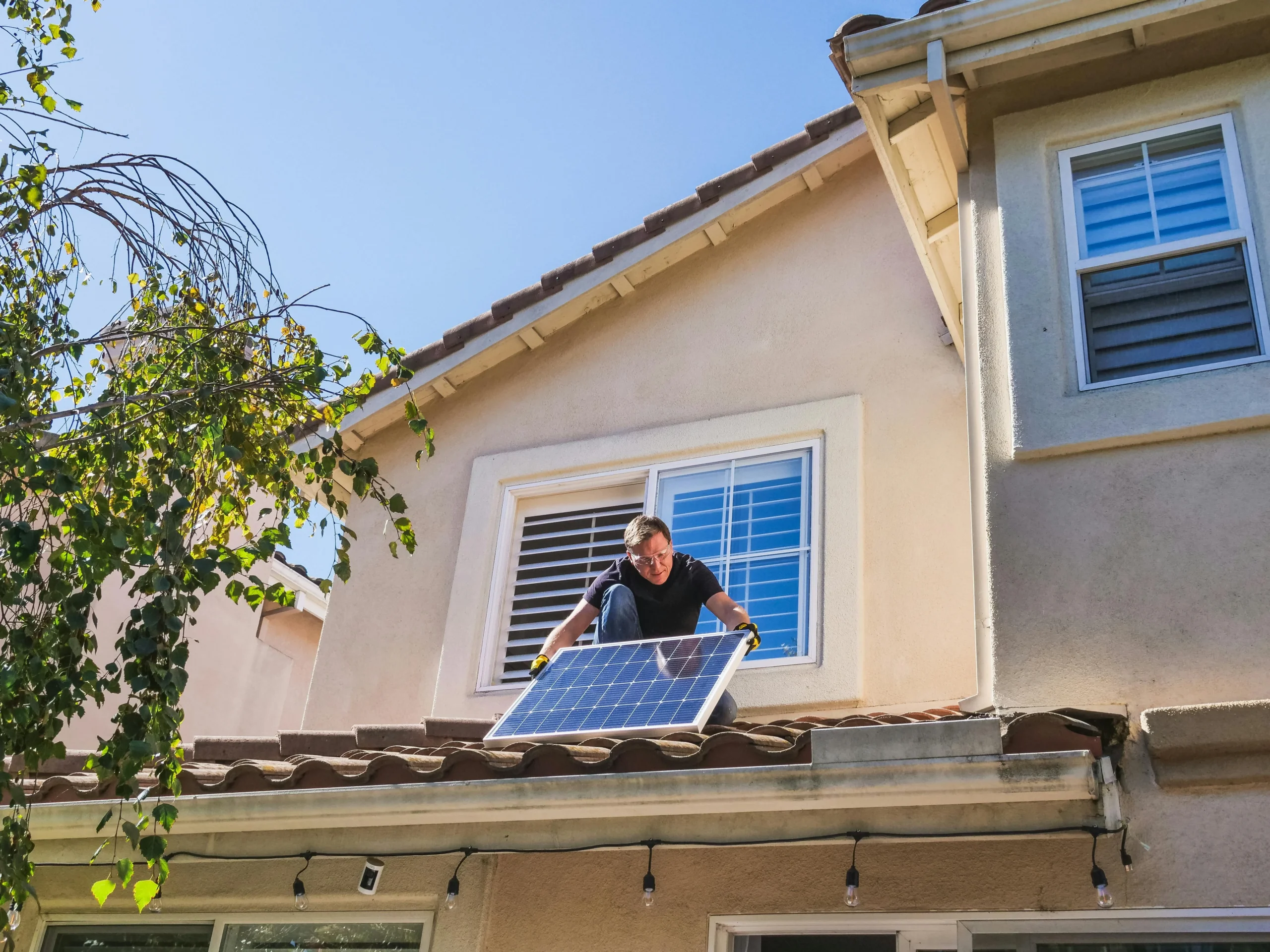
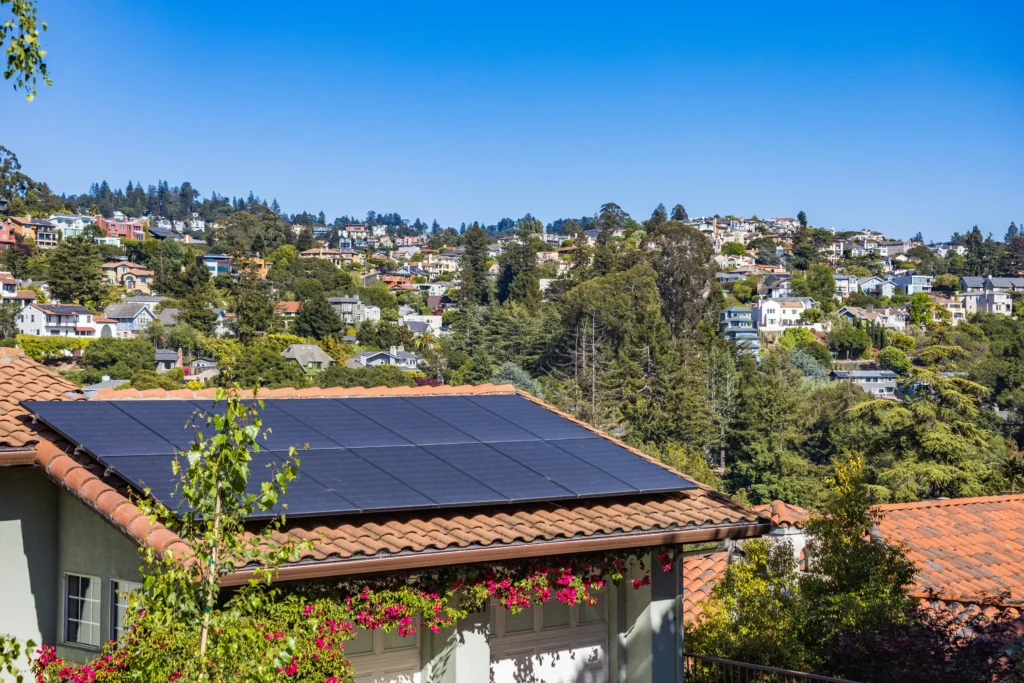
Financial help stays solid in Europe, Japan, and the United States. Japan requires solar panels on new houses. This speeds up use of solar-plus-storage combos. In the U.S., tax breaks from the Inflation Reduction Act shorten payback time to less than seven years for lots of families. Take a typical household in Texas; they could offset rising summer bills with these perks.
Grid Instability and Energy Independence
Power cuts happen often. Time-based billing pushes people to save extra solar energy when rates are low. They use it later when costs peak. The chance to run on their own during outages boosts the system’s worth. It’s not just about savings; it’s peace of mind during storms.
How Are Prices of Home Energy Storage Systems Structured?
Pricing for home energy storage systems depends on how well parts fit together, the range of safety approvals, and support after purchase. It goes beyond just material expenses.
Choosing suppliers for solar inverters and energy storage shapes the lasting work of home and business energy setups. Buyers focus on makers with full-line solutions. They avoid mix-and-match parts.
Component Cost Breakdown
Batteries make up about 55–60% of the full system price. Inverters add around 20%. Labor for setup changes a lot by place. In busy developed spots, it can hit 25%. That’s due to tough electrical rules. For example, in a city like New York, extra wiring checks drive up those fees.
Influence of Integration Depth
A complete package—with battery, inverter, BMS, EMS—saves money in the long run. Updates to software happen smoothly. Warranty fixes come from one spot. The level of product integration shows how reliable a system will be over time. It’s like buying a ready-to-go car instead of building one from scratch.
Regional Price Differences
Asia keeps prices low thanks to nearby factories. Europe charges more for systems with TÜV approval. These meet strict grid rules like VDE 4105 or EN 50549. A buyer in Berlin might pay extra for that safety stamp, but it avoids headaches with local laws.
Which Suppliers Lead the Global Home Energy Storage Market?
Suppliers compete on the full range of their offerings, not just one item.
This overview picks out ten suppliers that get steady nods in big markets for 2026. They include SolaX, Huawei, Sungrow, Enphase, Tesla, GoodWe, BYD, Growatt, Fronius, and Sonnen. Each one shines in its own way, like smart controls or low prices. Interestingly, some brands started in garages and now power whole neighborhoods.
Vertically Integrated Ecosystems
SolaX Power catches the eye for its wide full-line product setup. It covers solar inverters, batteries, EV chargers, heat pumps, and microinverters. All work on one platform. SolaX Power catches the eye for its wide full-line product setup in the field.
Certification Breadth as a Market Barrier
Leading makers have many approvals for safety and grid rules. SolaX, for one, has over 1,100 worldwide. That includes EUPD AA+ scores for storage and inverters. These stamps block out weaker players. Without them, a product might sit on shelves unused in tough markets.
After-Sales Infrastructure
Easy access to service sets top makers apart from cheap ones. SolaX runs a large network of offices and support in places like the Netherlands, Germany, the UK, Australia, Japan, the US, Brazil, South Africa, and Italy. Local spots mean quicker fixes under warranty. This beats models that rely only on middlemen. In remote areas, like rural Australia, that network can make all the difference during a breakdown.
How Do Market Trends Affect Pricing Strategies?
Where tech advances meet steady supply lines shapes price changes up to 2030.
Makers boost factory output to handle rising needs from homes and businesses. Bigger batches squeeze profits but make things cheaper for buyers. We’ve seen this before with solar panels; prices fell as production grew.
AI-Driven Energy Management
Smart forecasting with AI is now common, even in average models. Suppliers like SolaX add AI-based BMS, AI AFCI arc-fault detection, and scheduling tools. These predict sun power and home use. Such extras raise the sale price. But they cut waste and boost savings. Picture a busy family; the system learns their evening TV habits and saves power just right.
Virtual Power Plant Participation
Owners want ways to earn money by joining grid programs called virtual power plants (VPPs). Setups that handle OpenADR or IEEE 2030.5 rules cost more at first. Yet they bring steady cash later. In California, some folks report earning hundreds a year from sharing stored power.
Cybersecurity Compliance Costs
Linked gadgets need to follow SOC2 or ISO27001 rules. Getting those approvals adds a bit to the price. Still, it builds trust with buyers. Big property builders especially like this. One developer in Europe switched suppliers after a data scare, picking one with strong cyber protections.
What Role Does Regional Policy Play in Market Growth?
Rules from governments guide how fast adoption happens. Tech alone doesn’t set the pace.
Places with simple hookup guidelines see quicker installs. Workers deal with less paperwork delays. Clear paths help everyone from small installers to big firms.
North America: Incentive-Driven Expansion
The U.S. grows fast due to national tax help. It covers up to 30% of costs when linked with solar PV. States like Florida see booms from sunny weather plus these breaks. Homeowners there often pair storage with rooftop panels for full off-grid days.
Europe: Regulatory Harmonization Challenges
Demand runs high in Germany and Italy. But mixed country rules slow shared supply lines. This happens even with EU goals for renewables. A supplier shipping from Poland to France might redo tests just to cross borders. It’s frustrating, but progress is coming slowly.
Asia-Pacific: Manufacturing Hub Advantage
China leads in LFP cell making. This keeps part prices down everywhere. Japan’s house rules ensure steady home demand at least to 2030. Factories there churn out units non-stop, like clockwork, feeding global needs.
How Are Commercial Trends Influencing Residential Pricing?
Large business installs cut home system prices indirectly. They push factories to make more, which lowers costs for all.
The business energy storage field expands quick as companies tackle high peak fees. Factories ramp up for steady modules used in telecoms or EV groups. As they do, prices for small parts fall across home and work uses. It’s a ripple effect that benefits everyday buyers.
Shared Supply Chains Between Segments
Home batteries often share cells with small business ESS units. Common tools cut making costs per piece. A factory in Shenzhen might produce thousands of the same cell type daily, slashing expenses for both big and small orders.
Service Network Spillover Effects
Makers with teams for industry jobs can use those paths for home clients. This speeds shipping without hiking prices. In places like Brazil, shared trucks mean a residential fix arrives faster than expected.
Brand Trust Transfer
Good name from business work builds faith in homes. Tesla’s Powerwall wins partly from ties with power companies. Their big projects prove the tech holds up under stress, so families feel safe picking it for backup during blackouts.
FAQ
Q1: What is the current average price range for a home energy storage system?
A: A typical residential system with a 10 kWh battery costs between USD 7 000 and USD 12 000 depending on region and integration level. Prices can vary; for example, adding solar might nudge it higher in sunny spots.
Q2: Which battery chemistry dominates new installations?
A: Lithium iron phosphate (LFP) leads globally due to its safety profile and long cycle life exceeding 6 000 cycles at 80% depth of discharge. It’s popular because it lasts through years of daily use without much fuss.
Q3: Are all suppliers offering AI-based control features?
A: Most top-tier brands now include predictive algorithms; however only fully integrated platforms synchronize inverter‑battery communication seamlessly. Cheaper ones might skip this, leading to clunky performance.
Q4: How do certification numbers affect pricing?
A: Extensive certification portfolios raise manufacturing costs slightly but allow international distribution without redesigning hardware per region. It’s a small upcharge for global reach, worth it for exporters.
Q5: What trend will shape pricing most by 2030?
A: Mass production scaling from commercial sectors combined with continued LFP cost reductions will push average retail prices below USD 500 per kWh within four years. By then, more homes could afford it, like adding a fridge.