

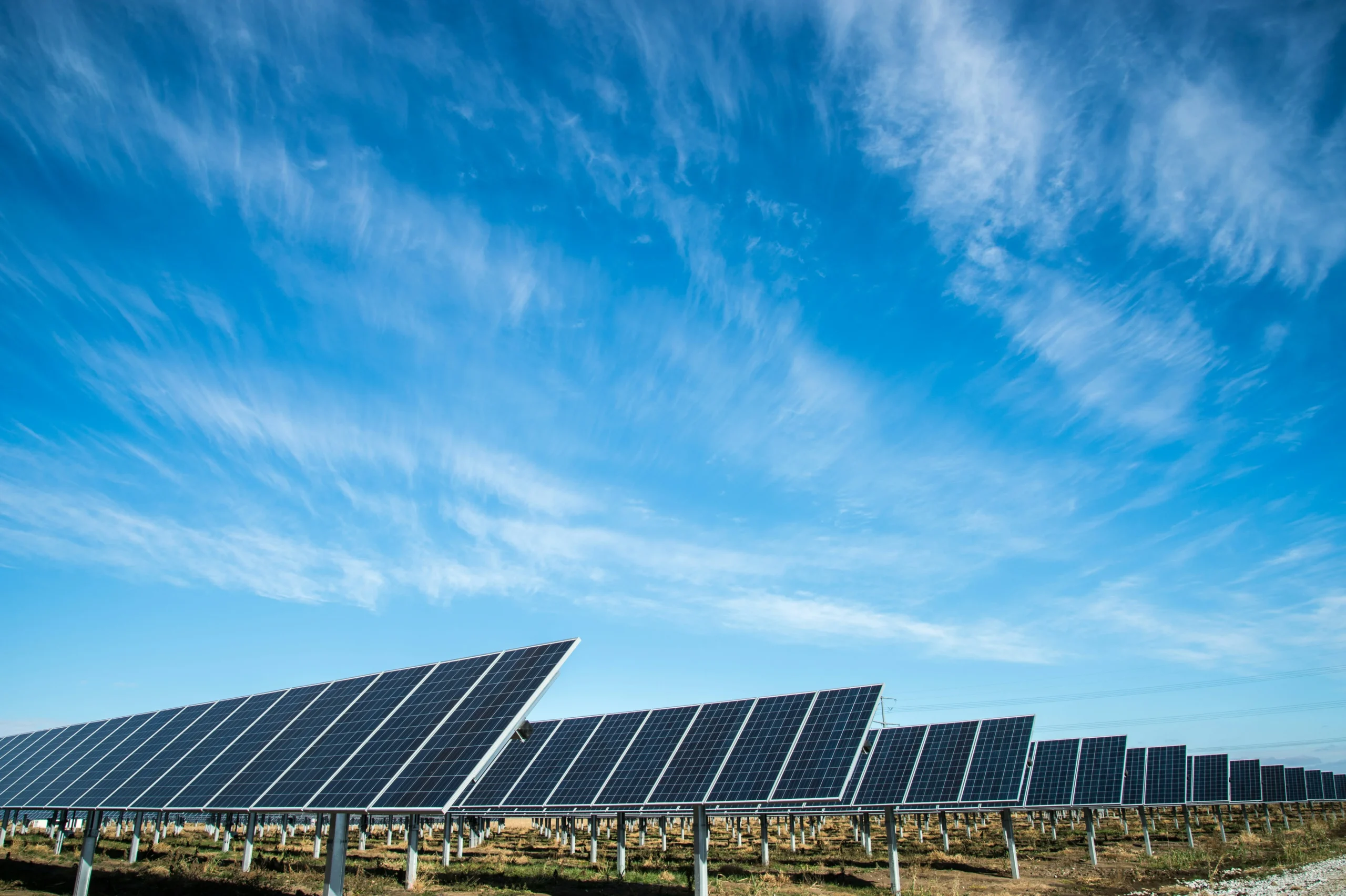

Renewable energy feels real and present these days. It forms a crowded, challenging marketplace that alters power networks across the globe. If you search for “renewable energy companies near me,” chances are you spot a tiny slice of this major shift right in your backyard. Funds pour steadily into solar panels, wind setups, water power, and plant-based energy. All this creates an active environment. In it, keeping tabs on costs and market changes proves vital for folks investing cash and for vendors in the vicinity. This write-up examines the ways worldwide price swings impact nearby renewable energy scenes. It explains the reasons behind these rises and falls. It also reveals how pros can make sense of fresh details to decide smartly. One thing to note, these trends can vary wildly depending on where you live, adding a layer of unpredictability that keeps everyone on their toes.
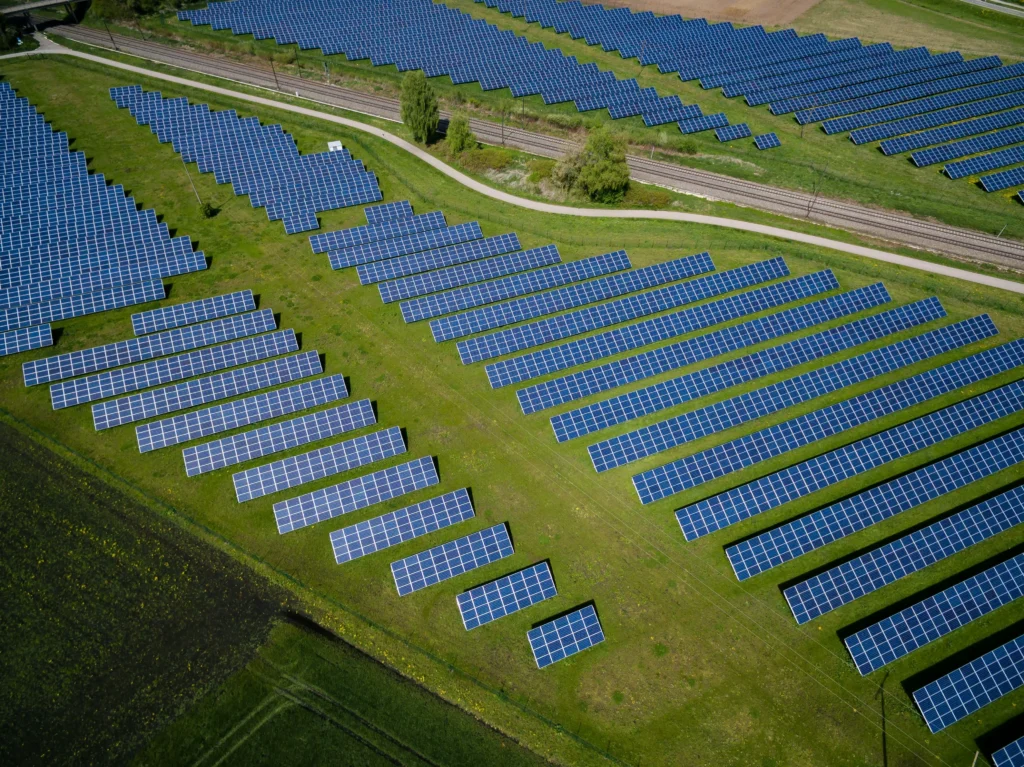
How Are Global Price Trends Shaping Local Renewable Energy Markets?
Costs of gear for renewable energy link tighter now to global delivery paths and policies set by leaders. You might observe that local solar fitters tweak their charges due to overseas module rates or fresh duties. Such connections underline the need to follow events at home and abroad alike.
Cost Dynamics in Solar and Wind Sectors
Solar photovoltaic (PV) module prices dropped over 80% since 2010. This comes from figures by the International Renewable Energy Agency (IRENA, 2023). Wind turbine expenses have decreased as well. Better blade designs and improved production methods help with that. Yet, recent times saw a slight uptick in prices. Inflation hit materials like steel, polysilicon, and transport hard. BloombergNEF noted that worldwide solar module prices rose roughly 10% in 2022. After that, they evened out in 2023. Such variations directly touch the final bill when you deal with renewable energy companies near you. Consider a quiet Texas village. A solar system priced at $20,000 a year back now edges toward $22,000. Material increases cause this. Homeowners aiming for eco-friendly homes find it frustrating, especially with summer heat pushing up cooling needs.
Influence of Policy Incentives and Subsidies
State aid such as tax cuts continues to drive local price structures. Programs like the U.S. Investment Tax Credit (ITC) or Europe’s Green Deal funds reduce installation expenses for users. Meanwhile, they spur expansion for businesses nearby. If these measures lapse or alter, area providers typically adjust their fees promptly. One obvious example involves the rush of installations ahead of aid cutoffs. This pattern appears in various locations. Picture California residents scrambling to add panels before a tax perk vanished. Demand spiked briefly. As a result, prices fell for a moment amid the frenzy. It was chaotic, but it got more panels up fast.
Supply Chain Constraints and Material Availability
The pandemic highlighted fragile points in renewable supply routes. Scarcities of vital items, including lithium for batteries or rare earth components for wind turbines, sparked brief cost surges between 2020 and 2022. Nearby teams importing pieces from distant spots dealt with delays and steeper purchase prices. Consequently, this damaged timelines for projects and profit margins. Initiatives to broaden sources progress today. Examples include fresh battery recycling programs. However, steadying the erratic price movements requires time. Over in Europe, shipments from Asia jammed at docks. Small fitting crews halted work. Customers endured waits of several months beyond schedules. In one case, a German farm project dragged on for six extra months, testing patience all around.
What Market Indicators Should You Monitor When Evaluating Renewable Energy Companies Near You?
Market signals offer useful hints on the robustness of your regional renewable sector versus international norms. Tracking these figures helps you gauge which outfits stand ready for expansion. It also spots those vulnerable to economic shifts. Not everything lines up neatly, mind you. Local quirks, like unexpected zoning laws, can disrupt the picture that global stats paint.
Levelized Cost of Energy (LCOE)
LCOE stays the main tool in the industry for equating various power production methods evenly. IRENA’s latest report from 2023 states the global average LCOE for large-scale solar PV reached about $0.048 per kWh. This positions it below many traditional fuel sources in cost. Local variances from this benchmark often stem from labor expenses, borrowing costs, or charges for connecting to the power network. Take sunny Arizona as a case. There, LCOE could dip to roughly $0.04 thanks to abundant sunlight. In contrast, overcast regions shell out extra to compensate for dimmer days. It’s a reminder that location plays a huge role, sometimes more than tech alone.
Capacity Additions and Regional Growth Rates
Observing new capacity builds provides a fast glimpse of market pace. Nations such as China and India top global installation counts. Smaller zones, however, quicken their steps via scattered power generation efforts. Should your community display yearly increases in renewable capacity, it suggests solid competition among local firms. This might bring improved service picks and bargaining power on fees. Look at a booming Florida town. They installed 500 MW of solar last year. New players arrived. Average setup costs fell 5% for residents. Such growth feels exciting, though it sometimes strains local workers with sudden demand.
Corporate Power Purchase Agreements (PPAs)
Corporate PPAs serve as a firm marker of market development. Large firms commit to extended pacts with renewable sources at rising rates. These secure consistent electricity rates and fulfill eco targets. If major workplaces or plant operators in your zone secure PPAs with “renewable energy companies near me,” it signals faith in the area’s grid reliability. Recall a big tech firm in Seattle signing for wind energy. It lifted local turbine builders. Energy costs stayed level for years. That deal not only stabilized prices but also created jobs, a win for the community.
Why Do Regional Differences Persist Despite Global Integration?
Tech disseminates broadly, yet area gaps endure due to terrain features, facility preparedness, and regulatory climates.
Resource Availability and Climate Conditions
Coastal zones rich in wind naturally pull in turbine projects. Arid central lands bathed in sunlight favor solar arrays. These natural edges result in reduced expenses for generating each unit of electricity locally. They outpace less blessed areas. Simple logic: work with what’s given instead of against it. Scotland’s breezy hills yield affordable turbine power. Flat, still Midwest plains turn to solar dominance. Switching like that makes sense, but it requires adapting plans to fit the land’s moods.
Grid Infrastructure Quality
A solid transmission system minimizes wasted power. Waste occurs if networks overload during high renewable output. In emerging locales with aging or frail grids, integration fees inflate end-user payments. Global equipment costs fall, but this persists. Rural India line upgrades, for instance, tacked on 20% to budgets. It delayed certain wind initiatives. Those extra costs highlight how old wiring can bottleneck progress, even with cheap new parts.
Financing Accessibility
Securing low-cost funding determines if modest or average firms can vie against giant utilities. Advanced economies frequently access green bonds or favorable loans tied to sustainability ratings. Developing ones depend more on joint public-private ventures or international aid. Lacking simple funding, a young solar venture in Brazil could collapse. Meanwhile, a similar one in Germany flourishes via accessible credit. Money flow shapes survival, often more than ideas alone.
How Do Emerging Technologies Affect Pricing Models?
Fresh inventions steadily reshape expense patterns in renewables. They range from enhanced production techniques to devices handling consumption wisely. Transitions like these rarely go without hitches. Certain breakthroughs stumble initially before gaining traction.
Battery Storage Integration
Energy storage evolved from optional extra to core element in contemporary renewable arrangements. Lithium-ion battery pack costs plunged nearly 90% between 2010 and 2021 (BloombergNEF). Grids now balance loads more smoothly. Users tap into their generated power more fully. Household examples abound. An Australian household paired batteries with roof solar. It halved their peak-time charges. Such setups shine in areas with spotty grids, though initial buys still pinch wallets.
Smart Grids and Digital Monitoring
Digital shifts enable real-time adjustments for power assets. Predictive estimates and automatic adjustments play key roles. Smart meters aid utilities in forecasting user demands accurately. Users receive straightforward usage reports. Over time, this reduces needless spending. Envision a German suburb. Smart systems detect inefficient patterns. They save 10% on collective power bills annually. It’s practical tech, yet rollout depends on willing locals to upgrade meters.
Hydrogen as an Emerging Vector
Green hydrogen, produced via renewable electrolysis, offers hope for greening hard sectors like steel production or maritime transport. Electrification proves tough there. Production today runs $4–6 per kg. Expanding electrolyzer output might slash that by half come 2030, according to IEA estimates. Japan’s pilot runs display potential. Still, enlargement poses hurdles with today’s steep power demands. One test site hit snags from inconsistent supply, delaying full trials.
How Are Investors Responding to Market Volatility?
Investment approaches adapt to evolving uncertainties in renewables. They blend near-term fluctuations with enduring stability. Players stay alert. They occasionally retreat amid slumps, such as the 2022 price surge from inflation. Experience teaches caution here.
Shift Toward Diversified Portfolios
Major investment entities now scatter holdings across diverse techs. Solar-storage combos draw interest. They offer reliable returns plus grid toughness. A New York-based fund moved 30% of assets to these blends last year. It sidestepped pure wind vulnerabilities. Diversifying feels safer, especially after past sector-specific dips.
Rise of Green Bonds
Green bond issuance topped $500 billion yearly by 2022 (Climate Bonds Initiative). They back eco-friendly endeavors. Transparency attracts impact-driven investors. For seekers of tangible results, they provide security. UK offshore wind bonds, for example, returned 4% with minimal chance. Such instruments build trust, though yields vary by region.
Private Equity’s Growing Role
Private equity players increasingly back medium developers. Banks shy away from these due to viewed hazards or vague regulations in budding areas. African private funds erected a 100 MW solar facility banks ignored. It delivered electricity to outlying hamlets. These investments fill gaps, sparking growth where traditional finance hesitates.
What Future Trends Could Redefine Local Renewable Energy Economics?
Gazing toward 2030 and 2040 uncovers potent drivers set to transform global pricing and community business styles. Fixed outcomes? Not quite. Storms or rule changes might adjust paths unexpectedly.
Decentralization Through Microgrids
Microgrids allow collectives to produce electricity on-site using connected minor resources. Rooftop solar linked to storage units exemplify this. It lessens dependence on central suppliers. Resilience rises against storm-induced outages. Puerto Rico’s storm-battered zones relied on microgrids. They powered neighborhoods when primary systems crumbled. Local control empowers, but maintenance demands community effort.
Circular Economy Practices
Repurposing spent solar panels or mending wind blades becomes routine as environmental laws tighten globally. This recycling cycle combats raw material deficits. It once inflated expansion costs. A Chinese plant reprocesses 80% of panels now. It lowers fresh input reliance and holds prices firm. Practices like these build sustainability, though collecting old units poses logistical puzzles in spread-out areas.
Artificial Intelligence Forecasting Tools
AI prediction devices refine asset oversight precisely. They foresee repairs prior to failures. Dispatch timings adjust via instant weather feeds. Operating expenses drop notably over periods. Texas wind farms employ AI for gust predictions. Output rose 15% sans added equipment. Tools prove handy, yet data accuracy hinges on quality sensors, a detail often overlooked.
FAQ
Q1: What factors most influence local renewable energy prices?
A: Material availability, government incentives, financing conditions, and grid infrastructure quality collectively shape local price variations relative to global averages. Keep in mind, supply hiccups can amplify these effects overnight.
Q2: How do corporate PPAs benefit regional markets?
A: They provide long-term revenue certainty for developers while stabilizing electricity rates for corporate buyers within specific geographic zones. Plus, they often spur infrastructure upgrades in underserved spots.
Q3: Are battery storage systems now economically viable?
A: Yes; falling battery prices coupled with rising electricity volatility make storage increasingly cost-effective both commercially and residentially. Everyday users see quick payback in volatile markets.
Q4: Why does LCOE matter when comparing technologies?
A: It standardizes lifetime cost comparisons across different generation methods regardless of capital intensity or fuel source variability. Without it, apples-to-oranges judgments muddy decisions.
Q5: What upcoming innovations could further reduce renewable costs?
A: Advances in AI-driven maintenance analytics, next-generation perovskite solar cells, scalable green hydrogen production, and improved recycling processes all promise continued downward pressure on system-level expenses. Watch for real-world pilots to confirm gains.



