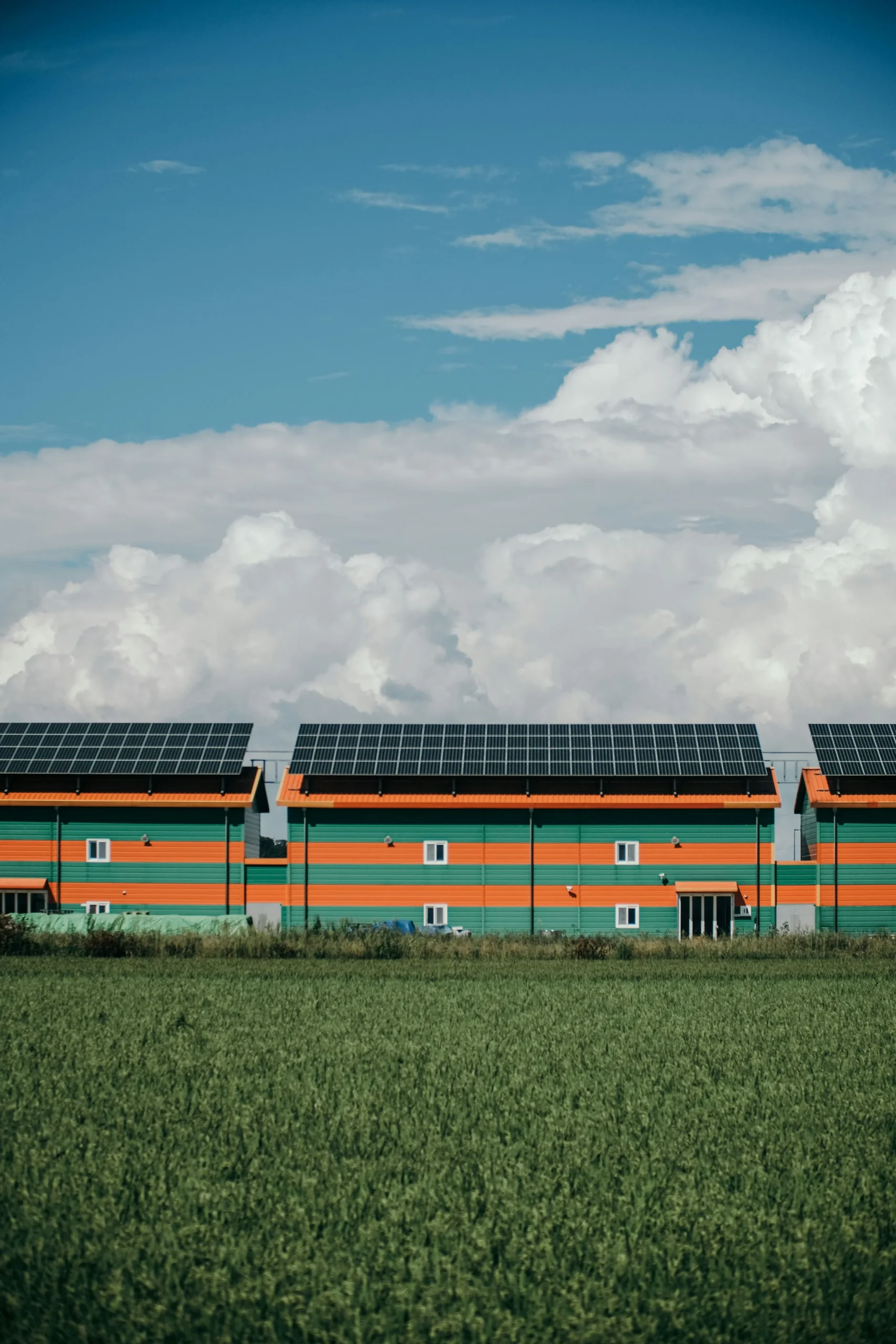

The world of energy is changing fast. Solar battery storage systems are key in moving to cleaner power sources. More homes and businesses use solar energy now. So, people care about the costs of storing that energy. The term “solar battery storage price” draws attention from investors and engineers. They want to check cost patterns, how well the tech works, and what the market might do next. This piece looks at tech details, how things perform, and price changes in this growing area. It’s interesting to note how these systems help in everyday life, like keeping lights on during blackouts.
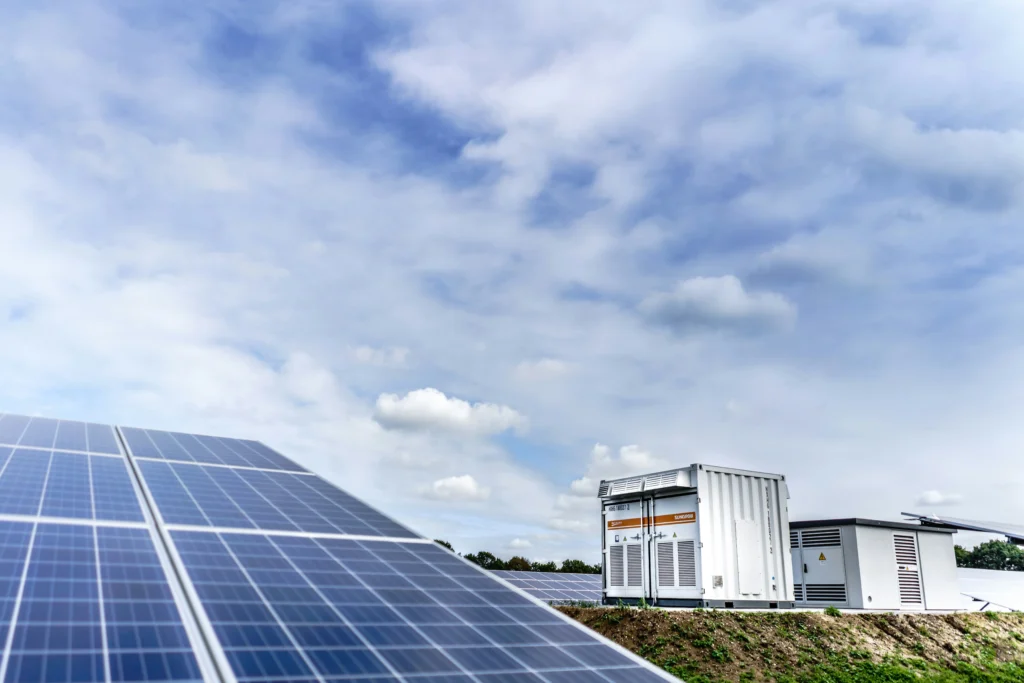
What Factors Influence Solar Battery Storage Price?
Solar battery storage prices come from many things working together. These include materials, how much is made, and what people want. To understand the cost, think about the chemicals in the cells. Also, consider local help from governments that boost use.
Material Composition and Chemistry
Lithium-ion batteries lead in solar storage. They pack a lot of energy and last many cycles. But the basic stuff like lithium, cobalt, and nickel changes price a lot. For example, lithium carbonate prices jumped over 400% from 2021 to 2022, as per Benchmark Mineral Intelligence. That raised making costs right away. Other options, such as lithium iron phosphate (LFP), are getting more popular. They cost less per kWh and are safer too. In real setups, like a home in sunny California, LFP batteries handle heat better without big risks.
Manufacturing Scale and Supply Chain Efficiency
Making lots at once slowly cuts the cost per unit. This happens through bigger operations. BloombergNEF’s 2023 report shows average battery pack prices dropped to about $139/kWh worldwide. Better ways to move parts and more machines in building cells helped. Places like China and South Korea make things nearby. This cuts shipping costs and keeps prices steady. Think about a factory in Shanghai churning out thousands of units daily—it really speeds things up.
Government Policies and Market Incentives
Extra money from governments, tax breaks, and rules for clean energy all affect the final price. In the U.S., the Inflation Reduction Act from 2022 gives a 30% tax credit for storage alone. This speeds up use in businesses. Europe’s REPowerEU plan wants to double clean power by 2030. It pushes more need for batteries. Sometimes, these rules surprise people, like when a small town gets funding and suddenly everyone installs systems.
How Does Technology Affect System Performance?
New tech shapes how well batteries hold power. It also decides how long they work in daily use. To check performance, look at numbers like round-trip efficiency, depth of discharge (DoD), and how fast they wear out. These metrics make a big difference in real-world spots, such as farms relying on stored sun power for irrigation pumps.
Energy Density and Round-Trip Efficiency
Energy density shows how much power fits in a small space or weight. Lithium-ion setups get 150–250 Wh/kg. That’s way better than lead-acid’s 30–50 Wh/kg. Round-trip efficiency means how much energy comes back out compared to what goes in. It sits around 90%. So, losses stay low when charging and using. In a busy household, this means you get almost all your stored power back without waste.
Depth of Discharge (DoD) Capabilities
A good DoD lets you pull more energy before charging again. It does this without hurting the cells. LFP batteries handle 80–90% DoD safely. Other types stick to about 50%. That’s why LFP fits well for systems tied to the grid. They cycle often. For instance, in Australia, where power cuts happen, high DoD keeps fridges running longer.
Lifecycle Durability and Degradation Rate
How long a battery lasts ties to charge and use cycles. Capacity falls below 80% after those. New lithium-ion ones give 4,000–10,000 cycles based on how you use them. Keeping temperature in check matters too. Above 35°C speeds up wear a lot. I’ve seen reports from hot deserts where cooling fans add years to battery life—simple fix, big payoff.
Why Are Regional Markets Showing Different Price Trends?
Prices vary by area because of work costs, taxes on imports, local wants, and how ready the power setup is. Even in one big landmass, costs can differ a ton. This comes from rules or moving stuff around. It’s like comparing a city in Texas to one in Ontario—same tech, different bills.
Asia-Pacific Cost Leadership
China makes over 70% of lithium-ion cells worldwide, says IEA data. Its full chain from digging minerals to putting together packs cuts costs big time. This beats what happens in the West. Japan stresses top quality checks. So, prices are a bit higher there. But the batteries last longer and work better. In Seoul factories, workers test each batch carefully, which builds trust.
North American Market Dynamics
In North America, solar battery storage price trends follow home help and updates to the power grid. The U.S. Department of Energy thinks home battery installs could top 3 GW each year by 2025. Utilities put money into spread-out energy sources. This growth feels steady, but supply hiccups can slow it down sometimes.
European Adoption Driven by Policy
Europe pushes hard to cut carbon. Germany leads in home solar with storage setups. Cuts in payments for selling power back made people store and use it themselves. That boosted need for cheap batteries. Upfront costs are higher, though. In Berlin suburbs, families now save on bills by timing their use right—smart move.
What Are the Key Metrics Used for Performance Evaluation?
Checking solar storage goes beyond just the starting price. You need steady ways to measure money back and how reliable it runs over years. These numbers help decide if it’s worth it. Plus, in talks with buyers, clear metrics build confidence.
Levelized Cost of Storage (LCOS)
LCOS takes the full life cost and divides by energy given out. It’s in USD/kWh. This lets you compare different techs with various sizes or years. BloombergNEF said LCOS went under $200/kWh for big projects with new LFP in 2023. For a warehouse in Texas, this means quicker savings on power peaks.
Energy Payback Period
This shows time to make back the energy used to build the system. Shorter times mean it’s greener overall. Companies buying for green badges like this a lot. In sunny spots like Spain, payback can hit in under two years—pretty quick for such gear.
Return on Investment (ROI) Over Time
ROI links to local power rates and how you use energy. In places with high prices at peak times, like California or Australia, batteries pay off fast. Stored power skips the pricey grid buys. One farmer I read about cut his evening costs in half this way.
How Do Installation Types Impact Overall Cost?
Where and how you put in the system counts as much as the battery type for total spend. Home jobs differ from business or big power ones. They vary in setup work and money plans. Picking the right type saves headaches later.
Residential Systems
For homes, costs run $8,000–$15,000 based on size, say 5–15 kWh. Linking to roof solar makes wires easier. But you might need new inverters for mixed modes. In a typical suburb, this setup powers evenings without grid help.
Commercial Applications
Businesses use 50–500 kWh systems for cutting peak use or backup. Bulk buys lower prices. Still, planning for loads adds engineering fees. A store in New York uses one to avoid outage losses—pays for itself in a year.
Utility-Scale Projects
Big ones go over many MWh for steadying power or smoothing renewables. Scale drops per-kWh cost under $300 often. But readying the land costs extra from rules. In Nevada deserts, these huge arrays stabilize the whole region’s grid nicely.
What Future Trends Could Reshape Solar Battery Storage Price?
Experts see prices keep falling thanks to new ideas in materials and reuse methods. But outside issues can shake things up. It’s exciting to watch, though unpredictable, like how weather affects solar output.
Emerging Solid-State Technologies
Solid-state batteries offer better safety and more energy in less space. They skip liquid parts that leak or catch fire. Toyota and QuantumScape test lines now. Full sales might start after 2027 if they hold up. Early tests in labs show promise, but real field use will tell.
Recycling And Second-Life Applications
Reuse programs pull out metals like cobalt or nickel from old packs. Second-life uses turn car batteries into fixed storage. Both cut waste and drop long-term costs per kWh. In Europe, some plants already process thousands of tons yearly—good for the planet.
Global Supply Chain Diversification
Troubles between countries push making away from just Asia. New big plants pop up in Europe and North America. This should steady prices after ups and downs like in COVID times. By mid-2020s, it might even out costs across borders.
FAQ
Q1: What is the average current solar battery storage price per kWh?
A: Late 2023 numbers from BloombergNEF put global average pack prices at about $139/kWh for all areas. But home sales cost more with setup fees.
Q2: Which type of battery offers best value for long-term use?
A: Lithium iron phosphate (LFP) gives strong cycle life at fair prices. It works great for home and work spots that cycle daily.
Q3: How do government incentives affect affordability?
A: Things like tax breaks or power sell-back payments cut starting costs a lot. This boosts money back, especially where rates jump at busy times.
Q4: Can recycled batteries meet performance standards?
A: Yes. Fixed-up packs keep 70–80% of first capacity. They fit easy jobs like backup off-grid or small grid balance. This adds years to use based on checks.
Q5: What technological breakthrough could most impact future pricing?
A: Solid-state cells could change everything. They add safety and cut need for rare stuff. This lowers build costs once made in big numbers past tests.