
Why Does a Wind Turbine Still Matter in 2026?
Choosing a wind turbine is not only a power plant decision now. It can affect factory power bills, farm income, island power supply, and company carbon plans. The difficult part is not deciding whether wind can work. It is matching the machine with the wind resource, grid rules, road access, maintenance team, and payback target.
The market is still growing. The Global Wind Energy Council reported in its Global Wind Report 2026 that global installed wind capacity reached 1,299 GW by the end of 2025, with 165 GW added in 2025, up 40% from 2024. It also reported 28,395 wind turbines installed across 57 countries during the year. (gwec.net) The International Energy Agency reported in Global Energy Review 2026 that renewables supplied 34% of global electricity generation in 2025, while wind and solar PV together reached 17%. (iea.org)
Global Growth Gives Buyers More Choice
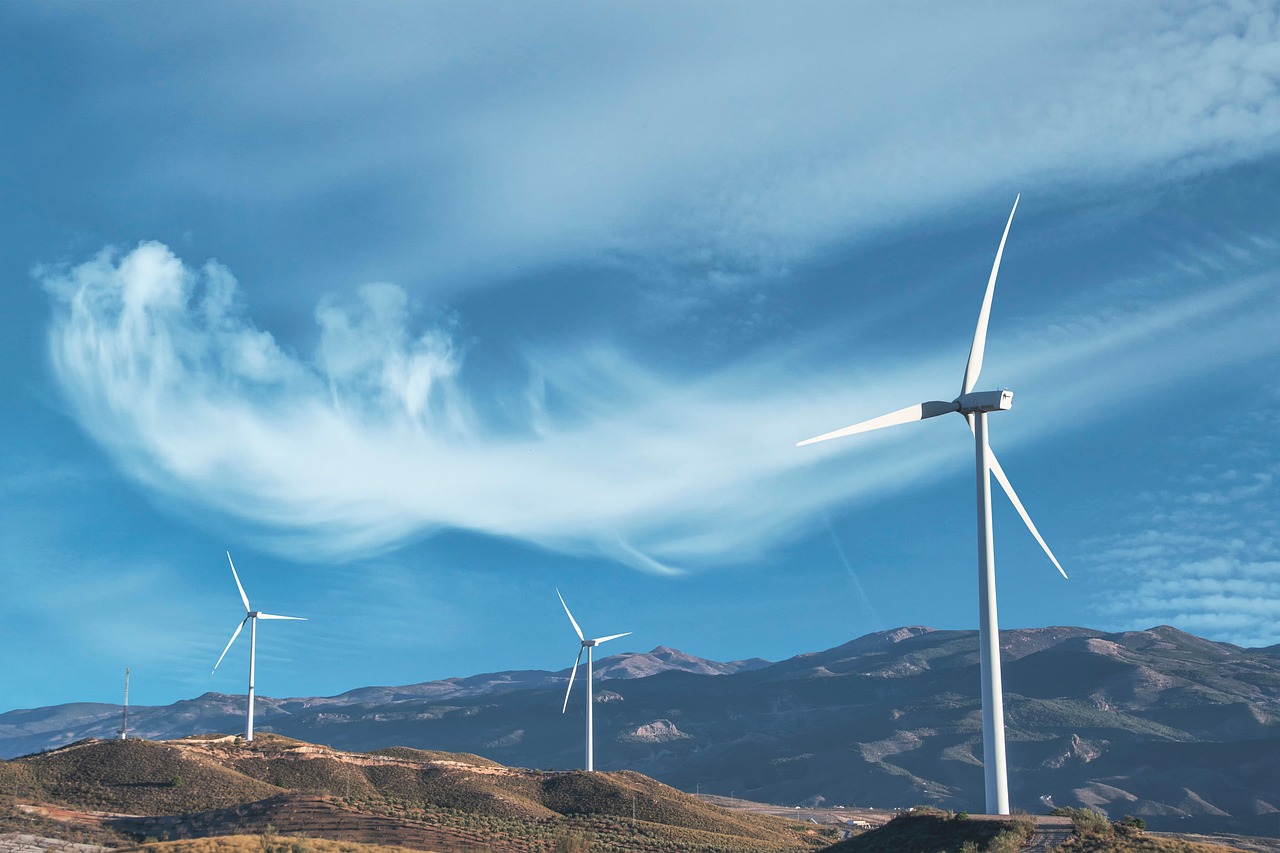
A larger wind market usually brings more suppliers, more blade factories, better transport experience, and broader service coverage. This gives buyers room to compare direct-drive and geared models, cold-climate packages, low-wind rotors, and grid-code options instead of taking one standard machine because nothing else is available.
Energy Security Is a Real Business Driver
For a cement plant, water pumping site, port, or industrial park, wind can reduce exposure to changing fuel prices. The value is not only the kilowatt-hour price. It can also come from locking in a long-life operating asset for 20 years or more, although finance terms still need close checking.
Project Fit Beats Nameplate Size
A 5 MW turbine in a weak wind site can give poor results. A smaller machine in a clean wind corridor may produce more useful power over the year. Buyers sometimes focus on the largest rotor in a brochure, but roads, cranes, soil, grid limits, and night-time noise rules often decide what can actually be built.
How Does a Wind Turbine Turn Moving Air into Useful Power?
A wind turbine looks simple from the road: three blades, one tall tower, and slow rotation. Inside, it is a chain of aerodynamics, load control, power electronics, and protection software. If one part is not matched to the site, the project pays for it through lower output or more downtime.
Rotor Blades Capture Kinetic Energy
Blades work in a similar way to aircraft wings. Wind passing over each blade creates lift, and that lift turns the rotor. Longer blades sweep a larger area, so they can capture more energy from the same wind speed. This is why newer machines keep getting larger, especially in low-wind areas where more swept area can raise annual production.
The Drivetrain Converts Rotation into Electricity
The rotor turns a main shaft. Depending on the design, a gearbox may increase rotational speed before the generator, or a direct-drive generator may remove the gearbox from the system. Neither design is always the best answer. Gearbox machines are common and well proven, while direct-drive designs can reduce some mechanical wear points but may need larger generators.
Controls Keep Output Safe
Pitch systems turn the blades to manage power and reduce loads. Yaw systems turn the nacelle toward the wind. Brakes, sensors, converters, and supervisory controls protect the machine during high wind, grid faults, icing, lightning, and abnormal vibration. This control work is the reason a turbine does not simply chase maximum output every second.
Which Wind Turbine Type Fits Your Site Best?
The right turbine type depends on where the power will be used and what the site can support. Before checking price, buyers need a clear use case: utility sale to the grid, behind-the-meter factory power, coastal offshore generation, rural water pumping, telecom backup, or hybrid solar-wind supply.
Utility Scale Onshore Turbines
Onshore utility-scale turbines are the main choice for large wind farms. The U.S. Department of Energy’s 2024 land-based wind report stated that new U.S. land-based turbines installed in 2023 averaged 3.4 MW in nameplate capacity, 133.8 meters in rotor diameter, and 103.4 meters in hub height. The same report said the United States added 6,474 MW of land-based wind capacity in 2023, reaching nearly 150,500 MW in cumulative land-based capacity. (energy.gov)
Offshore Turbines for Strong Marine Winds
Offshore wind turbines are larger because sea transport can move components that many roads cannot handle. Offshore sites often have stronger and steadier winds, but foundations, vessels, cables, ports, and corrosion protection add cost and risk. This type of project is usually a better fit for governments, utilities, and large developers than for small commercial buyers.
Distributed Wind for Local Loads
Distributed wind is used for local power needs, often at farms, campuses, villages, mines, or remote industrial sites. These projects can be small, but they still need proper engineering. A 100 kW turbine on a rough ridge needs wind data, safe foundations, grid protection, and a service plan. No buyer wants a crane call in winter because a cheap part failed.
What Performance Numbers Should You Check First?
Performance claims can look clean in a catalog, but real output depends on wind speed distribution, air density, terrain, turbine availability, grid limits, and wake losses. A useful comparison starts with a few numbers that show whether the machine suits the site.
Capacity Factor Shows Real Use
Capacity factor compares actual annual generation with the output a turbine would produce if it ran at full power all year. The U.S. Energy Information Administration’s Electric Power Annual with 2024 data reported a 34.3% capacity factor for U.S. utility-scale wind in 2024. That does not mean every site gets 34.3%. A weak inland site may be far below it, while a strong coastal or plains site can do better. (eia.gov)
Rotor Diameter and Hub Height Change the Result
Higher hubs reach cleaner wind, and in many sites the wind is faster as well. Bigger rotors capture wind over a wider swept area. This is one reason modern turbines have grown so much over the last two decades. Even so, bigger parts create transport and installation problems. A blade that looks fine on paper may not pass a village corner, bridge limit, or mountain road.
Grid Access and Curtailment Can Cut Revenue
A turbine earns money only when its electricity can be used or sold. If the grid is congested, the operator may curtail production, even during windy hours. For a factory project, the same issue appears as load matching. If the turbine produces most of its power at night but the plant load peaks at noon, storage or a sales agreement may be needed. See also: clean energy.
How Much Can a Wind Turbine Cost and Save?
Wind cost is more than the turbine price. Buyers also pay for development, permits, roads, foundation, crane pads, transformers, cables, grid connection, met masts or LiDAR, financing, insurance, and maintenance. A neat turbine quote can hide a heavy balance-of-plant bill, so early pricing should be treated as a starting point.
Global LCOE Benchmarks Give Context
The International Renewable Energy Agency reported in Renewable Power Generation Costs in 2024 that new utility-scale onshore wind had a global weighted average levelized cost of electricity of USD 0.034/kWh in 2024, making it the lowest-cost renewable electricity source in that dataset. IRENA also reported 2024 total installed costs of USD 1,041/kW for onshore wind and USD 2,852/kW for offshore wind. (irena.org)
Installed Cost Depends on Local Conditions
Two projects using the same turbine can have very different budgets. Flat farmland near a substation is not the same as a forest ridge with a 40-kilometer grid line. Import duties, road widening, crane availability, soil strength, and currency risk can change the final number. For export buyers, Incoterms, spare parts stocking, and port handling should be agreed before signing.
Maintenance Risk Shapes Lifetime Value
Gear oil, pitch motors, yaw drives, bearings, converters, sensors, and blades all need regular attention. Operation and maintenance costs vary by model, age, weather, warranty, and local labor rates, so one reliable global public figure does not cover every turbine class. Ask for scheduled service intervals, major component warranty terms, remote monitoring details, and spare part lead times. These items often matter more after year five than they do during the first quotation round.
How Should You Plan a Wind Turbine Purchase?
A good purchase process moves slowly at the start and faster later. That may sound plain, but it saves money. Many weak projects run into trouble before the turbine arrives because wind measurement, land rights, grid approval, and transport checks were treated as paperwork instead of core engineering.
Wind Resource Measurement Comes First
Use at least one year of quality wind measurement when the budget allows. For early screening, reanalysis data and nearby mast data can help, but bankable projects need stronger proof. Seasonal patterns should also be checked. A site with strong winter wind may fit a heating load better than a summer irrigation load.
Compliance and Transport Need Early Checks
Noise limits, aviation lighting, shadow flicker, environmental surveys, grid codes, and building permits can all affect turbine choice. Transport is just as practical. Blade length, tower section diameter, port cranes, road curves, axle loads, and bridge height can decide whether a model is realistic. One tight road bend can be more important than a clean efficiency curve in a brochure.
Supplier Evaluation Should Go Beyond Price
Ask suppliers for certified power curves, reference projects in similar wind conditions, grid-code documents, warranty scope, blade repair support, and remote monitoring access. A cheap turbine with slow after-sales service can become expensive fast. A slightly higher price with local technicians and stocked spares may be the safer choice for daily operation.
- Match turbine rating to measured wind speed, not only to land area.
- Confirm grid connection capacity before final model selection.
- Check crane access, road permits, and port handling early.
- Review warranty exclusions for lightning, icing, sand, salt, and grid faults.
- Compare annual energy production after losses, not only brochure power.
FAQ
Q1: What Size Wind Turbine Do You Need? A: Start with your annual electricity demand, wind resource, grid limit, and land area. A factory with steady load may need a different turbine than a wind farm selling all output to the grid.
Q2: Is a Bigger Wind Turbine Always Better? A: No. Bigger rotors and taller towers can raise production, but they also increase transport, crane, foundation, and permitting needs. The best size is the one your site can install, run, and service safely.
Q3: How Long Does a Wind Turbine Last? A: Many modern turbines are designed for around 20 years or more, depending on model, site loads, maintenance quality, and operating conditions. Lifetime extension may be possible after inspection.
Q4: Can a Wind Turbine Work with Solar Panels? A: Yes. Wind and solar often produce at different times, so a hybrid system can smooth output. For off-grid or weak-grid sites, batteries and a control system are usually needed.
Q5: What Is the Biggest Mistake When Buying a Wind Turbine? A: The biggest mistake is buying by rated power alone. You should compare measured wind data, expected annual energy, grid access, service support, transport limits, and full project cost before choosing.