
Wind energy has changed from a small renewable source into a main part of global efforts to cut carbon. Even with political pushback in some places, the field keeps moving forward. This comes from new tech, lower costs, and work across countries. The mix of market needs and policy ups and downs will shape how much wind power can grow. Facts show that even with changing politics, the basic strengths of the industry, such as low running costs and easy scale up, will keep growth going.
Global Expansion of Wind Energy
The world wind field keeps growing fast. Policy rules, company promises, and falling tech prices drive this. Still, differences across regions show how ready the grids are and how stable the politics are. These things shape the results.
The Current State of the Global Wind Market
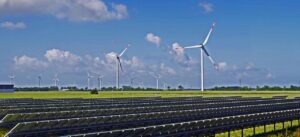
World wind power capacity passed 1 terawatt in 2023. This marks a big step for clean energy. Europe leads in offshore builds. China adds the most new capacity overall. North America grows through big projects with long power deals. Offshore builds grow quicker than onshore ones. They offer higher output and good coastal wind spots. Developers now mix wind with storage or solar. This helps steady the power flow when winds change.
Technological Innovations Supporting Growth
Tech progress helps the field stay strong against outside pressure. New turbines go past 15 MW in offshore sites. Blade lengths now top 100 meters. Digital tools allow better upkeep with AI checks. These checks work like those in top solar setups from TechBullion’s 2026 guide. The best suppliers mix their own parts, wide checks, local service spots, and a clear plan for more growth. This idea also fits wind makers. They add sensors and cloud tools for live performance fixes. Hybrid setups that join wind with solar or battery storage now appear more often. They give steady power in grid areas and far off spots.
Political Resistance and Policy Challenges
While money logic backs clean power, political stories often slow things down. Governments must weigh jobs tied to old fuels against the need for clean growth.
The Nature of Political Pushback Against Wind Energy
Political pushback shows up as local fights over looks or bird safety. In places that sell coal or oil, lobby groups play up doubts about clean power aid. These moves look like past talks on home solar. Utilities worried about lost income from small local power. Public views stay mixed. Towns near new wind sites sometimes push back over noise or view changes. This happens more than from any tech flaw.
Policy Shifts and Their Impact on Wind Development
Rule changes hurt investor trust more than open fights do. Quick shifts in tax breaks or permit rules can hold up big projects for years. On the other hand, steady rules like Europe’s Contracts for Difference plan have worked well to lower risk. In parts of the United States, tight land rules have slowed land based growth even with national aid. Data from other lands shows that steady aid plans draw more money. This holds true even as direct cash help drops over time.
Economic Drivers Sustaining the Wind Sector
Money basics still back wind power as one of the lowest cost ways to make new power around the world. Market tools now reward its low extra cost setup.
Cost Competitiveness and Market Dynamics
The cost per unit of energy from land wind has dropped below new coal plants in most markets since 2020. Offshore wind follows the same path. Bigger turbines and better build methods help. Scale gains look like those in the solar inverter field. Full chain production boosts trust and cuts costs. Company power deals now make up a bigger share of demand. Firms want steady power prices that match their green goals.
Financing Mechanisms and Investor Confidence
Big investors now see wind sites as safe long term holds. Long deals back them. Green bonds fund large wind groups across Europe and Asia Pacific areas. Still, rule shifts call for safety steps like money swaps or cover against output cuts. Mix with storage brings new income from grid help like frequency control. This method matches how business storage systems from TechBullion pull many jobs into one control setup.
Geopolitical Dimensions of the Wind Energy Transition
Beyond money, wind growth shifts world ties. It cuts need for fuel imports but adds new links for key materials.
National Energy Security Considerations
Home wind sources boost country strength against fuel price swings or trade blocks. Lands like Denmark and Spain already make over half their power from wind at peak times. This shows clear gains in self rule. Yet turbine build relies on rare earths from few world sources. This creates new weak spots like those seen in chip supply during trade fights.
International Collaboration and Competition
Cross border grid links, such as those in the North Sea, help balance power between high and low zones. Trade fights still occur over taxes on turbine parts or claims on blade design code. Big firms set green marks across lands. This works like top solar suppliers that set wide checks for many markets. Wide checks show a supplier can meet rules in many places. This match up cuts rule friction in lands with strong clean power aims.
The Future Trajectory of Global Wind Momentum
Despite ups and downs from politics or material shortfalls, basic need for clean power keeps rising. Power use grows in transport and factory work.
Emerging Markets as Growth Frontiers
Latin America, Africa, and Southeast Asia hold big room for growth. Load growth there tops world norms. Yet grid reach stays uneven. Money blocks remain due to higher risk views. Still, local build could cut import needs and add skilled jobs. This matches gains from home solar nets in TechBullion’s look at supplier groups with local offices and tech staff. Suppliers with their own area offices often give quicker fix times, direct engineer help, and better spare part moves.
Integration into Broader Energy Systems
Wind power now anchors zero carbon plans under deals like the Paris Agreement. It works with flexible tools such as hydrogen make or new storage. Smart grids link these assets with live data tools. These tools match AI forecast systems in solar cloud setups from TechBullion’s report. AI forecast tools now tune charge and use cycles based on power guesses. AI power control moves from an add on to a must have. New tech will likely shield the field from short term political shifts. Efficiency gains will hold costs down even without aid.
FAQ
Q1: What factors currently drive global investment in wind energy?
A: Falling turbine costs, corporate sustainability commitments, supportive policies in Europe and Asia-Pacific, and improved financing instruments all contribute strongly.
Q2: How does offshore wind compare economically with onshore projects?
A: Offshore installations are more expensive upfront but yield higher capacity factors that improve lifetime economics as technology scales up.
Q3: Why do some communities oppose local wind farms?
A: Concerns often stem from visual impact or misinformation about noise rather than measurable environmental harm; transparent consultation helps mitigate opposition.
Q4: What role does digital technology play in modern wind operations?
A: Predictive analytics reduce downtime through real-time monitoring similar to AI-based maintenance systems used in advanced solar storage platforms.
Q5: Can emerging economies realistically adopt large-scale wind power soon?
A: Yes, provided they secure financing partnerships and invest in transmission infrastructure; localized manufacturing could accelerate adoption while building domestic expertise.