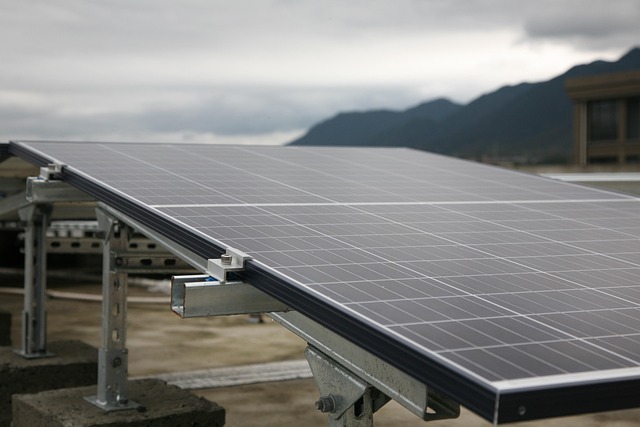

Holy Family Hospital Expands Clean Energy With Major Solar Installation
Holy Family Hospital’s investment in solar clean technology marks a decisive shift toward resilient, low-carbon healthcare infrastructure. The project integrates photovoltaic systems with advanced energy storage, cutting reliance on grid electricity while improving operational continuity. By aligning renewable adoption with institutional sustainability goals, the hospital sets a benchmark for environmentally responsible medical facilities. This initiative not only reduces long-term energy costs but also enhances reliability for critical care units that cannot afford downtime.
Advancing Sustainable Healthcare Infrastructure Through Solar Clean Technology
Transitioning healthcare operations to renewable energy is no longer a symbolic gesture—it’s a strategic necessity. Hospitals operate 24/7, consuming vast amounts of power to sustain life-support systems, diagnostic equipment, and climate control. Integrating solar clean solutions directly supports institutional mandates for carbon neutrality and operational resilience.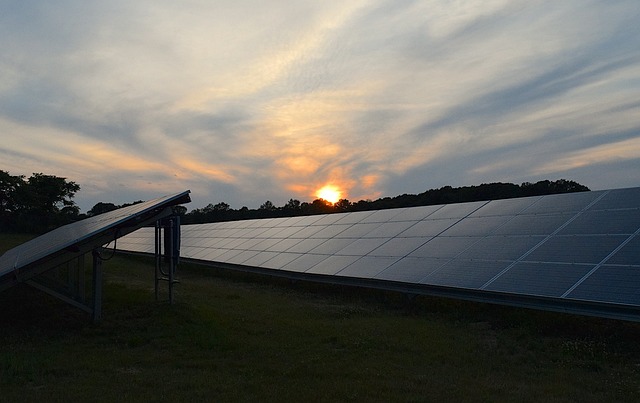
Integrating Renewable Energy Into Hospital Operations
The strategic rationale behind adopting solar clean technology lies in balancing environmental responsibility with cost control. Hospitals face rising electricity tariffs and unpredictable supply interruptions. A solar-powered system stabilizes expenditure while securing uninterrupted energy for mission-critical services such as operating theaters and intensive care units.
Alignment with sustainability goals extends beyond compliance reporting. Many healthcare institutions now embed renewable targets within their ESG frameworks to track measurable environmental impact. For Holy Family Hospital, the solar expansion demonstrates leadership in community health by reducing local air pollution and greenhouse gas emissions.
Solar systems also enhance operational resilience by diversifying power sources. When grid failures occur—whether due to storms or regional shortages—onsite generation maintains essential services without relying solely on diesel backup generators.
Evaluating the Energy Demands of Holy Family Hospital
Before installation, engineers conducted a detailed audit of baseline electricity consumption across departments. Hospitals typically exhibit peak loads during daytime due to HVAC systems, imaging equipment, and sterilization units running simultaneously. Mapping this load distribution helped determine optimal photovoltaic capacity.
Critical systems such as emergency lighting, surgical suites, and laboratory refrigeration benefit most from stable renewable power supply. These areas require zero tolerance for voltage fluctuations or outages. Integrating battery storage allows continuous operation even during low irradiance periods or grid disruptions.
Balancing patient care reliability with energy efficiency requires precise coordination between facility management and clinical operations teams. Automated controls now adjust non-essential loads during peak demand hours without affecting patient comfort or safety.
Technical Framework of the Solar Installation at Holy Family Hospital
Designing a solar infrastructure for a medical environment involves more than mounting panels on rooftops—it demands engineering precision and strict adherence to international electrical standards like IEC 61730 and IEEE 1547.
System Design and Engineering Considerations
Selection of photovoltaic modules prioritized high-efficiency monocrystalline panels due to their superior performance under partial shading common in urban hospital settings. Inverter technologies were chosen based on their ability to handle variable loads while maintaining harmonic distortion below IEEE limits.
Battery storage integration provides an uninterrupted power supply through lithium-ion banks configured for redundancy. The system design ensures seamless transition between solar generation, battery discharge, and grid input without flicker or frequency instability.
Grid interconnection protocols follow national utility regulations emphasizing anti-islanding protection and fault ride-through capabilities. Safety compliance measures include arc-fault detection, grounding integrity checks, and isolation monitoring suitable for sensitive hospital environments.
Implementation Process and Infrastructure Upgrades
Retrofitting existing electrical infrastructure required phased execution to avoid service disruption. Engineers rerouted feeder lines and upgraded switchgear panels compatible with bidirectional power flow from both the grid and solar arrays.
Project management emphasized minimal interference with daily hospital routines. Work was scheduled during off-peak hours or weekends when patient traffic was lower. Coordination among facility engineers, external consultants, and certified solar providers ensured timely completion within regulatory timelines.
Collaboration extended beyond technical teams; administrative staff facilitated procurement approvals while clinical departments provided feedback on operational scheduling to maintain uninterrupted care delivery.
Operational Efficiency and Performance Optimization
Once commissioned, system performance depends on continuous monitoring and adaptive maintenance practices that align with hospital-grade reliability standards.
Monitoring and Data Analytics in Solar Operations
Real-time monitoring tools track parameters such as irradiance levels, module temperature, inverter output, and battery state-of-charge through an integrated dashboard accessible via secure network interfaces. Predictive analytics models forecast potential efficiency drops caused by panel soiling or component aging.
These analytics enable proactive maintenance scheduling rather than reactive troubleshooting. Integration with the hospital’s building management system allows unified control over HVAC loads, lighting circuits, and renewable input—maximizing overall energy balance without manual intervention.
Data-driven insights also support transparent reporting under sustainability frameworks like GRI or CDP by quantifying actual renewable contribution versus total consumption metrics.
Maintenance Strategies for Long-Term Reliability
Preventive maintenance protocols are tailored for medical environments where dust control is critical. Regular cleaning cycles use deionized water to prevent residue buildup that can reduce panel output by up to 10%. Technicians inspect inverter performance logs weekly to detect early signs of thermal stress or capacitor wear.
Panel degradation over time is mitigated through periodic IV curve testing that benchmarks current-voltage characteristics against original factory specifications. Remote diagnostics platforms minimize downtime by allowing offsite engineers to analyze alerts before dispatching field crews—a key advantage when maintaining continuous hospital operations.
Financial and Environmental Impact Assessment
Evaluating the success of any large-scale renewable project requires both economic justification and quantifiable environmental outcomes aligned with institutional reporting standards.
Cost-Benefit Analysis of Solar Clean Technology Adoption
Capital investment in photovoltaic systems may appear substantial initially; however, lifecycle financial modeling reveals significant savings through reduced grid dependency and lower fuel consumption from standby generators. Typical payback periods range between five to eight years depending on tariff structures and system size.
Healthcare facilities often qualify for government incentives such as feed-in tariffs or accelerated depreciation schemes that improve return on investment metrics. Tax credits further offset upfront expenses while reinforcing policy alignment toward national decarbonization targets.
Lifecycle cost optimization models incorporate maintenance projections, equipment warranties exceeding 20 years, and inflation-adjusted utility rates—providing a realistic forecast of total ownership value across decades of operation.
Measuring Carbon Reduction and Sustainability Outcomes
Quantifying emissions reduction involves calculating avoided CO₂ equivalents based on regional grid emission factors published by IEA datasets. Each megawatt-hour generated from solar displaces fossil-based generation proportionally lowering Scope 2 emissions reported under ESG disclosures.
This measurable improvement contributes directly to institutional sustainability reports audited under ISO 14064 frameworks. Beyond internal metrics, reduced particulate emissions translate into tangible community health benefits—fewer respiratory ailments linked to fossil combustion near dense urban centers surrounding hospitals.
Strategic Implications for Healthcare Energy Management
The Holy Family Hospital initiative establishes a replicable framework demonstrating how clean energy integration can strengthen healthcare resilience while advancing climate objectives simultaneously.
Building a Scalable Model for Future Expansion
Scalability considerations include modular inverter architecture allowing incremental capacity addition without major redesigns. Future expansion could integrate microgrids linking nearby clinics into a shared renewable network enhancing collective reliability during regional outages.
Replication across other healthcare facilities follows standardized design templates adaptable to varying roof geometries or land availability constraints while maintaining compliance with IEC safety codes applicable globally within medical infrastructures.
Emerging hybrid technologies combining solar with small wind turbines or fuel cells may further diversify generation portfolios extending autonomy beyond daylight hours—a practical evolution path already under feasibility review in several regional hospitals.
Strengthening Institutional Resilience Through Clean Energy Strategy
Decentralized generation enhances disaster preparedness by maintaining essential services when centralized grids fail due to natural disasters or cyber incidents—a growing concern cited in recent IRENA resilience studies. Onsite renewables paired with storage create micro-resilience zones capable of sustaining emergency wards independently for extended durations.
Reducing dependency on volatile fossil fuel markets stabilizes long-term budgeting freeing capital resources toward patient care improvements rather than fluctuating energy bills. Strategically positioning Holy Family Hospital as an early adopter reinforces its reputation not only as a healthcare provider but also as an innovator driving sustainable transformation within public infrastructure planning circles worldwide.
FAQ
Q1: How much power does the new solar installation generate?
A: The system generates enough electricity to cover a significant portion of daytime demand while storing surplus energy in batteries for evening use.
Q2: What standards guide the safety design of hospital solar systems?
A: International standards such as IEC 61730 for module safety and IEEE 1547 for grid interconnection define compliance requirements used throughout engineering design phases.
Q3: How does battery storage improve reliability?
A: Battery banks provide immediate backup during cloud cover or grid failure ensuring continuous operation of critical medical equipment without delay transitions.
Q4: Are there measurable environmental benefits from this project?
A: Yes, annual carbon emission reductions are estimated using IEA regional factors translating into measurable decreases in greenhouse gases reported under ESG frameworks.
Q5: Can other hospitals replicate this model easily?
A: Yes, modular design principles allow replication across different facility sizes using standardized components adaptable to local regulatory conditions without major redesigns.