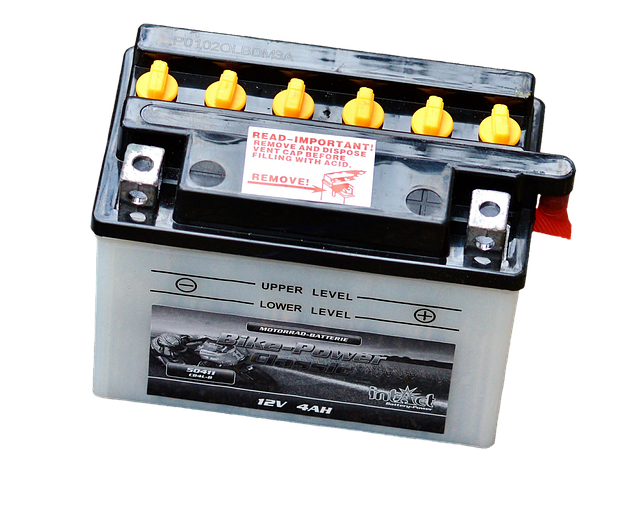

Scientists Engineer ’High-Entropy’ Material for Cheaper and Efficient Sodium Batteries
Sodium-ion battery technology is moving closer to commercial readiness thanks to breakthroughs in high-entropy materials. These complex compounds, containing multiple principal elements, offer a new route to stable, low-cost energy storage. Compared with lithium-ion systems, sodium-ion batteries promise affordability and sustainability, though they have long faced challenges in energy density and cycling life. Recent research shows that high-entropy structures can mitigate these weaknesses by enhancing ion transport and structural integrity. The combination of sodium’s abundance and entropy-driven stability could redefine large-scale energy storage economics.
Advancements in Sodium-Ion Battery Technology
The evolution of the na ion battery field reflects a growing demand for alternatives to lithium-based systems as resource constraints tighten. Researchers are now focusing on sodium’s potential to deliver scalable solutions for grid-level storage.
The Growing Importance of Sodium-Ion Systems
Sodium-ion batteries are emerging as attractive substitutes for lithium-ion systems because sodium is abundant and inexpensive. However, their lower energy density and limited cycle life remain obstacles. Material innovation—particularly in electrode design—plays a decisive role in narrowing this performance gap. Current studies emphasize layered oxides, Prussian blue analogs, and carbon-based anodes as key candidates for achieving stable electrochemical behavior.
Comparative Analysis: Sodium-Ion vs. Lithium-Ion Batteries
The fundamental difference between sodium-ion and lithium-ion batteries lies in ionic radius and redox potential. Sodium’s larger ionic size slows diffusion kinetics and can cause lattice strain during repeated charge–discharge cycles. Despite this, sodium’s low cost and wide availability make it ideal for stationary energy applications such as renewable integration or backup storage. Environmental benefits also favor sodium chemistry since extraction has a smaller ecological footprint compared with lithium mining.
High-Entropy Materials as a New Frontier in Energy Storage
High-entropy materials (HEMs) are gaining attention for their unique ability to stabilize complex atomic configurations. Their introduction into na ion battery electrodes marks a significant shift from traditional single-metal designs toward multi-element synergy.
Concept and Characteristics of High-Entropy Materials
HEMs consist of five or more principal elements forming a single-phase solid solution stabilized by configurational entropy. This entropy promotes uniform atomic distribution, improving mechanical strength and thermal stability. In electrochemical systems, such uniformity reduces phase segregation under cycling stress. By adjusting the elemental ratios, scientists can tailor redox activity or electronic conductivity for specific performance goals.
Integration of High-Entropy Materials into Na-Ion Battery Systems
Incorporating HEMs into sodium-ion electrodes allows simultaneous optimization of multiple properties—ionic mobility, electronic transport, and structural resilience. Transition metal oxides like (FeCoNiMnCu)O or sulfide-based frameworks have shown enhanced conductivity due to multi-element interactions. Moreover, the inherent structural disorder helps accommodate volume changes during sodiation/desodiation processes, extending cycle life without compromising capacity.
Mechanistic Insights into High-Entropy Electrode Behavior
Understanding how entropy stabilizes electrode reactions is central to advancing this technology. The interplay between atomic disorder and electrochemical kinetics defines both short-term efficiency and long-term reliability.
Entropic Stabilization and Its Role in Electrochemical Reactions
Configurational entropy suppresses phase separation during cycling by distributing strain across mixed cation sites. This mechanism supports reversible sodium intercalation while minimizing lattice distortion—a key factor behind improved cycling stability. The balance between entropy-driven uniformity and defect formation determines the electrode’s voltage retention over extended use.
Charge Transport Dynamics in High-Entropy Frameworks
Charge transport within HEM electrodes benefits from mixed-valence states that enable multi-electron transfer reactions. Local lattice distortions act as dynamic channels facilitating Na⁺ diffusion even at high rates. Advanced spectroscopic studies reveal that atomic-scale disorder redistributes charge density uniformly across the structure, reducing polarization losses during operation.
Engineering Strategies for Optimizing High-Entropy Na-Ion Electrodes
Designing effective high-entropy electrodes requires precise control over composition and synthesis conditions to maintain homogeneity at both atomic and microstructural levels.
Elemental Selection and Composition Design Principles
Criteria for Element Inclusion
Elements are chosen based on similar ionic sizes to minimize strain, flexible oxidation states to support redox reactions, and intrinsic electronic conductivity contributions. For instance, combining Fe²⁺/Fe³⁺ with Ni²⁺/Ni³⁺ provides multiple redox couples enhancing charge capacity while maintaining structural coherence.
Computational Screening Approaches
Density functional theory (DFT) simulations help predict stable element combinations by evaluating binding energies for Na⁺ insertion sites. Computational modeling accelerates material discovery by filtering thousands of possible compositions before experimental synthesis.
Synthesis Techniques Enhancing Structural Homogeneity
Solid-State Reaction Methods
Conventional solid-state synthesis remains common due to its scalability. Controlled heating ensures complete diffusion among metal precursors, resulting in uniform elemental distribution within the crystal matrix—a prerequisite for consistent electrochemical response.
Sol-Gel and Co-Precipitation Routes
Wet chemistry methods like sol-gel processing allow nanoscale control over particle composition and morphology. These routes often produce smaller grains with higher surface areas that improve reaction kinetics during sodiation cycles.
Evaluating Electrochemical Performance Metrics
Assessing the practical viability of high-entropy electrodes involves analyzing capacity retention, rate capability, thermal stability, and safety under demanding conditions.
Capacity Retention and Rate Capability Improvements
High configurational entropy stabilizes electrode structures against phase transitions even under fast charging regimes. Reduced internal resistance leads to smoother voltage profiles across extended cycles—a critical metric for grid-storage reliability where long service life is essential.
Thermal Stability and Safety Considerations
Entropy stabilization also enhances thermal tolerance by minimizing exothermic reactions during overcharge events or elevated temperatures. This feature reduces dendrite formation risk often associated with metallic anodes in conventional cells, improving operational safety standards comparable to IEC 62660 testing protocols.
Future Directions in High-Entropy Na-Ion Battery Research
The next stage involves integrating these advanced materials with compatible electrolytes while addressing manufacturing scalability challenges that influence cost competitiveness.
Integration with Advanced Electrolyte Systems
Pairing HEM electrodes with solid-state electrolytes could further boost safety by eliminating flammable solvents while improving interface stability. Interface engineering remains critical since mismatched chemistries can cause resistance buildup or interphase degradation over time.
Scaling Challenges and Industrial Viability Assessment
To achieve industrial adoption, synthesis must transition from lab-scale precision processes to cost-effective bulk production methods such as spray pyrolysis or mechanochemical milling. Lifecycle assessments will help quantify sustainability advantages compared with lithium-based technologies across production-to-recycling stages.
Potential Cross-Domain Applications of High Entropy Concepts
Beyond batteries, high-entropy design strategies show promise in catalysts for fuel cells or supercapacitor electrodes where durability under fluctuating conditions is vital. Collaboration between computational chemists, materials engineers, and electrochemists will likely accelerate innovation cycles across these sectors.
FAQ
Q1: Why are high-entropy materials important for sodium-ion batteries?
A: They enhance structural stability through configurational entropy, preventing phase separation during cycling while supporting faster ion transport.
Q2: How do sodium-ion batteries differ from lithium-ion ones?
A: Sodium ions are larger than lithium ions, leading to slower diffusion but lower material costs due to sodium’s abundance on Earth.
Q3: What limits current commercial use of sodium-ion batteries?
A: Lower energy density compared with lithium systems remains a barrier though ongoing research aims to close this gap through new electrode chemistries.
Q4: Are high-entropy electrodes safe under extreme conditions?
A: Yes, their entropy-stabilized structures reduce heat generation during overcharge events improving overall cell safety performance metrics defined by international standards like IEC 62133.
Q5: Can high-entropy principles apply beyond battery design?
A: Absolutely; similar concepts are being explored in electrocatalysis and hybrid energy devices where multicomponent stability offers clear performance benefits.