

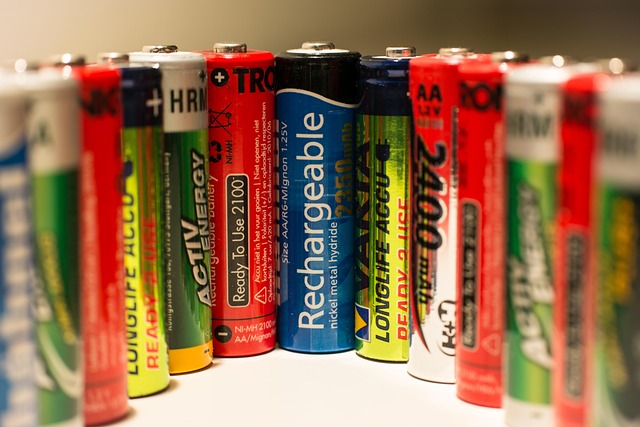

On The Wisdom Of Replacing A NiMH Module In A Prius Battery Pack
Replacing a single nickel–metal hydride (NiMH) module in a Prius battery pack can seem like a cost-effective fix, but the decision is rarely straightforward. For experts maintaining aging hybrid fleets, the real question is whether the chemistry’s reliability still justifies selective repairs. The short answer: yes, NiMH remains viable for targeted maintenance, provided that replacement modules are properly matched and balanced. However, with lithium-ion (Li-ion) technology advancing rapidly, the long-term practicality of NiMH replacements depends on supply chain stability and compatibility with legacy systems.
Evaluating the Continued Relevance of NiMH Batteries in Prius Applications
While newer hybrids rely on Li-ion packs, NiMH batteries still serve as the backbone of millions of Toyota Prius vehicles worldwide. Their electrochemical simplicity and proven resilience make them a benchmark for hybrid durability.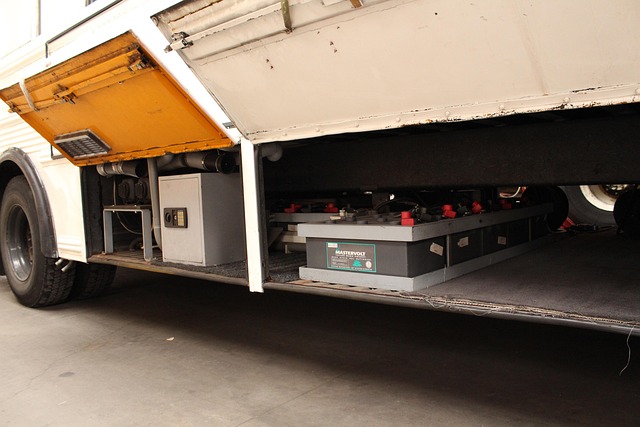
Historical Context of NiMH Technology in Hybrid Vehicles
The first-generation Prius launched in 1997 used NiMH cells because they offered a stable balance between energy density and safety. At that time, Li-ion chemistry was not mature enough to meet automotive-grade reliability standards. Toyota’s engineers favored NiMH for its tolerance to deep cycling and high regenerative charge rates—traits critical to hybrid operation where frequent charge-discharge cycles occur. This choice also aligned with industry priorities defined by early IEC standards for traction batteries emphasizing robustness over energy density.
Technical Characteristics That Define NiMH Performance
NiMH modules typically deliver energy densities between 60–120 Wh/kg, sufficient for hybrid assist rather than full-electric propulsion. Their power output allows rapid current flow during acceleration and braking recovery. Charge efficiency remains moderate—usually around 70–80%—but their thermal stability under repeated cycling compensates for this limitation. Unlike early lithium chemistries, NiMH can endure thousands of shallow cycles without catastrophic failure. However, self-discharge rates remain relatively high at about 1% per day at room temperature, and although memory effect is minimal compared to nickel-cadmium cells, it can appear under partial cycling conditions if pack balancing is neglected.
Comparative Analysis: NiMH vs. Modern Alternatives
Transitioning from NiMH to Li-ion involves trade-offs that go beyond raw performance metrics; system integration and lifecycle economics must also be considered.
Lithium-Ion as a Successor Technology
Li-ion cells offer roughly twice the energy density of NiMH at lower weight, enabling more compact battery designs and improved vehicle efficiency. However, they require sophisticated thermal management systems due to narrower safe operating temperature ranges. Their degradation pattern—dominated by capacity fade from solid electrolyte interface growth—differs from the gradual resistance increase seen in aging NiMH modules. Cost-wise, Li-ion prices have dropped below $120/kWh according to IEA data, while high-quality automotive-grade NiMH remains around $200/kWh due to limited production scale.
Evaluating Compatibility with Existing Prius Battery Management Systems
Prius battery management systems (BMS) were calibrated specifically for the voltage profile of 6-cell NiMH modules operating around 7.2 V nominal per unit. Replacing these with Li-ion packs introduces mismatched charge thresholds and communication protocol conflicts within the ECU logic designed for nickel-based chemistries. Safety cutoffs related to overvoltage detection may trigger prematurely or fail entirely if voltage curves differ significantly. Therefore, retrofitting lithium replacements into legacy Prius platforms often demands custom BMS firmware—a nontrivial engineering challenge that compromises OEM warranty compliance.
Assessing the Practicality of NiMH Module Replacement in Aging Prius Packs
As Prius fleets age past their design life, technicians face recurring decisions on whether to replace individual modules or entire packs.
Identifying Failure Modes in Original Battery Assemblies
Typical failure mechanisms include electrolyte dry-out leading to reduced capacity, corrosion at terminal connections increasing resistance, and imbalance among series-connected cells causing uneven voltage distribution under load. OBD diagnostic codes such as P0A80 (“Replace Hybrid Battery Pack”) often surface when module voltage deviations exceed 0.3 V during operation. Before replacement, technicians should analyze block voltages under both load and rest conditions; persistent imbalance indicates deeper degradation beyond single-module repair feasibility.
Reconditioning Versus Full Pack Replacement Strategies
Reconditioning through controlled charging and discharging can temporarily restore balance but seldom reverses chemical wear inside aged electrodes. Module-level replacement offers short-term savings but risks introducing mismatched capacities unless donor modules are carefully capacity-tested within ±5% variance. Full pack replacement using OEM assemblies ensures uniform performance yet costs substantially more—often exceeding $2,000 for parts alone—making reconditioning appealing for interim fleet maintenance strategies.
Performance Implications After Module Replacement
Even minor inconsistencies between old and new modules can ripple across system behavior once installed back into service.
Impact on Vehicle Efficiency and Power Delivery
Mixed-age modules alter current distribution during acceleration or regenerative braking events. The weaker cells reach voltage limits earlier, prompting premature cutoff by the BMS and reducing usable energy window. Drivers may notice slight drops in fuel economy or hesitation during electric assist transitions as control algorithms compensate for imbalance through conservative power limits.
Thermal Management Considerations After Refurbishment
Reconditioned packs tend to generate uneven heat profiles due to internal resistance variations among modules. Hotter cells accelerate degradation exponentially above 40°C if airflow paths are obstructed by dust or degraded fan assemblies—a common issue in older vehicles used in urban stop-and-go traffic. Effective refurbishment should include cleaning ducts and verifying temperature sensor calibration since uneven thermal gradients can shorten pack life even after successful electrical rebalancing.
Long-Term Viability of NiMH Chemistry for Hybrid Maintenance Programs
Despite its age, NiMH chemistry continues to hold relevance within hybrid maintenance ecosystems where cost control outweighs absolute performance gains.
Supply Chain Stability and Environmental Considerations
Global production of automotive-grade NiMH cells has declined but remains stable due to sustained demand from industrial applications like forklifts and mild hybrids. Recycling infrastructure is mature; hydrometallurgical processes recover nickel efficiently while minimizing environmental impact compared with lithium recycling streams still under development according to IEA reports on circular battery economies. From an environmental compliance standpoint, continued use of recyclable materials strengthens sustainability credentials for fleet operators maintaining older hybrids rather than scrapping them prematurely.
Future Outlook for Hybrid Battery Maintenance Practices
Regulatory frameworks increasingly emphasize extended product lifecycles through modular repairability mandates under emerging EU ecodesign directives. This trend favors technologies like NiMH that allow cell-level servicing without complex software dependencies typical of Li-ion systems. Looking ahead, aftermarket suppliers are developing standardized module kits compatible with existing BMS architectures—bridging old platforms into modern service models without requiring full redesigns.
FAQ
Q1: Why did Toyota initially choose NiMH over Li-ion for the Prius?
A: Because at launch time Li-ion lacked proven safety margins under high-cycle automotive use while NiMH provided robust performance with simpler control requirements.
Q2: Can individual NiMH modules be replaced safely?
A: Yes, if voltage matching and capacity balancing are verified before installation; otherwise imbalance may cause premature failure across the pack.
Q3: Does replacing one module affect fuel economy?
A: Slightly—it can reduce electric assist efficiency if new and old modules differ significantly in internal resistance or capacity retention.
Q4: Are refurbished packs reliable long term?
A: They can operate reliably when properly balanced but generally exhibit shorter lifespans than factory-new assemblies due to cumulative aging effects.
Q5: Will future hybrids still use NiMH batteries?
A: Some entry-level hybrids may continue using them where cost stability outweighs range benefits offered by newer chemistries like solid-state or advanced Li-ion systems.



