
Lexington County Woman Warns of Fire Dangers From Lithium-Ion Batteries
Lithium-ion batteries have become an invisible part of daily life in Lexington County, powering phones, e-bikes, and even home energy systems. Yet their convenience hides a growing risk: fires caused by overheating or improper handling. Local authorities have seen more incidents linked to these batteries, prompting safety warnings from residents and fire departments alike. The root cause lies not in a single factor but a mix of design flaws, misuse, and environmental stress. Experts now emphasize that better engineering, safer disposal, and stronger regulations are essential to prevent future tragedies.
Overview of Lithium-Ion Battery Usage and Growth
The widespread use of lithium-ion batteries has reshaped how Lexington County consumes energy. Their high energy density and rechargeability make them ideal for both personal electronics and large-scale systems.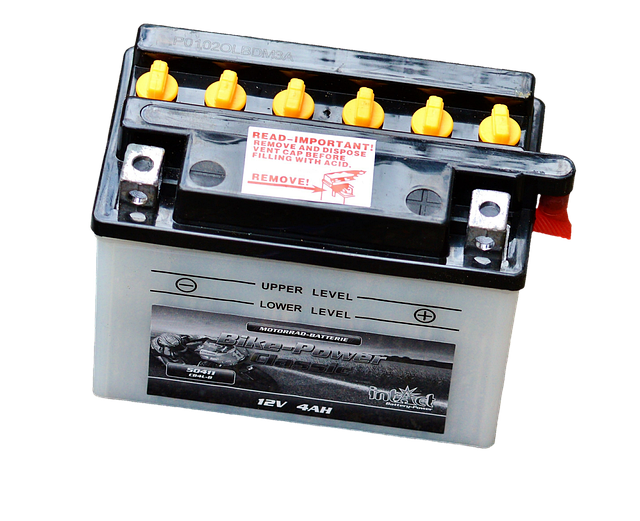
Increased Adoption Across Consumer Electronics, Electric Vehicles, and Energy Storage Systems
Demand for portable power has surged as electric vehicles (EVs), smartphones, and solar storage units dominate the market. In Lexington County, the number of homes using battery backup systems has grown steadily with the expansion of renewable energy installations. This adoption mirrors global trends where EV registrations rose sharply over the past five years.
Expansion of Residential and Commercial Applications Within Lexington County
Beyond personal devices, local businesses are integrating lithium-ion systems into operations—ranging from backup power for healthcare facilities to warehouse robotics. Residential neighborhoods increasingly feature home battery packs paired with rooftop solar arrays. These applications reflect a shift toward decentralized energy use but also introduce new fire management challenges.
Correlation Between Higher Usage Rates and Reported Battery Incidents
As usage rises, so do incident reports. Fire departments across Lexington County have documented multiple calls involving overheated devices or e-bike chargers left unattended overnight. The correlation between density of battery-powered devices and emergency responses underscores the importance of user education and safe infrastructure planning.
Common Causes of Lithium-Ion Battery Failures
Failures often stem from internal weaknesses or external stressors that compromise cell integrity. Understanding these triggers helps identify preventive measures before catastrophic events occur.
Manufacturing Defects Such as Internal Short Circuits or Separator Flaws
Even minor manufacturing defects can lead to internal short circuits. Imperfections in separators—the thin membranes keeping positive and negative electrodes apart—can cause direct contact between them, generating excessive heat. Once initiated, such defects are difficult to detect until failure occurs.
Improper Charging Practices Leading to Overcharging or Thermal Stress
Improper charging remains one of the most common causes of battery degradation. Using unapproved chargers or leaving devices plugged in for extended periods can push voltage beyond safe limits. Overcharging accelerates electrolyte breakdown and increases internal pressure within cells.
Environmental Factors Including High Ambient Temperatures and Mechanical Damage
Environmental stress plays a crucial role in battery reliability. Exposure to high temperatures or physical impact can deform casings or puncture cells. In Lexington’s humid summers, batteries stored in vehicles or garages face additional thermal strain that may trigger swelling or leakage.
The Science Behind Lithium-Ion Battery Fire Risks
Fire risks arise from complex electrochemical reactions within confined spaces. Once initiated, these reactions progress rapidly due to the flammable nature of materials used inside each cell.
Mechanisms Leading to Thermal Runaway
Thermal runaway begins when an internal short circuit or overcharge event generates heat faster than it can dissipate. This heat decomposes electrolytes into gases that further raise pressure inside the cell. If not contained, adjacent cells ignite sequentially—a chain reaction capable of engulfing entire battery packs within seconds.
Chemical and Physical Factors Contributing to Combustion
Most lithium-ion designs rely on organic electrolytes that are inherently flammable. Cathode materials such as lithium cobalt oxide release oxygen when overheated, intensifying combustion once ignition starts. Sealed enclosures trap expanding gases until structural rupture occurs, often producing explosive bursts accompanied by toxic fumes.
Localized Fire Incidents and Safety Concerns in Lexington County
Recent incidents have highlighted how quickly small malfunctions can escalate into community hazards. Rising awareness has prompted coordinated responses among residents and public agencies.
Reported Trends and Patterns in Fire Department Data
Local fire departments report a steady increase in calls related to electronic devices and micro-mobility equipment like scooters or e-bikes. Many cases involve charging inside residential spaces without proper ventilation. Waste management sites have also faced fires traced back to discarded lithium-ion cells improperly mixed with general trash streams.
Community Awareness and Response Efforts
Public campaigns now emphasize safe charging habits—such as unplugging devices once fully charged—and encourage reporting damaged batteries for recycling instead of disposal in household bins. Collaboration among county officials, recycling centers, and utility providers has improved collection logistics for hazardous materials.
Educational Outreach Led by Residents Warning Others About Emerging Risks
Community members play an active role by sharing firsthand experiences through neighborhood associations or local media segments. One Lexington County woman’s warning after her e-bike battery ignited indoors sparked renewed attention toward everyday safety practices across the region.
Mitigation Strategies for Reducing Battery Fire Hazards
Reducing fire hazards requires both technological innovation and disciplined user behavior throughout a battery’s lifecycle—from design to disposal.
Engineering Solutions for Safer Battery Design
Manufacturers are developing solid-state batteries that replace liquid electrolytes with ceramic alternatives less prone to ignition. Advanced battery management systems monitor temperature and charge levels in real time, automatically shutting down circuits under abnormal conditions. Some designs incorporate thermal barriers between cells to isolate failures before they spread through entire modules.
Safe Handling, Storage, and Disposal Practices
Proper handling minimizes risks long after purchase by maintaining stable conditions during use or storage.
Charging Protocols for Consumer Devices
Users should rely only on manufacturer-approved chargers featuring built-in protection circuits against overvoltage or current surges. Avoiding overnight charging reduces prolonged heat exposure that accelerates wear on internal components.
Storage Guidelines for Residential Users
Batteries should be kept at moderate room temperatures away from combustible materials like fabrics or paper goods. Damaged or swollen units must be isolated immediately inside nonflammable containers until professional evaluation is possible.
Proper Disposal Methods for End-of-Life Batteries
End-of-life batteries require specialized recycling processes due to residual charge retention even after disuse. Certified facilities follow strict hazardous material protocols ensuring mechanical shredding under controlled atmospheres rather than open-air compaction typical at municipal dumpsites.
Regulatory Frameworks and Industry Standards Addressing Fire Risks
Regulations form the backbone of safety compliance by setting measurable performance thresholds manufacturers must meet before distribution.
National Safety Standards Governing Lithium-Ion Batteries
Standards such as UL 1642, IEC 62133, and UN38.3 outline rigorous testing requirements covering overcharge tolerance, vibration endurance, short-circuit resistance, impact strength, altitude simulation, thermal cycling tests among others—all designed to validate durability under realistic conditions encountered during transport or operation.
State-Level Regulations Relevant to Lexington County Operations
At state level, South Carolina’s Department of Health oversees hazardous waste management programs mandating safe collection points for used batteries across counties including Lexington. Local ordinances further restrict landfill disposal while promoting partnerships with certified recyclers handling electronic waste streams responsibly.
Future Outlook: Enhancing Safety Through Innovation and Policy Integration
The next decade will likely redefine how communities interact with energy storage technologies as innovations merge with regulatory foresight aimed at balancing convenience against safety imperatives.
Emerging Technologies Improving Battery Reliability
Research institutions are experimenting with non-flammable electrolytes based on polymer matrices capable of maintaining conductivity without volatile solvents common today. Integration of artificial intelligence into monitoring networks enables predictive maintenance—detecting irregular charge patterns before visible degradation occurs—thus preventing failures early in product life cycles.
Policy Recommendations for Local Authorities and Industry Stakeholders
Authorities could strengthen collaboration between public agencies and private developers through shared risk assessment frameworks evaluating emerging technologies prior to mass deployment. Incentives like tax credits may encourage adoption of certified safety enhancements among smaller manufacturers lacking capital resources for redesign initiatives. Establishing centralized reporting databases would allow consistent tracking of lithium-ion-related incidents countywide improving transparency across jurisdictions.
FAQ
Q1: Why are lithium-ion batteries prone to catching fire?
A: They contain flammable electrolytes that can ignite when overheated due to short circuits or overcharging events leading to thermal runaway reactions within confined cells.
Q2: How common are battery fires in Lexington County?
A: Reports indicate a noticeable rise particularly involving personal mobility devices such as e-bikes though exact numbers vary annually depending on reporting consistency among departments.
Q3: What should residents do if a battery starts smoking?
A: Immediately disconnect power sources if safe then move the device outdoors away from combustible objects while contacting emergency services; never attempt water-based extinguishing methods on active cells.
Q4: Are solid-state batteries completely safe?
A: They significantly reduce flammability risks but remain susceptible to mechanical damage; ongoing research aims at balancing performance against cost scalability before mainstream adoption occurs.
Q5: Where can used lithium-ion batteries be safely recycled in Lexington County?
A: Certified drop-off centers managed under county waste programs accept them year-round ensuring compliance with hazardous material regulations governing transportation storage and processing procedures.