
Statkraft Explains Why It Will Not Invest in Solar Power in Norway
Norway’s energy sector is globally recognized for its renewable dominance, yet solar power remains a marginal player. Statkraft, the country’s largest utility and Europe’s leading renewable energy producer, has made clear it will not invest in domestic solar projects. The company argues that Norway’s hydropower abundance, low electricity prices, and limited solar irradiance make local investments economically unattractive. Instead, Statkraft focuses on international solar markets where stronger sunlight and supportive policies yield better returns for solar power companies.
Overview of Norway’s Energy Landscape
Norway’s energy system is shaped by natural resources and state-driven regulation. While hydropower provides nearly all domestic electricity, policy ambitions now emphasize diversification through wind and emerging technologies like solar.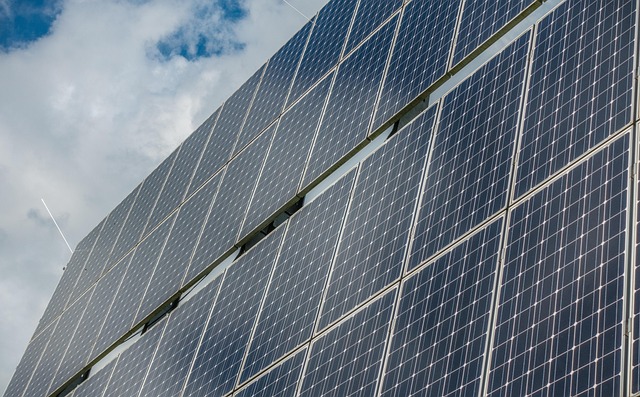
The Structure of Norway’s Energy Market
Norway’s electricity generation is overwhelmingly hydropower-based, accounting for over 90% of total output. This dominance creates a stable supply and some of the lowest wholesale electricity prices in Europe. The market operates within a Nordic power exchange system, linking Norway to neighboring countries through interconnectors that balance supply fluctuations. State-owned utilities such as Statkraft play a central role in this structure, influencing investment priorities and long-term planning.
Renewable Energy Policies and Incentives in Norway
Government policy supports renewables primarily through green certificates and EU-aligned climate goals. However, compared to nations like Germany or Spain, Norway offers limited direct incentives for solar deployment. Feed-in tariffs or tax credits are minimal, which restricts small-scale photovoltaic adoption. The framework favors large hydropower refurbishment rather than distributed solar growth, leaving gaps for investors seeking predictable revenue streams.
Limitations of Current Frameworks for Solar Power Adoption
Solar developers face complex permitting processes and modest financial rewards under current regulations. While rooftop installations receive attention from municipalities, utility-scale projects struggle with land-use approvals and low grid compensation rates. Without stronger fiscal incentives or guaranteed purchase agreements, large-scale solar remains commercially weak within Norway’s energy mix.
Economic Factors Influencing Solar Investment Decisions
Economic signals strongly shape renewable investment flows. In Norway’s case, cheap hydropower undermines the financial logic of new solar capacity despite global cost declines.
Cost Competitiveness of Solar Power in a Hydropower-Dominated Market
Electricity prices in Norway frequently fall below levels that make unsubsidized solar profitable. Hydropower plants already provide flexible generation at minimal marginal cost. Seasonal surpluses further depress market prices during spring snowmelt when sunlight is increasing but demand remains moderate. For investors comparing yields across Europe, Norwegian projects deliver lower internal rates of return than those in Southern Europe or even Sweden.
Seasonal Variations in Demand and Supply Affecting Solar Economics
Winter peaks coincide with low sunlight hours, forcing reliance on stored hydro reserves rather than photovoltaic output. Summer periods bring high irradiance but lower consumption due to mild temperatures. This mismatch between production potential and demand weakens the economic viability of standalone solar assets.
Market Saturation from Low-Cost Hydropower Reducing Investor Interest
The sheer scale of existing hydropower capacity—over 1,600 plants—means the grid already operates with significant renewable penetration. Investors see little room for additional intermittent sources unless storage or hybrid solutions become standard practice.
Grid Access and Infrastructure Considerations
Grid infrastructure determines whether new renewable entrants can connect efficiently. In Norway’s rugged terrain, technical constraints add another layer of complexity to project planning.
Challenges Related to Grid Capacity and Connection Costs for New Entrants
Transmission networks were designed around centralized hydro stations located near mountain reservoirs rather than dispersed solar farms near population centers. Developers must often finance expensive grid extensions or upgrades to secure connection rights, eroding project margins.
Geographic and Technical Constraints Impacting Solar Integration
Topography limits suitable flat land for large photovoltaic arrays. Snow accumulation also affects panel performance during critical winter months when daylight is scarce. These physical realities make installation costs higher compared to continental Europe.
Role of Transmission Operators and Regulatory Approvals in Project Feasibility
Statnett and regional grid operators oversee connection applications under strict technical standards aligned with European Network Codes (ENTSO-E). Approval timelines can stretch over years depending on local capacity assessments, discouraging smaller developers from entering the market.
Climatic and Geographic Constraints on Solar Development
Natural conditions define the upper limit of what technology can achieve economically. In northern latitudes like Norway’s, sunlight availability becomes the decisive factor.
Solar Irradiance Levels Across Norway
Average annual irradiance ranges between 700–1,000 kWh/m²—roughly half that of southern Europe’s prime markets such as Spain or Italy where most utility-scale projects thrive. Northern regions above the Arctic Circle experience polar nights lasting weeks without sunlight, severely limiting annual yields even with advanced panel designs.
Comparison with European Markets Where Solar Thrives
Countries like Portugal benefit from double the insolation levels at similar equipment costs, giving them a structural advantage in levelized cost per megawatt-hour produced. Norwegian developers cannot offset this gap through efficiency gains alone.
Implications for Energy Yield, Efficiency, and Return on Investment
Lower irradiance directly reduces capacity factors to around 10–12%, compared with 18–22% elsewhere in Europe. That translates into longer payback periods exceeding two decades without subsidies—an unattractive horizon for commercial investors or listed utilities.
Seasonal Variability and Its Impact on Production Stability
Production volatility challenges grid planning even more than low yields do.
Effects of Long Winter Periods With Minimal Daylight on Annual Output
From November through January many regions receive less than two hours of daily sun on average. This curtails generation almost entirely during periods when heating demand spikes sharply due to cold weather patterns.
Balancing Production Fluctuations With Storage or Complementary Sources
Battery storage could smooth short-term fluctuations but remains costly at grid scale relative to hydro reservoirs that already serve as natural storage systems through dam management.
Influence on Long-Term Operational Planning for Solar Developers
Developers must plan maintenance schedules around short summers when access roads are snow-free and daylight sufficient for work safety—adding logistical costs rarely seen in southern markets.
Strategic Perspectives From Major Energy Companies
The stance taken by leading utilities shapes investor sentiment across the sector. Statkraft’s strategy illustrates how national context drives corporate decision-making regarding solar expansion.
Statkraft’s Position on Domestic Solar Investments
Statkraft maintains one of Europe’s most diversified renewable portfolios including wind farms across Scandinavia and solar ventures abroad such as India or Spain. The company states that domestic conditions do not justify comparable investment given existing hydro flexibility and low spot prices that undermine project profitability expectations typical among global solar power companies.
Reasons Cited for Prioritizing International Solar Projects Over Domestic Ones
International markets offer stronger sunlight exposure combined with predictable policy frameworks like feed-in tariffs or auctions ensuring stable revenue streams—conditions absent in Norway’s liberalized market environment dominated by hydro exports.
Assessment of Risk-Return Expectations Guiding Investment Decisions
Corporate risk models favor markets where regulatory certainty offsets resource variability; hence Statkraft channels capital toward high-yield geographies while treating Norwegian solar primarily as an R&D observation field rather than a commercial priority.
Broader Industry Sentiment Among Solar Developers
Other firms evaluating entry into Norway share similar reservations about profitability prospects under current conditions.
Perspectives From Other Firms Evaluating the Norwegian Market Potential
International developers often highlight financing difficulties due to uncertain payback scenarios tied to volatile Nord Pool pricing mechanisms heavily influenced by precipitation cycles affecting hydro output levels each year.
Common Challenges Reported by International Investors Considering Entry
Investors cite complex permitting rules under municipal zoning laws plus limited public incentives as primary deterrents compared with streamlined processes available elsewhere in Europe.
Insights Into How Policy or Market Changes Could Shift These Perspectives
Should government introduce structured auctions or capacity payments rewarding diversification benefits beyond hydropower reliability alone, investor attitudes could shift positively toward pilot-scale deployments within industrial clusters or brownfield sites near urban centers.
Potential Pathways to Enhance Solar Investment Appeal in Norway
Despite structural barriers, targeted reforms could gradually improve conditions for future growth if aligned with broader decarbonization goals under EU frameworks.
Policy Adjustments to Encourage Market Participation
Introducing tax deductions for rooftop systems or simplified licensing procedures could attract smaller actors into distributed generation segments while maintaining overall grid stability dominated by hydro reserves.
Mechanisms to Balance Hydropower Dominance With Diversified Renewables
Hybrid projects combining floating photovoltaics atop reservoir surfaces may utilize existing infrastructure efficiently while reducing evaporation losses—a concept gaining traction globally among integrated utilities seeking synergies between water storage and electricity generation assets.
Opportunities for Collaboration Between Government and Private Sector Stakeholders
Public-private partnerships focusing on pilot demonstration zones could validate technical feasibility before scaling nationwide deployment strategies consistent with national climate commitments under European directives (Directive (EU) 2018/2001).
Technological Innovations Supporting Viable Solar Deployment
Technology continues evolving toward better performance under northern conditions though economic thresholds remain tight today.
Emerging Technologies Improving Performance Under Low-Light Conditions
Bifacial modules capturing reflected light from snow surfaces can raise effective yield by up to 15% annually according to IEA Photovoltaic Power Systems data—offering incremental gains though not transformative economics yet within Norwegian latitudes.
Integration With Storage Systems to Stabilize Intermittent Generation
Coupling photovoltaic arrays with lithium-ion batteries may provide localized balancing services particularly valuable for remote communities disconnected from main transmission corridors during winter outages.
Role of Hybrid Renewable Projects Combining Solar With Hydropower Assets
Hydro-solar hybrids allow operators like Statkraft theoretical flexibility: daytime PV generation conserves water storage which can then supply evening peaks—a synergy promising better resource utilization if supported by adaptive market pricing models rewarding temporal balancing services.
FAQ
Q1: Why does Statkraft avoid investing in Norwegian solar projects?
A: Because abundant hydropower keeps electricity prices too low for profitable returns from new photovoltaic installations within current policy frameworks.
Q2: Could technological progress change this outlook?
A: Advances such as bifacial panels or hybrid hydro-solar setups might improve efficiency but would still face climatic constraints limiting large-scale viability soon.
Q3: How do other European countries support their solar industries?
A: Many offer feed-in tariffs or competitive auctions guaranteeing fixed revenues over time—mechanisms largely absent from Norway’s liberalized model today.
Q4: What role might government play in improving investment appeal?
A: Simplifying permits, providing fiscal incentives, and encouraging pilot hybrid projects could attract both domestic utilities and foreign developers gradually into the sector.
Q5: Are there any successful examples of Norwegian solar initiatives?
A: Yes, small community rooftops and research-driven demonstration plants operate successfully though they remain niche compared with vast hydro resources powering most households nationwide.