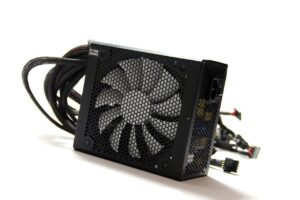

Field Study Evaluates Real-World Performance of Hybrid Solar Inverters
Hybrid solar inverters have evolved from niche energy devices to central components of distributed power systems. Field studies consistently show that real-world efficiency often diverges from laboratory ratings, primarily due to environmental fluctuations, load variability, and installation quality. The most efficient hybrid systems today achieve conversion rates above 96%, yet their lifetime performance depends heavily on firmware control, component design, and adaptive power management.
Hybrid Solar Inverter Efficiency
The efficiency of a hybrid solar inverter is shaped by its ability to manage energy conversion between solar PV modules, battery storage, and the utility grid. This section explores its core principles and the multiple factors influencing its operational performance.
Key Functional Principles of Hybrid Solar Inverters
A hybrid solar inverter integrates three main functions: converting DC power from photovoltaic panels into AC for household or grid use, storing surplus energy in batteries, and managing bidirectional energy flow with the grid. Its architecture combines a DC/DC converter for MPPT tracking and a DC/AC inverter stage for grid synchronization. High-quality designs use multi-MPPT channels to optimize energy harvest under variable irradiance. Firmware plays a critical role in maintaining voltage stability and minimizing harmonic distortion through advanced pulse-width modulation techniques.
Factors Influencing Inverter Efficiency
Inverter efficiency depends on several external variables. Ambient temperature affects semiconductor switching losses; high heat can reduce output by up to 2% per 10°C rise beyond nominal conditions. Irradiance levels also impact MPPT accuracy—rapidly changing sunlight can cause transient mismatches between PV output and inverter input voltage. Topology matters too: transformerless designs typically achieve higher efficiencies than transformer-based ones due to reduced magnetic losses. Partial shading or mismatched modules lead to uneven current distribution, lowering system yield unless bypass diodes or module-level optimizers are used.
Field Evaluation Methodologies for Hybrid Solar Inverters
Evaluating hybrid solar inverter performance in real-world settings requires continuous data collection and statistical interpretation over extended periods. Field tests often reveal discrepancies between theoretical ratings and actual outcomes due to site-specific factors.
Parameters Monitored in Real-World Conditions
Field studies monitor parameters such as daily energy yield, round-trip battery efficiency, and self-consumption ratio. These metrics quantify how effectively solar generation supports on-site loads versus grid export. Grid import/export balance is also tracked to assess net metering performance, while reactive power control ensures compliance with local grid codes like IEEE 1547 or IEC 62116. Long-term monitoring employs high-resolution data loggers that record temperature profiles, voltage fluctuations, and inverter status codes for diagnostic purposes.
Comparative Analysis Between Laboratory and Field Results
Laboratory testing provides standardized efficiency values under idealized conditions—typically at 25°C ambient temperature and fixed irradiance levels around 1000 W/m². However, field results often deviate due to variable weather patterns or imperfect installations. Differences of 1–3% are common between lab-rated and field-measured efficiencies. Installation quality plays a large role; improper cable sizing or poor ventilation can skew results significantly. Aligning laboratory calibration with field data remains challenging since real-world conditions rarely match controlled test environments.
Performance Behavior Under Dynamic Load and Environmental Conditions
Hybrid inverters must adapt continuously to shifting load demands and environmental stresses. Their control logic determines how effectively they balance storage cycles while maintaining stable grid interaction.
Load Variability and Demand Response Integration
Dynamic load profiles—such as air conditioning peaks or EV charging—test an inverter’s ability to respond rapidly without frequency deviation. Advanced models use adaptive algorithms that learn consumption patterns to schedule charge/discharge cycles efficiently. This flexibility allows participation in demand response programs where stored energy supports the grid during peak hours, contributing to frequency regulation within ±0.1 Hz tolerance bands set by regional operators.
Environmental Stress Factors Affecting Efficiency Stability
Environmental exposure is one of the main causes of long-term degradation in hybrid solar inverter systems. Temperature cycling induces mechanical stress on solder joints; humidity accelerates corrosion on circuit boards; dust accumulation blocks airflow through heat sinks. To mitigate these effects, manufacturers employ passive cooling designs with enlarged aluminum fins or active fan-assisted systems triggered by thermal sensors. The choice of enclosure material—often powder-coated aluminum or polycarbonate composites—directly influences heat dissipation efficiency over time.
Data Interpretation from Real-World Field Studies
Processing large datasets from field monitoring requires rigorous statistical tools to extract meaningful insights about inverter reliability and performance consistency across different regions.
Statistical Evaluation Techniques Applied to Field Data
Regression analysis helps correlate environmental parameters like temperature or irradiance with measured efficiency trends over months or years. Outlier detection identifies anomalies caused by equipment faults or extreme weather events such as dust storms or prolonged cloud cover. Uncertainty analysis quantifies measurement accuracy by comparing sensor calibration drift against reference standards defined by IEC 61724 guidelines.
Insights Derived from Multi-Site Comparative Studies
Comparative studies across multiple geographic sites reveal strong regional dependencies: coastal installations often face salt-induced corrosion while desert locations suffer from thermal stress beyond 45°C ambient temperatures. Brand-to-brand comparisons indicate that premium hybrid inverters maintain higher round-trip efficiencies even after five years of operation due to superior component selection. Longitudinal tracking further shows gradual degradation rates averaging 0.5–1% per year depending on climate severity and maintenance frequency.
Technological Advancements Enhancing Field Efficiency Outcomes
Continuous innovation in semiconductor materials, circuit topology, and digital intelligence has pushed hybrid solar inverter technology toward higher reliability and adaptability under real operating conditions.
Innovations in Power Electronics Design
The adoption of wide-bandgap semiconductors such as silicon carbide (SiC) and gallium nitride (GaN) has significantly reduced conduction and switching losses compared with traditional silicon-based MOSFETs. Multi-MPPT architectures now allow independent string optimization under partial shading scenarios common in residential rooftops with complex geometries. Artificial intelligence integration enables predictive maintenance by analyzing vibration signatures or thermal anomalies before faults occur—minimizing downtime through early intervention.
Future Directions in Hybrid Inverter Optimization Research
Research trends point toward hybrid AC/DC coupling architectures suitable for microgrids where both direct current loads (like EV chargers) and alternating current networks coexist efficiently. Digital twin modeling is emerging as a tool for simulating real-world performance using virtual replicas fed with live sensor data, improving design validation before deployment. Global standardization efforts led by IEC Technical Committee 82 aim to harmonize benchmarking protocols so that field performance comparisons become more transparent across markets.
FAQ
Q1: What is the typical lifespan of a hybrid solar inverter?
A: Most high-quality hybrid solar inverters last between 10–15 years depending on usage cycles, temperature exposure, and maintenance quality.
Q2: How does battery type affect overall system efficiency?
A: Lithium-ion batteries generally offer higher round-trip efficiencies (90–95%) compared with lead-acid types due to lower internal resistance.
Q3: Why do field results differ from manufacturer specifications?
A: Real-world variables like shading, temperature swings, and wiring losses cause deviations from standardized lab test conditions.
Q4: Can hybrid solar inverters operate off-grid?
A: Yes, many models include an off-grid mode that allows direct supply from PV panels or batteries when disconnected from the utility network.
Q5: How often should hybrid solar inverters be serviced?
A: Routine inspections every six months are recommended to clean filters, check connections, update firmware, and verify safety compliance under IEC standards.