

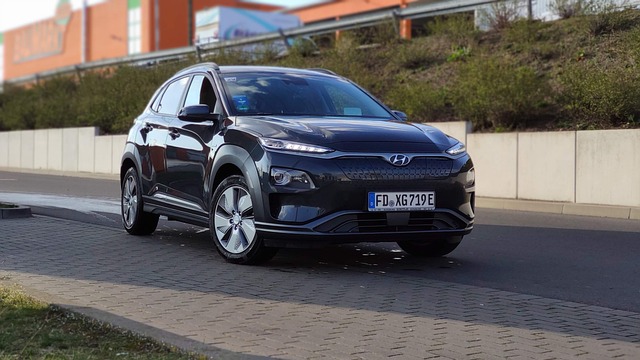

Hyundai Issues Urgent Safety Recall for 2019–2023 Kona Electric
Hyundai has initiated a global recall for the 2019–2023 Hyundai Kona EV due to potential battery safety concerns that could lead to overheating or fire risk. The recall underscores the growing scrutiny over lithium-ion battery reliability in electric vehicles. Experts note that this move not only addresses immediate safety issues but also signals a broader industry shift toward stricter energy storage standards. The company’s response—spanning diagnostic updates, component replacements, and regulatory coordination—illustrates how automakers are refining their engineering and quality control processes to maintain consumer trust in electric mobility.
Overview of the Hyundai Kona EV Recall
The recall announcement marks one of Hyundai’s most comprehensive safety campaigns in recent years, reflecting heightened regulatory oversight in the EV sector.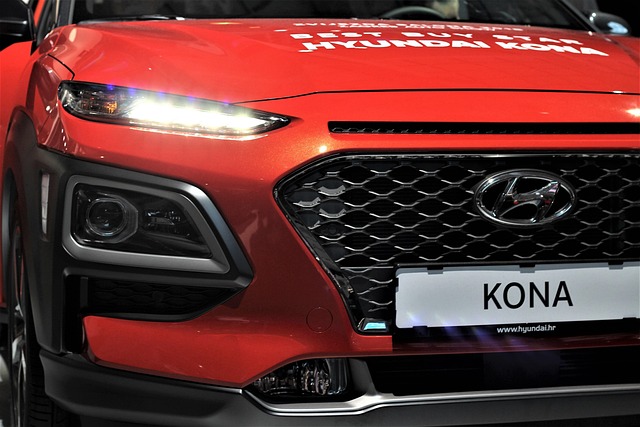
Background of the Recall Announcement
Hyundai issued a safety recall for 2019–2023 Kona Electric models after identifying potential defects within the high-voltage battery system that could cause overheating or fire during charging or operation. The company’s internal investigations, supported by supplier data, revealed that microscopic manufacturing irregularities in certain battery cells might trigger short circuits under specific conditions. Regulatory agencies and consumer protection boards were promptly notified to verify compliance with international safety obligations.
Scope and Affected Models
The recall primarily targets vehicles equipped with particular lithium-ion battery packs supplied by specific manufacturers. Affected units include those produced between late 2018 and early 2023, covering major markets such as North America, Europe, and select Asian regions. Hyundai has released VIN-based lookup tools enabling owners to confirm eligibility for inspection and repair at authorized service centers.
Technical Analysis of Identified Safety Challenges
The technical analysis centers on vulnerabilities within the Kona EV’s battery architecture and associated thermal management systems—areas critical to both performance and safety.
Battery System Vulnerabilities
Investigations point to possible internal short circuits within individual lithium-ion cells as a key failure mode. Such shorts can rapidly escalate into localized thermal events if not mitigated by protective circuitry. Manufacturing inconsistencies—such as uneven electrode coating or contamination during assembly—have been linked to these anomalies. Overcharging scenarios, especially when combined with high ambient temperatures, further amplify the risk potential by stressing cell chemistry beyond safe thresholds.
Thermal Management and Fire Risk Factors
Compact EV designs often struggle with efficient heat dissipation due to limited airflow around densely packed cells. In the case of the Hyundai Kona EV, insufficient calibration of temperature sensors may have delayed detection of early thermal runaway signs. Analysts suggest that firmware algorithms in earlier software versions lacked sufficient granularity to distinguish normal temperature fluctuations from emerging hazards. Consequently, updated BMS firmware is necessary to enhance real-time monitoring precision and improve fail-safe responses.
Engineering Response and Corrective Measures by Hyundai
Hyundai’s engineering teams have adopted a multi-layered corrective approach combining software recalibration with physical component upgrades aimed at long-term reliability improvements.
Diagnostic Procedures and Software Updates
Service centers now utilize upgraded diagnostic tools capable of pinpointing defective modules through enhanced resistance mapping and voltage deviation analysis. Firmware updates adjust charging thresholds while improving temperature regulation logic across multiple operating conditions. Additionally, real-time data logging has been implemented post-repair to validate system stability under diverse driving environments—a step aligning with best practices from IEC 62660 standards on secondary lithium cells.
Component Replacement Strategy
Vehicles identified with high-risk modules receive replacement battery packs built using revised insulation materials designed for better dielectric strength. The new packs also incorporate improved cooling channels that distribute heat more evenly across cells during charging cycles. Hyundai has reinforced supplier oversight protocols requiring traceable production records for every batch delivered—a move consistent with ISO/TS 16949 quality frameworks used in automotive manufacturing.
Regulatory Oversight and Industry Implications
Beyond immediate repairs, this recall has drawn attention from global safety authorities and sparked discussions about future EV certification benchmarks.
Role of Safety Agencies in Recall Management
In the U.S., the National Highway Traffic Safety Administration (NHTSA) supervises recall execution through mandatory reporting schedules and compliance audits. Similar oversight occurs across Europe via local transport ministries coordinating owner notifications and repair verification processes. These agencies ensure that corrective measures align with evolving international guidelines on electric vehicle battery safety such as UNECE Regulation No. 100 concerning electrical powertrain integrity.
Broader Impact on Electric Vehicle Manufacturing Standards
The incident has prompted automakers worldwide to reassess their validation protocols for high-voltage components before mass production. Greater emphasis is now placed on traceability throughout the supply chain—from raw material sourcing to final pack assembly—to minimize defect propagation risks. Future EV platforms are expected to integrate redundant fail-safe mechanisms including advanced pressure relief vents, predictive diagnostics, and adaptive thermal controls that dynamically adjust based on usage patterns.
Market Perception and Long-Term Brand Implications
The recall inevitably affects brand perception but also provides an opportunity for Hyundai to demonstrate engineering transparency and commitment to continuous improvement.
Consumer Confidence in Electric Mobility Technologies
While recalls can temporarily erode public confidence in electric vehicles, transparent communication plays a crucial role in restoring trust. By proactively addressing potential hazards rather than waiting for incidents to occur, Hyundai reinforces its stance on customer safety as a top priority. Long-term reliability programs focusing on extended warranties for replaced components further help reassure consumers about ongoing product integrity.
Competitive Landscape Among Electric Vehicle Manufacturers
Industry competitors are closely observing how Hyundai manages this situation—from its technical response speed to its public messaging strategy—as a benchmark for crisis handling within the EV market. Brands that exhibit openness about technical challenges often gain credibility among informed buyers who value accountability over perfectionism. Lessons derived from this event are likely influencing design philosophies across upcoming electric models globally, particularly regarding modular battery architectures allowing easier isolation of defective sections without full pack replacement.
FAQ
Q1: What is causing the Hyundai Kona EV recall?
A: The recall stems from potential defects in certain high-voltage battery packs that may lead to overheating or fire risk due to internal short circuits or manufacturing inconsistencies.
Q2: Which model years are affected?
A: The recall covers 2019 through 2023 model-year Hyundai Kona Electric vehicles produced across multiple global markets.
Q3: How will owners know if their vehicle is part of the recall?
A: Owners can check their vehicle identification number (VIN) through Hyundai’s official service portals or contact local dealers for verification.
Q4: What corrective actions will be taken?
A: Depending on diagnostic results, vehicles may receive software updates or complete battery pack replacements using redesigned components with improved insulation and cooling systems.
Q5: Does this issue affect other Hyundai electric models?
A: Current reports indicate the problem is specific to certain Kona Electric units; however, similar inspection protocols are being reviewed across other models as a precautionary measure.



