
Why Does Clean Energy Work for Real Power Needs?
Clean energy works because it uses resources that return again and again, such as sunlight, wind, moving water, geothermal heat, and sustainable biomass, and turns them into usable power with much less fuel risk. If you are checking options for a factory, warehouse, farm, office park, or export-facing brand, this clean energy topic is not only about being green. It is about lower operating risk, clearer carbon records, and a power plan that can grow when demand rises.
Renewable Sources That Refill Naturally
The U.S. Energy Information Administration describes renewable energy as energy from sources that are naturally replenishing but still limited by resource availability. That point is small, but it matters when money is on the table. Solar panels do not produce much power at night, and wind turbines need wind to do their job. Hydropower also depends on water flow, so clean energy planning should start with the real site resource, not a general guess.
A Simple Conversion Chain
Most clean power follows a simple chain: resource, equipment, electricity, delivery, and use. Solar PV converts light directly into electricity, while wind turns blades that drive a generator. Hydropower uses moving water, geothermal plants use underground heat, and biomass can feed boilers, turbines, or gas systems. When the chain is clean and the site match is right, the project is more useful in daily operation.
Local Resource Matching
A sunny rooftop, a windy ridge, and a riverside facility all need different designs. A warehouse with daytime cooling loads may get more value from solar. A coastal industrial site may need to study wind, while a remote site may need solar plus storage because diesel deliveries can be costly and late in bad weather. Good clean energy is site-specific, even when the equipment looks simple from the road.
Which Technologies Make Clean Energy Work at Scale?
Large-scale clean energy is not one piece of equipment. It is a mix of generation, storage, controls, and grid links. The right mix changes by country, utility area, and business goal. The job is not to chase the best headline, but to choose equipment that fits the load, land, budget, and operating schedule.
Solar PV for Daylight Demand
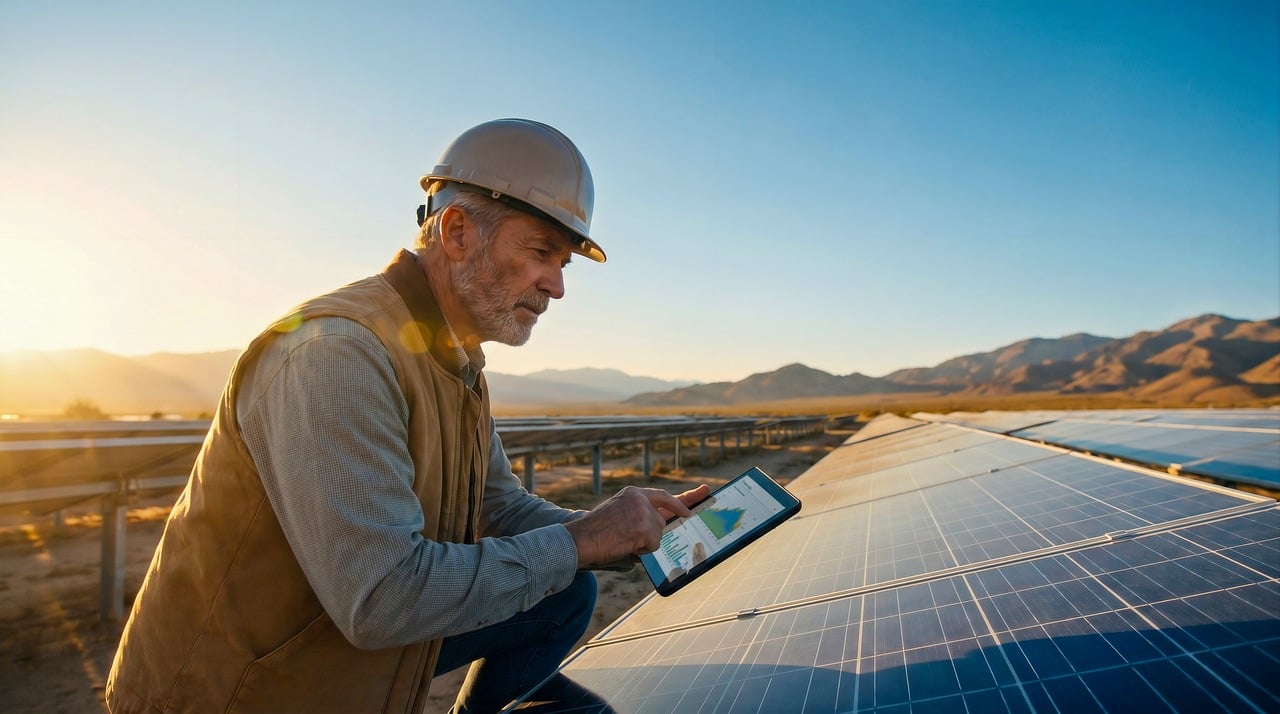
Solar PV is widely used because it is modular. It can go on rooftops, carports, unused land, and utility-scale sites. EIA data for 2025 shows solar supplied about 7% of U.S. utility-scale electricity, while small-scale solar added an estimated 0.09 trillion kWh. For a business, solar often fits best when daytime power use is high, such as refrigeration, pumping, machining, or air conditioning.
Wind Power Across Wider Regions
Wind can produce solid output at night and across seasons, which helps balance systems with a lot of solar. EIA reported that wind supplied about 11% of total U.S. utility-scale electricity generation in 2025 and 43% of utility-scale renewable electricity. That is why many power markets treat wind as a main supply source, not a small side option.
Storage, Hydro, Geothermal, and Bioenergy Support
Storage moves electricity from one hour to another, so power is available closer to the time it is needed. Hydropower and geothermal can provide steadier output where the resources are available. Bioenergy can also help at sites with usable agricultural, wood, landfill, or waste streams, but feedstock quality and transport need careful checking. A clean system often looks uneventful when it works well: power flows, meters run, and the operations team does not need to talk about it every day.
Can Clean Energy Work for Costs and Business Growth?
Cost is where clean energy has changed a lot. The old view was that renewable power was mostly a higher-priced choice. Current public cost data gives a more practical picture. In many markets, solar and wind are now normal options for new power because equipment prices, project experience, and supply chains have improved.
Lower New-Build Power Costs
IRENA’s Renewable Power Generation Costs in 2024 report, published in 2025, found that new utility-scale onshore wind had a global weighted average levelized cost of USD 0.034/kWh in 2024. Solar PV followed at USD 0.043/kWh, and hydropower at USD 0.057/kWh. The same report said solar PV was 41% cheaper than the lowest-cost fossil fuel alternatives in 2024, while onshore wind was 53% cheaper. This does not mean every project will win on price. It does mean clean power should be included in any serious new energy plan.
Jobs, Manufacturing, and Field Services
Clean energy also shows up in the labor market. The U.S. Department of Energy’s 2024 U.S. Energy and Employment Report stated that clean energy employment increased by 142,000 jobs in 2023, grew 4.2%, and accounted for more than half of new energy sector jobs that year. Solar and wind jobs grew 5.3% and 4.5%, respectively. For buyers, this matters because trained installers, electricians, engineers, and maintenance teams make projects easier to build and service.
Fuel-Free Output and Budget Stability
Solar and wind do not need a fuel purchase every month. That can reduce exposure to fuel price swings, shipping delays, and fuel contract changes. You still need to pay for equipment, financing, interconnection, maintenance, insurance, and sometimes backup. Even so, a fuel-free source gives the finance team a clearer long-term cost line, which usually helps during project review.
How Does Clean Energy Work With the Grid?
The grid is where good clean energy projects either move forward or get stuck. Generation is only one part of the work. Power still has to be forecast, balanced, transmitted, and used at the right time. A clean system needs flexibility, and that can come from storage, demand response, wider transmission, smarter controls, and better operating rules.
Forecasting and Flexible Scheduling
Solar and wind vary, but they are not random like a coin toss. Weather forecasting helps grid operators plan the next hours and days. NREL’s 2024 report, Maintaining Grid Reliability, reviewed more than two decades of studies, including systems where wind and solar provide more than 50% of annual energy. The takeaway is practical: high renewable systems can stay reliable when planners model resource adequacy, stability, reserves, and operations properly. See also: EVs.
Storage and Demand Response
Batteries help cover evening ramps, short outages, and fast grid support. IRENA reported that utility-scale battery storage costs fell 93% from 2010 to 2024, from USD 2,571/kWh to USD 192/kWh. Demand response can help as well. A cold-storage facility, water pump, or EV charging fleet may shift part of its load when prices are high or the grid is under stress. Not every load can move, of course. A production line cannot always stop just because the market sends a signal.
Transmission and Connection Planning
Interconnection is now one of the main clean energy bottlenecks. The International Energy Agency’s Renewables 2025 report expects global renewable power capacity to double by 2030, adding about 4,600 GW, with solar PV making up nearly 80% of that increase. That report also warns that grid integration, supply chains, and financing challenges are rising. For a business, early grid checks can save months of waiting. It is better to know the transformer, feeder, and permit limits before the purchase order is signed.
How Can You Start When Clean Energy Needs to Work in Practice?
A workable clean energy plan starts with your actual site, not with a sales brochure. Before buying panels, turbines, inverters, batteries, or control systems, collect the basic data first: bills, demand peaks, roof drawings, land limits, outage history, and growth plans. This paperwork is not exciting, but it often saves real money. It also keeps the project team from sizing equipment around guesses.
A Load Profile Before Equipment Quotes
Ask when your site uses power, not only how much it uses each month. A facility with daytime peaks may suit solar. A 24-hour plant may need solar, storage, and a supply contract. A site with short but costly demand spikes may get more value from controls than from extra generation, because the shape of demand is the real map.
A Site Match for Solar, Wind, or Storage
Check roof strength, shade, land grade, wind rules, fire access, transformer capacity, and local permits. For storage, check temperature, safety codes, cycling needs, and backup duration. These points sound basic, but they decide whether the system can pass review and work safely. A battery sized for two-hour peak shaving is not the same as a system built for long outage support. The container may look similar, but the job is very different.
Carbon Tracking With Named Data
If you report carbon reductions, use data that can be traced. EPA’s eGRID database provides emissions, generation, resource mix, and emission rate data for almost all U.S. electric power generation, with 2023 data available. That helps businesses avoid loose claims. A buyer, auditor, or overseas customer may ask where the number came from. A statement like “it seemed cleaner” will not carry much weight in a serious review.
FAQ
Q1: How Does Clean Energy Work in Simple Terms? A: It captures renewable resources such as sun, wind, water, heat, or biomass, converts them into electricity or useful energy, and then delivers that energy through equipment, storage, and the grid.
Q2: Is Clean Energy Always Cheaper? A: Not always. Costs depend on location, financing, equipment, permits, grid connection, and local power prices. Still, IRENA’s 2024 cost data shows solar PV and onshore wind are highly competitive for many new projects.
Q3: Can Clean Energy Run a Business at Night? A: Yes, but the design must fit the load. Night power can come from wind, hydropower, geothermal, batteries, renewable power contracts, or the grid. Solar alone needs storage or another source after sunset.
Q4: Does Clean Energy Make the Grid Less Reliable? A: Not by itself. NREL’s 2024 reliability review found that high wind and solar shares can work when systems use proper planning, forecasting, reserves, transmission, storage, and flexible demand.
Q5: What Should You Check First Before Buying Clean Energy Equipment? A: Start with your load profile, site limits, local rules, interconnection options, and carbon reporting needs. The best project is the one that fits your real operation, not the one with the loudest sales pitch.