
Clean Tech, Decarbonization, Renewable Energy, Carbon Capture, Energy Storage
The global clean tech transition faces structural, financial, and regulatory barriers that slow renewable deployment. Despite record investment in solar and wind, grid congestion, inconsistent policies, and capital misallocation continue to impede progress. The solution lies in aligning market design with variable generation, modernizing transmission systems, and de-risking private capital through blended finance. Stable regulation and digital innovation will determine whether nations can scale renewables fast enough to meet decarbonization goals.
Structural Challenges in the Global Renewable Energy Landscape
The renewable energy ecosystem is constrained by outdated grids, fragmented policy regimes, and entrenched financial systems. These systemic inefficiencies collectively restrict the pace of clean tech adoption.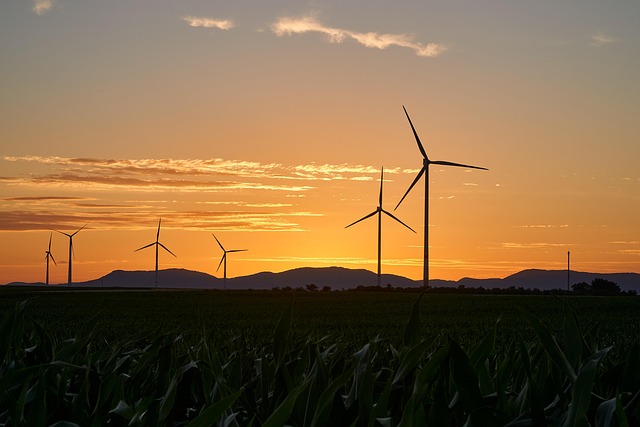
Identifying Systemic Barriers to Clean Power Expansion
Grid infrastructure remains a critical bottleneck. Many national systems were built for centralized fossil generation and lack the flexibility to integrate distributed renewables. Policy fragmentation across jurisdictions further complicates project timelines; shifting subsidy regimes or inconsistent permitting processes often discourage investors. Meanwhile, financing structures still favor conventional energy assets with long-established risk profiles, leaving innovative clean tech projects struggling for comparable capital access.
The Interplay Between Market Design and Renewable Integration
Electricity markets were historically structured around predictable baseload generation. Variable renewables like wind and solar disrupt this paradigm by introducing supply volatility that traditional market mechanisms cannot easily absorb. To accommodate them, new pricing models must reward flexibility rather than fixed capacity. Reforming ancillary services markets—such as frequency response and reserve capacity—will be essential to value grid-balancing contributions from storage or demand-side resources.
Infrastructure Constraints Hindering Clean Tech Deployment
Infrastructure inadequacy has become one of the most cited reasons for renewable project delays worldwide. Transmission expansion lags far behind generation growth, creating spatial mismatches between where power is produced and where it’s consumed.
Transmission Bottlenecks and Grid Congestion
Many large-scale renewable plants are sited in remote regions with abundant natural resources but limited grid connectivity. Without timely transmission upgrades, these projects face curtailment during high-output periods. Grid congestion also reduces efficiency and increases operational costs for utilities. Cross-border interconnections could mitigate imbalances by enabling regional power exchange; however, regulatory coordination between countries remains weak.
Aging Grid Systems and the Need for Modernization
Legacy grids were never designed for two-way electricity flows from distributed sources like rooftop solar or community wind farms. Smart grid technologies—sensors, automated controls, digital substations—can enhance system visibility and responsiveness to fluctuating supply patterns. Investment in digital infrastructure is now as vital as physical line expansion because it underpins reliability in an increasingly decentralized network.
Financial and Investment Barriers in Renewable Energy Projects
Even as renewable costs decline sharply, financing remains uneven across geographies due to risk perception disparities and policy uncertainty.
Capital Allocation Trends in the Energy Sector
Institutional investors often remain cautious toward early-stage clean tech ventures because of perceived technology or policy risks. High upfront costs deter participation unless long-term revenue stability is guaranteed through mechanisms like power purchase agreements (PPAs). Moreover, risk-adjusted returns vary widely across markets; while OECD economies attract steady inflows, emerging regions face persistent capital scarcity despite strong resource potential.
The Role of Public Finance and Green Bonds in Scaling Clean Tech
Public finance institutions play a catalytic role by absorbing first-loss risks that private financiers avoid. Sovereign green bonds have become a favored tool for funding early-stage infrastructure such as offshore wind ports or grid extensions. Multilateral development banks can further de-risk participation through guarantees or concessional loans. Blended finance models—combining public grants with private equity—are proving effective at mobilizing large-scale investment into renewables across developing economies.
Policy and Regulatory Frameworks Shaping Renewable Growth
Policy coherence determines investor confidence more than any single technological factor. Yet many governments continue to send mixed signals about their long-term decarbonization strategies.
Inconsistent Policy Signals Across Global Markets
Sudden withdrawal of subsidies or feed-in tariffs has repeatedly disrupted investor sentiment. For instance, abrupt changes in European solar incentives during the 2010s led to mass bankruptcies among developers. Similarly, non-standardized permitting procedures prolong project approval cycles by years. Trade policies also influence renewable economics: tariffs on imported panels or turbines can inflate project costs by double digits while undermining supply chain stability.
The Importance of Long-Term Regulatory Certainty
Stable frameworks encourage sustained private sector engagement by reducing perceived risk premiums on capital-intensive assets like offshore wind farms or battery storage facilities. Clear national decarbonization pathways guide energy planning over decades rather than election cycles. Harmonized technical standards across regions can facilitate cross-border electricity trade from renewables while improving interoperability among grid systems.
Technological Integration and System Flexibility Requirements
Technology integration defines whether renewables can move from marginal additions to core grid resources capable of delivering 24/7 reliability.
Balancing Intermittency Through Storage Solutions
Energy storage provides the operational buffer needed to smooth intermittent generation patterns. Batteries stabilize frequency during peak demand hours when solar output wanes or wind slows down. Hybrid configurations combining multiple renewable inputs with storage improve overall reliability metrics such as capacity factors. As battery prices continue falling year over year—by nearly 80% since 2013 according to IEA data—the scalability potential grows dramatically.
Digitalization, Data Analytics, and AI in Energy Management
Digital transformation reshapes how operators manage complex grids dominated by variable supply sources. Predictive analytics enhances short-term forecasting accuracy for solar irradiance or wind speed fluctuations. Artificial intelligence-driven control algorithms can autonomously dispatch distributed assets for optimal load balancing within milliseconds—a task impossible through manual intervention alone. However, expanded connectivity introduces cybersecurity vulnerabilities that require robust defense architectures consistent with IEC 62443 industrial security standards.
Geopolitical and Supply Chain Dimensions of Clean Energy Expansion
Renewable deployment increasingly intersects with geopolitics due to concentrated resource dependencies and trade realignments within clean tech manufacturing chains.
Critical Mineral Dependencies and Resource Concentration
Rare earth elements such as neodymium are indispensable for high-efficiency wind turbine magnets and electric vehicle motors. Yet their extraction is geographically concentrated in a handful of nations, exposing global supply chains to geopolitical tension or export restrictions. Circular economy initiatives promoting recycling of end-of-life batteries can ease raw material pressure while supporting domestic resilience against external shocks.
Global Trade Dynamics Affecting Clean Tech Manufacturing
Trade disputes have repeatedly reshaped cost structures within the renewable industry. Tariffs on photovoltaic modules raise installation expenses while incentivizing regional manufacturing hubs closer to consumption centers. Government-backed industrial policies offering local content incentives are altering global production geography—from Southeast Asia’s dominance toward diversified assembly bases across Europe and North America—to strengthen strategic autonomy over critical technologies.
Social Acceptance and Land Use Considerations in Renewable Projects
Beyond economics or engineering lies a softer but equally decisive factor: social legitimacy of renewable infrastructure within host communities.
Community Engagement and Environmental Impact Management
Public opposition often stems from land use conflicts—wind farms near residential zones—or ecological concerns such as bird migration disruption. Transparent consultation processes throughout planning stages foster trust between developers and residents while reducing litigation risks later on-site construction begins. Integrating biodiversity safeguards into project design not only mitigates environmental damage but also enhances long-term sustainability credentials sought by institutional investors adhering to ESG mandates.
Workforce Transition in the Shift Toward Clean Power
The energy transition inevitably displaces workers from fossil fuel sectors who require targeted reskilling initiatives aligned with emerging industries like battery assembly or offshore maintenance services. Labor policy alignment with renewable growth trajectories ensures equitable job distribution across regions historically dependent on coal mining or oil extraction activities—a crucial political factor sustaining public support for decarbonization strategies worldwide.
FAQ
Q1: Why do many renewable projects face delays despite available funding?
A: Most delays stem from inadequate grid capacity and slow permitting processes rather than lack of finance itself.
Q2: How do smart grids contribute to clean tech integration?
A: Smart grids enable real-time monitoring of distributed energy flows, improving reliability when integrating variable renewables.
Q3: Are green bonds effective tools for scaling renewables?
A: Yes, they provide low-cost capital backed by sovereign creditworthiness that attracts institutional investors into early-stage projects.
Q4: What role does AI play in future energy management?
A: AI automates dispatch decisions based on predictive analytics, enhancing efficiency while maintaining system stability under high renewable penetration.
Q5: How can governments strengthen public acceptance of renewable projects?
A: By engaging communities transparently during planning phases and ensuring visible local economic benefits such as job creation or shared ownership schemes.