
The main types of green energy are solar, wind, hydropower, geothermal, biomass, marine energy, and renewable electricity used to produce green hydrogen. Each can reduce reliance on fossil fuels, but they do not play the same role in an energy system. Solar and wind are expanding fastest. Hydropower remains important for large-scale dispatchable generation. Geothermal can provide steady output where the resource is suitable, while bioenergy depends heavily on sustainable feedstock management. For anyone comparing technologies across the clean energy transition, the useful question is not simply which source is green. It is where that source fits in a reliable, affordable, lower-carbon system.
Green energy is not exactly the same as renewable energy
In everyday use, green energy and renewable energy are often treated as the same thing. The distinction matters. Renewable energy comes from resources that are naturally replenished, such as sunlight, wind, flowing water, plant material, underground heat, and ocean movement. Green energy is usually used more narrowly for energy sources with lower environmental impact and lower greenhouse gas emissions than fossil fuels.
Most renewable electricity is therefore considered green, but not every renewable project is automatically low-impact in every location. A poorly sited hydropower dam can affect river ecosystems. Biomass can be low-carbon only when feedstocks are sourced responsibly and emissions are managed. Large renewable projects still need land, materials, grid connections, permits, and local acceptance.
For an energy buyer, project developer, policymaker, or informed homeowner, the practical question is more specific: which clean resource solves the energy problem with the fewest trade-offs?
Main types of green energy
Solar energy
Solar energy converts sunlight into usable power or heat. The most familiar form is solar photovoltaic technology, which uses panels to generate electricity. Solar thermal systems use sunlight for water heating, industrial heat, or concentrated solar power in some utility-scale applications.
Solar PV has become central to new renewable capacity because it is modular. It can be installed on rooftops, commercial buildings, parking structures, brownfield sites, farms, and utility-scale solar parks. According to IRENA’s 2026 renewable capacity reporting, solar photovoltaics made up nearly all solar power additions in 2025, showing how dominant PV has become within the solar category.
The main limitation is variability. Solar output falls at night and changes with cloud cover, season, latitude, and panel orientation. Batteries, flexible demand, transmission, and complementary resources such as wind or hydropower can help turn solar from an intermittent generator into part of a dependable power system.
Wind energy
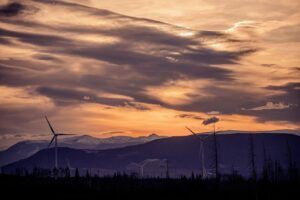
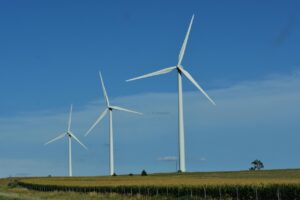
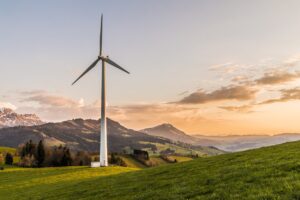
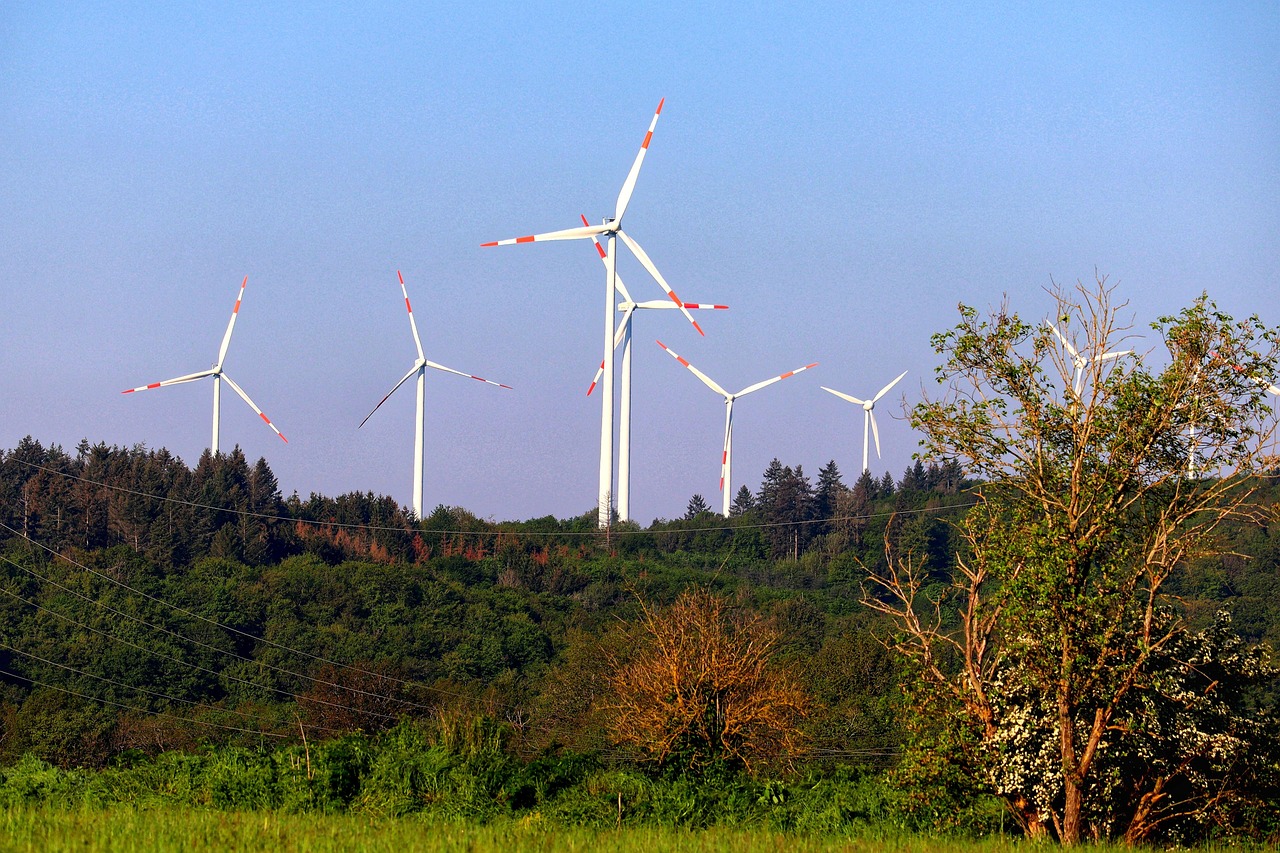
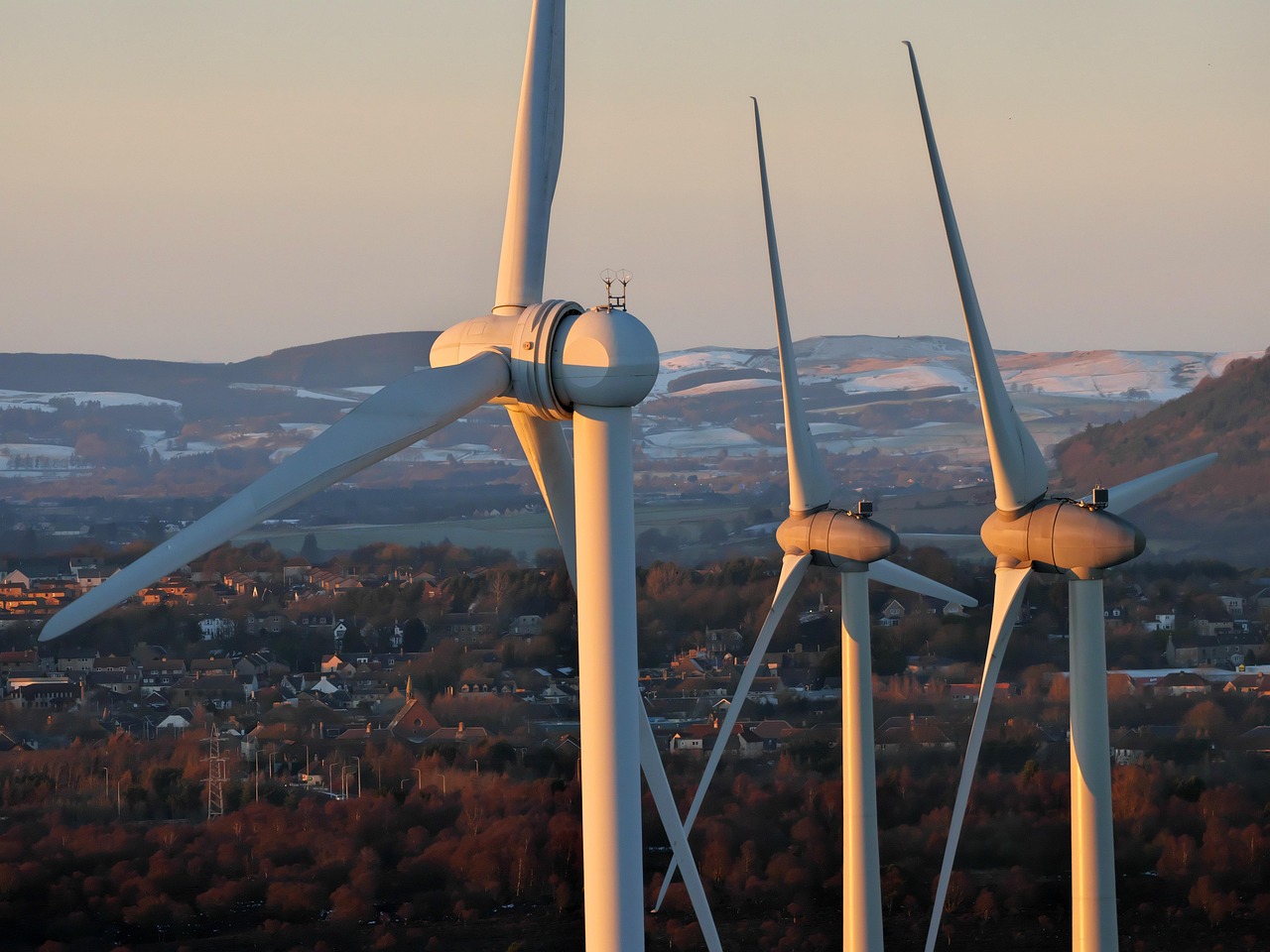
Wind energy uses turbines to convert moving air into electricity. Onshore wind is widely deployed because it is mature and cost-competitive in many regions. Offshore wind can access stronger and steadier wind resources, but it usually requires more complex foundations, subsea cables, port infrastructure, and maintenance planning.
Wind often complements solar. Depending on local weather patterns, wind output may be stronger at night or during seasons when solar production is lower. That makes wind valuable in diversified grids. Even so, wind projects are highly site-specific and must address transmission access, wildlife considerations, visual impacts, permitting timelines, and community acceptance.
Hydropower
Hydropower uses moving water to turn turbines and generate electricity. Conventional hydropower can be built around reservoirs, run-of-river systems, or existing water infrastructure. It is one of the oldest large-scale renewable power sources and remains an important part of many electricity systems.
Hydropower’s major advantage is controllability. Reservoir-based plants can often adjust output to meet demand, support grid stability, and complement variable solar and wind. Pumped-storage hydropower is different: it is primarily an energy storage system that moves water uphill when electricity is available and releases it later to generate power during higher-demand periods.
The environmental limits can be significant. Dams can change river flows, fish migration, sediment movement, land use, and local communities. New hydropower development therefore requires careful environmental review, while upgrades to existing dams and non-powered water infrastructure may offer lower-impact opportunities in some markets.
Geothermal energy
Geothermal energy uses heat from inside the Earth. In high-quality geothermal regions, steam or hot water can drive turbines to generate electricity. In many more locations, ground-source heat pumps can provide efficient building heating and cooling by exchanging heat with the shallow ground.
Geothermal’s strongest benefit is consistency. Unlike solar and wind, geothermal power plants can often operate around the clock. That makes geothermal attractive as a firm clean resource where geology is favorable. The challenge is that resource quality is highly location-dependent, and exploration drilling can be expensive and uncertain.
Enhanced geothermal systems are being developed to expand the range of viable locations, but wider deployment depends on drilling performance, project finance, reservoir management, and regulatory confidence.
Biomass and bioenergy
Biomass energy comes from organic material such as wood residues, agricultural waste, landfill gas, biogas, and certain energy crops. It can be used for heat, electricity, renewable fuels, or combined heat and power.
Bioenergy is one of the most debated types of green energy. It can be useful when it uses wastes or residues that would otherwise create emissions, or when it supplies high-temperature heat that is difficult to electrify. It can also be harmful if it drives deforestation, competes with food production, or releases more carbon than it avoids over a relevant time period.
The quality of a bioenergy project depends on feedstock, land-use impact, combustion controls, methane management, supply-chain emissions, and whether the project displaces a higher-emission alternative. For that reason, bioenergy should be evaluated project by project rather than treated as automatically green.
Marine energy
Marine energy includes power from tides, waves, ocean currents, and temperature differences. Tidal stream systems are relatively predictable because tides follow known cycles. Wave energy has large theoretical potential but must survive harsh marine conditions. Ocean thermal energy is more specialized and depends on suitable temperature gradients.
Compared with solar, wind, and hydropower, marine energy is at an earlier commercial stage. It may become important for islands, coastal communities, ports, aquaculture, offshore operations, or niche grid applications, but it still faces cost, durability, installation, and maintenance challenges. See also: EVs.
Green hydrogen
Green hydrogen is not a primary energy source in the same way sunlight or wind is. It is an energy carrier. It is commonly described as green when hydrogen is produced by splitting water through electrolysis using renewable electricity.
Its value is usually not in ordinary power generation, where direct electrification is often more efficient. The stronger case is in hard-to-electrify sectors such as certain industrial processes, long-duration storage, shipping fuels, synthetic fuels, and possibly heavy transport. The constraints are cost, conversion losses, infrastructure, water use, and the need to ensure that the electricity used is genuinely low-carbon.
How the main types compare
| Type of green energy | Best fit | Main strength | Main limitation |
|---|---|---|---|
| Solar | Homes, businesses, utility-scale power, distributed generation | Modular, fast to deploy, widely available | Variable output and land or roof requirements |
| Wind | High-wind regions, utility grids, offshore power zones | Strong energy output in suitable locations | Site-specific permitting, transmission, and local impacts |
| Hydropower | River systems, grid balancing, storage through pumped hydro | Dispatchable and mature | Ecosystem and community impacts |
| Geothermal | Geologically favorable regions, heating and cooling | Steady output and high reliability | Resource exploration and location constraints |
| Biomass | Waste streams, industrial heat, combined heat and power | Uses stored organic energy and can be dispatchable | Sustainability depends on feedstock and emissions control |
| Marine energy | Coastal and island applications | Predictable tidal resources and large ocean potential | Earlier-stage technology and harsh operating conditions |
| Green hydrogen | Industry, fuels, seasonal storage, hard-to-electrify uses | Can store renewable electricity in chemical form | Efficiency losses, cost, and infrastructure needs |
What recent energy data says about the transition
The global mix is changing quickly, but not evenly. The International Energy Agency’s Global Energy Review 2026 reported that renewables supplied 34% of global electricity generation in 2025, up from 32% in 2024 and 23% a decade earlier. That marks clear progress, but it also means fossil fuels and other sources still supply a large share of global electricity.
Capacity growth tells a similar story. IRENA’s 2026 renewable capacity statistics reported that total global renewable power capacity reached 5,149 GW in 2025 after 692 GW of additions. The same reporting showed renewables accounted for 85.6% of total power capacity expansion that year, with solar PV responsible for the overwhelming majority of solar additions.
These figures explain why solar and wind receive so much attention. They are not the only green energy sources, but they are the fastest-scaling electricity technologies in many markets. As the share of variable renewables rises, grids, storage, demand flexibility, forecasting, market design, and dispatchable low-carbon resources become more important.
Choosing the right green energy source depends on the use case
No single technology is the answer everywhere. A sunny warehouse roof may be ideal for solar. A windy agricultural region may support onshore wind if transmission and permitting are available. A mountainous area with existing reservoirs may benefit from hydropower upgrades or pumped storage. A city with district heating demand may find geothermal heat more valuable than geothermal electricity. A food-processing plant may use biogas from organic waste while still electrifying other loads.
For electricity systems, the strongest strategy is usually a portfolio. Solar can produce low-cost daytime electricity. Wind can add generation across different weather and seasonal patterns. Hydropower, geothermal, batteries, demand response, and transmission can improve reliability. Bioenergy and green hydrogen may serve more targeted roles where direct electrification is difficult.
For companies and communities, the right comparison should go beyond the headline label. Useful criteria include lifecycle emissions, project location, land and water impacts, generation profile, grid connection, cost, resilience, permitting risk, and whether the energy source replaces fossil fuel use in a measurable way.
Limits and trade-offs to understand
Green energy reduces many problems associated with fossil fuels, especially fuel combustion emissions, but it does not remove every environmental or operational concern. Solar panels and batteries require mineral supply chains. Wind turbines require materials, transport, and end-of-life planning. Hydropower changes waterways. Biomass can create air pollution if poorly controlled. Geothermal projects require subsurface expertise. Marine energy must prove durability and economics.
Grid integration is another major issue. As variable renewable generation grows, power systems need investment in transmission, distribution networks, storage, flexible demand, and faster interconnection processes. Without those supporting systems, clean generation can be delayed, curtailed, or concentrated in places where it cannot reach demand centers.
The practical conclusion is that green energy should be evaluated as a system, not just as a list of technologies. The best results come from matching each resource to local conditions and using policy, finance, and infrastructure to reduce the barriers that prevent clean power from replacing fossil energy at scale.
Frequently asked questions
What are the most common types of green energy?
The most common types are solar, wind, hydropower, geothermal, and biomass. Marine energy and green hydrogen are also important, but they are less widely deployed today or serve more specialized roles.
Which type of green energy is growing fastest?
Solar PV is currently the standout growth technology in global capacity additions. Wind also continues to grow strongly, while hydropower, geothermal, biomass, and marine energy expand more slowly or in more location-specific ways.
Is nuclear energy a type of green energy?
Nuclear power is low-carbon during operation, but it is usually classified separately from renewable energy because it depends on mined fuel rather than naturally replenished resources. Whether it is called green depends on the policy framework, investment standard, or taxonomy being used.
Is biomass always green?
No. Biomass can be part of a lower-carbon energy system when it uses sustainable residues, wastes, or well-managed feedstocks. It is not automatically green if it causes land-use change, forest degradation, high supply-chain emissions, or local air pollution.
Can a grid run only on green energy?
High-renewable grids are technically possible, but they require more than generation capacity. They need transmission, storage, flexible demand, forecasting, dispatchable clean resources, market coordination, and planning for extreme weather and seasonal demand patterns.