
The short answer
BMW electric vehicles in 2026 are no longer a side project within the brand’s lineup. In the U.S. market, BMW’s all-electric range is built around the i4, i5, i7 and iX, while the 2027 BMW iX3 50 xDrive began its U.S. launch window in late September 2026 as the first production Neue Klasse model. The important change is not simply the arrival of another electric SUV. BMW is moving from electric versions of familiar model lines toward a new EV platform with longer advertised range, 800-volt charging capability and a more software-led cabin experience. For broader electric vehicle market coverage, visit our EVs section.
This article is based on BMW USA model information and BMW Group sales releases available through late September 2026. Range figures are manufacturer-published U.S. estimates or EPA-style estimates where BMW identifies them that way. Real-world range will vary with tires, speed, temperature, terrain and driving style.
Where BMW electric vehicles stand in 2026
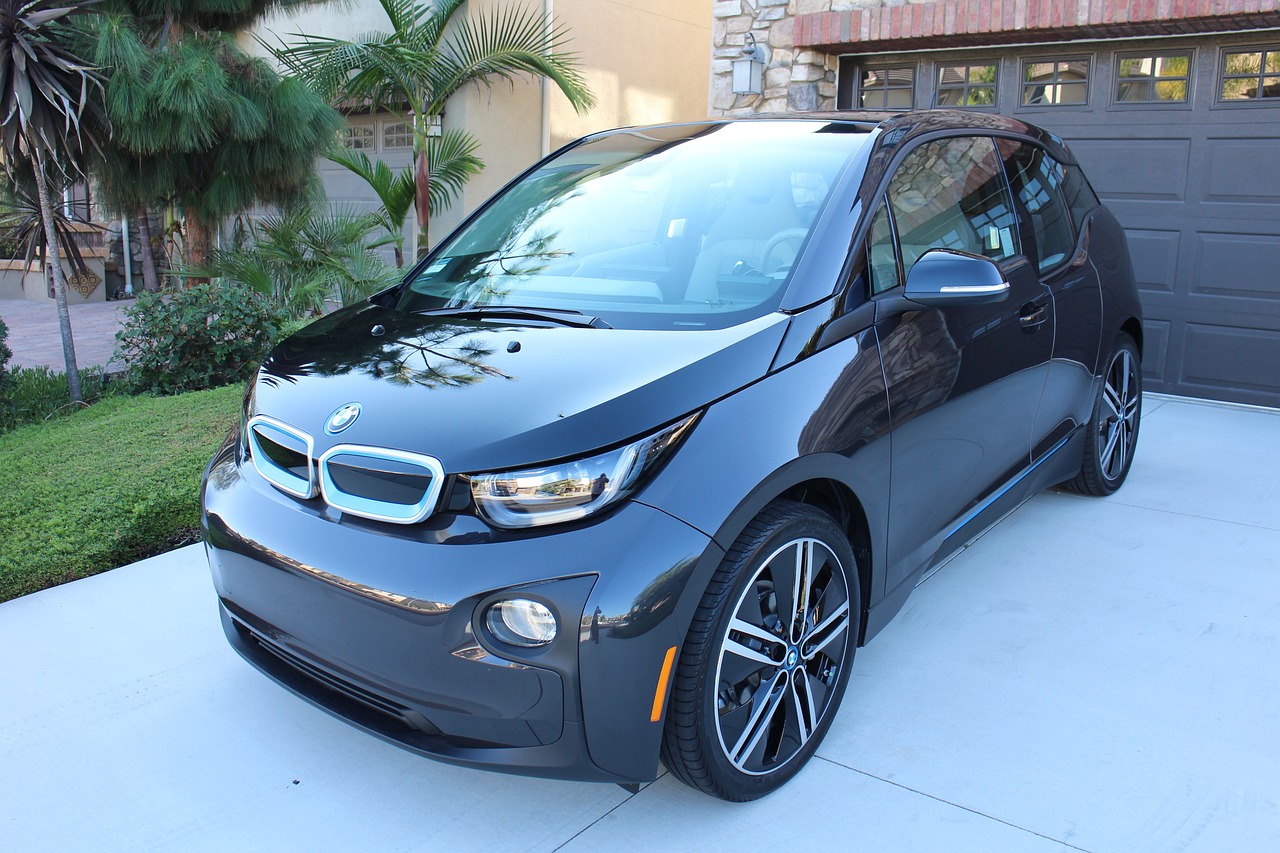
BMW’s EV strategy in 2026 has two tracks. The first uses electric versions of existing BMW segments: the i4 as a sporty Gran Coupe, the i5 as an electric 5 Series sedan, the i7 as a luxury flagship sedan and the iX as a large electric Sports Activity Vehicle. The second track is Neue Klasse, starting with the iX3, which introduces BMW’s next-generation electric drive, battery, electronics and user-interface direction.
That distinction matters because shoppers comparing BMW electric vehicles are usually weighing two questions at the same time. One is practical: which electric BMW fits the budget, range requirement and body style? The other is strategic: buy a current-generation BMW EV now, or wait for more Neue Klasse models to arrive?
| Model | Role in the lineup | BMW-published U.S. electric range | Main takeaway |
|---|---|---|---|
| BMW i4 | Electric Gran Coupe | 232-333 miles across 2026 variants | Most accessible performance-focused BMW EV body style |
| BMW i5 | Electric midsize sedan | 239-310 miles across 2026 variants | Best fit for drivers who want 5 Series space and comfort |
| BMW i7 | Electric luxury sedan | 268-314 miles across 2026 variants | Technology and rear-seat luxury are the priority |
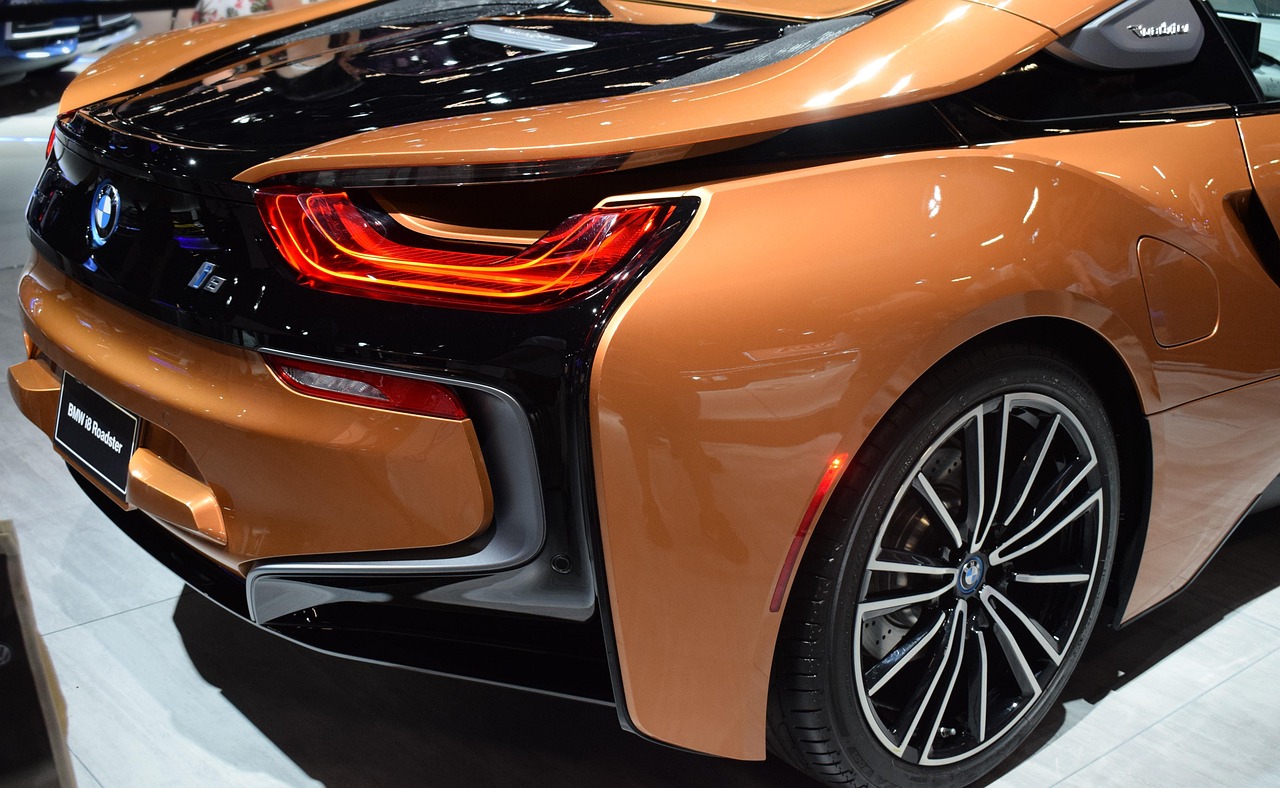
| BMW iX | Large electric SUV | 279-364 miles across 2026 variants | Longest range among BMW’s established 2026 EVs |
| BMW iX3 50 xDrive | Neue Klasse electric SUV | 383-434 miles for the 2027 model | Signals BMW’s next EV generation |
The current BMW EV lineup by buyer type
BMW i4
The i4 remains the entry point for many BMW EV shoppers because it keeps a familiar low-slung BMW shape and driving position. BMW USA lists the 2026 i4 eDrive40 at 307-333 miles of range, the i4 xDrive40 at 268-287 miles and the i4 M60 at 232-278 miles. The pattern is clear: the rear-drive eDrive40 is the range choice, the xDrive40 adds all-wheel-drive traction and the M60 prioritizes output and acceleration over maximum range.
BMW announced in November 2025 that silicon carbide inverter updates would improve efficiency on certain i4 models for the 2026 model year. It is a useful reminder that EV range gains are not only about larger batteries. Power electronics, tires, wheel design and thermal management can all affect the daily driving experience without changing the basic vehicle concept.
BMW i5
The i5 is aimed at shoppers who want a more traditional sedan with more space and executive comfort than the i4. BMW USA lists 2026 ranges of 278-310 miles for the i5 eDrive40, 259-278 miles for the i5 xDrive40 and 239-253 miles for the i5 M60. It also shows the familiar EV trade-off between performance and range: the M60 delivers the strongest acceleration, while the eDrive40 is the more efficient long-distance choice.
BMW’s later i5 materials also point to the transition in charging hardware. The company notes that the 2026 i5 M60 is equipped with a native NACS charge port, while some other configurations rely on adapter or network-specific access. Buyers should verify the exact charging port and network compatibility by model year, trim and production date before ordering.
BMW i7
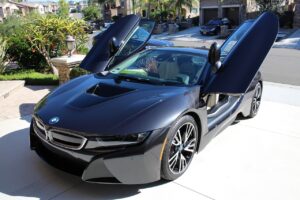
The i7 is not aimed at the mass EV market. It is BMW’s electric flagship sedan, with its appeal built around quietness, cabin technology, rear-seat comfort and luxury appointments. BMW USA lists 2026 i7 ranges of 301-314 miles for the eDrive50, 296-311 miles for the xDrive60 and 268-285 miles for the M70. Those figures are suitable for many executive-use cases, but the i7’s main selling point is refinement rather than maximum miles per kilowatt-hour.
BMW iX
The iX remains BMW’s established long-range electric SUV option. BMW’s 2026 U.S. range page lists 279-312 miles for the iX xDrive45, 318-364 miles for the iX xDrive60 and 283-303 miles for the iX M70. For shoppers who need SUV practicality before the iX3 becomes widely available, the iX xDrive60 is the standout range configuration among BMW’s older-generation EVs.
Why the Neue Klasse iX3 matters
The 2027 BMW iX3 50 xDrive is BMW’s most important EV launch of 2026 because it brings Neue Klasse technology into production. BMW announced in May 2026 that the U.S. base MSRP would be $61,500 plus a $1,350 destination and handling charge, with the U.S. market launch set for September 25, 2026. BMW also listed an official EPA estimated range of up to 434 miles, substantially above the maximum figures published for the i4, i5, i7 and iX in the same period.
The iX3 uses BMW’s sixth-generation eDrive technology, a new high-voltage battery concept with cylindrical cells and an 800-volt electrical architecture. BMW says the iX3 can charge at up to 400 kW at compatible DC fast chargers and lists a 10-80% charging time of 21 minutes under maximum-rate conditions. Those figures do not mean every public charger will deliver that speed, but they show the direction of BMW’s next-generation EV engineering.
The iX3 also changes the charging conversation because BMW USA describes it with a native NACS charge port and access to Tesla Superchargers through the BMW ChargingNetwork, while also including a CCS adapter for DC fast charging. In practical terms, that addresses one of the largest friction points for EV buyers: whether a premium EV can easily use fast and reliable chargers on a long trip. See also: clean energy.
BMW’s EV sales momentum is mixed but important
BMW Group’s own sales data show why the company is investing heavily in Neue Klasse rather than simply extending the existing lineup. In 2025, BMW Group reported 442,056 global battery-electric vehicle deliveries, equal to 17.9% of total vehicle sales. That was growth over 2024, but not a runaway expansion.
The first half of 2026 was more complicated. BMW Group reported around 1.15 million total vehicle deliveries worldwide in the first six months, down 4.2% year over year, while BMW Group BEV deliveries were 204,295, down 7.4%. At the same time, the second quarter showed improvement: BMW and MINI delivered 116,807 fully electric vehicles from April through June 2026, up 5.2% year over year, and European BEV sales rose 38.0% in that quarter.
The takeaway is that BMW is not simply benefiting from a uniform global EV boom. Its EV progress depends on region, model availability and the success of new products such as the iX3. Europe appears to be the strongest early proof point for Neue Klasse demand, while China and some Asia-Pacific markets remained more difficult for German premium automakers in 2026.
What shoppers should check before choosing an electric BMW
- Range by wheel and tire package: BMW often publishes a range band because larger wheels and performance tires can reduce efficiency. Do not compare only the best figure.
- Charging port and adapter details: The iX3 moves the lineup toward native NACS, but compatibility varies by model and model year.
- Battery warranty terms: BMW USA materials commonly list an 8-year or 100,000-mile high-voltage battery warranty for new all-electric BMWs, but buyers should confirm the exact booklet for their model year.
- Home charging plan: A premium EV is far easier to live with if Level 2 home charging is available. Public fast charging matters for trips, but it is not a practical substitute for every daily charge.
- Lease versus purchase risk: EV technology, charging standards and incentives are changing quickly. Leasing can reduce exposure to rapid depreciation, while purchasing may make more sense for drivers who keep vehicles long term.
The strategic takeaway for BMW electric vehicles
BMW’s 2026 EV lineup is broad enough to cover several premium segments, but the iX3 is the pivot point. The i4, i5, i7 and iX show that BMW can electrify familiar body styles without abandoning its driving and luxury identity. The iX3 points to BMW’s next phase: higher efficiency, faster charging, new software architecture and a cleaner EV-first platform.
For buyers who need a BMW EV immediately, the decision should start with body style and realistic range needs: i4 for sporty value, i5 for sedan balance, i7 for luxury and iX for established SUV range. For buyers who can wait, or who put charging speed and next-generation architecture at the top of the list, the iX3 deserves close attention. It is not just another model in the BMW electric vehicle catalog; it is the first public test of whether Neue Klasse can move BMW from a competitive EV maker to a stronger long-term EV contender.
Frequently asked questions
Which BMW electric vehicle has the longest range in 2026?
Among BMW’s established 2026 U.S. models, the iX xDrive60 has the highest listed range band at 318-364 miles. The newer 2027 BMW iX3 50 xDrive, launched in 2026, is listed by BMW with 383-434 miles, making it the most significant range step in the lineup.
Is the BMW iX3 available in the United States?
BMW announced the U.S. market launch of the 2027 BMW iX3 50 xDrive for September 25, 2026, with deliveries beginning in fall 2026. Availability can still vary by dealer, reservation status and production timing.
Do BMW electric vehicles use Tesla Superchargers?
Compatibility depends on the model year and charging hardware. BMW describes the iX3 with a native NACS port and Tesla Supercharger access through the BMW ChargingNetwork. Some other BMW EVs may require approved adapters or Magic Dock-equipped stations, so buyers should verify their exact vehicle.
Are BMW electric vehicles good for winter driving?
They can be, especially xDrive all-wheel-drive versions, but winter reduces EV range because batteries and cabin heating require more energy in cold weather. Preconditioning while plugged in, using seat heating efficiently and choosing suitable winter tires can improve the experience.
Should I wait for more Neue Klasse BMW EVs?
If maximum charging speed, next-generation software and longer range are top priorities, waiting for more Neue Klasse models may make sense. If you need a vehicle now, the current i4, i5, i7 and iX offer well-defined choices with clearer availability and known range bands.