
The short answer for U.S. shoppers
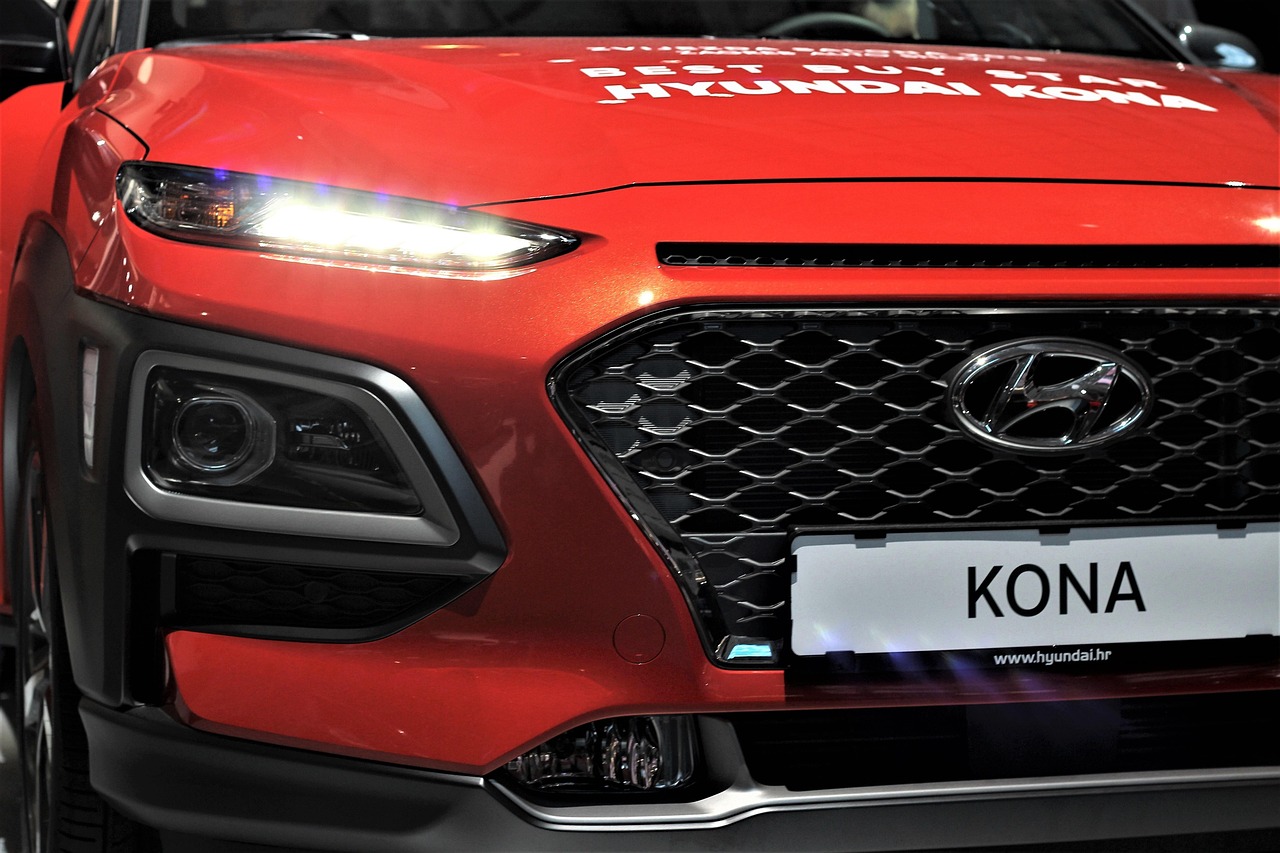
As of September 10, 2026, the Hyundai Kona Electric should be treated as a 2025 U.S.-market EV with a temporary model-year gap, not as a fully specified 2026 U.S. model. Hyundai Motor America’s official 2026 model-year materials state that there will not be a 2026 model year Kona Electric for the U.S. lineup. Remaining 2025 stock was expected to cover demand, and assembly was scheduled to resume in August 2026 as a 2027 model year vehicle.
For buyers comparing cars now, the confirmed reference points are still the 2025 ratings: 200 miles of EPA-estimated range for SE, 261 miles for SEL and Limited, 230 miles for N Line, and about 43 minutes for a 10% to 80% DC fast charge under Hyundai’s stated conditions.
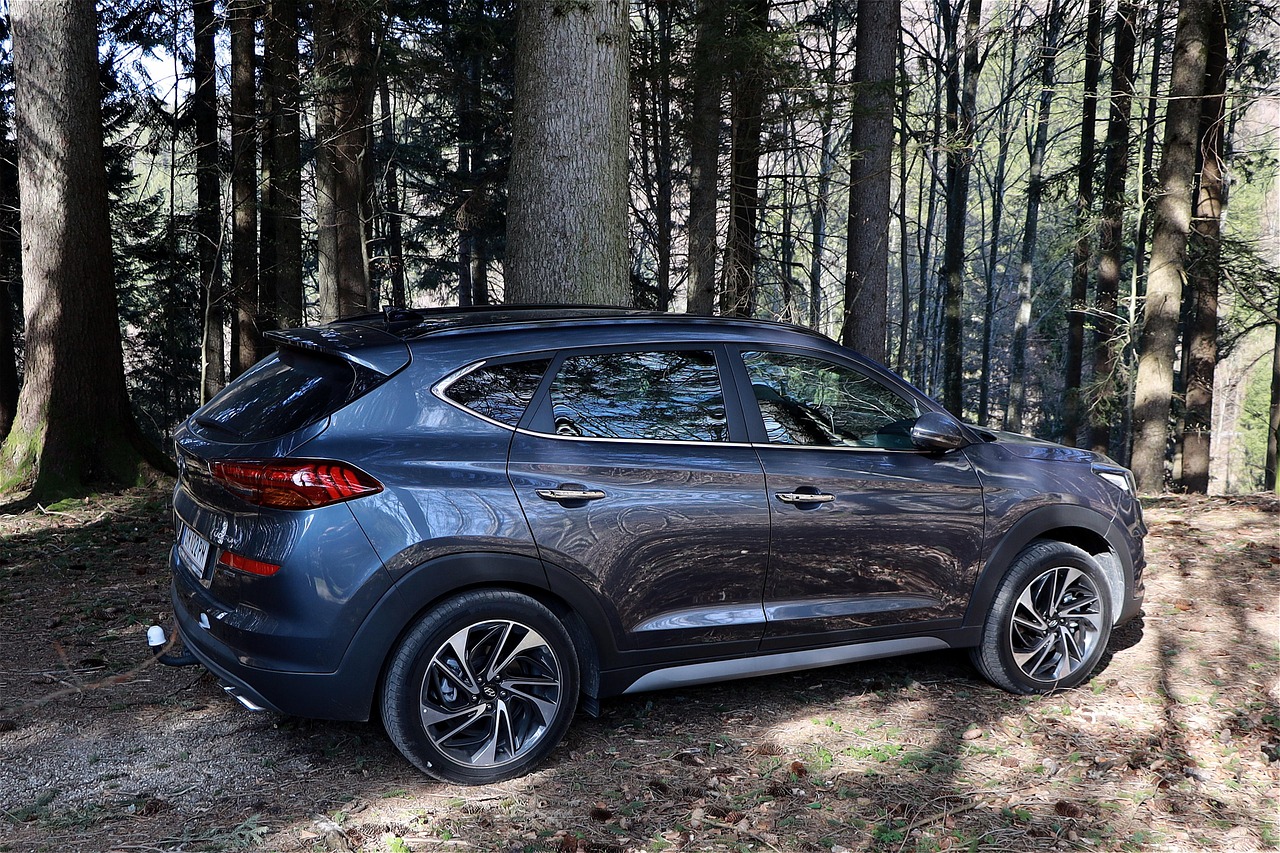
That positions the Kona Electric as a compact, efficiency-focused electric SUV rather than a long-range road-trip specialist. It is most relevant for drivers who can charge at home or work and want a smaller EV with usable cargo space, familiar Hyundai controls and a price below many larger electric crossovers. For broader market context, see our EVs coverage.
Why the 2026 model year is confusing
Most vehicle searches follow a familiar pattern: a new calendar year brings a new model year, modest equipment changes and revised pricing. The Kona Electric is different in the United States. Hyundai’s official lineup summary lists the 2026 gasoline Kona as a carry-over model, while identifying the 2025 Kona Electric separately and noting that there will not be a 2026 model year Kona Electric in the U.S. lineup.
That does not mean the Kona Electric nameplate has disappeared globally. Other markets may use different model years, trims, battery packs, charging connectors and equipment packages. A Canadian or European 2026 Kona Electric listing should not be used as a direct substitute for U.S. specifications, warranty documents, incentive eligibility or dealer inventory. The practical way to read the situation is to keep three items separate: confirmed 2025 U.S. data, Hyundai’s stated U.S. production pause, and 2027 details that remain unconfirmed for retail buyers.
| Date or model year | Confirmed point | What it means for shoppers |
|---|---|---|
| 2024 model year | Hyundai introduced the redesigned second-generation Kona and Kona Electric in the U.S. market. | Used 2024 examples are part of the newer design cycle, not the older first-generation Kona Electric. |
| 2025 model year | Hyundai USA lists four Kona Electric trims: SE, SEL, N Line and Limited. | The 2025 specifications are the practical reference point for current U.S. shopping. |
| 2026 model year | Hyundai Motor America says there will not be a 2026 model year Kona Electric in the U.S. lineup. | Be cautious with listings or articles that mix U.S. and non-U.S. information. |
| 2027 model year | Hyundai said Kona Electric production was scheduled to resume in August 2026 as a 2027 model year vehicle. | Wait for official U.S. 2027 pricing, EPA ratings and equipment before comparing it with current stock. |
2025 U.S. Hyundai Kona Electric specs that still matter
The 2025 U.S. Kona Electric lineup is simple by EV standards. Every trim is front-wheel drive and uses a single permanent-magnet synchronous motor. The main choice is between the smaller-battery SE and the larger-battery SEL, N Line and Limited. The N Line adds sportier appearance content, but its EPA range is lower than the SEL and Limited even though it uses the same 64.8 kWh battery size.
| Trim | Battery and motor | EPA-estimated range | EPA MPGe city/highway/combined | Hyundai listed starting MSRP |
|---|---|---|---|---|
| SE | 48.6 kWh battery, 99 kW motor, 133 hp | 200 miles | 131/105/118 | $32,975, excluding freight, tax, title and license |
| SEL | 64.8 kWh battery, 150 kW motor, 201 hp | 261 miles | 129/103/116 | $36,975, excluding freight, tax, title and license |
| N Line | 64.8 kWh battery, 150 kW motor, 201 hp | 230 miles | 113/93/103 | $38,375, excluding freight, tax, title and license |
| Limited | 64.8 kWh battery, 150 kW motor, 201 hp | 261 miles | 129/103/116 | $41,150, excluding freight, tax, title and license |
For many buyers, the SEL is the most balanced trim on paper because it gets the 261-mile rating without moving to the highest listed MSRP. The SE can still work for predictable urban commuting, second-car use or budget-focused buyers with dependable Level 2 charging. The N Line is the style-led choice, not the range choice. The Limited adds convenience and premium features, but from an energy and range standpoint it shares the SEL’s EPA estimate.
Charging and range expectations
Hyundai USA lists approximately 43 minutes for a 10% to 80% charge on a 400V DC fast charger. That number is useful for planning, but it is not a guarantee at every charging stop. Battery temperature, charger output, starting state of charge, vehicle settings and ambient weather can all affect charging speed. In day-to-day use, the Kona Electric is better matched to regular overnight charging than to frequent long interstate trips where faster-charging EV platforms may reduce stop times.
For home charging, Hyundai lists about 4 hours 55 minutes to charge the SE from 10% to 100% on an 11 kW, 240V AC charger. For SEL and Limited models with the larger 64.8 kWh battery, Hyundai lists about 6 hours 5 minutes under the same AC charging condition. Those times should cover most daily driving patterns if the driver can plug in at home after work or use a reliable workplace charger.
The range figures also need context. EPA estimates are standardized comparisons, not guaranteed trip distances. Highway speed, cold weather, roof accessories, heavy cabin heating, steep terrain and aggressive acceleration can reduce range. Slower urban driving and regenerative braking can help the Kona Electric operate efficiently in commuting use. Buyers should compare their real daily mileage with the EPA rating and keep a reserve instead of planning to use the full battery every day.
Where the Kona Electric fits in the compact EV market
The Hyundai Kona Electric sits in a practical middle ground. It is smaller and easier to park than many mainstream electric SUVs, but it offers more crossover utility than a low-slung hatchback. Its strongest argument is efficiency: the SEL and Limited ratings of 116 combined MPGe are competitive, and the 261-mile range is enough for many households that charge regularly.
The trade-offs are equally important. There is no U.S. all-wheel-drive Kona Electric in the 2025 lineup. DC fast charging is acceptable, but it is not class-leading. The 200-mile SE may feel limiting for buyers who often drive long highway routes or do not have dependable home charging. The N Line looks more assertive but gives up 31 miles of EPA range compared with SEL and Limited. None of these points rules out the vehicle, but they do affect which trim makes sense.
Compared with larger Hyundai EVs, the Kona Electric is the smaller and more affordable tool. Compared with used EVs, it has the advantage of the newer Kona cabin and mainstream dealer support, although used-market pricing can vary widely by region, mileage, battery condition and vehicle history. Compared with upcoming affordable EVs, its main uncertainty is timing: shoppers may need to choose between remaining 2025 inventory and waiting for confirmed 2027 information. See also: clean energy.
What to verify before buying remaining 2025 stock
Because the model-year situation is unusual, the buying checklist matters more than usual. A low advertised price is useful only if the vehicle, VIN, incentives and charging setup match the buyer’s needs.
- Confirm the model year by VIN and window sticker. Do not rely only on a web listing headline.
- Check whether the price includes destination or dealer-added accessories. Hyundai’s listed MSRPs exclude freight, tax, title and license, while dealer pricing may be shown differently.
- Verify the exact trim. SE, SEL, N Line and Limited have different range ratings and equipment levels.
- Ask about active recalls or service campaigns. NHTSA and Hyundai VIN tools are the right places to verify a specific car.
- Confirm federal, state and utility incentives. IRS guidance states that federal clean vehicle credits are not available for vehicles acquired after September 30, 2025, but local programs and dealer offers can change.
- Plan charging before delivery. A Kona Electric is much easier to live with when Level 2 charging is available at home, work or another routine location.
- For used examples, review battery health, charging history and warranty transfer details. Mileage alone does not tell the full story of an EV.
Safety information should also be VIN-specific. The Insurance Institute for Highway Safety lists the 2025-26 Hyundai Kona among its Top Safety Pick+ small SUVs, but shoppers should still verify the exact build, equipment and any open recalls before purchase.
Should buyers wait for the 2027 Hyundai Kona Electric?
Waiting can make sense for shoppers who want the newest model-year paperwork, hope for revised equipment, or do not need a vehicle soon. Hyundai’s production-resumption note points to a 2027 model year vehicle, but detailed U.S. specifications, pricing and EPA range should be treated as unconfirmed until Hyundai publishes official U.S. retail information.
Buying a remaining 2025 Kona Electric can also make sense if the price is attractive, the trim fits the driver’s range needs and local charging is already solved. The key is not to pay a premium for uncertainty. A dealer should be able to show the window sticker, explain any incentives, disclose accessories and confirm whether the vehicle has open campaigns. If the deal depends on claims about the 2027 model, ask for written, official documentation or treat the claim as speculation.
Frequently asked questions
Is there a 2026 Hyundai Kona Electric in the United States?
Hyundai Motor America’s 2026 model-year materials state that there will not be a 2026 model year Kona Electric in the U.S. lineup. The company said 2025 model year stock was expected to manage demand and that production was scheduled to resume as a 2027 model year vehicle.
What is the range of the Hyundai Kona Electric?
For the 2025 U.S. model, Hyundai lists EPA-estimated range at 200 miles for SE, 261 miles for SEL, 230 miles for N Line and 261 miles for Limited. Real-world range can be lower or higher depending on speed, weather, terrain, driving style and accessory use.
How long does the Kona Electric take to charge?
Hyundai lists about 43 minutes for a 10% to 80% charge on a 400V DC fast charger. On an 11 kW, 240V AC charger, Hyundai lists about 4 hours 55 minutes from 10% to 100% for the SE and about 6 hours 5 minutes for larger-battery trims.
Does the Kona Electric qualify for a federal EV tax credit in 2026?
Do not assume a federal credit is available. IRS guidance says federal clean vehicle credits are not available for vehicles acquired after September 30, 2025. State, utility and dealer incentives are separate and should be verified by location and date.
Which Kona Electric trim is the most sensible choice?
For many U.S. shoppers, the SEL is the most balanced trim because it combines the larger battery and 261-mile EPA rating with a lower MSRP than the Limited. The SE is more budget-focused, the N Line prioritizes appearance, and the Limited adds more premium equipment.
Source note: Model-year availability and specifications are based on publicly available information from Hyundai USA, Hyundai Motor America’s media materials, EPA and FuelEconomy.gov data, IRS clean-vehicle guidance and IIHS safety listings checked for this article on September 10, 2026.