
Solar photovoltaic technology turns sunlight into electricity that a site can use. It works for homes, factories, farms, warehouses, and utility projects. If you are comparing solar energy solutions, do not start only with panel count. First check how a PV system fits your load, roof or land, budget, and power plan.
The market changes quickly, but site work still decides the result. Module choice, electrical design, installation, and yield assumptions decide whether the system runs quietly after commissioning or keeps creating small service problems.
Why Is Solar Photovoltaic Becoming the Default Choice for New Power?
Solar is now common because it is modular, quick to install, and easier to add to than many older power assets. A buyer may begin with a rooftop system, then add carports, ground-mount arrays, or batteries when the load or budget changes.
Fast Capacity Growth
IRENA Renewable Capacity Statistics 2026 reported that global renewable power capacity reached 5,149 GW at the end of 2025, after 692 GW of additions during the year. Solar energy accounted for about 511 GW of that increase. For a buyer, this means PV is not a side market anymore. A larger supply chain usually means more module choices, better stock, and more service partners in the field.
Better Cost Position
Lazard Levelized Cost of Energy+ July 2026 placed unsubsidized utility-scale Solar PV in the U.S. at about $40 to $98 per MWh, while utility-scale solar plus storage sat around $61 to $156 per MWh. Costs still change by country, project size, grid rules, and finance cost. Even so, PV often gives a fair starting point when a business compares long-term power options.
Cleaner Electricity on Site
The International Energy Agency Global Energy Review 2026 said solar PV generation rose by 600 TWh in 2025, the largest one-year generation increase by any source outside post-crisis recovery periods. Solar alone met around 70% of global electricity generation growth. For a facility with daytime demand, the point is simple. PV can reduce grid purchases while machines, chillers, pumps, or office loads are already working.
How Does a Solar Photovoltaic System Turn Sunlight Into Usable Energy?
A PV plant looks simple from the ground, yet the parts are doing different jobs all the time. Light reaches the module, DC power moves to the inverter, and protection equipment keeps the system safe, monitored, and easy to shut down when needed.
Cell Conversion
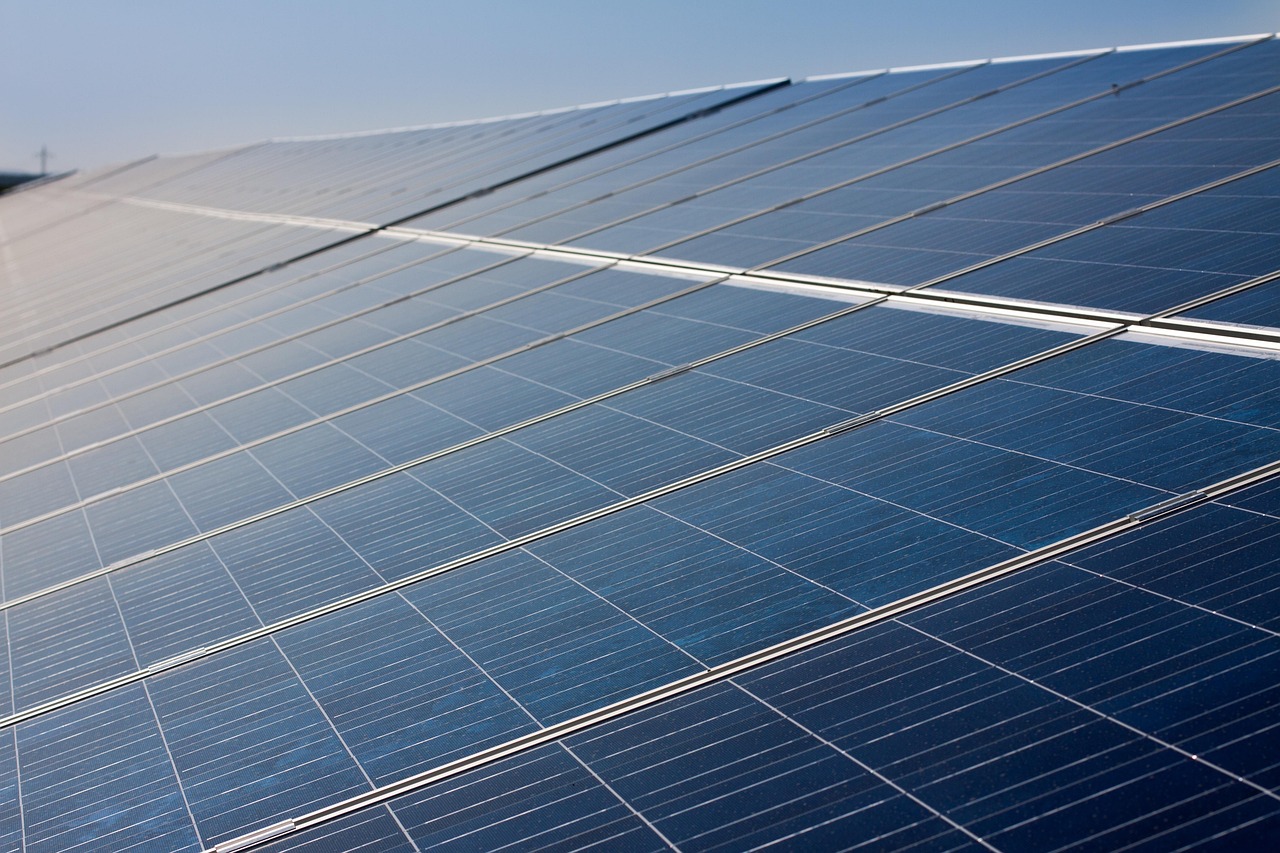
Photovoltaic cells create electric current when sunlight moves electrons inside semiconductor material. Module ratings are tested under standard conditions, commonly 1,000 W/m2 irradiance, 25°C cell temperature, and the AM1.5 spectrum, as described in U.S. national laboratory PV efficiency guidance. A real roof often runs hotter than 25°C, so a 550 W module will not hold 550 W for the whole afternoon. That is normal operating behavior, not a defect.
Inverter and Electrical Design
The inverter changes DC power into AC power that your building or the grid can use. String inverters suit many commercial roofs, while hybrid inverters help when batteries are part of the plan. A proper design must match voltage windows, string length, shade pattern, local grid codes, and service access. A cheap layout that ignores these items can cost more later through lost generation and harder maintenance.
Storage and Load Matching
Batteries are not needed for every PV system. They help when peak tariffs, outages, or evening loads affect the bill or the operation. The IEA Global Energy Review 2026 noted that battery storage was the fastest-growing power technology in 2025, with additions rising around 40% to almost 110 GW. That growth is one reason many buyers discuss PV first, then check whether storage has a clear payback.
Which Solar Photovoltaic Components Matter Most for Project Quality?
Panels usually get most of the attention, but a PV project works as a set of parts. Good modules cannot make up for poor cabling, weak mounting, or an inverter with no local support.
Modules With Proven Cell Technology
Fraunhofer ISE Photovoltaics Report, updated July 14, 2026, stated that crystalline silicon dominates the PV market, with n-type TOPCon taking a strong role. The same report noted that commercial silicon module efficiency rose from about 17% to just under 25% over the past ten years. Higher efficiency helps where roof space is limited. Reliability, certificates, bill of materials, and factory quality control still need the same level of checking.
Inverters With Serviceable Design
An inverter is the active heart of a grid-tied system. Check the rated power, MPPT channels, monitoring platform, cooling method, surge protection, and warranty process. Also ask one simple service question: if this unit fails in August, who can replace it, and how fast? This point does not look exciting in a quotation, but it decides downtime.
Mounting, Cabling, and Protection
Mounting hardware must suit the roof type, local wind load, corrosion risk, and drainage path. DC cables, connectors, combiner boxes, breakers, grounding parts, and surge protection should match project voltage and site conditions. Project details can look small but still affect output and safety. A dusty skylight, a vent pipe, or a loose cable tie can spoil an otherwise tidy installation.
How Should You Compare Solar Photovoltaic Proposals?
Two quotes can show the same system size and still bring different value. Before choosing the lowest price per watt, compare the assumptions and site notes behind each offer. See also: clean energy.
Site Data Before Price
A sound proposal starts with roof drawings, satellite checks, shade study, structural review, grid connection limits, and at least one year of electricity bills if available. A factory with a strong daytime load is not the same as a warehouse that uses most power at night. Better input data means less guessing in the yield report and fewer surprises during construction.
Energy Yield and Degradation Assumptions
Ask for annual kWh output, specific yield, performance ratio, loss factors, and degradation assumptions. If one supplier promises much higher production than all other bidders, do not rush to accept it. Ask what weather file, tilt, azimuth, soiling loss, clipping loss, and module temperature model were used. A useful proposal is clear and traceable, not just high on paper.
Warranty Terms and Local Compliance
Module product warranty, power warranty, inverter warranty, workmanship terms, and response time should be written in simple language. Also check IEC or UL certificates, fire rules, grid approval, labeling, and local electrical standards. Documents feel slow until a grid inspector rejects a system or an insurance company asks for missing files.
When Is Solar Photovoltaic a Smart Business Investment?
PV works best when sunlight, site space, power price, and daily load support each other. It is a power asset, not a magic fix, so it should be checked with the same care as any other plant investment.
High Daytime Power Use
Solar usually fits sites with steady daytime demand: cold storage, food processing, textile plants, supermarkets, offices, schools, farms, and water pumping stations. If your electric bill climbs during hot afternoons, PV may cover part of the load right when the cost is highest. Add storage only when the tariff or backup need makes the extra cost reasonable.
Suitable Roof or Land
A good site has limited shade, safe access, enough structural strength, and a roof with remaining service life. If the roof needs replacement in three years, do that before installing modules. Ground-mount systems need land rights, fencing, drainage, and soil checks. In coastal or dusty areas, material choice and cleaning access become more important.
Grid Rules and Financing
Net metering, self-consumption rules, export limits, taxes, and interconnection fees can change project economics. Financing also changes the result. Cash purchase, loan, lease, and power purchase agreement each move risk and control in a different way. The better route is the one that fits your cash flow, tax position, and willingness to own the asset.
FAQ
Q1: How Long Does a Solar Photovoltaic System Last? A: Many PV systems are planned for 25 years or more. The real service life depends on module quality, inverter replacement, mounting condition, weather, and maintenance. Read the exact warranty documents before you place the order.
Q2: Is Solar Photovoltaic Better Than Solar Thermal? A: Solar photovoltaic systems make electricity. Solar thermal systems make heat, usually for water or process heating. The better choice depends on whether your site needs electric power, heat, or both.
Q3: Do You Need Batteries With Every PV Project? A: No. Batteries help with outages, peak demand, and evening use, but they add cost. A business with steady daytime load may get good value from grid-tied PV without storage.
Q4: What Is the Biggest Mistake When Buying PV Modules? A: The common mistake is looking only at wattage and price. You should also check cell technology, certificates, degradation, warranty support, mechanical strength, and supplier track record.
Q5: How Can You Start a Solar Photovoltaic Project? A: Collect electricity bills, roof or land information, location data, and grid details first. Then ask suppliers for a yield-based proposal, not only a product list.