
Is a Wind Turbine for Home Right for Your Property?
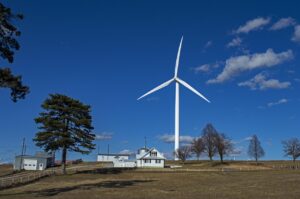
If you are considering a wind turbine for home use, the first question is not which blade shape looks better. The real question is whether your site has clean wind, enough room, and a power target that small wind can meet. U.S. Department of Energy WINDExchange guidance says small wind turbine technology below 100 kW is the size most often used for homes, smaller farms, and similar sites. That covers a wide range, but in day-to-day projects, the better fit is usually a rural or semi-rural property, not a packed city lot.
Enough Open Land
Small wind needs open space around it. DOE guidance for grid-connected small wind points to at least 1 acre of land and an average annual wind speed of about 4.5 m/s, or 10 mph, as a practical starting point. If you have a barn, pasture, ridge, open coast, or large garden, you are already closer than many homeowners.

A Clean Wind Path
Wind that passes around trees, roofs, and nearby hills is not smooth. It can shake the turbine, reduce output, and put more wear on parts. A site on the windy side of a hill can perform very differently from a sheltered corner of the same property. In many home wind jobs, that small site detail decides whether the system is worth installing.
A Power Goal That Fits Wind
A home turbine can reduce your bill, support an off-grid cabin, charge batteries, or work beside solar. It should not be treated like a simple plug-in appliance that solves every load problem. If your goal is full home coverage, start with your yearly kWh use, not the rated power shown on a product page.
How Much Wind Do You Need?
Wind is not only about one windy afternoon when trash cans blow over. You need a steady annual resource at the height where the rotor will run. That is why a site check should come before deposit, shipping, or installation work.
Average Wind Speed at Hub Height
DOE WINDExchange maps note that areas with good exposure and annual average wind speeds around 4 m/s or higher at 30 m can be worth checking for small wind. For grid-connected home systems, DOE lists 4.5 m/s as a more useful marker. The gap looks small on paper, but turbine output rises quickly when wind speed increases.
Turbulence Around Trees and Roofs
The DOE Small Wind Guidebook warns that turbulence can cut annual energy estimates by 15% to 25% at typical small wind sites. That is a large loss when you are doing payback math. A turbine that looks fine in a brochure may still disappoint if it sits behind mature trees or in roof wake. The machine needs clean air, not just a windy-looking place.
Seasonal Wind Patterns
Some sites are windy in winter and quiet in summer. That pattern can still be useful if your heating, lighting, or battery demand is higher in winter. The Energy Saving Trust field trial in the UK recommended measuring local wind, where possible, before purchase. Three months of anemometer data is better than guessing, and a full year gives a better picture.
What Size Wind Turbine Should You Choose for a House?
For homes, sizing depends on load, wind resource, tower height, budget, and local rules. Bigger is not always the right answer. A unit that is too small may not do much, while a unit that is too large can bring permit issues and higher service costs.
Your Annual Electricity Use
The U.S. Energy Information Administration says the average U.S. household uses about 10,500 kWh of electricity per year, based on its Energy Explained page last updated December 18, 2023. Your home may use much less or much more. A heat pump, EV charger, pool pump, or electric water heater can change the numbers quickly.
Rotor Diameter before Rated Power
Rated power is measured at a set wind speed, often above the average wind speed at a home site. Rotor diameter is often a better clue because it shows how much air the turbine can capture. A 5 kW turbine with a larger swept area may beat a high-rated unit with a smaller rotor in moderate wind.
Grid-Tied, Off-Grid, and Hybrid Loads
Grid-tied systems use an inverter and send extra power to the utility when local rules allow it. Off-grid systems need batteries and charge control. Hybrid wind and solar can make sense because windy nights and cloudy seasons sometimes cover the weak points of solar. It does not work at every site, but it is worth checking before final sizing.
How Much Does a Home Wind Turbine Cost?
The cost question needs a clear answer, not a sales number. Home wind can work well, but it usually has more site work than rooftop solar. Towers, foundations, wire runs, trenching, interconnection, and permits all affect the final bill.
Equipment, Tower, and Balance of System
DOE WINDExchange reports that the capacity-weighted average cost of small wind projects installed in 2021 was $5,120 per kW, based on 16 projects in three states with 396 kW combined capacity. Another DOE economics page lists distributed wind at about $7,850 per kW for small systems. These figures are not retail quotes for your property, but they help keep early budgets realistic.
Installation and Interconnection Costs
A tower can need as much planning as the turbine itself. You may need a concrete foundation, a crane or tilt-up tower, buried cable, a disconnect switch, and utility approval. In remote areas, wind may also help avoid long power-line extensions. DOE notes that utility extension costs can be high, sometimes tens of thousands of dollars per mile.
Payback Math with Real Rates
Use your local electricity price, expected annual kWh, maintenance allowance, and any export credit. Do not use utility-scale wind numbers for a one-house project. IRENA reported a global weighted average utility-scale onshore wind cost of $0.034/kWh in its Renewable Power Generation Costs in 2024 report, but a one-house turbine is a different machine. It has different labor, tower, and service costs.
Should You Use a Rooftop or Pole-Mounted Turbine?
Rooftop turbines get attention because they look simple. For many homes, a pole-mounted turbine in open air is the more serious option. The plain job of getting above bad air is where most of the power comes from. See also: clean energy.
Rooftop Turbulence and Vibration
DOE says rooftop wind resources sit in more turbulence, which can reduce production and shorten turbine life. It also notes that turbines transmit vibration to the structure. That can create noise inside the building. A low-cost rooftop unit that barely produces power is not low-cost for long.
Tower Height and Clearances
DOE guidance gives a common rule: place the bottom of the rotor blades at least 30 feet, or 9 m, above obstacles within 300 feet, or 90 m. Its siting advice also tells buyers to think about buildings and trees within a wider 500-foot radius. Clear air matters because turbulence cuts output and increases stress on the turbine.
Small Parcel Limits
If your parcel is small, a tower may conflict with setbacks, neighbors, or guy-wire space. Guyed towers can cost less, but they need a wide footprint. Tilt-down towers make maintenance easier, yet they still need enough room to lower safely. A tape measure at the start can prevent a painful redesign later.
What Should You Check before You Buy?
Good small wind projects often look plain at the planning stage. They have wind data, a permit path, a service plan, and realistic economics. Weak projects usually jump straight to buying hardware.
Permits, Neighbors, and Noise
Check zoning, tower height limits, setbacks, sound rules, and utility interconnection before placing an order. Ask the local authority how wind towers are classified in your area. A neighbor who supports clean energy may still dislike shadow flicker near a bedroom window. It is better to talk early than handle complaints after the tower is up.
Certification and Warranty
DOE recommends buying turbines certified for safety, performance, and reliability under recognized standards. Ask for a power curve, acoustic data, survival wind rating, warranty terms, and installed references in similar wind conditions. A real reference site is more useful than a polished showroom video. If the supplier cannot provide one, ask more questions before paying.
Maintenance Access and Spare Parts
Blades, bearings, controllers, inverters, and brake systems all need attention over time. Before purchase, it is worth checking the service route and parts supply, not only the turbine price.
- Whether the tower can be lowered or safely climbed.
- Who stocks spare parts in your region.
- How often inspection and bolt checks are required.
- What happens after the warranty ends.
In the United States, incentive rules have also shifted. The IRS Residential Clean Energy Credit page published in July 2026 lists a 30% credit for qualified new clean energy property installed from 2022 through December 31, 2025, including wind. A 2026 buyer should verify the current tax treatment before counting any credit in payback math.
FAQ
Q1: Can a Small Wind Turbine Power an Entire Home? A: Yes, but only with enough wind, proper tower height, and the right turbine size. Many systems offset part of a bill rather than cover every load.
Q2: Is a Rooftop Wind Turbine Worth It? A: Usually not for serious output. Rooftops create turbulence and vibration, so a pole-mounted turbine in open air is often the better choice.
Q3: What Wind Speed Is Good for a Home Turbine? A: DOE guidance points to about 4.5 m/s, or 10 mph, average annual wind speed for many grid-connected small wind sites.
Q4: Do You Need Batteries with a Home Wind Turbine? A: Grid-tied systems may not need batteries. Off-grid homes and backup power systems usually need battery storage and charge control.
Q5: What Is the Biggest Mistake When Buying Home Wind? A: Buying before checking the site. Wind speed, tower clearance, permits, and interconnection rules should come before choosing the turbine model.