
What Are Solar Generators and How Do They Work?
Solar generators are portable power systems. They store electricity in a battery and recharge from solar panels, wall outlets, or in some cases a vehicle socket. If you are comparing solar energy solutions for backup power, camping, RV use, or light off-grid work, they fill a clear gap. They are quieter than a fuel generator and easier to use indoors, but they cannot do the same job as a full home battery system. The right choice is not always the largest unit on the shelf. You need enough battery capacity, enough output power, and solar panels that can recharge the unit in your local weather.
The Battery Stores Usable Energy
The battery is measured in watt hours, usually shown as Wh. A 1,000Wh unit can run a 100W load for about 10 hours before losses in simple calculation. Real runtime is lower because the inverter, cooling fan, cold weather, and battery protection all use part of the power. For planning, many buyers use 80% to 90% of the listed capacity as the working number.
Battery prices have come down a lot, so compact solar generators are now common in the market. The International Energy Agency reported in 2024 that lithium-ion battery prices dropped from about USD 1,400 per kWh in 2010 to less than USD 140 per kWh in 2023. This public data helps explain why portable power stations with useful capacity are now seen in homes, trucks, workshops, and field projects.
The Panels Refill It During Daylight
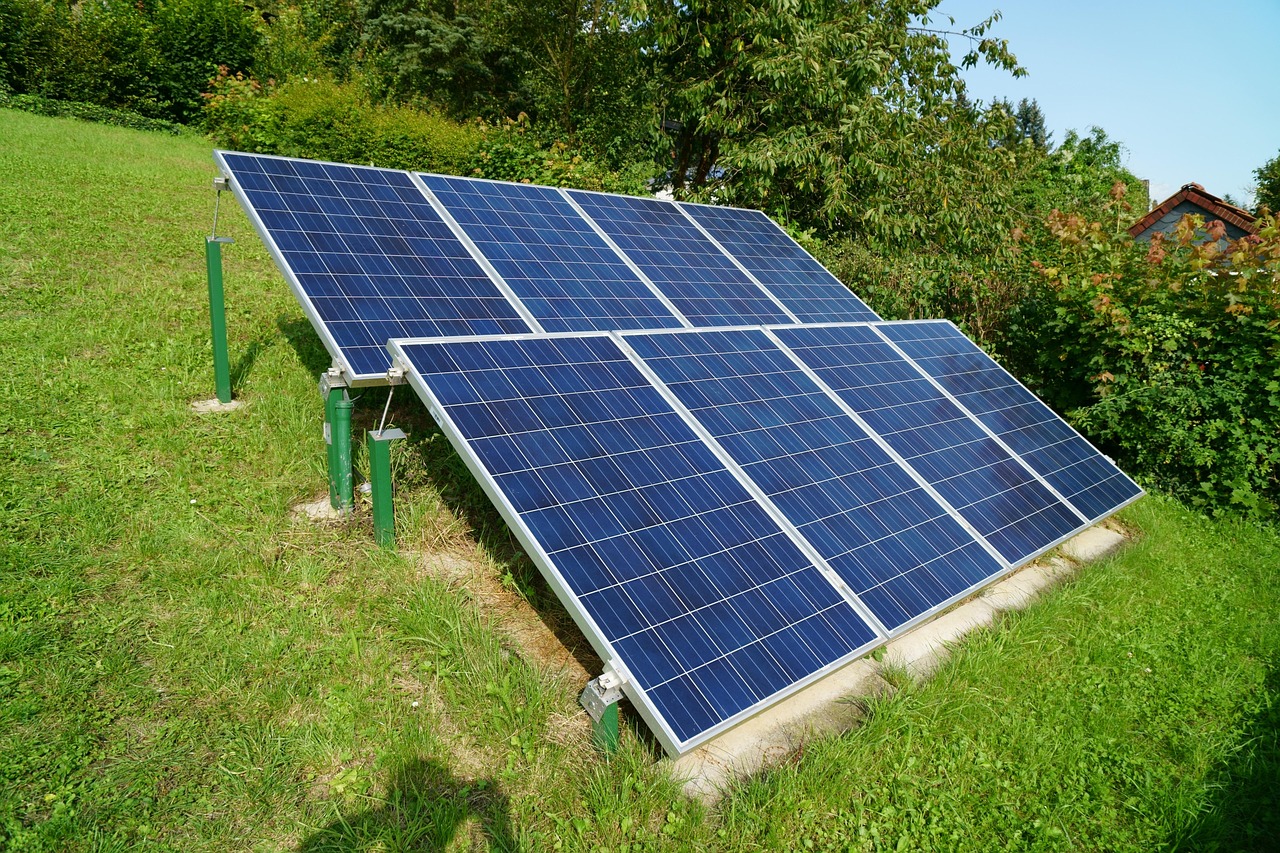
Solar panels send DC power into the unit through a charge controller. A 200W panel will not produce 200W from morning to evening. Dust, heat, shade, panel angle, and clouds all reduce output. In good sun, a 200W panel may put back 600Wh to 900Wh in one day, but in winter or rain the result can be far lower. This is why solar input should be checked together with battery capacity.
The Inverter Runs Everyday AC Loads
The inverter changes battery power into AC power for devices such as laptops, small refrigerators, lights, routers, and camera chargers. Buyers need to check continuous watts and surge watts, not just battery size. A fridge may run at 120W but need a higher startup surge. If the inverter is too small, the generator may shut down even when the battery still has charge left.
Are Solar Generators Worth It for Home Backup?
Solar generators are worth considering when backup power means keeping key loads running, not running the full house as if the grid is still on. They can support communication, lighting, medical accessories, food storage, and small electronics. They are not the best fit for whole-house air conditioning, electric ovens, large well pumps, or long electric heating loads unless the system is sized much larger.
Outage Data Makes Backup Practical
Grid reliability is not only a storm-season concern. The U.S. Energy Information Administration stated in December 2025 that electricity customers in the United States averaged about 11 hours of interruptions in 2024, the highest level in a decade, mainly due to hurricanes. This does not mean every home needs a large battery. It does give homeowners and small businesses a clear reason to plan for several hours or a few days of essential power.
Electricity prices also make energy planning easier to justify. EIA Electric Power Annual 2024 data lists the average U.S. residential electricity price at 16.48 cents per kWh in 2024. A portable solar generator will not cut the bill by itself in a major way. It can still reduce generator fuel use and help cover small daily loads where there is usable sunlight.
Critical Loads Come First
A useful backup list starts with small loads. For most homes, that means a router, phone, LED lights, refrigerator, fan, CPAP machine if allowed by the device maker, and a few tool batteries. A 10W LED light for 6 hours uses only 60Wh, while a 60W laptop for 4 hours uses 240Wh. A fridge may use around 1,000Wh to 2,000Wh per day depending on age, room temperature, and door openings. Writing this list is not exciting, but it stops buyers from paying for capacity they do not need.
Backup Duration Depends on Load Discipline
Lawrence Berkeley National Laboratory published a 2026 solar-plus-storage backup study using NREL ResStock load modeling. The study covered 10 U.S. locations, about 1,000 modeled homes per location, and 3-day outages. One useful point from the study is that limited critical loads without heating and cooling needed less than 15kWh of battery storage across all locations. For buyers, the message is simple: a compact unit can help, but HVAC backup increases system size and cost very quickly.
How Big Should Your Solar Generator Be?
Sizing is where many wrong purchases happen. Some buyers choose by brand, some choose by discount, and some choose the largest number printed on the case. A better way is to list the devices, write down their watt draw, estimate daily use time, and add a margin. It is a plain method, but it works.
Start With Watt Hours
Use this formula: device watts multiplied by hours equals watt hours. If a router uses 12W for 24 hours, it needs 288Wh. If a fan uses 45W for 8 hours, it needs 360Wh. Add the loads together, then add 15% to 25% for losses. For a weekend camp setup with lights, phones, a laptop, and a small cooler, 500Wh to 1,000Wh may be enough. For home outage support with a fridge and several small loads, 1,500Wh to 3,000Wh is usually more realistic.
Check Running Watts and Surge Watts
Running watts show the normal power draw. Surge watts show the short startup spike. Motors, compressors, and pumps need extra attention because their startup load can be much higher than their running load. If a small refrigerator surges to 800W and the inverter only supports 600W peak, the setup will fail at the wrong time. Choose a model with enough surge rating for any motor load you plan to use.
Match Solar Input to Real Sun Hours
Solar input controls how fast the unit can recharge. A 2,000Wh battery with only 100W of panels may need several sunny days to recover. A more balanced kit might pair 1,000Wh with 200W to 400W of panels, or 2,000Wh with 400W to 800W. Check the unit’s maximum solar input voltage and wattage before buying panels. Do not assume every panel connector fits every power station.
Which Battery and Inverter Specs Matter Most?
The best solar generators are not always the ones with the largest capacity. Battery chemistry, inverter quality, charging speed, safety certifications, and expansion options all affect daily use. This matters more for trade buyers, installers, and distributors because unclear specs can lead to returns and support calls.
LFP Batteries for Long Cycle Life
Lithium iron phosphate, often called LFP or LiFePO4, is widely used because it supports many charge cycles and has good thermal stability compared with older lithium chemistries. It is usually heavier than some other battery options, but for home backup, RV power, and jobsite use, that weight tradeoff is often acceptable. If the product is carried by hand every day, the handle design also matters. A strong battery still creates complaints if it is awkward to lift.
Pure Sine Wave Output for Sensitive Devices
A pure sine wave inverter is the safer choice for laptops, routers, medical accessories, camera chargers, and modern appliances with electronics. Modified sine wave output can run some basic tools, but it may cause heat, noise, or poor performance in sensitive loads. For a professional product page, pure sine wave output should be stated clearly. Many buyers search for this spec before they compare price. See also: clean energy.
MPPT Charging and Expandable Capacity
MPPT charging helps the system take better power from solar panels when sunlight changes. Expandable battery capacity is also useful when a buyer starts with a smaller kit and later needs longer runtime. Check whether extra batteries are hot-swappable, whether they need a special cable, and whether the warranty covers mixed old and new packs. These details look small at the quotation stage, but they reduce trouble after delivery.
How Do Solar Generators Compare With Gas Generators?
Gas generators still have their place. They can run heavy loads and can be refueled quickly if fuel is available. Solar generators are better for quiet use, indoor battery operation, lower maintenance, and no exhaust at the point of use. The better option depends on the load, location, runtime, and safety requirements.
Noise and Indoor Air Risks
A solar generator battery unit can run indoors because it does not burn fuel and has no combustion exhaust. Gas generators cannot be used this way. The U.S. Environmental Protection Agency warns that carbon monoxide from portable generators can cause serious harm or death if used indoors or too close to openings. This point is important during storms, when users may move equipment into a garage, porch, or hallway for convenience.
Fuel Storage vs Sunlight
Gasoline stores a lot of energy, but it ages, smells, and needs careful handling. EIA public energy information states that burning one gallon of gasoline produces about 19 pounds of carbon dioxide. Solar charging is slower, but sunlight does not require a fuel run after a storm. For quiet cabins, emergency kits, telecom boxes, and field electronics, that can be a real operating advantage.
Best Choice by Scenario
Choose solar generators for phones, routers, LED lights, laptops, mini fridges, cameras, small medical accessories, and light tools. Choose a gas generator or a hybrid plan for large HVAC, deep well pumps, welders, and long high-power loads. Many practical backup plans use both. Solar covers quiet daily essentials, while fuel is kept for short periods when heavy loads must run.
What Should You Check Before Buying Solar Generators?
Good buying decisions come from clear specs, not large marketing numbers. For importers, distributors, and installers, the product also has to be easy to explain. If a customer cannot understand how long it will run a fridge or how many panels it accepts, the sales page needs to be improved.
Product Labels and Real Capacity
Check rated capacity, usable capacity, AC output, DC output, solar input, battery chemistry, operating temperature, and certifications. If a unit says 2,000Wh, ask whether that number is nominal battery capacity or usable output after inverter losses. Clear labels help buyers compare suppliers without guessing. They also build trust with cross-border customers who may be reviewing several quotes at the same time.
Port Mix and Charging Speed
Look for the ports your loads actually need: AC outlets, USB-C PD, USB-A, 12V car socket, DC5521, Anderson, or aviation-style solar input. Fast wall charging is useful before a storm, while fast solar charging matters more off grid. A unit that charges from 0% to 80% in a few hours can be more useful than a larger unit that needs all day to refill. Port layout also matters because thick plugs and adapters can block nearby sockets.
Supplier Support and Warranty
Battery products need after-sales support. Check warranty length, spare cable availability, replacement battery policy, firmware update method, and local service options. Also ask for test reports, packaging drop-test information, and shipping guidance for lithium batteries. These documents may look routine, but they are often the difference between a smooth business order and a long problem case.
FAQ
Q1: Are Solar Generators Good for Whole House Backup? A: Small and mid-size solar generators are better for essential loads, not whole-house backup. For full-home power, you usually need a larger battery system, transfer equipment, and professional electrical design.
Q2: How Long Will a 1,000Wh Solar Generator Run a Refrigerator? A: It depends on the fridge, room temperature, and startup surge. Many refrigerators use about 1,000Wh to 2,000Wh per day, so a 1,000Wh unit may run one for part of a day rather than several days.
Q3: Can You Use Solar Generators While Charging? A: Many models support pass-through charging, but the rules vary. Check the manual because long-term high-load pass-through use can create heat and may affect battery life.
Q4: How Many Solar Panels Do You Need? A: Match panels to the battery size and solar input limit. A 1,000Wh unit often pairs well with 200W to 400W of panels, while a 2,000Wh unit may need 400W to 800W for faster daily recovery.
Q5: Are Solar Generators Safer Than Gas Generators? A: For indoor battery use, yes, because they do not burn fuel or release exhaust. Still, you should follow charging rules, keep vents clear, avoid water exposure, and use compatible panels and cables.