

Interest in wind power for homes often starts with a simple question from landowners: if the wind is already crossing the property, can it be turned into useful electricity? The straight answer is yes, but only when the site is suitable. A small turbine needs clean wind, enough land, a tower with proper height, and local rules that allow this kind of installation.
This guide looks at residential wind from a buyer’s point of view, not from a sales sheet. It refers to public information from the U.S. Department of Energy, the U.S. Energy Information Administration, Pacific Northwest National Laboratory, and the IRS, with source names kept in the text rather than added as extra links.
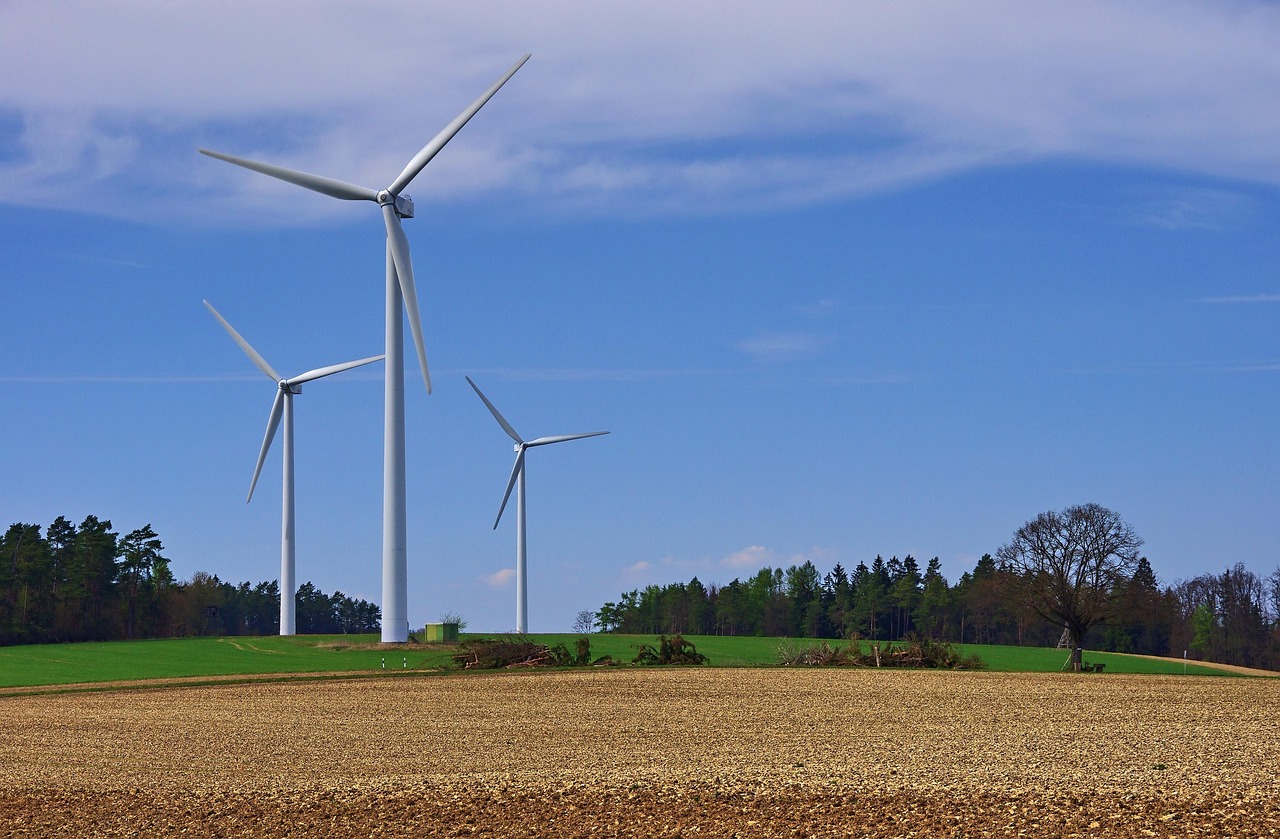
Is Wind Power for Homes a Real Option for Your Property?
Home wind is not just an old farm idea. Small wind systems today can charge batteries, reduce grid power use, or supply remote homes where utility line extension is too costly. Even so, the site matters more than the turbine model. That single point decides most of the result.
Best Fit for Rural and Open Sites
The U.S. Department of Energy WINDExchange says small wind turbine technology, usually below 100 kW, is often used at homes, farms, and small commercial sites. Its homeowner guidance says a good candidate often has at least 1 acre of land and annual average wind speeds near 4 meters per second, or 9 mph, at turbine height. This does not mean every 1-acre property is suitable. It means there may be enough room for safe setbacks and a better chance of steady airflow.
Poor Fit for Dense Suburbs
A short turbine behind a garage and close to trees will usually perform poorly. Buildings and tree lines break up the wind, and small rotors do not handle turbulence well. In many suburban areas, zoning height limits, noise rules, and neighbor objections can also stop the job before a foundation quote is prepared. If the lot has tall houses nearby and large trees along the fence, solar is often the easier choice.
Useful Role in Hybrid Power
Wind can be useful when it covers times that solar does not cover well. In many windy areas, wind output can be better at night or during colder months. That makes a home turbine worth considering in a solar-plus-battery system, especially for cabins, ranch houses, telecom loads, water pumping, or small farms. In many projects, the goal is not to replace every kilowatt-hour, but to make local power supply more steady.
How Much Wind Does a Home Turbine Need?
Wind speed is the first number to check, but it is not the only one. A porch that feels breezy may still be weak at turbine height. The better question is not “Does it feel windy?” It is “What is the annual average wind speed where the rotor will actually sit?”
The 9 mph Starting Point
The U.S. Energy Information Administration says good locations for small wind turbines generally have annual average wind speeds of at least 9 mph, or 4.0 meters per second. Treat that as a starting point, not a guarantee. A site averaging 11 or 12 mph at hub height can produce much more energy than a site near 9 mph because wind power rises quickly as wind speed increases. A small change in the wind report can turn into a large change on the power bill.
Tower Height and Clean Airflow
The DOE Small Wind Guidebook gives a common rule: the bottom of the rotor blades should be at least 30 feet above any obstacle within 300 feet of the tower. This may sound strict, but it comes from field experience. A taller tower costs more, but it may be the part that makes the turbine worth installing. Cutting tower height to save money is often the wrong place to reduce the budget.
A One-Year Site Check
Modeled wind maps are useful for early screening, but they are not the same as measurement on the property. The DOE notes that terrain, trees, buildings, and local air conditions can make wind speed differ from map estimates. For a serious project, ask for a site assessment or measured data near the planned hub height. A full year of data is best when the budget allows it, because winter and summer wind patterns can be very different.
What Size Wind Turbine Can Power a House?
Sizing should start with your actual energy use, not with the largest watt rating in a brochure. Nameplate power is measured under a set wind condition. Real annual energy production depends on wind at the site, turbine availability, tower height, rotor diameter, and maintenance.
Your Annual kWh Baseline
The U.S. Energy Information Administration reported that monthly electricity use per U.S. residential customer averaged 861 kWh in 2023. That is about 10,332 kWh per year. A smaller efficient home may use much less, while a large all-electric home with heat pumps, EV charging, and well pumps may use much more. Before selecting equipment, collect 12 months of bills and list the largest loads.
Rotor Size Before Nameplate Watts
For small wind, rotor swept area often tells you more than a high watt rating. A larger rotor captures more moving air. A turbine rated at 5 kW in strong wind may deliver only modest annual energy at a light-wind site. Ask the supplier for an annual energy estimate based on your site’s average wind speed, not only the rated output number.
Grid-Tied vs Off-Grid Loads
A grid-tied turbine can reduce purchased electricity and may export extra power when local net metering rules allow it. An off-grid turbine needs a charge controller, dump load, batteries, inverter, and usually a backup generator. Off-grid design should cover critical loads first, such as refrigeration, water, lights, communications, and heating controls. Trying to run every household load from a small turbine can become expensive quickly.
How Much Does a Residential Wind System Cost?
Small wind costs vary more than rooftop solar costs because each site has different tower, foundation, trenching, crane, and permit needs. A windy hill with easy access is not the same job as a rocky ridge at the end of a long driveway.
Installed Cost per Kilowatt
The DOE consumer guide for small wind has often cited installed cost ranges around $5,000 to $10,000 per kW. Pacific Northwest National Laboratory’s Distributed Wind Market Report 2024 gives a more recent project-data view. For new small wind projects installed in 2023 with reported costs, the average capacity-weighted installed cost was $7,370 per kW, based on five projects totaling 131.2 kW. The same report shows the 2014 to 2023 average for new small wind projects at $11,410 per kW, so site and project details still affect pricing in a large way.
Permits, Towers, and Electrical Work
The turbine is only one part of the quote. Your price may include geotechnical review, tower kit, foundation steel, concrete, crane rental, trenching, disconnects, inverter, utility interconnection, inspection fees, and travel. In remote areas, transport and service visits can add real cost. Ask for a full installed price, not a “turbine only” price that looks good until the site work is added. See also: clean energy.
Payback That Depends on Wind
Payback can be reasonable in places with strong wind, high electricity prices, and useful incentives. It can also be longer than the equipment life on weak-wind sites. PNNL reported that a 2023 sample of 100 small wind projects had an average net capacity factor of 13%, with wide variation. That number is a useful warning: the same turbine can perform very differently from one property to another. Run the numbers with cautious production, real utility rates, and a maintenance allowance.
What Permits and Safety Details Matter Most?
A residential turbine is a rotating machine on a tall structure. It should be treated as permanent infrastructure, not as a backyard device. Paperwork can feel slow, but it prevents costly problems later.
Zoning and Setback Rules
Local governments may control tower height, property-line setbacks, sound, fall zones, visual impact, and electrical permits. Some counties are familiar with small wind, while others have no clear process. That can slow the project and add extra steps. Before paying a deposit, check with the planning office and ask whether a conditional use permit is needed.
Certified Equipment and Service Access
Choose equipment with credible performance data and a service path in your region. A cheap turbine with no parts support can become unusable after the first controller failure. Also check how the tower is lowered or serviced. Tilt-up towers can make maintenance easier on smaller systems, while lattice or monopole towers may require climbing gear or a lift.
Noise, Neighbors, and Wildlife
Modern small turbines are not always loud, but poor siting can make sound and vibration easier to notice. Keep the tower away from bedrooms, property lines, and turbulent air. Wildlife risk is usually lower for a single small turbine than for large wind farms, but the site still needs care. This is especially true near known bird corridors or sensitive habitats.
Should You Choose Wind, Solar, or a Hybrid System?
For many homes, the real decision is not a simple wind versus solar argument. It is a site-fit decision. The right system is the one your land, weather, budget, and local rules can support for years without constant service problems.
Wind for Night and Winter Output
Wind is worth checking when your property has open exposure, strong seasonal wind, and few obstructions. It can help when solar output drops in winter or after sunset. For rural homes with high winter loads, that timing can matter. The main point is to match the turbine to a site where wind is actually available.
Solar for Simple Roof Sites
Solar is often easier in suburbs because panels have no tower, fewer moving parts, and simpler permitting in many areas. If your land is sheltered but your roof has clear sun, solar may be the better purchase. There is nothing wrong with that choice. Good energy planning should follow the site, not personal preference for one technology.
Battery Backup for Critical Loads
Batteries do not create energy, but they make wind and solar more useful during outages and low-production hours. For off-grid homes, storage is essential. For grid-tied homes, a smaller battery sized for critical loads may offer better value than backing up every appliance. This approach also keeps system cost easier to control.
FAQ
Q1: Can a Small Wind Turbine Power an Entire Home? A: Yes, it can in a strong wind site with the right turbine, tower, and storage or grid connection. Many systems are designed to offset part of annual use instead of covering every load.
Q2: Is Residential Wind Better Than Solar? A: It depends on the site. Wind can be better on open rural land with strong average wind, while solar is usually easier for houses with clear roof space and weaker wind.
Q3: How Much Land Do You Need for a Home Wind Turbine? A: DOE guidance often points to at least 1 acre for systems that provide a meaningful share of home electricity, mainly because of setbacks, tower height, and clean airflow needs.
Q4: Are Federal Tax Credits Still Available in 2026? A: As of July 2026, IRS guidance says the Residential Clean Energy Credit under Section 25D is not allowed for expenditures made after December 31, 2025. State, utility, or rural business programs may still differ, so check local rules before setting the budget.
Q5: What Is the Biggest Mistake When Buying Home Wind? A: The biggest mistake is buying a turbine before checking real wind speed, tower rules, service access, and total installed cost. The site should guide the purchase from the start.