
Why Does Wind Technology Matter for Buyers in 2026?
If you buy, sell, or plan clean power systems, wind technology is no longer only a tower with three blades. It now includes site data, turbine design, power electronics, forecasting, service planning, grid fit, and project finance. The right choice is not always the largest turbine in the brochure. It is the package that gives stable output, fewer shutdowns, and a return that works at your site.
Market Growth You Can Measure
The market signal is clear enough. IRENA reported in its Renewable Capacity Statistics 2026 that renewable power reached 49% of global installed power capacity by the end of 2025, and 159 GW of wind energy was added during 2025.
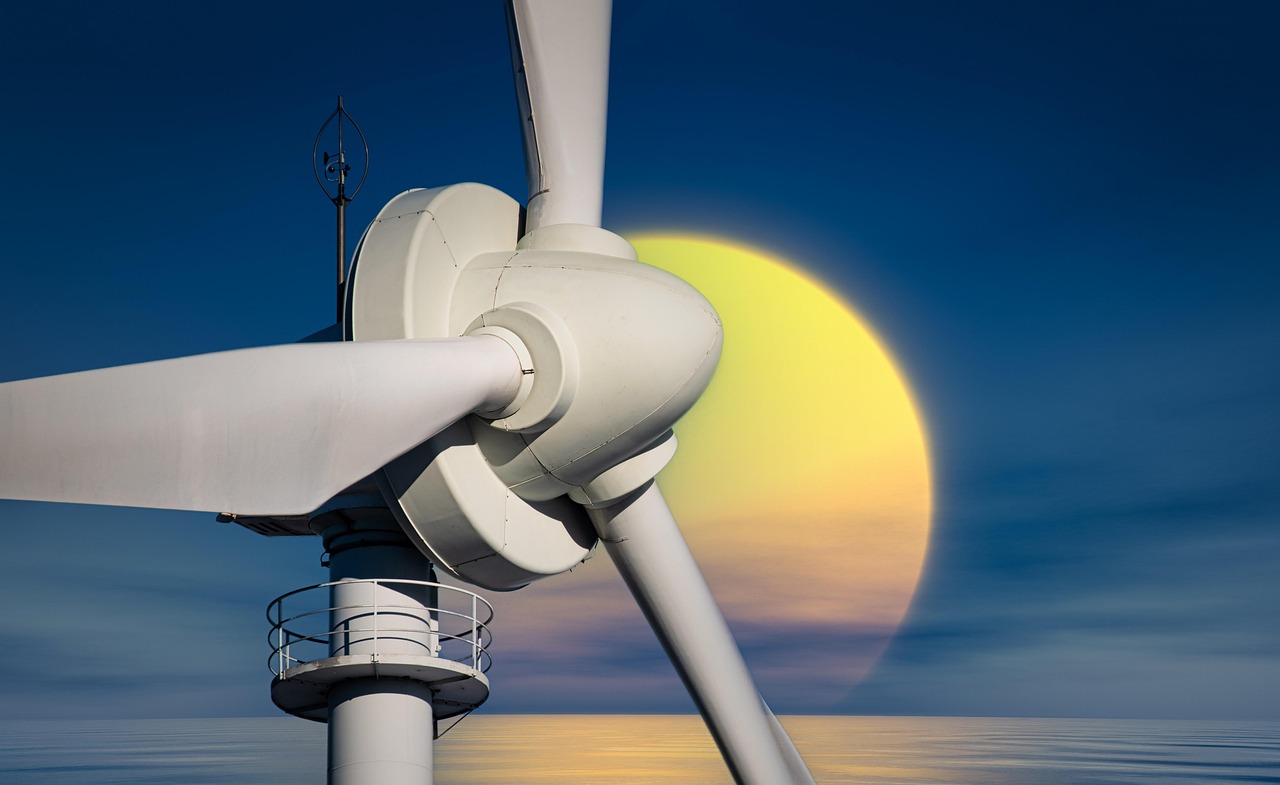
This is no longer a side market. Ports, crane fleets, blade factories, grid engineers, and O&M teams are all being pulled into a wider wind supply chain. For buyers, more scale can mean more choice, but it can also mean longer waiting times. Order planning matters, especially when vessels, cranes, or transformers are tight. (irena.org)
Cost Pressure That Still Favors Onshore Wind
Wind projects still deal with steel prices, higher interest rates in some markets, and slow grid connection work. Even with those issues, Lazard’s June 2025 LCOE+ report found that utility-scale solar and onshore wind remained the lowest-cost new-build generation sources in the U.S. on an unsubsidized basis.
That does not mean every wind farm will be cheap. A weak wind site with long transmission work can quickly lose its edge. But when the wind resource is solid and the grid route is practical, onshore wind is still a strong tool for power buyers. (lazard.com)
A Practical Fit for Industrial Power Plans
Factories, mining sites, data centers, ports, and utilities all look at wind for different reasons. Some want lower energy costs, some need carbon reporting, and some need power after sunset when solar output falls.
Wind can perform well in evening and winter periods, depending on the region. That makes it useful in hybrid renewable systems. It still needs proper work before buying, including grid studies, met mast or LiDAR data, and a maintenance plan that will not be forgotten after commissioning.
Which Turbine Design Changes Are Moving the Market?
Modern turbine design is a trade-off between energy capture and what can actually be built. Larger rotors collect more wind, taller towers reach better wind, and better controls reduce loads. Roads, bridges, ports, cranes, and local rules still set real limits. Good engineering is not just chasing size. It means matching turbine geometry to wind speed, turbulence, soil, logistics, and the project’s revenue model.
Larger Rotors and Taller Towers
The U.S. Department of Energy’s 2024 Land-Based Wind Market Report said newly installed U.S. turbines in 2023 averaged 3.4 MW in nameplate capacity, 133.8 meters in rotor diameter, and 103.4 meters in hub height. The same report noted rotor diameter was 178% higher than in 1998 to 1999.
The reason is swept area. Longer blades move through more air, so the turbine can collect more energy from the same wind field. Bigger machines are not always easy to move or install, but the energy gain is real when the site and logistics support it. (energy.gov)
Lower Specific Power for Moderate Wind Sites
Specific power means turbine rating divided by rotor swept area. Lower specific power machines use larger rotors for their generator size, which can help in moderate wind areas.
NREL’s 2024 Annual Technology Baseline lists land-based turbine configurations with 170 meter and 196 meter rotor options, plus hub heights up to 140 meters in representative cases. For buyers, the point is simple: a site with average wind may still work if the turbine is designed to capture more operating hours, not only peak output. (atb.nrel.gov)
Stronger Blades and Transport Choices
Blade design can decide whether a project stays practical. A longer blade has to handle bending, lightning, leading-edge erosion, temperature changes, and damage during transport.
In some regions, split blades or modular logistics can reduce road upgrade work. In other places, standard blades keep the cost lower and make service easier. When a supplier offers a very large rotor, ask how it will arrive, where it will be stored, what crane class is needed, and how leading edges will be repaired after several storm seasons.
How Do Digital Controls Make Wind Farms More Reliable?
Digital systems cannot turn a poor wind site into a good one, but they can help a wind farm use the wind it has. Sensors, SCADA data, power curves, yaw control, pitch control, and weather forecasts now sit close to daily production work. The useful question is not whether the software sounds new. The useful question is whether it cuts losses, spots faults early, and helps the plant meet grid requirements.
Wake Steering and Smarter Yaw Control
In a wind farm, the front-row turbines slow the wind behind them. That disturbed air is called wake, and it can reduce output while adding load to downstream machines.
Wake steering uses yaw control to move the wake slightly away from other turbines. A 1% to 3% annual energy gain may look small on paper, but it matters on a 200 MW project. It still needs careful testing, because too much yaw misalignment can add stress and create service problems later.
Condition Monitoring for Bearings and Gearboxes
Gearboxes, main bearings, generators, converters, and blade pitch systems usually show warning signs before many failures. Vibration signals, oil particles, temperature changes, and power quality data can show when a part is moving away from normal condition.
This helps the owner plan service before a crane call becomes urgent. It also protects revenue during windy months. From the field side, technicians prefer clear alarms and clear actions, not dashboards with 200 blinking charts and no decision path.
Forecasting That Helps Grid Operators
Wind forecasting connects weather models with site data, so grid operators can plan reserves and dispatch. It can also help a project bid into power markets with less risk.
For hybrid plants, forecasting tells batteries when to charge and when to hold capacity for ramp events. It is not perfect, especially during storms or fast-moving fronts, but it is far better than guessing from yesterday’s weather. Buyers should ask how forecast errors are measured, reported, and used in operation.
What Should You Know About Onshore vs Offshore Wind Technology?
Onshore and offshore wind follow the same basic physics, but the project work feels very different. Onshore projects usually have an advantage in speed, access, and cost. Offshore projects can offer larger scale, stronger wind, and less land-use pressure. The right option depends on grid location, permitting, seabed or land conditions, port access, community views, and nearby power demand. See also: clean energy.
Onshore Wind for Faster Project Delivery
Onshore wind is usually easier to build and service. Roads can still be difficult, but technicians can drive to the site, and parts can often be staged nearby.
Grid upgrades may still take years, but the main construction process is familiar in many countries. If the goal is a faster renewable power addition, onshore wind often ranks high on the list. The main catch is local acceptance, so shadow flicker, sound, wildlife, and landscape concerns should be handled early and honestly.
Offshore Wind for High Energy Density
Offshore wind can use larger turbines and stronger, steadier wind resources. IEA’s Renewables 2025 analysis expects 140 GW of offshore wind capacity expansion during 2025 to 2030, more than double the growth of the previous five-year period, while onshore wind additions are forecast to reach 732 GW across the same period.
IEA also notes offshore challenges, including supply chain bottlenecks, cost pressure, and project bankability. Put simply, offshore wind has large potential, but it is not an easy shortcut. Buyers need to look closely at ports, vessels, cable supply, installation windows, and long-term maintenance access before making the case. (iea.org)
Hybrid Layouts With Storage and Grid Support
Hybrid layouts are more common now because wind plants rarely operate in isolation. A project may combine wind, solar, batteries, reactive power support, and advanced inverters.
The aim is smoother delivery to the grid and better use of the connection capacity. For an industrial buyer, this can mean fewer price spikes and better hourly matching. For a utility, it can mean fewer curtailment problems. The design work is more complex, but the power profile is often more useful.
How Can You Choose Better Wind Technology for a Project?
Choosing wind equipment is engineering, finance, and common sense in the same discussion. A clean turbine datasheet is only the starting point. Before signing, you need to test the site, study the grid, check supplier strength, and look at service support for the full operating life. Twenty years is a long time, and small procurement mistakes can become costly habits.
Site Data Before Equipment Choice
Start with wind measurement. A serious project needs bankable resource data from met masts, LiDAR, SoDAR, or a mix of tools, plus long-term correlation with nearby weather records.
Terrain matters, and so do turbulence, shear, extreme gusts, icing, dust, typhoons, salt spray, and access roads. The best turbine for a flat inland site may be a poor fit for a ridge, desert, forest edge, or coastal zone. Let the site data lead the equipment choice, not the other way around.
Grid Connection and Local Rules
Grid rules can shape turbine choice as much as wind speed does. Some grids require fault ride-through, reactive power control, voltage support, frequency response, and strict forecasting.
In weak grids, power electronics and plant controllers become important to project performance. Permitting rules also matter. Height limits, radar issues, wildlife buffers, setback rules, and noise standards can reduce the usable area. Check these items early, not after the turbine model has already been selected.
Supplier Checks Beyond the Turbine Price
A low turbine price can look attractive at tender stage, then lose value through downtime, slow spare parts, weak warranties, or poor field support. Ask for fleet data from similar wind regimes, service response times, blade repair history, converter failure rates, and local technician coverage.
Also check the balance of plant, including foundations, roads, substations, cables, and SCADA. The cheapest equipment package is not always the lowest-cost project. Many energy tenders have already taught buyers that lesson the hard way.
FAQ
Q1: What Is Wind Technology? A: Wind technology includes the turbines, blades, towers, generators, controls, sensors, software, foundations, substations, and grid systems used to turn wind into usable electricity.
Q2: Is Onshore Wind Still Competitive in 2026? A: Yes, in many markets. Public cost studies such as Lazard’s 2025 LCOE+ report show onshore wind remains highly competitive for new power generation, though each project still depends on wind resource, grid cost, financing, and local rules.
Q3: Why Are Wind Turbines Getting Bigger? A: Larger rotors sweep more air, and taller towers reach stronger winds. This can raise annual energy production, especially at moderate wind sites, but transport, crane access, and permitting can limit size.
Q4: Does Offshore Wind Beat Onshore Wind? A: Not always. Offshore wind can offer stronger wind and large project scale, but it usually needs higher capital spending, port support, vessels, subsea cables, and more complex maintenance. Onshore wind often remains faster and cheaper to build.
Q5: What Should You Check Before Buying Wind Equipment? A: Check site wind data, turbine fit, grid requirements, warranty terms, service network, spare parts supply, foundation needs, transport routes, and the supplier’s track record in similar conditions.