
Are Ford EVs Still a Smart Choice in 2026?
If you are comparing Ford EVs in 2026, the picture is not as simple as buying into a fast-growing all-electric lineup. Ford is in a shift period. The Mustang Mach-E is still the main retail electric Ford, E-Transit keeps a clear role for business users, and the F-150 Lightning is no longer available to order in its current form, based on Ford owner-support information updated in 2026. For more electric vehicle context, visit the EVs guide on Econergy.
The short answer is yes, Ford EVs can still be worth buying, but only when the vehicle matches the work you need it to do. A driver with home charging and a steady commute is in a different position from a contractor towing in cold weather. A city fleet manager will also look at the numbers in a different way. Public data shows the split well: Ford sold 84,113 electric vehicles in the United States in 2025 across three nameplates, according to Ford Motor Company sales results published in January 2026, but demand changed a lot after federal incentives ended.
The Lineup Is Smaller but More Focused
Ford’s electric lineup now mainly covers the 2026 Mustang Mach-E, the 2026 E-Transit for commercial users, and ownership support for existing F-150 Lightning units. Ford’s own 2026 model pages show the Mach-E and E-Transit as current electric choices, while the F-150 Lightning page says the truck is transforming and is no longer available in its current form. That does not mean Ford has walked away from EVs. It means buyers need to separate current models, leftover inventory, and future product talk before making a decision.
Market Demand Has Cooled After Incentives
Cox Automotive and Kelley Blue Book reported that 247,226 EVs were sold in the U.S. in Q2 2026, down 20.5% from Q2 2025, while EV share was about 5.8% of new-vehicle volume. That is a weaker market than 2025, when many buyers moved early because of tax-credit timing. For a buyer, this cuts both ways. Softer demand may help when negotiating price, but resale planning should be more careful than it was during the incentive rush.
Ford Still Has Brand Trust and Dealer Reach
Ford’s edge is not only the battery pack. It also comes from dealer coverage, truck-and-van experience, parts supply, and long fleet relationships. That matters when the vehicle is working every day, not just sitting at home for weekend errands. A nearby service bay that already understands Transit vans can be more useful than a slightly better charging number on a brochure.
Which Ford EV Fits Your Daily Use?
Choosing between Ford EVs should start with the route, not the badge. Look at daily miles, where the vehicle parks overnight, how often it carries load, and whether downtime costs you money. A good spec sheet cannot fix the wrong use case.
Mustang Mach-E for Family and Commuting
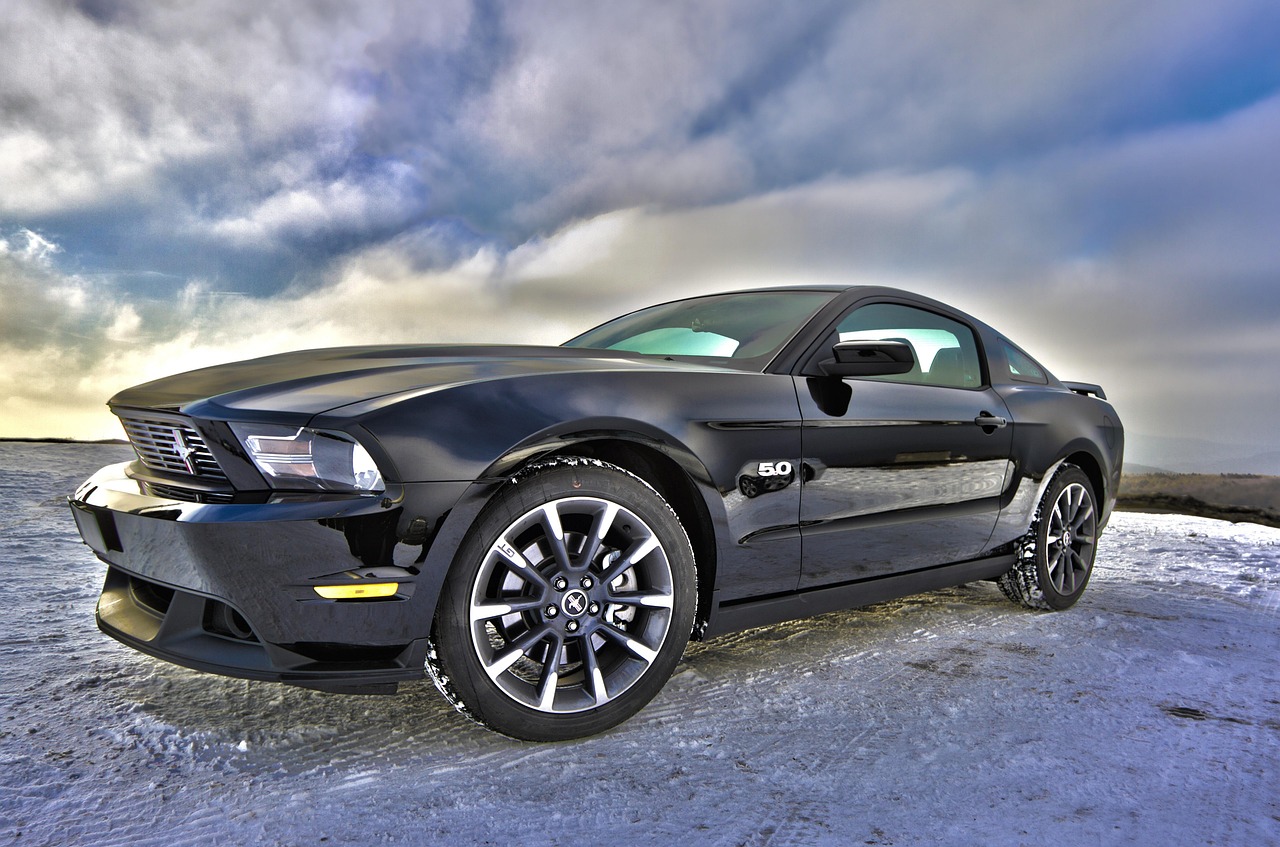
The 2026 Mustang Mach-E is the easiest Ford EV to place for most private buyers. Ford lists up to 320 miles of EPA-estimated range for the 2026 model, depending on trim and battery. Cox Automotive’s Q2 2026 EV report estimated 7,032 Mustang Mach-E sales in that quarter, making it Ford’s strongest EV by volume. It fits school runs, office commuting, regional driving, and buyers who want an EV without moving into a high-priced luxury model.
E-Transit for Urban Delivery Routes
E-Transit works best when the route is known before the van leaves the yard. Ford’s 2025 E-Transit data lists up to 159 miles of estimated range for the low-roof cargo van and notes that the average daily range for U.S. commercial vans is 74 miles. That point matters for real operators. A florist, parts distributor, municipal service team, or last-mile delivery route can return to base each night and charge at a depot, which is a much better fit than random highway work.
Remaining F-150 Lightning Stock for Specific Buyers
The F-150 Lightning now needs a closer look before purchase. Ford says ordering in its current form has ended, while support for existing owners remains unchanged, including battery warranty coverage. Associated Press reporting in December 2025 said Ford would stop making the fully electric F-150 Lightning and shift toward an extended-range version. If you see remaining stock or a used unit, check price, warranty start date, software update status, and local EV-certified service before treating the discount as a bargain.
How Far Can Ford EVs Really Go?
Range numbers help with planning, but they are not a promise for every cold morning or loaded trip. EV range changes with speed, tires, heat, cold, hills, cargo, and driving style. Ford’s published figures give you a starting point. Your own route is what decides the real result.
EPA Range as a Planning Baseline
For the 2026 Mach-E, Ford highlights up to 320 miles of EPA-estimated range. For E-Transit, Ford lists 143 to 159 miles depending on roof height. Those numbers are useful for comparing vehicles, but they should not be used as the full working range for a tight schedule. A simple working rule is to keep normal daily use under about 60% of the listed range, so there is room for cold weather, detours, and battery aging.
Payload, Weather, and Speed Reduce Range
Work vans and pickups react more to load and speed than a crossover. A full E-Transit with ladders, shelves, tools, and winter cabin heat will not drive like a test-cycle van. A Lightning towing at highway speed can use range fast. This is not only a Ford issue; extra weight and wind drag require more battery energy.
Home Charging Changes the Ownership Math
If you can charge at home or at a depot, a Ford EV becomes much easier to run. Most mornings start with enough charge for the day’s work or commute. Without home charging, public charging time becomes part of the ownership cost. That cost is not just electricity; it is waiting, parking, app use, and sometimes a charger blocked by another car.
Is Charging Easier for Ford EV Drivers Now?
Charging access is better than it used to be, but it still depends on where you drive. The best Ford EV setup usually means home or depot charging first, reliable Level 2 options nearby, and fast charging for longer trips.
CCS and J3400 Access Are Both Relevant
The U.S. Department of Energy’s Alternative Fuels Data Center explains that CCS supports AC Level 1, Level 2, and DC fast charging through the same vehicle port design, while SAE J3400 is the standardized version of the Tesla-style NACS connector. Ford’s 2026 Mustang Mach-E order guide lists a CCS charge port and DC charging capability up to 150 kW. That makes the exact port and adapter situation worth checking before purchase. This is especially important on used vehicles, where equipment and software status may not match the latest sales material.
Tesla Supercharger Access Helps Road Trips
Tesla’s 2026 Supercharging support page lists Ford among vehicle manufacturers with access to NACS Superchargers through compatible equipment. That helps on road trips, but it does not mean every Supercharger works with every non-Tesla EV. You still need the right adapter, app setup, and route check before leaving. A short check at home is better than losing an hour in a parking lot.
Fleet Charging Needs Simple Uptime Rules
For E-Transit fleets, the charger plan should be plain and repeatable. Assign parking spaces, set charging windows, track failed sessions, and keep spare capacity for route changes. A fleet does not need charging drama. It needs vans ready at 7 a.m. every day, so public fast charging should stay as backup unless the route is unusually light. See also: clean energy.
What Should You Check Before Buying Ford EVs?
A Ford EV purchase in 2026 needs more checking than it did during the incentive boom. The sticker price is only one part of the deal. Tax rules, warranty coverage, charger access, and resale risk can change the real cost by thousands of dollars.
Incentives and Tax Credit Timing
The IRS clean vehicle credit page states that the new clean vehicle credit is available only for vehicles acquired on or before September 30, 2025. For most buyers shopping in July 2026, that means the old federal new-EV credit is not available. Some state, utility, dealer, or fleet programs may still exist, but they depend on location and can change without much notice. Do not price a vehicle as if a credit is available unless you have confirmed it for your deal.
Battery Warranty and Service Coverage
Ford lists an 8-year or 100,000-mile electric vehicle component and high-voltage battery warranty, with capacity retention details on the F-150 Lightning support page. For any used Ford EV, ask for the in-service date, remaining warranty, recall history, and service records. That paperwork is not just admin. A cheap EV with unclear history can turn expensive fast if warranty or service coverage is weak.
Total Cost Instead of Sticker Price
Total cost includes purchase price, financing, insurance, home charger installation, electricity rates, tires, depreciation, and downtime. Cox Automotive’s Q2 2026 data shows Ford EV volume down 40.7% year over year in Q2 and down 57.4% year to date. That does not make the vehicles poor choices by itself. It does mean a buyer should be careful with resale estimates and make sure today’s deal still works if trade-in values stay soft.
Are Ford EVs Better for Fleets or Private Buyers?
Ford EVs can work for both fleets and private buyers, but the buying logic is not the same. Private buyers usually focus on comfort, range, charging convenience, and monthly payment. Fleets look harder at uptime, route fit, service support, and operating cost.
Fleet Routes Make E-Transit Easier to Justify
E-Transit makes the clearest business case when the van returns to base, drives known mileage, and avoids heavy long-distance work. A 60-mile city route with overnight charging is a solid fit. A rural service route with emergency calls and no depot charger is a poor fit. In that second case, the van is not really the problem; the operating plan is.
Mach-E Makes Sense for Mixed Daily Use
The Mustang Mach-E is the most balanced Ford EV for private buyers. It has usable range, normal crossover space, and stronger market presence than Ford’s other EVs. Cox Automotive’s May 2026 EV Market Monitor placed the Mustang Mach-E in the next tier of volume behind Tesla’s dominant Model Y and Model 3, alongside Hyundai Ioniq 5 and Toyota BZ. That shows it is still visible in the market, even when EV demand is harder than before.
Truck Buyers Need Extra Due Diligence
Electric truck buyers should be the most careful group here. The Lightning had real strengths, including quick torque and home-backup appeal, but Ford’s current product shift changes the risk. If towing, cold-weather highway use, or resale value matters, compare a remaining Lightning with hybrid and extended-range alternatives. In some cases, the better EV decision is simply to wait for the next model cycle.
FAQ
Q1: Are Ford EVs Still Available in 2026? A: Yes. The 2026 Mustang Mach-E and E-Transit remain active electric options, while the F-150 Lightning is no longer available to order in its current form, according to Ford’s 2026 support information.
Q2: Which Ford EV Has the Longest Range? A: The Mustang Mach-E is the strongest current Ford EV for range, with Ford listing up to 320 miles of EPA-estimated range for the 2026 model.
Q3: Is the Ford E-Transit Good for Long Highway Routes? A: Usually no. It is better for predictable city or regional fleet routes. Ford lists up to 159 miles for the low-roof cargo version, so route planning is critical.
Q4: Can Ford EVs Use Tesla Superchargers? A: Many Ford EV drivers can access compatible NACS Superchargers with the proper adapter or NACS-equipped vehicle setup, but site compatibility should be checked in the Tesla app before each trip.
Q5: Should You Buy a Used F-150 Lightning? A: It can be a smart buy if the discount is strong, the warranty remains healthy, and local EV-certified service is available. Check battery warranty, software status, recalls, and charging equipment before signing.