
Clean Energy Resources to Meet Data Center Electricity Demand
Data centers have become the backbone of global digital infrastructure, yet their growing electricity demand raises urgent sustainability challenges. The best clean energy solutions—ranging from solar and wind to advanced storage systems—are reshaping how these facilities operate. The path forward lies in combining renewable integration with smart technologies and policy support to reduce emissions while maintaining reliability. The transition is already under way, and data centers adopting clean energy models are setting new efficiency and ESG benchmarks.
The Growing Electricity Demand of Data Centers
The global data center sector is expanding at a pace few other industries can match. As cloud computing, artificial intelligence, and edge networks scale up, the energy footprint of these facilities continues to rise sharply.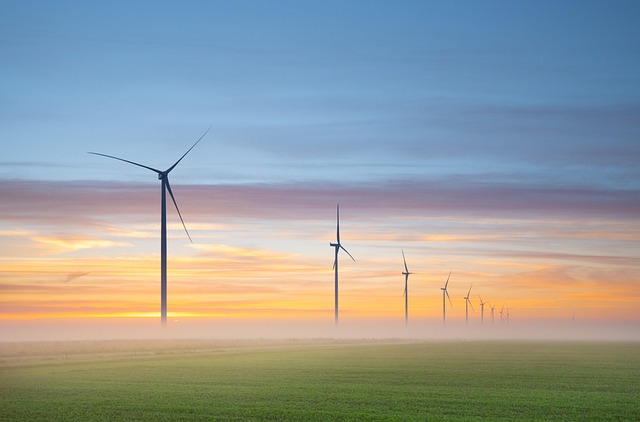
Understanding the Energy-Intensive Nature of Data Centers
Data centers run 24/7, requiring constant power for servers, cooling systems, and network hardware. Even a short outage can disrupt critical services such as banking or healthcare systems. The surge in AI model training and high-performance computing has amplified this load further. While hardware efficiency improves each year, it often cannot offset the exponential growth in processing demand. For example, hyperscale data centers now consume hundreds of megawatts each—comparable to small cities.
The Environmental Implications of Rising Power Demand
Growing electricity use directly increases carbon emissions when fossil fuels remain in the energy mix. Regions with dense clusters of facilities—like Northern Virginia or Dublin—face grid strain during peak hours. This makes decarbonization both an environmental and operational necessity. Companies are increasingly evaluated on their ESG performance, where renewable sourcing plays a central role in reputation and compliance.
Evaluating Clean Energy Options for Data Centers
Meeting this escalating power need sustainably requires a portfolio of clean generation sources supported by flexible grid technologies.
Renewable Energy Sources in Data Center Operations
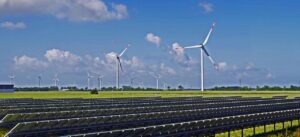
Solar power remains one of the most accessible options due to declining panel costs and modular deployment potential. Wind energy complements solar by generating more consistently at night or during cloudy periods. Hydropower provides stable baseload capacity but is geographically limited, while geothermal offers continuous output where available resources exist. Many operators now design hybrid systems that combine multiple renewables to balance intermittency and improve reliability across seasons.
The Role of Energy Storage in Supporting Renewable Integration
Energy storage bridges the gap between variable renewable supply and constant demand from servers. Lithium-ion batteries dominate current deployments due to falling costs and fast response times. Emerging technologies like flow batteries or thermal storage offer longer-duration capacity suited for large-scale operations. When connected with smart grid systems, these storage units enable peak shaving and backup support during outages—critical for uptime commitments under service-level agreements.
Strategic Approaches to Clean Energy Adoption
Transitioning toward sustainable energy models requires both financial planning and technical coordination between utilities, regulators, and corporate buyers.
Power Purchase Agreements (PPAs) and On-Site Generation Models
Long-term PPAs allow data center operators to lock in renewable electricity at predictable prices while funding new generation projects. On-site installations—such as rooftop solar arrays or private wind turbines—reduce transmission losses and provide tangible sustainability metrics for investors. In some cases, companies co-locate near renewable farms or hydro plants to secure direct access to clean power without relying solely on grid supply.
Grid Modernization and Policy Support Mechanisms
Modern grids must adapt to fluctuating renewable input through demand response programs that align consumption with availability. Collaboration between utilities and hyperscale operators helps balance local loads efficiently. Government incentives like tax credits or green bonds accelerate investment into clean infrastructure tailored for industrial-scale computing needs. Regulatory frameworks promoting carbon neutrality push corporations toward measurable emission reduction pathways rather than offset-based strategies.
Technological Innovations Driving Sustainable Energy Use in Data Centers
Technology is not only part of the problem—it’s also part of the solution. Innovation across AI management systems and thermal design continues to redefine what efficient operation looks like.
AI and Machine Learning for Energy Optimization
AI-driven analytics predict cooling requirements based on real-time workloads, allowing dynamic adjustments that cut unnecessary consumption. Some platforms forecast renewable generation patterns so that computational tasks can be scheduled when green energy availability peaks. Automation further reduces idle server power draw by reallocating resources intelligently across clusters—a small change that scales significantly across thousands of racks.
Advancements in Cooling Technologies and Waste Heat Recovery
Cooling remains one of the largest non-computational energy expenses in data centers. Liquid cooling methods transfer heat more effectively than traditional air-based systems, reducing fan usage and overall electricity draw. In colder climates like Scandinavia, recovered waste heat from servers is piped into district heating networks or nearby greenhouses—a practical form of circular energy reuse that benefits communities beyond IT operations.
Measuring the Impact of Clean Energy on Data Center Sustainability Goals
Quantifying progress matters as much as achieving it. Standardized metrics help industry leaders track performance transparently against environmental commitments.
Metrics for Assessing Renewable Integration Performance
Power Usage Effectiveness (PUE) remains a foundational benchmark for operational efficiency; leading facilities target values close to 1.1 or lower through advanced design practices. Carbon Usage Effectiveness (CUE) extends this concept by linking emissions directly to consumed electricity sources, offering clearer insight into decarbonization outcomes. Lifecycle assessments capture total environmental impact—including embodied carbon from construction materials—to provide a full picture beyond day-to-day operations.
Long-Term Benefits of Transitioning to Clean Energy Models
The shift toward renewables brings financial stability through fixed-price contracts insulated from fossil fuel volatility. It also enhances brand credibility among clients prioritizing sustainable supply chains—a growing factor in enterprise procurement decisions. Over time, these changes contribute meaningfully toward global net-zero targets by cutting emissions from one of the fastest-growing sectors in modern economies.
FAQ
Q1: Why are data centers focusing on clean energy now?
A: Rising power consumption combined with regulatory pressure on carbon emissions has made renewable adoption both an economic and reputational priority for operators worldwide.
Q2: Which renewable source suits data centers best?
A: There’s no single answer; solar works well for distributed sites while wind or hydro fits larger centralized campuses depending on geography.
Q3: How do PPAs benefit data center companies?
A: PPAs provide long-term price certainty for electricity purchases while financing new renewable projects that align with corporate sustainability goals.
Q4: What role does AI play in managing data center energy use?
A: AI tools analyze temperature patterns, workload distribution, and weather forecasts to fine-tune cooling systems and schedule tasks when renewable output is highest.
Q5: Can waste heat recovery make a real difference?
A: Yes, particularly in colder regions where excess heat can replace conventional heating fuels for nearby buildings or industrial applications, improving overall system efficiency beyond electricity savings alone.