
Pioneering Grid Battery Nudges California Closer to 24 7 Clean Energy
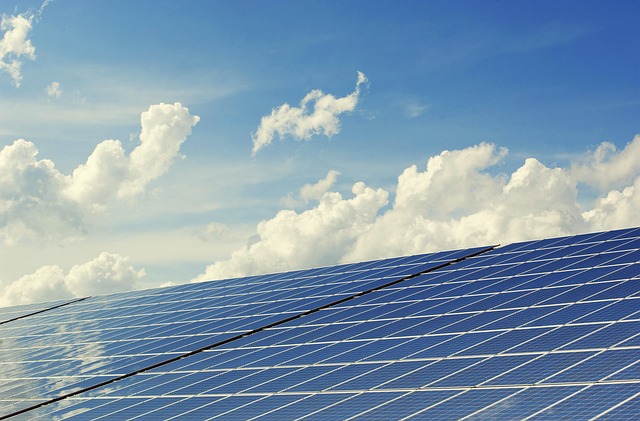
California’s energy transformation is entering a defining stage. The state’s push toward a 24/7 clean electricity system has moved from policy ambition to technical execution, largely due to breakthroughs in grid battery technology. These innovations are not only stabilizing solar power renewable energy but also reshaping how the grid balances supply and demand every hour of the day. The latest generation of long-duration batteries, integrated with advanced forecasting and flexible demand systems, is helping California bridge the gap between intermittent solar generation and continuous clean energy delivery.
The Current State of California’s Energy Grid
California’s grid is undergoing rapid evolution as it pursues complete decarbonization. The state’s legislative framework sets aggressive renewable targets, yet achieving round-the-clock reliability remains a complex engineering challenge.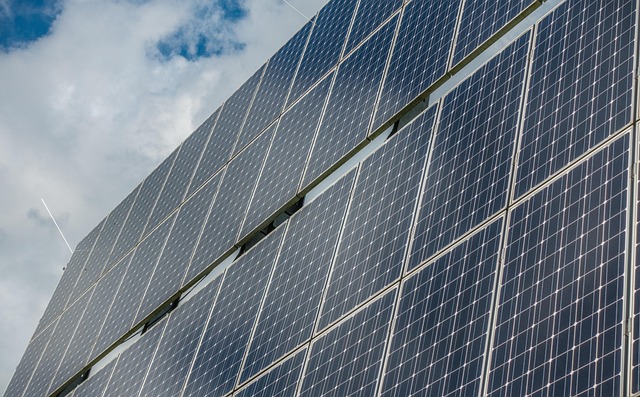
Overview of California’s Renewable Energy Goals
California law mandates 100% clean electricity by 2045, guided by the Renewables Portfolio Standard (RPS). Solar power now forms the backbone of this effort, contributing nearly one-third of total generation capacity. However, high solar penetration introduces integration difficulties such as midday oversupply and steep evening ramping needs. These challenges highlight the necessity for complementary storage and flexible load strategies to maintain grid stability.
Understanding the 24/7 Clean Energy Concept
The notion of “24/7 clean energy” extends beyond annual averages. It calls for every megawatt-hour consumed to be matched with clean generation in real time. Unlike traditional renewable targets that measure yearly percentages, this approach focuses on hourly alignment between production and consumption. Achieving such continuity requires advanced dispatchable resources, intelligent control systems, and robust storage capable of shifting energy across multiple hours or even days.
The Role of Solar Power in California’s Renewable Energy Mix
Solar power renewable energy dominates California’s clean portfolio but also exposes systemic vulnerabilities when operated without sufficient support infrastructure.
Solar Generation Capacity and Deployment Trends
Utility-scale installations across desert regions and distributed rooftop systems have grown exponentially over the past decade. Seasonal variations mean output peaks in summer while dropping in winter months. Diurnal patterns create midday surpluses followed by sharp evening deficits—known as the “duck curve.” Despite these fluctuations, solar significantly reduces peak demand during daylight hours, easing strain on thermal generators.
Limitations of Solar as a Standalone Resource
Solar’s dependence on sunlight makes it inherently variable. Cloud cover or shorter winter days can reduce output unpredictably. During periods of excess production, curtailment becomes unavoidable when supply exceeds transmission or demand capacity. Without adequate storage or responsive demand programs, valuable renewable electricity goes unused, undermining both economic returns and emission goals.
Advancements in Grid Battery Storage Systems
The emergence of advanced battery technologies marks a turning point for California’s clean grid ambitions. Batteries now serve not only as backup but as active participants in daily grid balancing.
The Emergence of Long-Duration Energy Storage Technologies
Lithium-ion batteries dominate current deployments due to falling costs and proven reliability for short-duration applications. Yet long-duration options—such as flow batteries using vanadium electrolytes or emerging chemistries like iron-air—are gaining traction for their ability to sustain discharge over 8–100 hours. These systems can cover overnight gaps or multi-day lulls in solar generation. As manufacturing scales up and materials become cheaper, cost per kilowatt-hour continues to decline, making large-scale deployment increasingly feasible.
Integration Strategies for Battery Systems with Solar Power
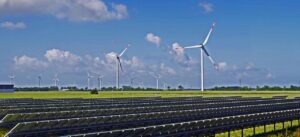
Effective coordination between photovoltaic arrays and battery dispatch determines overall efficiency. Advanced forecasting tools predict solar output hours ahead, allowing batteries to pre-charge strategically during surplus periods. Artificial intelligence-driven management software optimizes discharge timing based on market prices and grid conditions. Hybrid configurations—where solar farms are co-located with battery units—improve resilience against sudden fluctuations while simplifying interconnection requirements.
Balancing Supply and Demand in a Renewable-Dominant Grid
Maintaining equilibrium between fluctuating renewable supply and variable consumption patterns demands both technological flexibility and behavioral adaptation among consumers.
Flexible Demand Management Techniques
Time-of-use pricing encourages households to shift consumption toward periods of abundant solar generation. Automated load control systems adjust HVAC operations or industrial processes dynamically based on real-time signals from utilities. Electric vehicles further expand flexibility through vehicle-to-grid (V2G) capabilities that allow stored power to feed back into the network during evening peaks.
Transmission Infrastructure and Interconnection Challenges
California’s transmission system must evolve to move renewable electricity efficiently from remote generation zones to urban centers. Bottlenecks within interconnection queues delay new projects despite available capacity elsewhere on the network. Streamlined permitting processes and targeted investment incentives are critical for accelerating modernization efforts that enable full utilization of renewable assets statewide.
Policy, Market Design, and Regulatory Considerations
A sophisticated policy environment underpins California’s transition toward continuous clean energy operation. Market rules must evolve alongside technological advances to support reliability without compromising affordability.
Evolution of California’s Energy Market Structure
The California Independent System Operator (CAISO) manages wholesale markets where renewables compete with conventional resources under dynamic pricing structures. Programs like the Self-Generation Incentive Program (SGIP) encourage adoption of distributed storage by offering performance-based rebates. Integrated Resource Planning (IRP) frameworks align utility procurement with long-term decarbonization trajectories while maintaining resource adequacy standards.
Ensuring Reliability Under a 24/7 Clean Energy Framework
Reliability metrics now incorporate probabilistic modeling that accounts for weather-dependent variability across different renewable sources. A diversified portfolio—including wind from coastal regions, geothermal baseload from volcanic areas, and hydroelectric flexibility—reduces exposure to prolonged low-solar events or heatwaves that stress system reserves. Risk management strategies emphasize redundancy through geographic diversity rather than fossil backup alone.
Future Outlook: Pathways Toward Continuous Clean Power Supply in California
Technological innovation continues shaping how California approaches its final stretch toward uninterrupted clean electricity delivery.
Technological Innovations Driving the Next Phase of Grid Transformation
Emerging solutions such as green hydrogen offer chemical storage pathways capable of seasonal balancing beyond what batteries can provide economically today. Thermal storage integrated into industrial processes captures waste heat for later reuse, while carbon-free backup turbines provide emergency coverage during extreme conditions. Digital control platforms using predictive analytics will soon anticipate imbalances before they occur, enabling preemptive corrective actions rather than reactive interventions.
Economic and Environmental Implications of a 24/7 Renewable System
Transitioning fully to renewables entails upfront capital expenditure but yields long-term economic benefits through reduced fuel imports and stable operating costs. Modeling studies show substantial emission reductions when fossil peaker plants are replaced by battery-supported renewables across all hours. Beyond carbon savings, this shift enhances local air quality, supports skilled labor growth in clean tech sectors, and positions California as an international leader in sustainable grid management.
FAQ
Q1: What does “24/7 clean energy” mean?
A: It refers to matching every hour of electricity consumption with carbon-free generation sources rather than relying on annual averages.
Q2: Why is solar power central to California’s renewable goals?
A: Solar provides abundant daytime generation potential aligned with the state’s climate conditions but requires complementary resources for nighttime coverage.
Q3: How do long-duration batteries differ from standard lithium-ion systems?
A: They can store energy for extended periods—often exceeding eight hours—making them suitable for bridging multi-day gaps when solar output is low.
Q4: What role do electric vehicles play in balancing the grid?
A: EVs act as distributed storage assets through V2G technology that allows bidirectional power flow between cars and the grid during high-demand periods.
Q5: Which policies support storage development in California?
A: Programs like SGIP provide financial incentives for behind-the-meter installations while IRP frameworks guide utility-scale investment planning toward decarbonization targets.